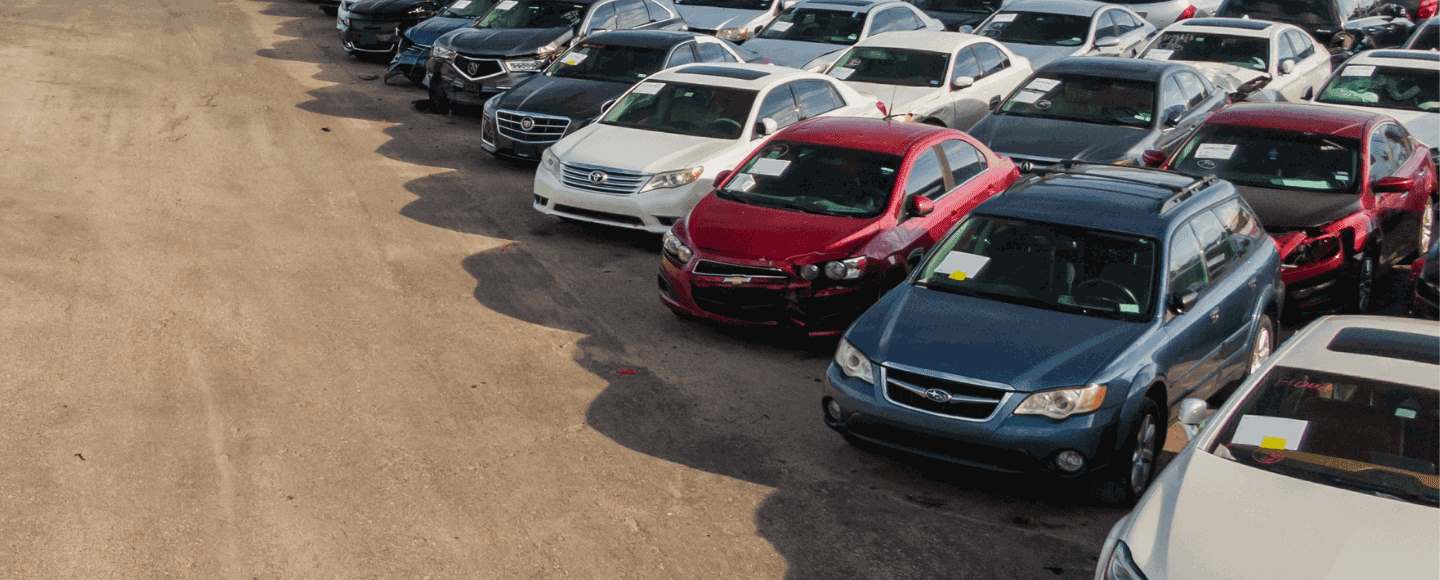
AAA insurance auto auctions refer to the process where vehicles insured by the American Automobile Association (AAA) are sold after being declared a total loss or following a repossession. These vehicles are typically liquidated through third-party salvage auction platforms like Insurance Auto Auctions (IAAI) or Copart, rather than at AAA-branded physical locations.
The Relationship Between AAA and National Auto Auctions
To understand how a "AAA insurance auto auction" works, it is essential to recognize the corporate structure of insurance liquidations. AAA is not a single entity but a federation of motor clubs across North America. Many of these clubs provide insurance through entities like the CSAA Insurance Group or the Auto Club Group. When a AAA-insured vehicle is involved in a significant accident, flood, or theft recovery, the cost of repair often exceeds a certain percentage of the vehicle's actual cash value (ACV). At this point, AAA pays the policyholder the value of the car and takes possession of the title.
As of 2026, AAA continues to contract the storage, processing, and sale of these "salvage" vehicles to specialized auction houses. The most prominent partner for AAA is Insurance Auto Auctions (IAAI), though some regional clubs may utilize Copart. These platforms provide the digital infrastructure and physical yard space necessary to manage thousands of vehicles. When you search for a "AAA auction," you are effectively looking for AAA-designated inventory within these larger auction ecosystems.
These auctions are a primary source for licensed dismantlers, professional rebuilders, and, in some jurisdictions, individual "do-it-yourself" enthusiasts. The draw of AAA inventory specifically is often the perception—and sometimes the reality—that vehicles insured by premium providers like AAA were better maintained prior to the loss event compared to those from budget-tier insurers.
Why Vehicles End Up at Auction
A vehicle becomes part of the AAA auction inventory through several distinct channels. Understanding these "loss types" is critical for any bidder, as the reason for the auction determines the potential mechanical integrity of the car.
Total Loss Settlements
The most common reason is a collision. If a AAA member’s car is damaged and the repair estimates reach the "total loss threshold" (which varies by state but is typically between 70% and 80% of the ACV), AAA totals the car. In 2026, with the rising costs of advanced driver-assistance systems (ADAS) and high-tech sensors in bumpers, vehicles are being totaled for seemingly minor cosmetic damage because the recalibration costs are prohibitive.
Theft Recoveries
If a vehicle is stolen and not recovered within a specific timeframe (usually 30 days), AAA pays the owner for the loss. If the car is found later, AAA owns the vehicle. These are often highly sought after at auction because they may have little to no structural damage, though they often require lock replacements or interior cleaning.
Natural Disasters
Flood-damaged and hail-damaged cars make up a significant portion of seasonal inventory. Flood cars are particularly risky as water intrusion can lead to long-term electrical corrosion that may not be immediately apparent. AAA auctions specifically label these as "Flood" or "Water" units to alert buyers to the heightened risk.
Repossessions
While less common for a motor club than for a bank, some AAA entities offer financing. If a borrower defaults, the vehicle is repossessed and sent to the same auction yards used for insurance losses. These vehicles often carry "Clean Titles" rather than "Salvage Titles," making them significantly more valuable.
Navigating the Bidding Platforms: IAAI and Copart
As of 2026, the vast majority of AAA insurance auctions are conducted online. While the vehicles are stored in physical "yards," the bidding happens in real-time digital rooms.
Insurance Auto Auctions (IAAI) is the most frequent destination for AAA total losses. To find AAA vehicles specifically on IAAI, users can use the "Provider" filter in the search sidebar and select the relevant AAA entity (e.g., "CSAA Insurance Group" or "Auto Club of SoCal").
Copart serves a similar function and is used by various regional AAA branches. Copart’s "VB3" technology allows for a multi-stage bidding process:
- Preliminary Bidding: Bidders place maximum bids before the live auction begins.
- Live Virtual Auction: A dynamic, fast-paced bidding war where the highest bidder at the time of the "hammer fall" wins, provided the reserve price is met.
It is important to note that AAA often places a "Minimum Bid" or "Reserve" on their vehicles. If the bidding does not reach this undisclosed amount, the vehicle may be "on approval," meaning AAA has the right to accept or reject the high bid within 24 to 48 hours.
Eligibility and Licensing Requirements
One of the biggest hurdles for individuals looking to buy from a AAA insurance auction is licensing. Insurance auctions are primarily "Business-to-Business" (B2B) marketplaces.
Licensed Business Buyers
In most states, you must hold a dealer, dismantler, or rebuilder license to bid on salvage title vehicles. These licenses are issued by state Departments of Motor Vehicles (DMV). Having a business license allows you to buy vehicles without paying sales tax at the time of purchase (though tax is paid when the vehicle is eventually resold or registered) and grants access to the full inventory of AAA vehicles.
Public Buyers
Some states allow individuals without a professional license to bid on certain vehicles. However, these "public" inventories are often restricted to clean-title cars or specific types of salvage. Furthermore, public buyers often face higher transaction fees than licensed businesses.
The Role of Brokers
If you are an individual who wants a specific AAA salvage car but lacks a license, you can use a Registered Broker. Brokers are licensed entities that bid on your behalf for a fee (usually ranging from $200 to $500). They provide you with access to the auction's inventory, but you are responsible for the bid amount and all auction fees. The broker handles the paperwork and helps facilitate the transfer of the salvage certificate to you.
| Buyer Type | Licensing Required | Access Level | Fees |
|---|---|---|---|
| Licensed Dealer | State Dealer License | Full Inventory | Standard Buyer Fees |
| Dismantler | Wrecker/Salvage License | Salvage Only | Standard Buyer Fees |
| Public Buyer | None (Government ID) | Restricted (State Dependent) | Premium Buyer Fees |
| Broker User | None (Uses Broker's License) | Full Inventory (via Broker) | Standard Fees + Broker Fee |
Step-by-Step Guide to Purchasing a AAA Salvage Vehicle
Successfully buying from a AAA auction requires a disciplined approach to avoid "money pits." Following a standardized workflow is the best way to mitigate risk.
1. Registration and Verification
Create an account on IAAI or Copart. You will need to upload a government-issued ID and, if applicable, your business licenses. In 2026, verification is often handled through automated digital systems, taking anywhere from an hour to two business days. Ensure your account is "Active" before the day of the auction you intend to join.
2. Vehicle Search and Filtering
Use the search tools to filter by "Seller." Look for the specific AAA insurance branch that operates in your region. This is important because buying a car from an auction yard across the country will incur massive shipping costs that can easily negate any savings.
3. The "Hidden" Inspection
Never bid on a vehicle based solely on the photos provided by the auction house. These photos are designed to show the car, not necessarily every flaw.
- Hire a Third-Party Inspector: For $150–$250, you can hire a local inspector to visit the yard. They can start the engine (if listed as "Run and Drive"), check for fluid leaks, and look for structural "kinks" in the frame that aren't visible in photos.
- Check the VIN: Run a report through NMVTIS (National Motor Vehicle Title Information System) or a private service like Carfax. This will confirm if the vehicle has a history of floods or previous salvage titles that AAA might not have disclosed.
4. Bidding Strategy
Set a "Walk-Away Price" before the auction starts. It is easy to get caught up in the adrenaline of a live auction and overbid. Your maximum bid should be calculated as:
Market Value (Fixed) - Repair Costs - Auction Fees - Transport Costs - Desired Profit/Savings = Max Bid.
5. Payment and Logistics
Once you win, the clock starts ticking. Most auctions require payment via wire transfer or cashier's check within 48 hours. If you miss the deadline, you will face "Late Fees" (usually $50+ per day). Additionally, you must move the vehicle from the yard within a few days (typically 3–5) or face "Storage Fees."
Analyzing Costs: Beyond the Hammer Price
The "hammer price" (the winning bid) is only a portion of the total cost. When budgeting for a AAA insurance auction, you must account for the following:
- Buyer Fees: These are tiered based on the vehicle price. For a $5,000 vehicle, the buyer fee can be as high as $600–$800.
- Internet Bid Fees: A convenience fee for using the online platform, typically $50–$100.
- Gate Fee: A fee to "release" the vehicle from the yard to your transporter, usually around $75.
- Transportation: Unless you have your own truck and trailer, you will need a hired hauler. In 2026, transport rates average $1.50 to $3.00 per mile depending on fuel costs and vehicle size.
- Title Processing: Some auctions charge a fee to mail the salvage certificate to you or your broker.
Legal and Safety Considerations in 2026
Buying a AAA salvage vehicle involves navigating complex state laws regarding "Rebuilt Titles." You cannot legally drive a salvage title car on public roads.
To "rebuild" the title, you must:
- Repair the Vehicle: The repairs must be documented, often with photos and receipts for all major components used.
- State Inspection: Most states require a specialized inspection by a state trooper or DMV official. They aren't checking for mechanical perfection; they are checking for stolen parts and ensuring the vehicle is roadworthy (working lights, brakes, airbags, etc.).
- Title Branding: Once passed, the car will be issued a "Rebuilt" or "Prior Salvage" title. This brand stays with the vehicle forever and typically reduces its resale value by 20% to 40% compared to a "Clean Title" equivalent.
Safety Warning: In 2026, many AAA vehicles are equipped with complex airbag systems. Replacing deployed airbags with "used" components is illegal in many jurisdictions and highly dangerous. Always use new, OEM (Original Equipment Manufacturer) components for safety systems.
Common Mistakes to Avoid
- Buying "Sight Unseen": Assuming a "Run and Drive" label means the car is mechanically sound. "Run and Drive" only means the vehicle moved forward and backward under its own power at the time of arrival at the yard.
- Ignoring the "Title Type": Some AAA vehicles are sold with a "Bill of Sale" or "Junk Certificate" only. These vehicles can never be registered for road use again; they are for parts only.
- Underestimating Repair Costs: With the 2026 supply chain for automotive microchips and sensors, parts can be more expensive than anticipated. Always get a parts quote before bidding.
Frequently Asked Questions
Can I buy a car directly from AAA?
No, AAA does not sell vehicles directly to the public. They use licensed auction platforms like IAAI or Copart to ensure a competitive bidding process and to comply with state regulations regarding the sale of salvage assets.
Does a AAA "Run and Drive" mean the car is safe?
No. The "Run and Drive" designation is a snapshot in time. It means the vehicle started and the transmission engaged when it was checked into the auction yard. It does not account for overheating issues, suspension damage, or underlying electrical faults.
Are all cars at AAA auctions damaged?
Not all of them. Some are "theft recoveries" where the vehicle was found after the owner was already paid out. These may have minimal damage. Others are repossessions, which often have clean titles and no accident history.
Can I get insurance on a car I bought from a AAA auction?
Once the vehicle has been repaired and the title has been converted to "Rebuilt," most insurance companies (including AAA itself) will provide liability coverage. However, finding comprehensive or collision coverage for a rebuilt vehicle can be difficult and expensive because the "Actual Cash Value" is hard to determine.
What is the "Buyer Fee" at these auctions?
The buyer fee is a sliding scale commission paid to the auction house. It typically starts at around $100 for very cheap cars and can exceed $1,000 for high-end vehicles. Always check the specific fee schedule on the auction house website before bidding.
Can I return a vehicle if it has more damage than shown in the photos?
Generally, no. Insurance auctions are "As-Is, Where-Is" sales. Unless there was a gross misrepresentation of the title type or the engine is completely different from the listing, all sales are final. This is why professional inspections are highly recommended.
Practical Recommendation
If you are new to the world of insurance auctions, start by targeting "Clean Title" repossessions or minor theft recoveries from AAA's inventory. These vehicles offer a lower risk profile than heavy collision salvage units. Before your first bid, spend a few weeks "shadow bidding"—following specific vehicles, estimating their repair costs, and seeing what they eventually sell for. This will give you a feel for the market value and the aggressiveness of other bidders in 2026. Always ensure you have a trusted mechanic or a detailed repair plan ready before the vehicle arrives at your door.