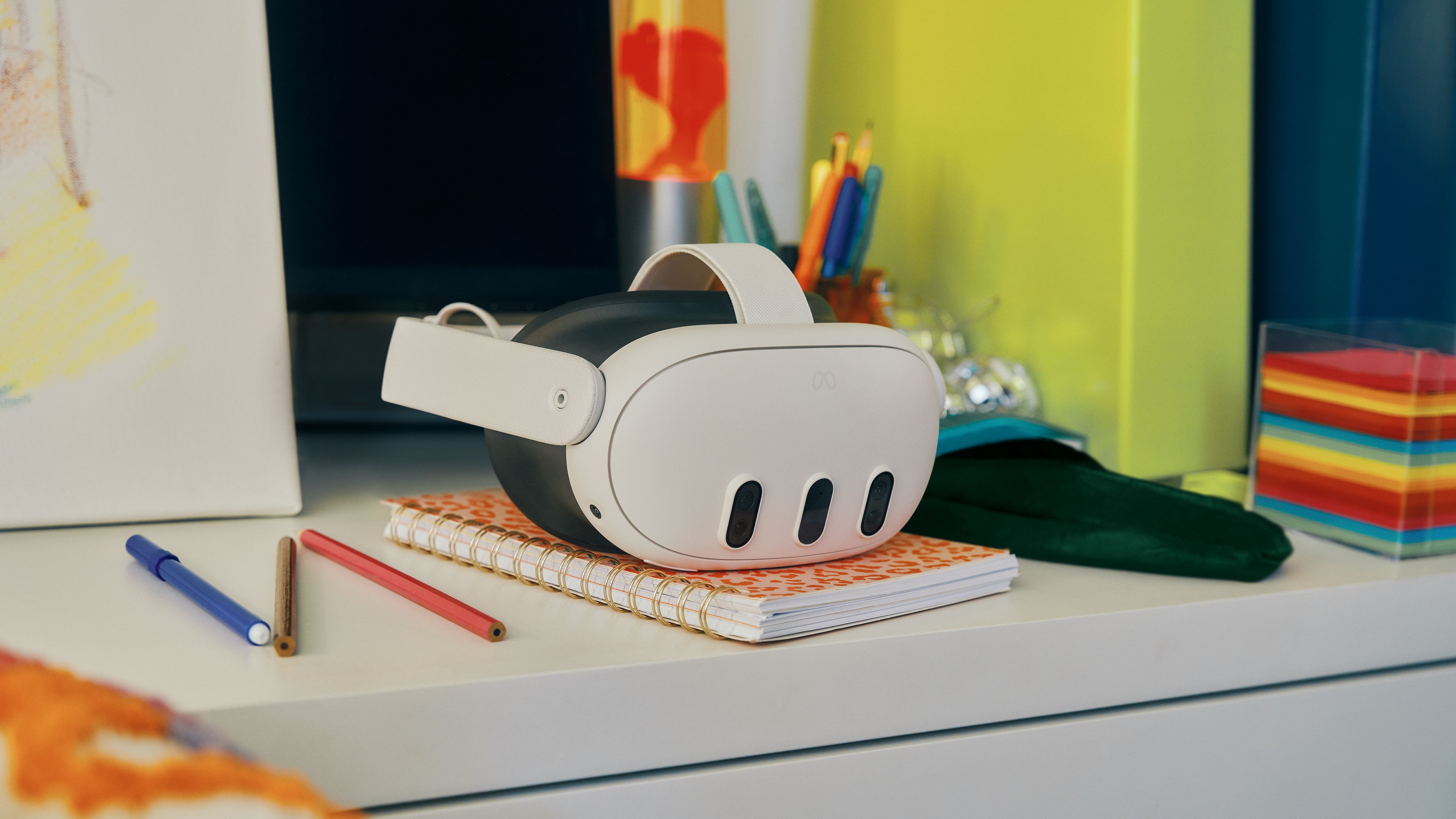
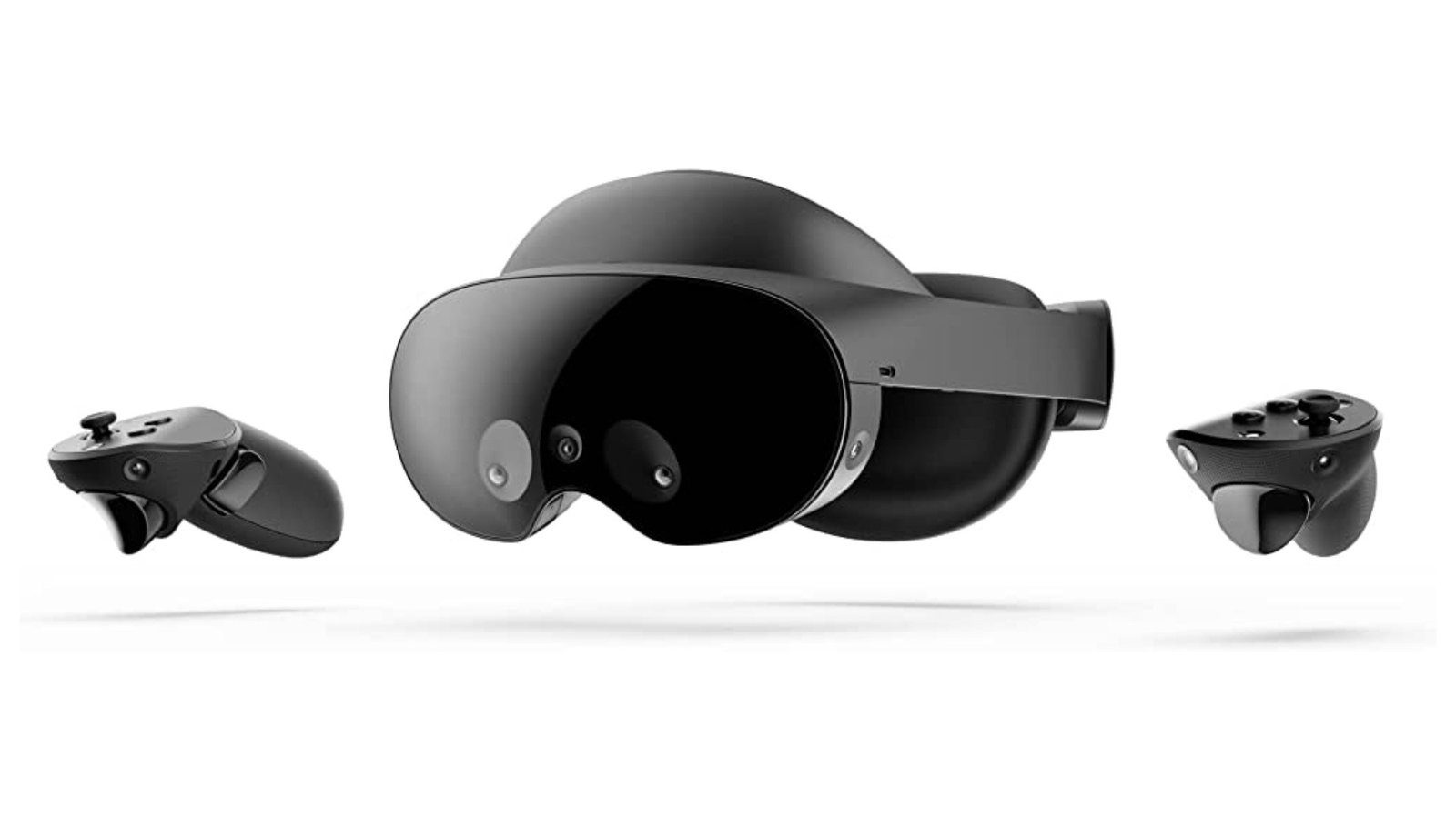
The Meta Quest 4 is expected to arrive in the fall of 2026, following Meta’s established three-year refresh cycle for its flagship consumer VR headsets. While Meta has not yet officially opened pre-orders, historical patterns and internal roadmap leaks suggest a reveal at the Meta Connect 2026 event, with a launch price likely ranging between $499 and $799 depending on storage configurations and hardware tiers.
The virtual and mixed reality landscape has shifted significantly since the debut of the Quest 3 in 2023. As we navigate the technological advancements of 2026, the Meta Quest 4 represents the next leap in mainstream spatial computing. This device is not merely a gaming peripheral; it is designed to be a versatile tool for productivity, fitness, and high-fidelity mixed reality (MR). This article analyzes the anticipated release window, technical specifications, and the pricing structure surrounding the Quest 4.
The Meta Quest 4 Release Window and Roadmap
Meta has historically adhered to a predictable cadence for its hardware releases. The original Oculus Quest launched in 2019, followed by the Quest 2 in 2020. Recognizing the need for a longer lifecycle to build a robust software library, Meta moved to a three-year gap between the Quest 2 and the Quest 3 (2023).
Based on internal roadmaps shared with Meta’s Reality Labs employees and reported by outlets like The Verge, the Quest 4—codenamed "Pismo Low" and "Pismo High" for its respective tiers—is slated for a 2026 debut. This timeline allows Meta to maximize the adoption of the Quest 3 and Quest 3S while giving developers enough time to push the boundaries of the Snapdragon XR2 Gen 2 chipset before moving to the next generation of silicon.
Typically, Meta hosts its "Connect" conference in late September or early October. This event serves as the primary stage for hardware announcements. If the Quest 4 follows the pattern set by the Quest 3, we can expect:
- Announcement: Late September 2026.
- Pre-orders: Immediate or within 24 hours of the announcement.
- Shipping/Retail Availability: Mid-to-late October 2026.
This timing is strategic, placing the device at the forefront of the holiday shopping season while ensuring it remains the centerpiece of tech discussions throughout the fourth quarter of the year.
Pricing Strategy: Will the Quest 4 Cost $800?
There has been significant discussion regarding the "800" price point for the Meta Quest 4. While the Quest line has traditionally been marketed as an "affordable" entry into VR, several factors in 2026 suggest a price hike or a multi-tier model.
The Quest 3 launched at $499, a $200 increase over the Quest 2’s launch price. This increase was justified by the inclusion of pancake optics, a significantly more powerful chipset, and full-color passthrough sensors. For the Quest 4, Meta faces a dual challenge: rising component costs (particularly for high-resolution micro-OLED displays) and the competition from high-end devices like the Apple Vision Pro.
It is highly probable that Meta will release two versions of the Quest 4:
- Standard Quest 4: Likely priced between $499 and $599, maintaining the "consumer-friendly" entry point.
- Quest 4 Plus/Premium: A higher-tier model that could reach the $799 or $800 mark. This model would likely feature more storage (512GB or 1TB), premium head straps included in the box, and potentially eye-tracking—a feature currently reserved for the "Pro" line.
The $800 figure often cited in industry discussions likely refers to the "all-in" cost for a high-capacity model with official accessories. Meta’s goal remains mass-market adoption, so keeping the base model under $600 is essential to compete with gaming consoles and mobile devices.
Technical Specifications: The Next Generation of Spatial Computing
The Meta Quest 4 is expected to be a substantial hardware upgrade, focusing on "Visual Comfort" and "Seamless Passthrough." By 2026, the hardware requirements for meaningful Mixed Reality have become more demanding.
Chipset and Performance
The heart of the Quest 4 will almost certainly be the Snapdragon XR2 Gen 3. Developed in partnership with Qualcomm, this chip is expected to offer a 30-50% increase in GPU performance over the Gen 2 found in the Quest 3. This power is necessary not just for higher frame rates in games, but for the complex AI processing required for environment mesh mapping and hand tracking.
The Gen 3 chipset will also likely integrate dedicated AI cores to manage "Meta AI" features, allowing the headset to understand the user's environment in real-time—identifying objects, reading text, and providing contextual overlays without lag.
Optics and Display
Visual fidelity is the most requested improvement in the VR community. While the Quest 3 utilized LCD panels with pancake lenses, the Quest 4 is rumored to transition to Micro-OLED or high-end QLED with local dimming.
- Resolution: Targets are approximately 2.5K to 3K per eye, significantly reducing the "screen door effect."
- Lenses: Advanced pancake optics will likely be retained but refined to reduce "ghosting" and internal reflections.
- Field of View (FOV): Expect a slight increase from the Quest 3’s 110 degrees to roughly 120 degrees horizontally, improving immersion.
Sensors and Passthrough
Mixed Reality is the future Meta is betting on. The Quest 4 will likely feature improved dedicated depth sensors and higher-resolution RGB cameras for passthrough. The goal is to achieve "photorealistic" passthrough, where the digital world and the physical world are indistinguishable in terms of lighting and resolution. This requires lower latency and better dynamic range to handle different lighting conditions within a room.
Comparison of Meta Quest Iterations
To understand the leap the Quest 4 represents, it is helpful to compare it against its predecessors.
| Feature | Meta Quest 3 (2023) | Meta Quest 3S (2024) | Meta Quest 4 (Expected 2026) |
|---|---|---|---|
| Chipset | Snapdragon XR2 Gen 2 | Snapdragon XR2 Gen 2 | Snapdragon XR2 Gen 3 |
| Display Type | Dual LCD | Single LCD | Micro-OLED / QLED |
| Resolution | 2064 x 2208 per eye | 1832 x 1920 per eye | ~2800 x 3000 per eye |
| Optics | Pancake Lenses | Fresnel Lenses | Advanced Pancake |
| Passthrough | 4MP Color | 4MP Color | 12MP+ High-Fidelity Color |
| Eye Tracking | No | No | Likely (Higher Tier Only) |
| Starting Price | $499 | $299 | $499 - $599 |
Design and Ergonomics: The "Pismo" Concept
One of the primary barriers to VR adoption is "friction"—the physical discomfort of wearing a heavy device on the face. In 2026, Meta is expected to focus heavily on the ergonomics of the Quest 4.
The "Pismo" codename suggests a streamlined design. We expect a headset that is significantly thinner than the Quest 3. By moving more components (such as the battery) to the back of the headstrap or using more efficient thermal management to shrink the front-facing enclosure, Meta aims to balance the weight more effectively.
Furthermore, the Quest 4 may introduce a more modular facial interface. As VR becomes a primary tool for fitness (through apps like Supernatural or Les Mills Bodycombat), the ability to easily swap between a "comfort" interface and a "sweat-proof" interface is a high priority for users.
Software and the Ecosystem in 2026
Hardware is only as good as the software it runs. By the time the Quest 4 launches in late 2026, Horizon OS (formerly the Quest system software) will have matured significantly.
Horizon OS Openness
Meta has already begun opening Horizon OS to third-party hardware makers like Asus and Lenovo. This means the Quest 4 will launch into a much broader ecosystem where your apps and avatars are shared across multiple devices. This "Android of VR" approach ensures that the Quest 4 has a massive library of content on day one.
Meta AI Integration
AI is the defining technology of the 2026 era. The Quest 4 will likely use Meta AI as a system-level assistant. Users can ask the headset to "Record the last 30 seconds of gameplay," "Scan this room for furniture layout," or "Translate the text on this physical book I’m holding." This deep integration turns the Quest 4 from a gaming console into a cognitive peripheral.
Augmented Reality (AR) Applications
The improved passthrough of the Quest 4 will facilitate better AR applications. We expect to see more "Augments"—persistent digital objects that stay in your physical room. For example, you could have a digital weather station on your actual desk or a virtual "big screen" TV that stays permanently on your living room wall, even after you turn the headset off and back on.
Common Obstacles and Troubleshooting for Early Adopters
As with any major hardware launch, potential buyers should be aware of standard technical considerations.
- Wi-Fi Requirements: To utilize the high-speed streaming capabilities (especially for PCVR via Air Link), the Quest 4 will likely require Wi-Fi 7 compatibility. While backward compatible with Wi-Fi 6, the best experience will require a modern router.
- Battery Life: Despite chip efficiency, high-resolution screens consume significant power. Users should expect the standard 2 to 2.5 hours of battery life, making external battery straps a near-essential accessory for power users.
- Space Requirements: While the Quest 4 will have improved room-mapping, "Roomscale" VR still requires a clear 6.5ft x 6.5ft area for the safest and most immersive experience.
- Account Requirements: In 2026, a Meta account remains mandatory. Users should ensure their accounts are in good standing and utilize two-factor authentication to protect their digital library.
Frequently Asked Questions
Will the Meta Quest 4 support Quest 2 and Quest 3 games?
Yes, Meta has a strong track record of backward compatibility. The Quest 4 will be able to play virtually the entire library of Quest store apps. Many popular titles will likely receive "Quest 4 Enhancement" patches to take advantage of the new chipset's power, offering better textures and lighting.
Does the Quest 4 require a PC?
No, the Meta Quest 4 is a standalone (all-in-one) device. It has its own processor, battery, and storage. However, you can connect it to a powerful gaming PC via a Link Cable or Wi-Fi (Air Link/SteamVR) to play high-end PCVR titles like Half-Life: Alyx.
Is eye-tracking included in the base Quest 4 model?
While not confirmed, industry analysts suggest that eye-tracking may be reserved for a "Pro" or "Plus" version of the Quest 4 to keep the base model's price competitive. Eye-tracking is valuable for "foveated rendering" (saving power by only rendering what you are looking at in high detail), but it adds significant cost to the sensor array.
How does the Quest 4 compare to the Apple Vision Pro?
The Apple Vision Pro is a high-end spatial computer priced at $3,499, targeting professionals and enthusiasts with ultra-high-resolution displays. The Meta Quest 4 is a consumer-focused device. While the Quest 4 may offer similar MR features, it prioritizes gaming, social interaction, and affordability over the sheer pixel density and premium materials of the Apple headset.
Will there be a Meta Quest 4S?
Historically, "S" or budget models (like the Quest 3S) launch roughly a year after or alongside the flagship to capture the entry-level market. It is possible Meta will continue to sell the Quest 3S as the budget option through 2026 and 2027, rather than releasing a Quest 4S immediately.
Preparing for the Launch
For those planning to upgrade to the Meta Quest 4 in 2026, the best course of action is to monitor the official Meta Quest Blog and the Meta Connect website starting in August 2026.
If you currently own a Quest 2, the Quest 4 will represent a massive generational leap in every category—clarity, comfort, and capability. If you own a Quest 3, the decision to upgrade will depend on how much you value Mixed Reality fidelity and the new AI-driven features enabled by the Snapdragon XR2 Gen 3.
As we move closer to the fall of 2026, expect more concrete leaks regarding the final chassis design and the specific "hero" games that will launch alongside the headset. For now, the roadmap points clearly toward an October 2026 release that will redefine the mid-range VR market.