Christianity is comprised of five primary historical traditions: Roman Catholicism, Eastern Orthodoxy, Oriental Orthodoxy, Protestantism, and Anglicanism. These branches emerged through centuries of theological developments and historical schisms, each maintaining distinct views on church authority, liturgy, and the interpretation of scripture while sharing a core faith in the life and teachings of Jesus Christ.
Understanding these five traditions requires more than a surface-level glance at their Sunday services. It necessitates an exploration of the historical pivot points—such as the Council of Chalcedon, the Great Schism, and the Protestant Reformation—that defined their unique identities. As of 2026, these traditions represent nearly 2.6 billion people worldwide, influencing global culture, ethics, and politics in profound ways.
Historical Divergence: The Roots of Christian Diversity
The history of Christianity is often visualized as a tree with a single trunk that eventually splits into several massive branches. For the first several centuries, the Christian Church was relatively unified, though cultural and linguistic differences between the Latin-speaking West and the Greek-speaking East were present from the beginning.
The first major institutional split occurred in 451 AD at the Council of Chalcedon, leading to the separation of what we now call Oriental Orthodoxy. Later, in 1054 AD, the Great Schism permanently divided the West (Roman Catholicism) from the East (Eastern Orthodoxy). The 16th-century Protestant Reformation further fractured Western Christianity, giving birth to Protestantism and its "middle way" cousin, Anglicanism. Each of these movements was not merely a disagreement over politics, but a profound debate over the nature of God, the authority of the Bible, and the role of the Church in salvation.
1. Roman Catholicism: The Universal Church and the Papacy
The Roman Catholic Church is the largest Christian tradition, with over 1.3 billion adherents globally as of 2026. Its identity is fundamentally anchored in the concept of Apostolic Succession, the belief that the spiritual authority granted by Jesus to his apostles has been passed down through an unbroken line of bishops.
The Authority of the Papacy
The defining feature of Roman Catholicism is the Papacy. The Pope, the Bishop of Rome, is regarded as the successor to Saint Peter and the "Vicar of Christ" on Earth. This centralized authority ensures a level of doctrinal uniformity that is unique among the five traditions. The doctrine of Papal Infallibility, defined during the First Vatican Council in 1870, holds that the Pope is preserved from error when speaking ex cathedra (from the chair) on matters of faith and morals.
Sacramental Life and the Mass
Catholicism is deeply sacramental. The Church recognizes seven sacraments: Baptism, Confirmation, the Eucharist, Penance (Reconciliation), Anointing of the Sick, Holy Orders, and Matrimony. The Eucharist is the "source and summit" of Catholic life. Catholics believe in Transubstantiation, the doctrine that during the Mass, the bread and wine actually become the literal body and blood of Christ, though their outward appearances remain the same.
The Second Vatican Council (Vatican II)
In the mid-20th century, the Second Vatican Council (1962–1965) brought significant changes to the tradition. It transitioned the liturgy from Latin to local vernacular languages and emphasized the "universal call to holiness" for laypeople. In 2026, the Church continues to navigate the tension between these modernizing reforms and the preservation of its ancient, traditionalist roots.
2. Eastern Orthodoxy: The Ancient Tradition and Mystical Theology
Eastern Orthodoxy represents the second-largest Christian tradition, primarily concentrated in Eastern Europe, the Balkans, and the Middle East. It views itself as the original, unchanged Church established by the Apostles.
The Structure of the Church
Unlike the centralized Roman Catholic Church, Eastern Orthodoxy is a communion of autocephalous (self-governing) churches, such as the Greek, Russian, and Antiochian Orthodox Churches. The Ecumenical Patriarch of Constantinople is considered the "first among equals" (primus inter pares), holding a position of honor but lacking the jurisdictional authority that the Pope has in Catholicism.
The Great Schism and the Filioque
The split between the East and West in 1054 was driven by several factors, including the "Filioque" clause. Western Christians added the phrase "and the Son" to the Nicene Creed regarding the procession of the Holy Spirit. The East rejected this as both a theological error and an unauthorized change to an ecumenical creed. You can read more about the historical timeline of the Ecumenical Patriarchate to understand these early centuries.
Theosis and Icons
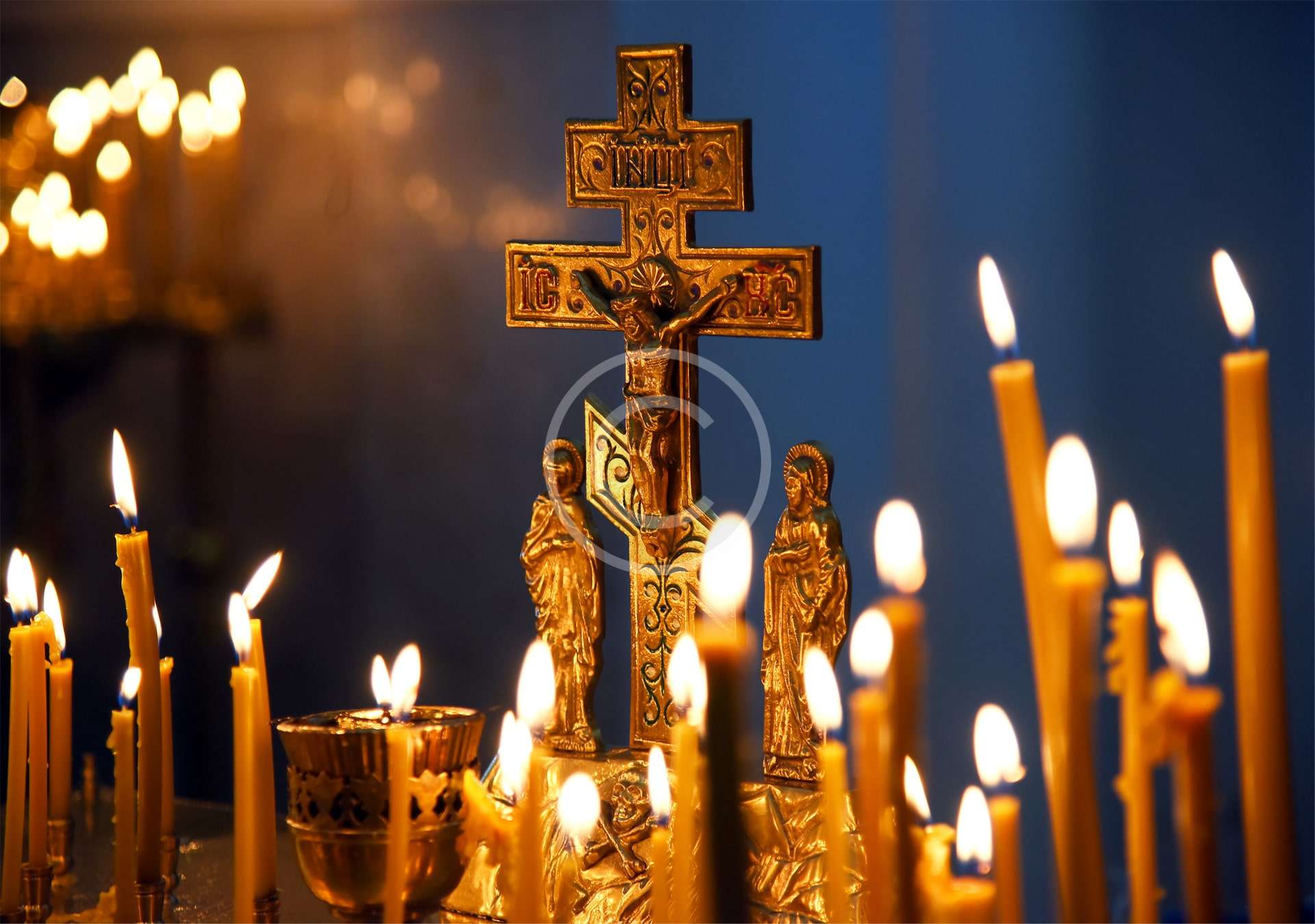
Eastern Orthodox theology emphasizes Theosis, or deification—the process by which a believer becomes more like God through union with Him. This mystical focus is reflected in their worship, which heavily utilizes icons. To the Orthodox, icons are not mere "pictures" but "windows into heaven" that facilitate a connection with the divine. The Divine Liturgy is sensory-rich, involving incense, chanting, and a profound sense of the sacred.
3. Oriental Orthodoxy: The Non-Chalcedonian Heritage
Oriental Orthodoxy is often confused with Eastern Orthodoxy, but they have been separate since 451 AD. This tradition includes the Coptic Orthodox Church of Egypt, the Armenian Apostolic Church, the Ethiopian Orthodox Tewahedo Church, and others.
The Nature of Christ (Miaphysitism)
The primary reason for the split was the Council of Chalcedon's definition of Christ's nature. While Roman Catholics and Eastern Orthodox believe Christ has two distinct natures (divine and human) in one person, Oriental Orthodox adhere to Miaphysitism. This doctrine teaches that in the one person of Jesus Christ, divinity and humanity are united in one "composite" nature without separation, without confusion, and without alteration.
Ancient Liturgies and Martyrdom
Oriental Orthodox churches are among the most ancient in the world. The Coptic Orthodox Church, for instance, traces its roots directly to Saint Mark the Evangelist. Many of these communities have survived centuries of persecution and minority status in the Middle East and Africa. Their liturgies are often conducted in ancient languages, such as Coptic, Ge'ez, or Classical Syriac, preserving a direct link to the early Christian era.
4. Protestantism: The Reformation and the Authority of Scripture
Protestantism emerged in the 16th century as a movement to reform the Roman Catholic Church. What began as a localized dispute in Germany led by Martin Luther in 1517 exploded into a global movement that redefined the relationship between the individual and God.
The Five Solas
The theological foundation of Protestantism is often summarized by the Five Solas:
- Sola Scriptura: Scripture alone is the highest authority.
- Sola Fide: Salvation is through faith alone.
- Sola Gratia: Salvation is by grace alone.
- Solus Christus: Christ alone is the mediator.
- Soli Deo Gloria: Glory to God alone.
Protestants rejected the authority of the Pope and the Catholic "Tradition," arguing that every believer has direct access to God and the right to interpret the Bible (the Priesthood of All Believers).
Denominational Diversity
Because Protestantism lacks a central authority, it has branched into thousands of denominations. These are generally grouped into several families:
- Lutherans: Followers of Martin Luther’s theology.
- Reformed (Calvinist): Emphasizing the sovereignty of God and predestination.
- Anabaptists: Focusing on adult baptism and pacifism.
- Methodists: Born from the 18th-century revivalist movement of John Wesley.
- Pentecostals/Charismatics: Emphasizing the direct experience of the Holy Spirit and spiritual gifts.
As of 2026, Pentecostalism remains the fastest-growing segment within the Protestant tradition, particularly in the Global South.
5. Anglicanism: The Middle Way of the Via Media
Anglicanism originated with the Church of England during the English Reformation in the 16th century. While it broke away from the Roman Catholic Church, it retained much more of the Catholic structure and liturgy than the continental Protestant movements did.
The Via Media
Anglicanism is often described as a Via Media (Middle Way) between Catholicism and Protestantism. It is "Catholic" in its structure (maintaining bishops and ancient creeds) and "Protestant" in its theology (emphasizing the authority of scripture and justification by faith).
The Book of Common Prayer
A central unifying element of Anglicanism is the Book of Common Prayer. Rather than a strictly defined set of dogmas, Anglicans are often united by their shared patterns of worship. The Anglican Communion is a global family of churches, including the Episcopal Church in the United States, all of which are in communion with the See of Canterbury.
Comprehensiveness and Tension
Anglicanism is known for its "comprehensiveness," allowing for a wide range of theological views within the same church—from "High Church" (Anglo-Catholic) to "Low Church" (Evangelical). In 2026, the tradition continues to face internal debates over social issues, yet it remains a significant bridge between the various branches of Christianity.
Comparison of the 5 Traditions
The following table highlights the key differences in authority, liturgy, and theological focus among the five traditions.
| Feature | Roman Catholicism | Eastern Orthodoxy | Oriental Orthodoxy | Protestantism | Anglicanism |
|---|---|---|---|---|---|
| Primary Authority | The Pope & Tradition | Ecumenical Councils | Ancient Fathers/Synods | Scripture Alone | Scripture, Reason, Tradition |
| Church Structure | Centralized (Papal) | Autocephalous Bishops | Autocephalous Bishops | Diverse/Congregational | Episcopal (Bishops) |
| Liturgy Style | Formal/The Mass | Highly Mystical/Icons | Ancient/Chanted | Varies (Formal to Informal) | Formal/Liturgical |
| View of Eucharist | Transubstantiation | "Mystical Real Presence" | Real Presence (Miaphysite) | Symbolic to Real Presence | Real Presence (Via Media) |
| Main Geographic Base | Worldwide/Latin America | Eastern Europe/Russia | Egypt/Ethiopia/Armenia | North America/Sub-Saharan Africa | UK/USA/Global South |
Understanding Common Ground and Modern Dialogue
Despite these significant differences, the five traditions share the foundational tenets of the Nicene Creed (with minor variations like the Filioque). All five recognize the Trinity—Father, Son, and Holy Spirit—and the incarnation, death, and resurrection of Jesus Christ.
In the 21st century, the Ecumenical Movement has sought to foster greater understanding and cooperation between these branches. Official dialogues between the Vatican and the Orthodox churches, as well as joint declarations between Catholics and Lutherans regarding the doctrine of justification, have narrowed some of the historical gaps. However, issues regarding church authority and the role of women in the clergy remain significant hurdles to full institutional unity.
Frequently Asked Questions
What is the main difference between Catholic and Orthodox traditions?
The primary difference lies in the authority of the Pope. Catholics believe the Pope has supreme jurisdiction over the entire Church, while Orthodox Christians view the Pope (or the Patriarch) as a "first among equals" without the power to dictate doctrine to other bishops. Additionally, their liturgical styles and views on the "Filioque" clause in the Creed differ.
Are Protestants and Anglicans the same?
While Anglicanism is a product of the Reformation and shares many Protestant theological views, it is distinct because it preserved the "episcopal" structure (bishops) and many Catholic liturgical practices that other Protestant groups (like Baptists or Presbyterians) discarded.
Why did Oriental Orthodoxy split so early?
Oriental Orthodoxy split following the Council of Chalcedon in 451 AD due to a disagreement over how to describe the divinity and humanity of Jesus. They rejected the "two natures" definition in favor of "one composite nature," fearing that the Chalcedonian view risked separating Christ into two people.
Which tradition is the oldest?
Both Roman Catholicism and the two Orthodox traditions claim to be the original Church founded by the Apostles. From a historical perspective, they all share the same first 1,000 years of history. Oriental Orthodoxy represents a branch that diverged in the 5th century, while Catholicism and Eastern Orthodoxy diverged in the 11th century.
Do all these traditions use the same Bible?
They use the same New Testament (27 books). However, they differ on the Old Testament. Roman Catholics and Orthodox include several books (the Deuterocanon or Apocrypha) that Protestants removed during the Reformation, arguing they were not part of the original Hebrew canon.
Practical Recommendations for Further Study
If you are looking to explore these traditions more deeply or find a community that aligns with your beliefs, consider the following actions:
- Attend a Liturgy: The best way to understand the differences is to experience them. Attend a Catholic Mass, an Orthodox Divine Liturgy, and a Protestant service to witness the variation in worship styles and theological emphasis.
- Read Primary Documents: Explore the Catechism of the Catholic Church for a clear view of Catholic dogma, or the "Book of Common Prayer" for Anglican spirituality.
- Study Church History: Understanding the political and social contexts of 451, 1054, and 1517 will provide essential clarity on why these splits occurred.
- Consult Statistical Data: For those interested in the demographic shifts of these traditions in 2026, the Pew Research Center provides comprehensive data on global Christian trends.