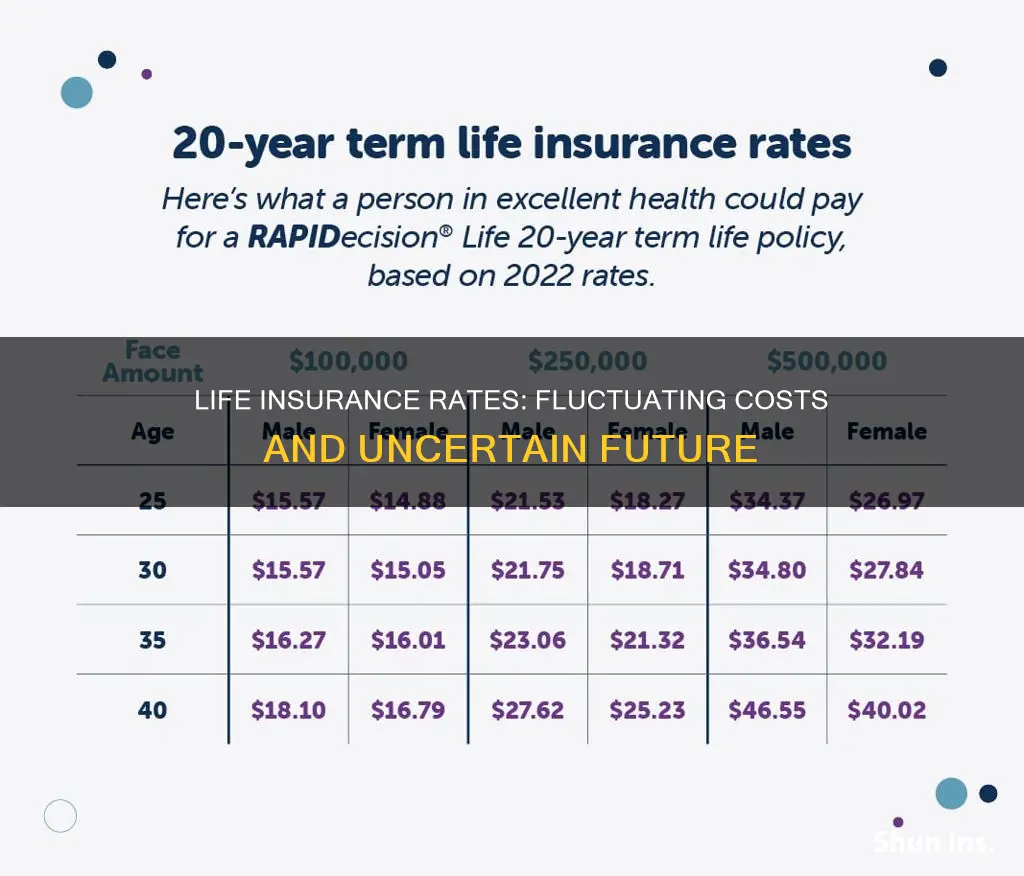
Navigating life insurance after the age of 65 involves understanding how advancing age, changing health profiles, and product structuring dramatically alter pricing, policy availability, and long-term financial commitments compared to policies purchased during younger years.
Purchasing or maintaining life insurance after the age of 65 requires a strategic reassessment of financial goals, as the underlying mechanics of underwriting and risk calculation shift significantly compared to younger demographics. For individuals in this age bracket, life insurance is rarely used for income replacement. Instead, it serves specialized purposes such as covering final expenses, paying off remaining mortgage debt, leaving a legacy, or funding estate taxes. Because the mortality risk increases with every passing year, insurance carriers price policies to reflect a compressed timeframe between policy issuance and expected payout. Consequently, understanding the key cost differences in life insurance for over 65 applicants helps consumers separate affordable, practical solutions from cost-prohibitive products. Below is a detailed examination of the five primary factors that drive cost variations for older adults, along with structural alternatives and purchasing guidance for 2026.
1. Term Life Versus Permanent Life Cost Divergence
The choice between term life insurance and permanent life insurance (such as whole life or universal life) becomes starkly pronounced for individuals over 65. The cost gap between these two product types widens significantly because of how insurers manage long-term risk.
Term life insurance provides coverage for a specific period—typically 10, 15, or 20 years. For a 65-year-old, purchasing a 10-year term policy is often the most cost-effective way to secure a high death benefit to cover temporary liabilities, such as a remaining mortgage or supporting a dependent spouse until retirement funds fully kick in. However, term insurance becomes exponentially more expensive as the term length increases. A 20-year term policy for a 65-year-old means the insurer is taking on risk up to age 85, a period where health events become statistically much more common.
Permanent life insurance, conversely, remains active for the insured's entire life and includes a cash-value component. Because a payout is guaranteed assuming premiums are paid, the baseline cost for permanent insurance at age 65 is substantially higher than term insurance. Furthermore, the cash value accumulation has less time to compound compared to a policy bought at age 35, meaning the policy relies heavily on pure premium cost rather than internal investment growth to sustain itself.
- Term Insurance Advantages: Lower initial cost, predictable level premiums for the duration, ideal for fixed-term debts.
- Term Insurance Disadvantages: Expires without payout if the insured outlives the term; renewing or converting a term policy after age 65 is usually cost-prohibitive.
- Permanent Insurance Advantages: Lifetime protection, guaranteed death benefit, cash value growth that can be borrowed against.
- Permanent Insurance Disadvantages: High initial premiums, complex fee structures, potential for policy lapse if cash value underperforms.
2. Underwriting Severity and Medical Classification Impacts
At age 65, the underwriting process changes from a routine evaluation to a granular assessment of current health status, medical history, and longevity risk. The cost difference between being classified as "Preferred" versus "Standard" or "Substandard" (table-rated) is magnified at this stage of life.
Insurance carriers evaluate blood pressure, cholesterol levels, body mass index (BMI), and laboratory panels. For an over-65 applicant, minor age-related conditions—such as mild hypertension or controlled hyperlipidemia—are common and often manageable underwriting-wise, provided they are well-controlled with medication. However, more serious occurrences like a history of cardiovascular disease, type 2 diabetes, or previous cancers dramatically shift pricing.
Because the baseline cost of insurance is already higher at age 65, a drop from a "Preferred Best" rating to a "Standard" rating can double the monthly premium. For instance, a minor health finding that might have resulted in a mild rate adjustment at age 40 can push an over-65 applicant into a high-risk category, making traditional medically underwritten policies unaffordable or unattainable. This reality drives many older adults toward simplified issue or guaranteed issue alternatives, which bypass medical exams but come with their own cost structures.
3. The Compounding Effect of Age Bands on Annual Premiums
Life insurance pricing is structured around age bands, typically shifting every year or in five-year increments. For applicants over 65, every year delayed in purchasing a policy results in a compounding percentage increase in the base cost of coverage.
When an applicant transitions from age 65 to age 70, the annual mortality tables used by actuaries reflect a steeper curve in risk. A policy that costs a specific baseline amount at age 65 will typically increase by 8% to 12% annually simply due to age progression, even if the insured maintains perfect health. When combined with the broader age-band jumps, waiting even two or three years to secure coverage can permanently price an individual out of desired benefit amounts.
This compounding effect makes shopping proactively at age 65 financially superior to waiting until age 70 or 75. It also highlights the importance of locking in a level-premium policy immediately rather than relying on yearly renewable term structures, where premiums spike annually and quickly become unsustainable for retirees living on fixed incomes.
4. Simplified Issue and Guaranteed Acceptance Cost Trade-Offs
For older adults who cannot pass a traditional medical exam or who wish to avoid invasive underwriting, simplified issue and guaranteed acceptance policies are common market offerings. However, these convenience options introduce distinct cost trade-offs that consumers must carefully analyze.
- Simplified Issue Life Insurance: Requires answering a health questionnaire but no medical exam. Approval is usually granted within days. The trade-off is that mortality risk is priced higher by the insurer to offset the lack of medical records and physical exams, resulting in higher premiums per dollar of coverage compared to fully underwritten policies.
- Guaranteed Acceptance Life Insurance: Requires neither a medical exam nor health questions. Anyone within the eligible age range (typically ages 50 to 85) is approved. Because the insurer takes on unknown health risks, the costs are significantly higher, face amounts are capped (usually between $10,000 and $25,000), and policies feature a graded death benefit. A graded death benefit means that if the insured dies from natural causes within the first two or three years of policy issuance, beneficiaries receive a refund of premiums plus interest rather than the full face value.
| Policy Type | Medical Exam Required? | Health Questions? | Cost Level | Maximum Benefit Typical Range | Graded Death Benefit? |
|---|---|---|---|---|---|
| Fully Underwritten Term | Yes | Comprehensive | Moderate (Lowest for age group) | High ($100,000 to $1,000,000+) | No |
| Simplified Issue Permanent | No | Yes (Short questionnaire) | High | Moderate ($25,000 to $100,000) | Sometimes |
| Guaranteed Acceptance | No | No | Very High (Cost-per-thousand) | Low ($5,000 to $25,000) | Yes (Typically 2–3 years) |
5. Policy Riders and Inflation Protection Add-Ons
When calculating the true cost of life insurance for individuals over 65, base premiums tell only part of the story. Policy riders—optional endorsements that customize coverage—add distinct cost layers that must be weighed against their utility.
Common riders for older adults include accelerated death benefit riders, which allow the policyholder to access a portion of the death benefit early if diagnosed with a terminal illness or chronic care need. While many carriers include basic accelerated death benefit riders at no direct extra cost, chronic illness or long-term care hybrid riders substantially increase the monthly premium.
Additionally, inflation protection riders, which automatically increase the death benefit over time to combat purchasing power erosion, add cost pressure. For a fixed-income retiree over 65, adding multiple riders can turn an affordable final expense policy into a financial strain. It is essential to audit each rider to ensure it directly supports specific estate or personal protection goals rather than adding unnecessary overhead.
Frequently Asked Questions
Can I get an affordable life insurance policy if I am over 65 with managed health conditions?
Yes, many insurers specialize in underwriting older applicants with well-managed conditions like controlled high blood pressure or type 2 diabetes. Working with an independent broker who can shop across multiple carriers allows you to find a company that views your specific health profile favorably, preventing excessive rate-ups.
Is whole life insurance better than term life insurance for seniors?
It depends entirely on your financial objective. If you need coverage strictly for a temporary financial liability that will end within 10 to 15 years, term life is vastly more affordable. If your goal is to leave a permanent legacy or cover lifetime final expenses, whole life or a permanent product is required despite its higher cost.
What is a graded death benefit and why does it affect cost?
A graded death benefit restricts full payout if the insured passes away from natural causes within the first few years of the policy, usually 24 to 36 months. Insurers use this mechanism to mitigate the risk of issuing policies to un-underwritten applicants, allowing them to offer coverage without medical exams while keeping pricing manageable.
How do pre-existing conditions impact burial insurance costs for over 65?
For guaranteed acceptance burial insurance, pre-existing conditions do not impact the cost or acceptance because health is not evaluated. However, for simplified or fully underwritten burial policies, major pre-existing conditions will either increase your premium or require you to opt for a guaranteed acceptance plan.
Can premiums increase on a life insurance policy after I turn 65?
If you purchase a level-term or traditional whole life policy with level premiums, your rates will remain fixed for the duration of the term or your lifetime. However, if you purchase a yearly renewable term policy or a universal life policy with underperforming cash value, your premiums can and will increase as you age.
Conclusion and Next Actions
Securing life insurance after 65 requires balancing financial realism with protection needs. Start by auditing your exact financial liabilities—distinguishing between short-term obligations and permanent legacy goals. Obtain quotes for both fully underwritten term policies and simplified issue permanent products through an independent insurance broker who can compare multiple carriers. Review your health profile honestly before applying to determine whether a medical exam will work in your favor or if a no-exam alternative is necessary. Finally, commit to a level-premium structure to protect your retirement cash flow from unexpected annual price spikes.