Richardson homeowners face unique structural challenges due to North Texas expansive black gumbo clay soil, which swells when wet and shrinks during dry spells, making the selection of qualified foundation repair contractors crucial for protecting property value and structural integrity.
When structural issues arise in North Texas, finding a reliable contractor requires understanding the local geology, common repair methods, and evaluation metrics. Richardson sits squarely on heavy clay soils that exert immense lateral and vertical pressure on concrete slabs and pier and beam foundations. Over time, this cyclical moisture variation leads to foundation settlement, wall cracks, sticking doors, and uneven flooring. Addressing these problems demands licensed, insured professionals who specialize in local soil mechanics. Homeowners must evaluate structural engineers' reports, compare pier installation techniques like steel pilings versus pressed concrete pilings, and examine warranty terms. This guide outlines how to assess foundation issues, what to look for in local contracting professionals, and how to navigate the repair process from initial evaluation to final cleanup.
Understanding the Richardson Soil and Foundation Challenge
The foundation of any home in Richardson, Texas, is only as stable as the soil beneath it. Comprehending local geotechnical conditions explains why foundation repair is a prominent service sector in the region.
The Behavior of Black Gumbo Clay
Black gumbo clay is a expansive soil type prevalent throughout the Dallas-Fort Worth metroplex. When it rains, this clay absorbs moisture and expands significantly, lifting the edges or interior of a foundation. During hot Texas summers, the soil dries out, shrinks, and leaves gaps beneath the concrete slab or pier system, causing sections of the foundation to drop. This constant movement—often called soil cycling—stresses concrete until it fractures.
Common Signs of Foundation Failure
Recognizing the early indicators of structural distress can prevent minor settlement from turning into catastrophic damage. Homeowners should look for:
- Diagonal cracks extending from the corners of doors and windows.
- Gaps forming between exterior brickwork and window frames.
- Sticking doors or windows that refuse to latch or close smoothly.
- Uneven or sloping floors that can be felt underfoot or measured with a level.
- Separation between baseboards and walls or crown molding joints opening up.
Ignoring these warning signs allows stress to transfer to the framing, roof structure, and plumbing lines beneath the slab, significantly increasing repair costs.
Key Services Offered by Richardson Foundation Specialists
Professional foundation companies provide a range of diagnostic and remediation services designed to stabilize shifting structures. Knowing what services to expect helps homeowners filter out unqualified operators.
Structural Engineering Assessments
Reputable foundation repair projects often begin with an independent structural engineer's report. While some foundation companies employ certified technicians who can evaluate damage, hiring a licensed structural engineer provides an unbiased assessment of the home's structural health. An engineer determines whether the damage stems from foundation settlement, plumbing leaks, or framing issues, and provides a precise scope of work.
Pier and Piling Installation
The core of most foundation repair work involves driving structural supports—known as piers or pilings—deep into stable load-bearing soil or bedrock beneath the active clay zone. Contractors typically offer two primary systems:
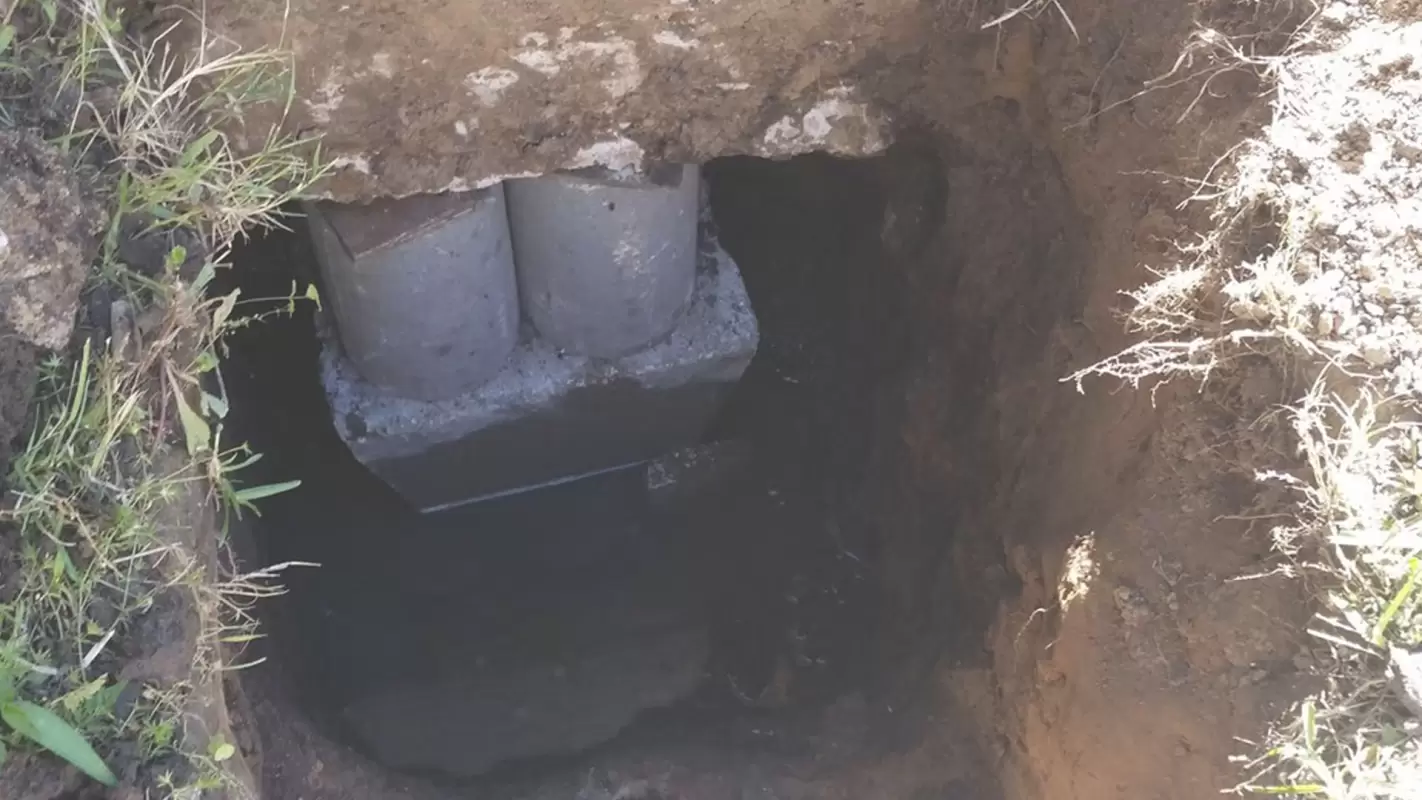
- Pressed Concrete Pilings: Pre-cast concrete cylinders driven into the ground sequentially using the weight of the structure. They are cost-effective and work well in many residential settings.
- Steel Piers: Heavy-duty steel columns driven deep into stable strata using hydraulic pressure. Steel piers can reach greater depths than concrete and are frequently recommended for heavily loaded corners or commercial structures.
Drainage Solutions
Because moisture management is the single most important factor in preventing foundation movement, many contractors offer drainage installation services. This includes installing French drains, surface collection basins, and sump pumps to channel water away from the foundation perimeter, maintaining a more uniform moisture level in the surrounding soil.
Evaluating and Comparing Foundation Contractors
Selecting the right contractor involves vetting their credentials, insurance coverage, and warranty offerings. Homeowners should request multiple bids and evaluate companies based on standardized criteria.
| Contractor Metric | What to Look For | Why It Matters |
|---|---|---|
| Licensing & Engineering | Texas Registered Structural Engineer (P.E.) involvement | Ensures repairs meet engineering standards and local building codes. |
| General Liability Insurance | Minimum $1,000,000 policy with proof of coverage | Protects the homeowner from liability during heavy lifting operations. |
| Worker’s Compensation | Active coverage for all crew members | Prevents homeowner liability if a worker is injured on site. |
| Warranty Terms | Lifetime transferable warranties with clear exclusions | Provides long-term security and adds value if the home is sold. |
| BBB Accreditation | Good standing with the Better Business Bureau | Indicates a history of customer service and dispute resolution. |
Verifying Credentials and Insurance
Never hire a contractor without verifying their current general liability and worker's compensation insurance. Foundation repair involves heavy hydraulic equipment, excavation, and lifting structural loads. Request a certificate of insurance sent directly from the provider to ensure the policy is active. Additionally, check with the Texas Board of Professional Engineers if the company claims engineered solutions.
Understanding Warranty Protection
A strong warranty is standard among reputable Richardson contractors. Homeowners must read the fine print to understand:
- Whether the warranty is transferable to a new owner if the house is sold.
- What costs are covered if adjustments or secondary repairs are required.
- Whether the warranty covers plumbing leaks or acts of nature that disrupt the soil.
The Foundation Repair Process: Step-by-Step
Knowing what to expect during a foundation repair project helps minimize disruption and ensures the job is completed correctly.
- Initial Consultation and Measurement: A technician or engineer evaluates the home, measures floor elevations using a high-precision digital level or transit, and maps out visible wall and brick cracks.
- Engineering Review: If required, a structural engineer reviews the elevation data and writes a formal repair plan specifying the exact number and placement of piers.
- Excavation: Crews dig access holes around the perimeter of the foundation and, if necessary, tunnel beneath interior slab areas to reach trouble spots.
- Pier Driving and Lifting: Hydraulic equipment drives steel or concrete pilings into the earth. Once stable strata are reached, the structure is carefully lifted toward its original elevation.
- Quality Control and Cleanup: Piers are secured, backfilled dirt is compacted to prevent immediate pooling, and concrete or landscaping is restored to pre-project condition.
Frequently Asked Questions About Foundation Repair
How long does a typical residential foundation repair take?
Most standard residential foundation repair projects take between one to three days, depending on the number of piers required and whether interior tunneling is necessary. Complex commercial projects or homes with severe shifting may take longer.
Will my landscaping and flooring be damaged during repairs?
Contractors must dig around the exterior perimeter, which can disturb flower beds, bushes, and walkways. Reputable companies take precautions to minimize landscape damage and restore the work area afterward. Interior lifting can occasionally cause minor drywall hairline cracks or tile grout separation due to the movement of the slab.
Can I stay in my home during the foundation repair process?
Yes. Homeowners can remain in their home during exterior pier installation and lifting. While the work can be noisy and disruptive due to machinery, utility connections generally remain active.
How much does foundation repair cost in Richardson?
Costs vary widely based on the extent of the damage, the number of piers required, and the repair method chosen. Minor repairs involving a few exterior pilings may cost a few thousand dollars, while extensive stabilization projects involving steel piers and interior tunneling can range significantly higher. Obtaining multiple detailed quotes is the best way to establish fair market pricing.
Does homeowners insurance cover foundation repair?
Standard homeowners insurance policies in Texas typically exclude foundation damage caused by settling, soil movement, or tree roots. However, policies may cover foundation damage resulting from sudden plumbing leaks covered under specific endorsements. Homeowners should review their policy details or consult an insurance agent.
Next Actions for Richardson Homeowners
If you suspect foundation issues, start by scheduling professional evaluations with at least three established Richardson-area contractors. Compare their engineering plans, pier specifications, and warranty provisions rather than selecting solely on the lowest price. Maintaining consistent moisture levels around your slab using soaker hoses during dry periods can also help safeguard your investment while you arrange for professional remediation.