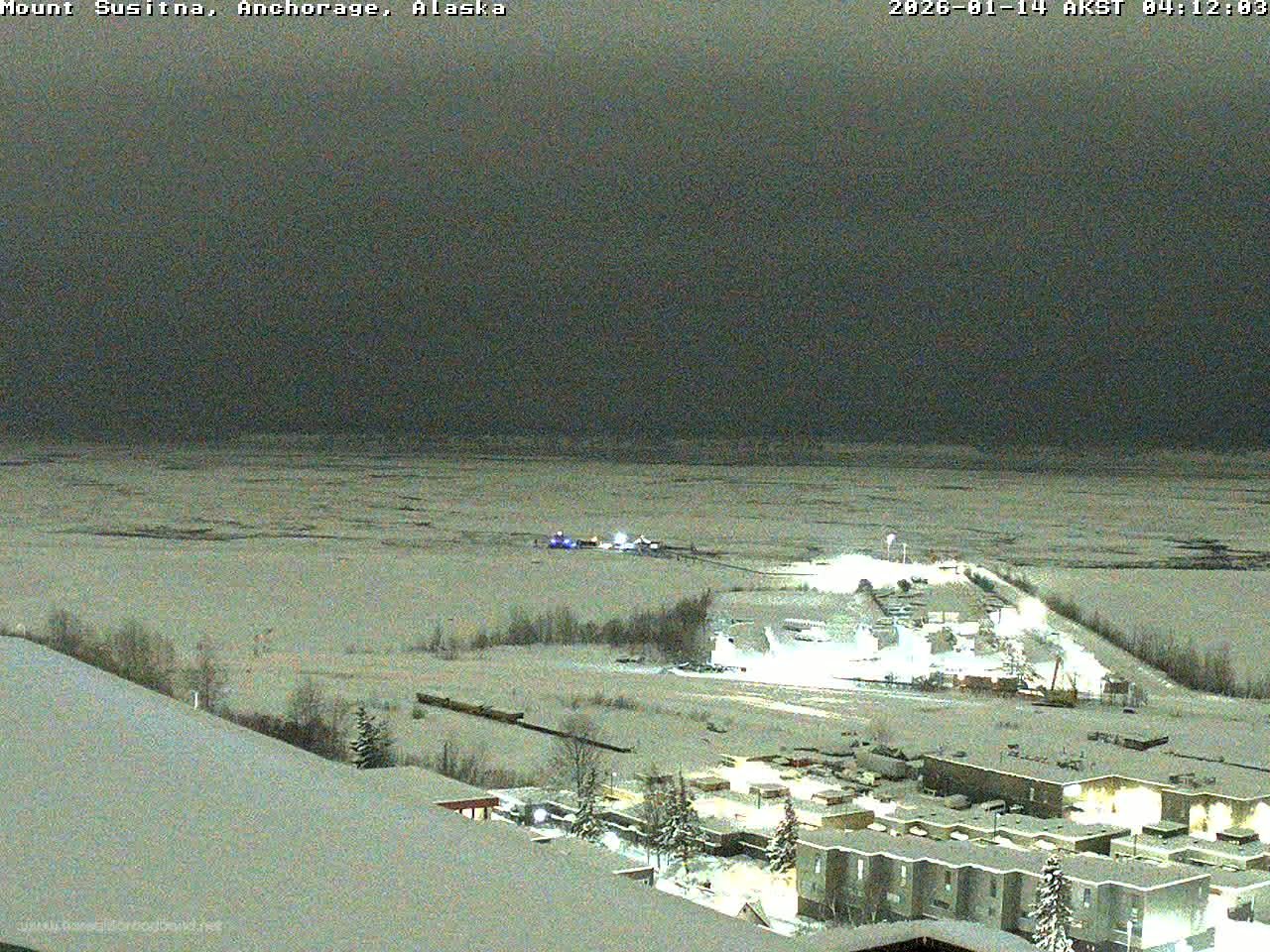
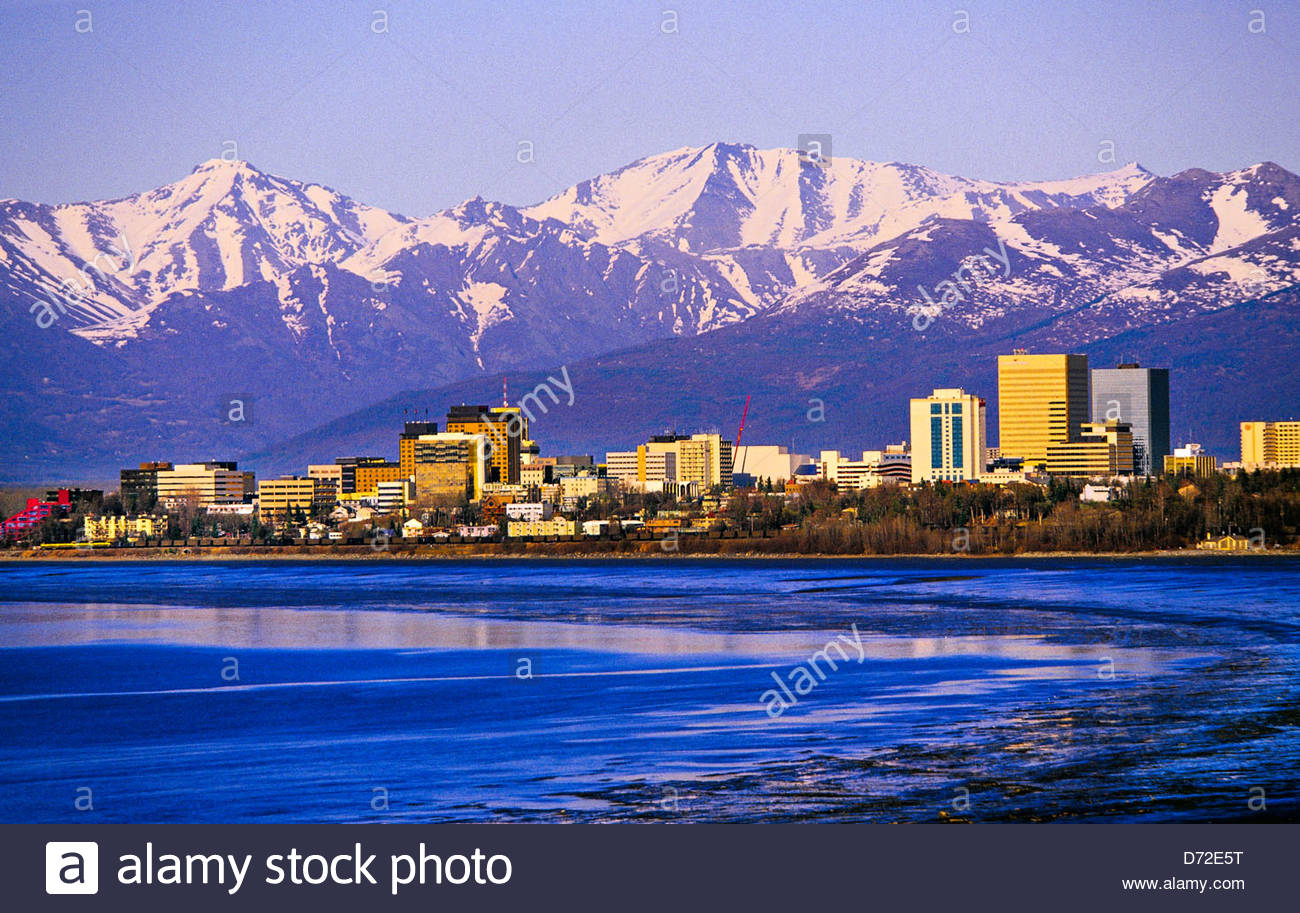
Accessing a downtown Anchorage webcam allows travelers, residents, and weather watchers to view real-time road conditions, current weather, and city events across Alaska's largest metropolitan hub. Maintained by state transportation departments, local hospitality businesses, and aviation networks, these live feeds offer panoramic views of 4th Avenue, Cook Inlet, and the surrounding Chugach Mountains.
Overview of Downtown Anchorage Live Webcams
Downtown Anchorage serves as the cultural, commercial, and transportation crossroads of Southcentral Alaska. Positioned along the shores of Cook Inlet and framed by the dramatic Chugach Mountain Range, the downtown core experiences dramatic seasonal transformations—ranging from 19 hours of summer daylight to crisp, snowy winter days. Live webcam networks situated throughout downtown provide a continuous window into this dynamic environment.
Whether you are preparing for a trip north, checking road conditions before your morning commute, or attempting to gauge cloud cover over Mount Susitna (locally known as "Sleeping Lady"), online video feeds and optical weather sensors provide immediate, ground-level data. The ecosystem of downtown Anchorage webcams consists of three distinct network types:
- Public Safety and Transportation Cameras: Operated primarily by the Alaska Department of Transportation & Public Facilities (DOT&PF), these feeds monitor traffic flow, winter snow accumulation, and road surface conditions along major arterial corridors like 4th Avenue, 5th Avenue, C Street, and L Street.
- Aviation and Meteorological Cams: Managed by the Federal Aviation Administration (FAA) and National Weather Service (NWS), these high-reliability cameras track ceiling heights, visibility, and mountain obstruction around downtown and nearby municipal airfields.
- Commercial and Tourism Webcams: Hosted by local hotels, historic properties, and tourism agencies, these cameras showcase high-definition views of city parks, pedestrian thoroughfares, and scenic marine horizons.
Top Downtown Anchorage Live Camera Locations
To get the most actionable view of downtown Anchorage, it helps to understand where the primary cameras are installed and what each specific angle captures.
- COOK INLET VIEWS (Hotel Captain Cook / Coastal)
- 4TH AVENUE CORRIDOR (Iditarod Start & Historic Dist.)
- CITY CENTER / PARKS (Town Square & 5th/6th Ave)
- SHIP CREEK & PORT AREA (Industrial, Rail & Tidal Cams)
4th Avenue and Historic Downtown Feeds
4th Avenue is the historical heart of Anchorage. Lined with souvenir shops, historic brick structures, and local eateries, this strip is world-famous as the official ceremonial starting point for the annual Iditarod Trail Sled Dog Race held every March, as well as the centerpiece for the Anchorage Fur Rendezvous ("Fur Rondy") festival in late February.
Webcams mounted along 4th Avenue—frequently hosted by local businesses and historic visitor portals—provide direct views of street-level foot traffic, winter snow sculpting sites, and seasonal parade routes. Observing these cameras in winter helps visitors check how much snow cover has accumulated on city sidewalks, while summer views highlight outdoor dining activity and late-night sunlight.
Cook Inlet and Hotel Captain Cook Panoramas
For expansive landscape perspectives, high-altitude webcams mounted on downtown towers provide sweeping views to the west and northwest. Cameras positioned atop landmark structures, such as the Hotel Captain Cook, look out across the mudflats and waters of Cook Inlet toward Mount Susitna and the distant Alaska Range.
These cameras are invaluable for evaluating maritime weather patterns. Viewers can observe tidal fluctuations, winter pack ice floating in Knik Arm, and atmospheric visibility across the basin. During clear summer evenings, these high-angle feeds capture late-evening sunsets that stretch past midnight, while in autumn and winter, they offer a clear view of approaching storm fronts originating in the Gulf of Alaska.
Town Square Park and City Center Corridors
Located near 5th Avenue and E Street, Town Square Park is downtown Anchorage's main public plaza, situated adjacent to the Alaska Center for the Performing Arts. Webcams trained on this central park monitor seasonal landscaping, municipal gatherings, and holiday light installations during the dark winter months.
Feeds looking down the 5th and 6th Avenue corridors allow commuters and delivery operators to evaluate central street conditions. Because 5th and 6th Avenues carry high volumes of east-west traffic connecting the Glenn Highway to downtown and the airport corridor, these views offer immediate feedback on city plowing operations during heavy snowfall events.
Ship Creek and Port of Alaska Feeds
Just north of the downtown bluff lies Ship Creek and the Port of Alaska. Webcams overlooking this lower district capture a mix of industrial activity, railroad movements along the Alaska Railroad depot, and urban salmon fishing.
During summer months, cameras pointing toward Ship Creek allow anglers to visually inspect tide levels and angler crowds during peak king and silver salmon runs. Feeds oriented toward the port display container ships, barge traffic, and ice conditions in upper Cook Inlet, providing a practical glance at the state's central supply chain hub.
Alaska DOT Downtown Traffic Cams (Alaska 511 Network)
The primary source for reliable, year-round road monitoring in downtown Anchorage is the state's official traveler information system. The Alaska 511 system integrates hundreds of closed-circuit television (CCTV) roadside cameras across the municipality.
Key Downtown Intersections Covered
The DOT&PF network strategically positions cameras along critical downtown ingress and egress points. Key camera stations in and around the downtown grid include:
- 5th Avenue and A Street: Captures west-bound commuter traffic entering the downtown commercial core from the Glenn Highway.
- 6th Avenue and C Street: Monitors east-bound traffic exiting downtown toward midtown and residential districts.
- L Street and 5th Avenue: Provides coverage of the western downtown boundary, monitoring traffic moving toward the West Anchorage and airport corridors.
- Ingra Street and 4th Avenue: Captures the eastern approach to downtown, highlighting lane clarity and surface ice near the highway interchange.
Still Images vs. Video Streams
Unlike commercial tourism webcams that stream continuous, high-frame-rate video, state traffic cameras on the 511 portal predominantly publish high-resolution static images refreshed every 5 to 15 minutes. This design choice ensures system reliability during severe weather emergencies when mobile network traffic spikes and bandwidth may become constrained.
Each camera frame published by the 511 system includes time-stamped metadata showing the exact date, time, and ambient temperature at the sensor site. Many dot-operated stations also integrate infrared night vision or high-output roadway illuminators, ensuring drivers can assess road traction and snowpack even during winter nights.
FAA Weather Cams and Aviation Network Integration
Alaska features one of the most comprehensive weather camera networks in the world, engineered by the Federal Aviation Administration to assist visual flight rules (VFR) pilots navigating complex terrain and rapidly shifting weather. The FAA Weather Camera Program maintains several multi-camera installations in the immediate vicinity of downtown Anchorage, notably around Merrill Field (east of downtown) and Lake Hood / Ted Stevens Anchorage International Airport (southwest of downtown).
- FAA WEATHER CAMERA FACILITY
- North View (Downtown Grid)
- East View (Chugach Mts)
- South View (Midtown Hub)
- West View (Cook Inlet)
- Clear-Air Visibility & Cloud Base Evaluation for Aviation
Features of Aviation-Grade Feeds
While designed for pilots, FAA weather cameras serve as an exceptional resource for the general public seeking high-density atmospheric data:
- Multi-Directional Sweeps: A single camera site typically includes four separate lenses oriented North, East, South, and West.
- Clear-Air Visibility Markers: Images frequently feature overlay graphics indicating known distance markers (e.g., downtown skyscrapers at 2 miles, mountain peaks at 10 miles) to help judge visual clarity.
- Historical Loop Playback: Users can step backward through the previous 6 hours of images to track cloud base trends, fog bank movements off Cook Inlet, or snow squall progression across the Anchorage bowl.
- Integrated METAR Data: Feeds are paired directly with official surface weather observations, giving viewers exact readings for wind speed, temperature, dew point, and barometric pressure alongside the optical image.
Comparing Downtown Anchorage Webcam Options
To choose the right camera for your visual or analytical needs, consult the comparison matrix below outlining the major camera providers operating in the downtown area.
| Provider / Network | Primary Coverage Area | Stream Format | Main Purpose | Unique Feature |
|---|---|---|---|---|
| Alaska DOT 511 | Key downtown intersections (5th Ave, C St, L St) | Still Images (5–15 min refresh) | Traffic & Road Conditions | Time-stamped surface weather and temperature data |
| FAA Weather Cams | Merrill Field / Downtown horizon & Chugach Range | Still Images (10 min refresh with loops) | Cloud cover, visibility & atmospheric tracking | 360-degree directional views with distance markers |
| Hotel Captain Cook Cam | Cook Inlet, Mount Susitna, Northwest Downtown | High-Definition Live Video | Scenic viewing, sunsets & tide watching | Panoramic high-altitude horizon perspectives |
| Historic 4th Ave Cams | 4th Avenue pedestrian corridors & streetscapes | Live Video or Rapid Refresh | Local business, parades & event streaming | Prime viewing for Iditarod start and Fur Rondy |
| Port of Alaska / Railroad | Ship Creek, Rail Yards & Upper Knik Arm | Live / Periodic HD Video | Industrial, maritime & fishing monitoring | Direct view of Cook Inlet ice flows and salmon run activity |
Practical Applications for Live Feeds
Monitoring Winter Driving and Snow Clearing
Anchorage receives an average of 75 to 90 inches of snow annually, with major storms dumping a foot or more of heavy accumulation in a single 24-hour period. Checking downtown traffic webcams provides immediate insight into municipal plowing progress:
- Identifying Black Ice: Cameras along the L Street bluff and 5th Avenue show whether lane markers are visible or coated in hard-packed snow and ice.
- Checking Plow Berms: Drivers looking to park on downtown streets can inspect whether street-side parking slots are blocked by snow berms following grader operations.
- Evaluating Visibility: During sudden sea-fog events or heavy snow squalls moving off Turnagain or Knik Arm, webcams reveal localized visibility drops that may not yet appear in regional text forecasts.
Event Planning and Event Watching
Downtown Anchorage hosts several major community and international events throughout the year. Live webcams allow remote viewers and local participants to monitor these events in real time.
- MAJOR DOWNTOWN EVENTS
- LATE FEBRUARY: FUR RONDY
- Snow sculpture monitoring
- Outhouse races & carnival crowds
- MARCH: IDITAROD START
- Street snow-packing checks
- Dog team staging on 4th Ave
- LATE FEBRUARY: FUR RONDY
- Iditarod Ceremonial Start (First Saturday in March): Days before the race, dump trucks deposit hundreds of loads of snow along 4th Avenue. Webcams allow fans worldwide to watch the snow-spreading process, dog team staging, and the ceremonial start as sleds launch down 4th Avenue toward the trail system.
- Anchorage Fur Rendezvous (Late February): Webcams near 4th Avenue and Town Square capture snow sculpture competitions, carnival rides, and street events like the Running with the Reindeer.
- Summer Solstice Festival (June): Feeds around Town Square and 4th Avenue display live music stages, street vendors, and the unusual sight of bright sunshine bathing downtown streets past 10:00 PM.
Aurora Borealis and Low-Light Monitoring
While city lights in downtown Anchorage create light pollution that dampens weak displays of the Northern Lights (Aurora Borealis), high-sensitivity webcams facing north or west over Cook Inlet can occasionally detect strong auroral displays overhead.
For optimal aurora viewing, checking downtown cameras helps evaluate local cloud cover. If downtown cameras show clear skies over Mount Susitna, stargazers know it is worth driving 15 to 20 minutes to darker viewing spots such as Point Woronzof or Glen Alps Trailhead.
Technical Tips and Troubleshooting for Streaming Cams
Live video feeds from remote, subarctic regions can occasionally experience downtime or technical glitches due to severe cold, power fluctuations, or network outages. Follow these guidelines to ensure smooth viewing performance:
Resolving Dark or Blank Screen Issues
- Understand Winter Daylight Constraints: In December and January, Anchorage receives less than 5.5 hours of true daylight. Cameras without specialized low-light sensors or streetlamp illumination may show near-total darkness outside of 10:00 AM to 3:30 PM Alaska Standard Time (AKST).
- Check Browser Media Permissions: Many modern browsers restrict auto-playing HTML5 video streams. If a live stream shows a static black box, click directly on the media player frame to enable interactive playback.
- Disable Aggressive Ad Blockers: Commercial hotel and tourism streams supported by local sponsorship often rely on embedded video scripts. Overly restrictive ad-blocking browser extensions may block the video player element entirely.
Bandwidth Management on Mobile Networks
When accessing webcams over mobile data while traveling in Alaska, streaming uncompressed 1080p video can consume up to 3 gigabytes of data per hour.
- Use DOT and FAA Feeds for Low Data: If you only need to check weather or road conditions, rely on the Alaska 511 portal or FAA Weather Cams. Their static image updates require less than 1 megabyte per refresh, preserving mobile bandwidth in remote areas.
- Adjust Player Quality Settings: On commercial live streams (such as YouTube-hosted municipal cameras), manually select 480p or 720p resolution in the gear icon menu to prevent buffering stutter on weaker cell signals.
Frequently Asked Questions
What is the single best webcam to view downtown Anchorage weather?
For official meteorological clarity, the FAA Weather Camera network site at Merrill Field looking west toward downtown offers the most precise atmospheric data, complete with distance markers and cloud ceiling details. For a visual, scenic weather overview, high-altitude hotel feeds overlooking Cook Inlet provide the broadest view of incoming weather systems.
Can I see the Northern Lights on a downtown Anchorage webcam?
It is difficult but occasionally possible during intense geomagnetic storms (Kp index 5 or higher). Because downtown streetlights produce significant ambient light pollution, commercial and traffic cameras rarely capture faint green glows. However, cameras pointing north over the darker waters of Knik Arm or Cook Inlet can register vivid auroral displays when skies are clear.
How often are the state traffic cameras in downtown Anchorage updated?
The Alaska Department of Transportation (511 system) updates its static roadside camera feeds every 5 to 15 minutes under normal operational parameters. During active winter weather events or maintenance windows, image timestamps on the feed frame allow viewers to verify the freshness of the image data.
Where can I watch the live start of the Iditarod sled dog race online?
Live webcams positioned along 4th Avenue near E Street provide direct views of the ceremonial starting line. Local media outlets, tourism portals, and the official Iditarod Trail Committee frequently stream continuous high-definition video during the ceremonial start on the first Saturday in March.
Why do some Anchorage webcams go offline during severe winter storms?
Subzero temperatures, heavy ice accumulation on lens heating elements, high winds, and utility power disruptions can occasionally cause temporary signal loss on outdoor camera equipment. State and federal networks utilize industrial weather-sealed enclosures, but commercial feeds may experience intermittent downtime during major winter squalls.
Recommended Next Actions
To make full practical use of downtown Anchorage live webcams for trip planning, safety, or leisure:
- Bookmark Primary Portals: Save the Alaska 511 Travel Info page and the FAA Weather Camera Portal to your mobile device's home screen for quick, low-bandwidth road and weather checks while traveling across Southcentral Alaska.
- Cross-Reference Official Weather Reports: Pair camera visuals with current surface marine and terrestrial forecasts provided by the National Weather Service Anchorage Office to understand how visual trends match atmospheric pressure and wind warnings.
- Adjust for Time Zone Differences: Remember that Anchorage operates on Alaska Time (AKST/AKDT), which is 1 hour behind Pacific Time and 4 hours behind Eastern Time. Factor in this time differential when checking daylight conditions or live scheduled events on downtown feeds.