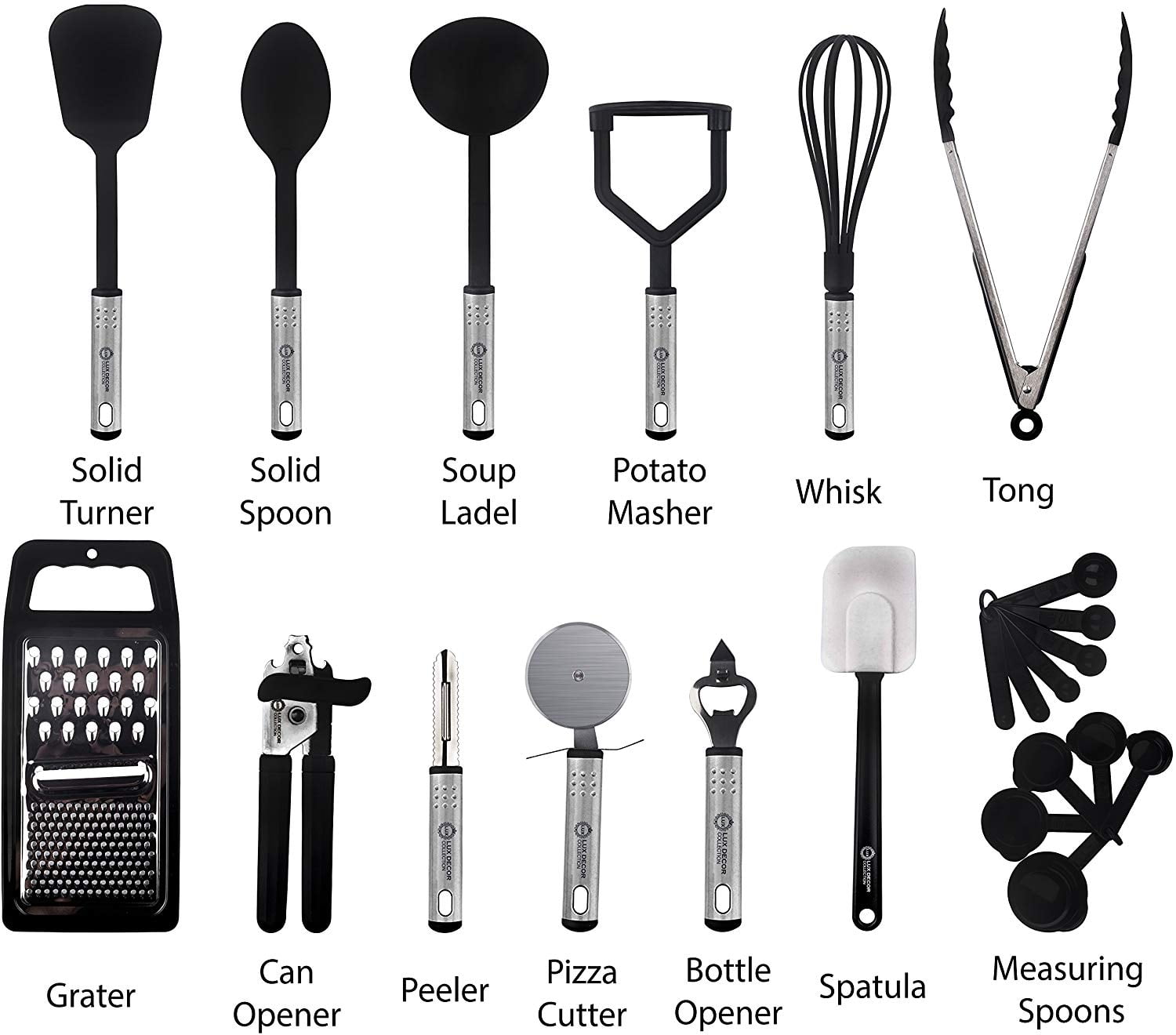
Choosing the right cooking utensils involves balancing durability, heat resistance, and protection for your cookware, with wood, silicone, stainless steel, nylon, and bamboo representing the top five materials available to home cooks.
Selecting the correct tools for your kitchen is just as important as choosing the pots and pans themselves. The interaction between a utensil and a cooking surface can determine whether your favorite non-stick skillet lasts for a decade or gets scratched beyond recognition within a few months. Furthermore, factors like ergonomics, heat tolerance, hygiene, and maintenance requirements vary wildly across different manufacturing materials. Understanding the distinct properties of each medium allows you to curate a versatile, long-lasting toolkit that protects your investment in cookware while optimizing your culinary workflow.
Understanding Kitchen Utensil Requirements
Before diving into specific material profiles, it helps to establish what makes a cooking utensil effective. Kitchen tools face harsh environments: extreme temperatures from boiling water or searing oil, aggressive chemical interactions with acidic foods like tomatoes and citrus, and physical stress from stirring thick batters or scraping browned bits from the bottom of a pan.
The ideal utensil must satisfy several baseline criteria:
- Thermal Stability: It should not melt, warp, or degrade when left resting on the edge of a hot pan.
- Surface Compatibility: It must not scratch delicate coatings, such as polytetrafluoroethylene (PTFE) or ceramic non-stick layers.
- Chemical Inertness: It should not leach unwanted flavors, odors, or toxic compounds into food, nor should it corrode when exposed to acids or salts.
- Ergonomics and Balance: It must offer a comfortable grip and a balanced weight distribution to prevent hand fatigue during extended cooking sessions.
With these criteria in mind, the culinary market has largely converged on five standout materials. Each offers a unique combination of advantages and trade-offs that suit different cooking styles and cookware types.
1. Wood: The Timeless Classic
Wood has been a staple of human kitchens for millennia, and for good reason. Traditional wooden spoons and spatulas remain beloved by professional chefs and home cooks alike due to their natural feel, aesthetic warmth, and functional reliability.
Characteristics and Performance
Wooden utensils are typically crafted from dense hardwoods such as beech, maple, walnut, or olive wood. These hardwoods offer a sturdy, rigid structure that can handle heavy doughs, thick stews, and vigorous stirring without bending. Because wood is naturally soft compared to metals, it is entirely safe for non-stick surfaces, enameled cast iron, and delicate glass bakeware.
Another major advantage of wood is its poor thermal conductivity. Unlike metal spoons, a wooden spoon left resting in a simmering pot of soup will not conduct heat to the handle, preventing accidental burns when you pick it up.
Pros and Cons of Wood
- Pros:
- Gentle on all types of cookware coatings, eliminating scratch risks.
- Stays cool to the touch during high-heat cooking.
- Naturally antimicrobial properties (depending on the specific wood species and finish).
- Aesthetically pleasing and develops a rich patina over time.
- Cons:
- Cannot be cleaned in a dishwasher; high heat and harsh detergents will warp, splinter, and dry out the wood.
- Requires periodic conditioning with food-grade mineral oil or beeswax to prevent cracking.
- Can absorb strong odors and stains from colored foods like turmeric or beets.
2. Silicone: The Modern Heat-Resistant Standard
Silicone has revolutionized modern kitchen accessories. Derived from silica (sand), food-grade silicone is a synthetic polymer that bridges the gap between flexibility and extreme heat resistance.
Characteristics and Performance
Silicone utensils—ranging from spatulas and basting brushes to whisk heads and tongs—are prized for their remarkable thermal resilience. High-quality silicone can withstand temperatures up to 500°F (260°C) or higher without melting or degrading. This makes silicone spatulas ideal for scraping down hot pans, stirring roux, and high-heat sautéing.
The flexibility of silicone allows scrapers to conform to the contours of mixing bowls and saucepans, ensuring zero food waste. Many silicone utensils feature an internal core made of stainless steel or nylon, which provides structural rigidity while retaining a soft, flexible exterior.
Pros and Cons of Silicone
- Pros:
- Exceptional heat resistance suitable for baking and stovetop cooking.
- Completely non-stick surface, making batter release effortless.
- Dishwasher safe and resistant to staining, odor absorption, and bacterial growth.
- Available in a vast array of vibrant colors.
- Cons:
- Can be chewed or punctured by sharp implements or pets.
- Lower-quality silicone fillers can degrade or leach chemicals under extreme heat; purchasing LFGB-certified or platinum silicone is essential.
- Lacks the rigid leverage needed for very dense mixtures like heavy bread doughs.
3. Stainless Steel: The Pinnacle of Durability
When longevity and heavy-duty performance are the primary goals, stainless steel stands unmatched. It is the material of choice for professional back-of-house operations where tools face relentless daily abuse.
Characteristics and Performance
Stainless steel utensils—such as slotted spoons, skimmers, ladles, and turners—are virtually indestructible. They will not bend, crack, melt, rust, or stain. They provide the rigid leverage required to flip heavy steaks, smash burgers, portion thick stews, and strain deep-fried foods.
However, this immense strength comes with a significant caveat: stainless steel is harder than the coatings on non-stick cookware. Using a metal spatula or spoon in a Teflon-coated pan will quickly gouge and ruin the surface. Therefore, stainless steel utensils should be reserved for stainless steel, cast iron, carbon steel, and copper cookware.
Pros and Cons of Stainless Steel
- Pros:
- Unmatched durability and lifespan; a single stainless steel spoon can last a lifetime.
- Completely hygienic, non-porous, and dishwasher safe.
- Can handle extreme temperatures, open flames, and heavy physical loads.
- Cons:
- High thermal conductivity means handles can become dangerously hot if left in a hot pan.
- Will permanently scratch and ruin non-stick and ceramic cookware coatings.
- Can create loud scraping noises against metal pans.
4. Nylon: The Affordable, Non-Stick Safe Alternative
Nylon is a synthetic thermoplastic polymer that offers a practical middle ground for everyday home cooks who rely heavily on non-stick cookware but want something easier to maintain than wood.
Characteristics and Performance
Nylon utensils are molded into a wide variety of shapes, including turners, pasta forks, ladles, and skimmers. Because nylon is softer than metal, it poses zero risk to non-stick coatings, allowing you to flip pancakes or stir delicate sauces with complete peace of mind.
Nylon is lightweight, inexpensive, and generally dishwasher safe. It does not absorb moisture, making it hygienic and resistant to food odors. However, nylon has a lower melting point than silicone or metal—usually around 400°F (204°C). Leaving a nylon turner resting against the hot rim of a skillet can result in melted edges and ruined tools.
Pros and Cons of Nylon
- Pros:
- Budget-friendly and widely available.
- Completely safe for all non-stick and enameled cookware.
- Lightweight and comfortable to handle.
- Dishwasher safe and stain-resistant.
- Cons:
- Prone to melting if left in contact with hot pan edges or high direct heat.
- Can scratch over time, creating micro-crevices where bacteria can accumulate.
- Less rigid than stainless steel or dense wood.
5. Bamboo: The Eco-Friendly Contender
Bamboo is technically a fast-growing grass rather than a hardwood, but it has carved out a massive niche in the kitchen utensil market due to its unique combination of sustainability and strength.
Characteristics and Performance
Bamboo utensils share many functional traits with wood, but with distinct structural differences. Bamboo fibers are naturally harder and denser than many traditional hardwoods, meaning bamboo spoons and spatulas resist scarring and moisture penetration better than soft woods like pine or cheap beech.
From an environmental standpoint, bamboo is an exceptional choice. It matures in just 3 to 5 years and requires no chemical fertilizers or replanting, making it one of the most renewable resources on earth. Like wood, bamboo is completely safe for non-stick surfaces and does not conduct heat to the handle.
Pros and Cons of Bamboo
- Pros:
- Highly sustainable, eco-friendly, and rapidly renewable.
- Denser and less porous than traditional wood, reducing moisture absorption.
- Safe for non-stick cookware and stays cool during cooking.
- Affordable and lightweight.
- Cons:
- Like wood, it must be hand-washed and regularly oiled to prevent drying.
- Can eventually splinter or fray after years of heavy use.
- Rigid profile means it cannot bend or conform to bowl shapes like silicone.
Comparison of Cooking Utensil Materials
| Material | Heat Tolerance | Non-Stick Safe? | Dishwasher Safe? | Best Used For |
|---|---|---|---|---|
| Wood | Medium-High (~400°F) | Yes | No (Hand wash only) | General stirring, soups, risottos, protecting non-stick pans. |
| Silicone | Very High (Up to 500°F+) | Yes | Yes | Scraping bowls, high-heat sautéing, baking, folding batters. |
| Stainless Steel | Extreme (Flame-proof) | No | Yes | Cast iron/stainless steel cooking, flipping heavy meats, deep frying. |
| Nylon | Moderate (~400°F limit) | Yes | Yes | Budget-friendly everyday tasks with non-stick cookware. |
| Bamboo | Medium-High (~400°F) | Yes | No (Hand wash only) | Eco-friendly stirring, serving spoons, salad tosses. |
Building a Balanced Kitchen Toolkit
Rather than relying exclusively on a single material, the most effective kitchen setup combines two or three complementary materials based on your cookware collection.
If your kitchen relies heavily on non-stick aluminum pans, your core toolkit should center around silicone spatulas for high-heat scraping and wooden or bamboo spoons for general stirring. Add a set of nylon turners for flipping delicate fish or eggs.
Conversely, if you primarily cook with raw cast iron, carbon steel, and stainless steel clad pans, you can fully embrace stainless steel utensils for maximum durability and leverage, supplementing them with wood or silicone when working with more delicate reductions or eggs.
Frequently Asked Questions
Can I put wooden utensils in the dishwasher?
No, you should never put wooden or bamboo utensils in the dishwasher. The combination of intense heat, prolonged water immersion, and harsh detergent strips the natural oils from the wood, causing it to warp, crack, and splinter. Always hand wash wooden tools in warm, soapy water and dry them immediately.
What is the safest material for non-stick pans?
Silicone, wood, nylon, and bamboo are all completely safe for non-stick pans. These materials are softer than the coatings applied to non-stick cookware, ensuring they will not scratch or flake the surface. Never use metal utensils on non-stick coatings.
Why do my silicone spatulas melt?
Lower-grade silicone utensils are often blended with plastic fillers that have low melting points. If a silicone tool melts or scorches, it is likely a low-quality product or has been exposed to direct open flames or temperatures exceeding its rated threshold. Always look for high-heat or platinum-grade silicone.
How often should I oil wooden cooking utensils?
You should condition your wooden and bamboo utensils with food-grade mineral oil or beeswax every few weeks, or whenever the wood looks dry, chalky, or feels rough to the touch. This maintains a moisture barrier that prevents splitting and staining.
Are stainless steel utensils better than plastic?
Neither is strictly "better," as they serve different purposes. Stainless steel offers unmatched durability and can handle high heat, but it will ruin non-stick pans. Plastic and nylon tools protect non-stick coatings and stay cool, but they degrade faster and have lower heat limits.