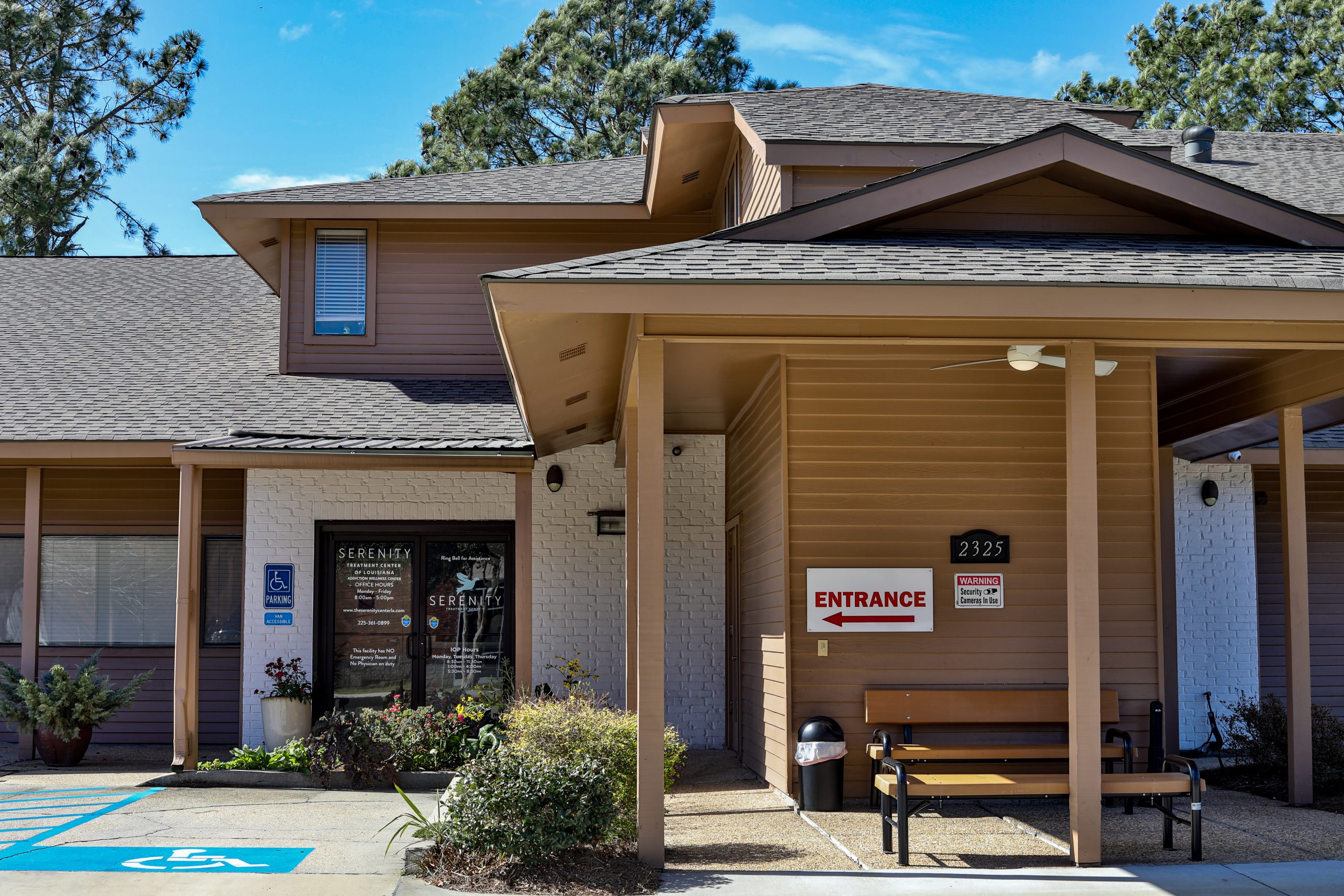
Selecting the right inpatient drug rehab center is a critical step for individuals seeking to overcome substance use disorders. Effective recovery requires a combination of clinical expertise, evidence-based therapies, and a supportive environment tailored to the unique physiological and psychological needs of the patient. This guide evaluates five prominent inpatient facilities known for their comprehensive, long-term approach to treatment.
Understanding Inpatient Rehab and Lasting Recovery
Inpatient drug rehab, or residential treatment, involves living on-site at a clinical facility for a set period, typically ranging from 30 to 90 days or longer. This immersive environment removes the individual from triggers associated with substance use, providing 24/7 medical supervision and a structured schedule of therapy.
Lasting recovery is defined by more than just initial detoxification; it encompasses the development of sustainable coping mechanisms, the resolution of underlying trauma, and the establishment of a robust aftercare plan. The "best" facilities are those that integrate medically assisted treatment (MAT) with holistic therapies and personalized discharge planning to ensure that the transition back to daily life is stable and sustainable.
1. Betty Ford Center (Rancho Mirage, California)
Part of the Hazelden Betty Ford Foundation, this facility is widely regarded for its pioneering work in the "Minnesota Model" of addiction treatment. It emphasizes the 12-step program combined with sophisticated clinical psychology.
The center is particularly notable for its specialized tracks, including services for medical professionals, executives, and individuals dealing with co-occurring disorders. Because it is part of a non-profit system, it prioritizes a research-backed approach that focuses on family involvement and long-term alumni support. Patients receive a thorough bio-psycho-social assessment, which informs their individualized care plan.
2. The Menninger Clinic (Houston, Texas)
The Menninger Clinic provides a high-acuity residential environment that excels in treating complex cases where substance abuse is co-occurring with severe mental health issues. Recognized consistently as a top-tier psychiatric hospital, Menninger offers an "interdisciplinary team" approach.
Each patient works with a core team consisting of psychiatrists, social workers, psychologists, and nursing staff. The facility is well-suited for individuals who have struggled with multiple previous treatment attempts. Its strength lies in its diagnostic precision—ensuring that the root causes of the addiction, such as bipolar disorder or personality disorders, are treated concurrently with the substance use.
3. Caron Treatment Centers (Wernersville, Pennsylvania)
Caron is a recognized leader in specialized treatment programming. They offer distinct residential units based on the patient's specific profile, including young adult programs, gender-specific tracks, and older adult programs.
What sets Caron apart is its aggressive integration of family therapy. They view addiction as a family disease and require—or strongly encourage—intense family participation in the recovery process. Their programming also includes a heavy emphasis on neuro-cognitive recovery, using technology and data to help patients understand how their brain chemistry is impacted by addiction, which serves as a powerful tool for preventing relapse.
4. Sierra Tucson (Tucson, Arizona)
Sierra Tucson is highly regarded for its "Sierra Model," which combines traditional psychiatry with mind-body-spirit healing. Located on a large campus in the Sonoran Desert, the facility utilizes the physical environment as part of the healing process.
The center specializes in treating complex trauma (PTSD) as a foundational element of addiction. By utilizing modalities like equine therapy, biofeedback, and somatic experiencing, patients are encouraged to address the trauma that often drives substance seeking behavior. This focus on "whole-person" healing makes it a premier choice for those seeking to resolve deep-seated emotional wounds alongside clinical addiction treatment.
5. Silver Hill Hospital (New Canaan, Connecticut)
Silver Hill is known for its academic rigor and its affiliation with Yale University School of Medicine. This connection ensures that the treatment protocols are based on the latest findings in psychiatric research and addiction medicine.
The hospital offers intensive inpatient care with a focus on transition management. They provide a "step-down" approach, moving patients from locked inpatient units to sober living or intensive outpatient programs within the same campus structure. This continuity of care is vital for reducing the risk of relapse in the critical weeks immediately following inpatient discharge.
Comparison of Key Features
| Facility | Primary Focus | Notable Approach | Best For |
|---|---|---|---|
| Betty Ford | 12-Step Integration | Family & Alumni Programs | Comprehensive, standard-setting care |
| Menninger | Co-occurring Disorders | Interdisciplinary Team | Complex psychiatric cases |
| Caron | Specialized Tracks | Neuro-cognitive recovery | Age/Gender-specific needs |
| Sierra Tucson | Trauma-Informed | Mind-Body-Spirit healing | Trauma and PTSD-linked addiction |
| Silver Hill | Evidence-Based/Academic | Seamless Step-Down care | Research-backed, high-acuity care |
How to Evaluate a Facility for Your Needs
When choosing an inpatient center, you must look beyond marketing materials. Use the following criteria to verify that a facility is legitimate and well-suited for your specific situation:
- Accreditation: Ensure the facility is accredited by the Joint Commission or the Commission on Accreditation of Rehabilitation Facilities (CARF). These organizations verify that the facility meets rigorous safety and clinical quality standards.
- Staff-to-Patient Ratio: A lower ratio typically implies more personalized care. Ask how often patients meet with their primary therapist and if there is 24/7 access to medical doctors, not just nursing staff.
- Licensure of Staff: Verify that clinical staff members are licensed (e.g., Licensed Clinical Social Workers, Board Certified Psychiatrists, or Certified Addiction Counselors).
- Insurance and Payment: Many premium facilities are private-pay, though some may accept out-of-network insurance. Confirm costs upfront, including any potential "add-on" charges for specialized therapeutic activities.
Frequently Asked Questions
Does insurance cover inpatient rehab? Many insurance plans provide partial or full coverage for inpatient rehab under the Mental Health Parity and Addiction Equity Act. However, coverage often depends on "medical necessity" as determined by your provider. You should call the facility’s admissions team to perform a benefits check before committing.
How long should an inpatient stay last? Clinical research suggests that the best outcomes are associated with stays of at least 90 days. While many insurance providers initially approve 28 or 30 days, effective programs emphasize the importance of extended care or step-down transitions to ensure long-term stability.
What is the role of family in inpatient rehab? Addiction experts universally agree that family involvement is a significant predictor of success. Programs that offer family workshops or therapy sessions help repair relationships and educate family members on how to support their loved one without enabling, which is critical for post-discharge life.
Is detox included in these programs? Most high-end inpatient facilities provide medical detox on-site. It is essential to confirm this, as some residential programs require a patient to be "clean and sober" for several days before admission, necessitating a separate medical detox stay elsewhere.
What happens if a relapse occurs after treatment? Reputable centers view relapse as a potential part of the recovery journey rather than a failure. Many of the listed centers provide alumni support groups and "re-entry" planning. Always ask a facility about their policy on readmission and what aftercare resources they provide for alumni.
Moving Forward
Recovery is a process, not a destination. Once you have identified a facility that meets your clinical needs and financial requirements, the next step is to schedule an intake assessment. During this call, be prepared to discuss your history of substance use, any existing mental health diagnoses, and your current medications. Transparency at this stage allows the clinical team to create a safe and effective plan tailored specifically to you.
Disclaimer: This information is for educational purposes and does not constitute medical advice. If you or someone you know is experiencing a medical emergency, contact local emergency services immediately. Always consult with a licensed healthcare professional or addiction specialist before making decisions regarding your medical treatment.