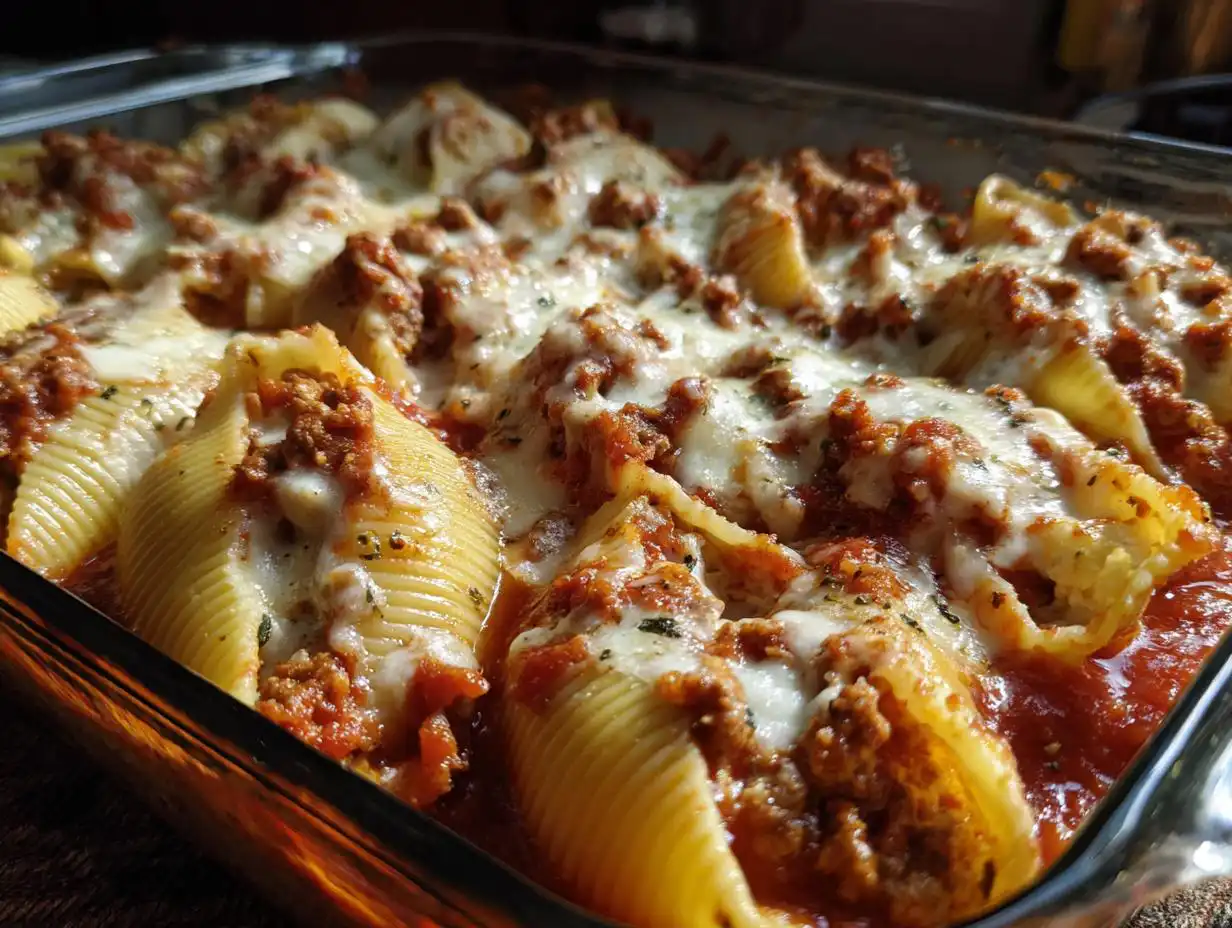
Preparing a comforting pan of stuffed shells in approximately 30 minutes at 350°F requires proper temperature management, strategic layering of ingredients, and the strategic use of pre-cooked components to ensure the pasta remains tender without drying out, while the cheese filling and sauce reach a safe, bubbling serving temperature.
Understanding the Fundamentals of Baking Stuffed Shells
Baking stuffed shells efficiently relies on the thermodynamics of your kitchen oven and the thermal mass of your ingredients. When you set your oven to 350°F (175°C), you are utilizing a moderate, steady heat that gently warms large pasta shells filled with ricotta, mozzarella, parmesan, and herbs without scorching the delicate dairy proteins or turning the exterior pasta into leather.
A 30-minute cooking window is swift for a baked pasta dish, and achieving it requires understanding your starting conditions. If your shells, filling, and marinara sauce are already at room temperature or warm from assembly, 30 minutes in a properly preheated 350°F oven is typically sufficient to heat the dish through and melt the cheese. However, if your dish was assembled ahead of time and refrigerated or frozen, those 30 minutes will not be enough to penetrate the cold center. Recognizing this distinction is the cornerstone of successful meal preparation.
Furthermore, managing moisture is essential. Stuffed shells consist of starches, proteins, and water-heavy sauces. If an oven is too hot (such as 400°F or higher), the surface sauce will splatter and burn before the internal cheese is hot. If the temperature is too low (like 275°F), the dish will steam rather than bake, resulting in soggy, water-logged pasta. Operating at 350°F strikes the ideal balance for a rapid yet controlled bake.
Prerequisites and Preparation for a 30-Minute Bake
To execute a successful 30-minute bake at 350°F, your preparation must be organized and efficient. You cannot complete the entire process—including boiling pasta, mixing fillings, and stuffing shells—from scratch in 30 minutes. Instead, the 30-minute timeframe refers strictly to the oven cooking phase, or assumes you are utilizing prepared components.
Essential Components Check
- Jumbo Pasta Shells: Must be pre-boiled until al dente (usually 8 to 10 minutes) and rinsed in cold water to stop cooking and prevent sticking.
- The Filling: A well-blended mixture of ricotta cheese, shredded mozzarella, grated parmesan, eggs (as a binder), and seasonings (parsley, garlic, salt, black pepper).
- The Sauce: A quality marinara or meat sauce. You will need enough to coat the bottom of your baking dish and spoon over the top of the finished shells.
- The Baking Dish: A standard 9x13-inch glass or ceramic casserole dish provides the optimal surface area for a single layer of stuffed shells.
Temperature Calibration
Verify that your oven is truly at 350°F. Many household ovens have temperature drifts or take longer than indicated to fully saturate their cavity with heat. Using an independent oven thermometer placed on the center rack ensures your 30-minute timeline is accurate. Always preheat your oven for at least 15 to 20 minutes before introducing your casserole dish.
Step-by-Step Execution: Preparing and Baking the Dish
Executing the assembly and baking process methodically ensures that your stuffed shells emerge from the oven with bubbling cheese, a rich sauce, and fully warmed centers.
- Preheat the Oven: Set your conventional oven to 350°F (175°C). Allow sufficient time for the heating elements to cycle off, indicating the target temperature has been reached.
- Prep the Dish: Coat the bottom of a 9x13-inch baking dish with a thin layer of marinara sauce (approximately 1 cup). This prevents the pasta shells from sticking to the glass or ceramic and drying out during the bake.
- Stuff the Shells: Gently open each cooked jumbo shell and fill it with 1.5 to 2 tablespoons of the ricotta cheese mixture. Do not overstuff, or the shells may tear.
- Arrange the Shells: Place the stuffed shells in a single, snug layer across the bottom of the prepared baking dish.
- Top with Sauce and Cheese: Spoon additional marinara sauce evenly over the top of the shells, ensuring every exposed edge of pasta is covered so it doesn't harden in the heat. Sprinkle the remaining mozzarella and parmesan cheese over the top.
- Cover with Foil: Tightly seal the baking dish with heavy-duty aluminum foil. This traps steam, cooking the pasta evenly and preventing the cheese from burning prematurely.
- Bake: Place the covered dish on the center rack of the oven and bake at 350°F for 20 to 25 minutes.
- Brown the Cheese: Remove the aluminum foil during the final 5 to 10 minutes of baking to allow excess moisture to evaporate and the top layer of cheese to turn golden brown and bubbly. Total oven time: approximately 30 minutes.
Baking Time and Temperature Matrix
To help you adjust your strategy based on the preparation state of your stuffed shells, consult the following reference table for baking parameters at 350°F.
| Preparation State | Initial Temp of Dish | Foil Usage | Total Bake Time at 350°F | Final Action |
|---|---|---|---|---|
| Freshly Assembled (Room Temp) | ~70°F (21°C) | Covered for 20 min, Uncovered for 10 min | 30 Minutes | Uncover to brown cheese |
| Refrigerated (Make-Ahead) | ~38°F (3°C) | Covered for 35 min, Uncovered for 10 min | 45 Minutes | Uncover to ensure center is hot |
| Frozen (Thawed overnight) | ~38°F (3°C) | Covered for 35 min, Uncovered for 15 min | 50 Minutes | Check internal center temp |
| Frozen (Straight from freezer) | 0°F (-18°C) | Covered for 60 min, Uncovered for 15 min | 75 Minutes | Not recommended for 30-min window |
Common Mistakes and Troubleshooting
Even with a straightforward recipe, certain common errors can compromise the texture and safety of your baked stuffed shells.
Overcooking the Pasta Initially
If you boil your jumbo shells past the al dente stage, they will absorb too much water and tear when you attempt to stuff them. Worse, they will turn mushy and disintegrate in the oven. Always undercook the pasta by 1 to 2 minutes on the stovetop, as it will continue cooking while baking in the sauce at 350°F.
Cold Centers in Make-Ahead Meals
If you assembled your stuffed shells ahead of time, stored them in the refrigerator, and tried to bake them for only 30 minutes, the outer edges will be boiling while the center remains cold. If baking a cold, refrigerated dish, extend your total cooking time to 45 minutes, keeping the dish covered with foil for the first 35 minutes to prevent burning.
Excessive Water Accumulation
Ricotta cheese and certain brands of marinara sauce contain high moisture content. As the dish bakes, this water releases, pooling at the bottom of the dish. To combat this, ensure your ricotta mixture is well-drained if using fresh ricotta, and use a thick, high-quality marinara sauce rather than a watery, thin variety. Letting the baked dish rest for 10 minutes before serving also allows the sauce to reabsorb into the surrounding starches.
Frequently Asked Questions
Can I bake stuffed shells at 350°F without covering them with foil?
Baking uncovered at 350°F will cause the exposed pasta edges to dry out, harden, and become chewy or crunchy, while the cheese on top may burn before the interior is hot. Using foil for the majority of the baking time traps moisture, ensuring an even texture.
Why do my stuffed shells turn out watery?
Watery stuffed shells are typically caused by excess moisture in the ricotta cheese, un-drained frozen spinach (if added to the filling), or a thin, watery tomato sauce. Always drain excess liquid from mix-ins and let the baked dish rest for 10 minutes to let liquids stabilize before serving.
How do I know when stuffed shells are done cooking?
The dish is fully cooked when the internal temperature reaches 165°F (74°C) in the center, the sauce is actively bubbling around the edges of the pan, and the top layer of cheese is melted and lightly browned.
Can I freeze baked stuffed shells for later use?
Yes. You can freeze stuffed shells either before or after baking. If freezing before baking, assemble them in a freezer-safe dish, wrap tightly, and freeze for up to 2 months. Thaw overnight in the refrigerator before baking at 350°F, adjusting the cooking time as outlined in the matrix.
What is the best way to reheat leftovers?
Individual portions can be reheated in a microwave for 90 to 120 seconds. For larger portions, place them in an oven-safe dish, cover with foil, and bake at 350°F for 15 to 20 minutes until heated through.
Summary and Final Recommendations
Mastering the 30-minute guide to cooking stuffed shells at 350°F depends on proper preparation, temperature verification, and intelligent moisture management. By ensuring your ingredients start at room temperature, utilizing aluminum foil to control steam retention, and allowing the dish a brief resting period after baking, you will achieve a piping-hot, structurally sound, and delicious meal. For best results, invest in an independent oven thermometer to guarantee your 350°F environment is accurate every time you bake.