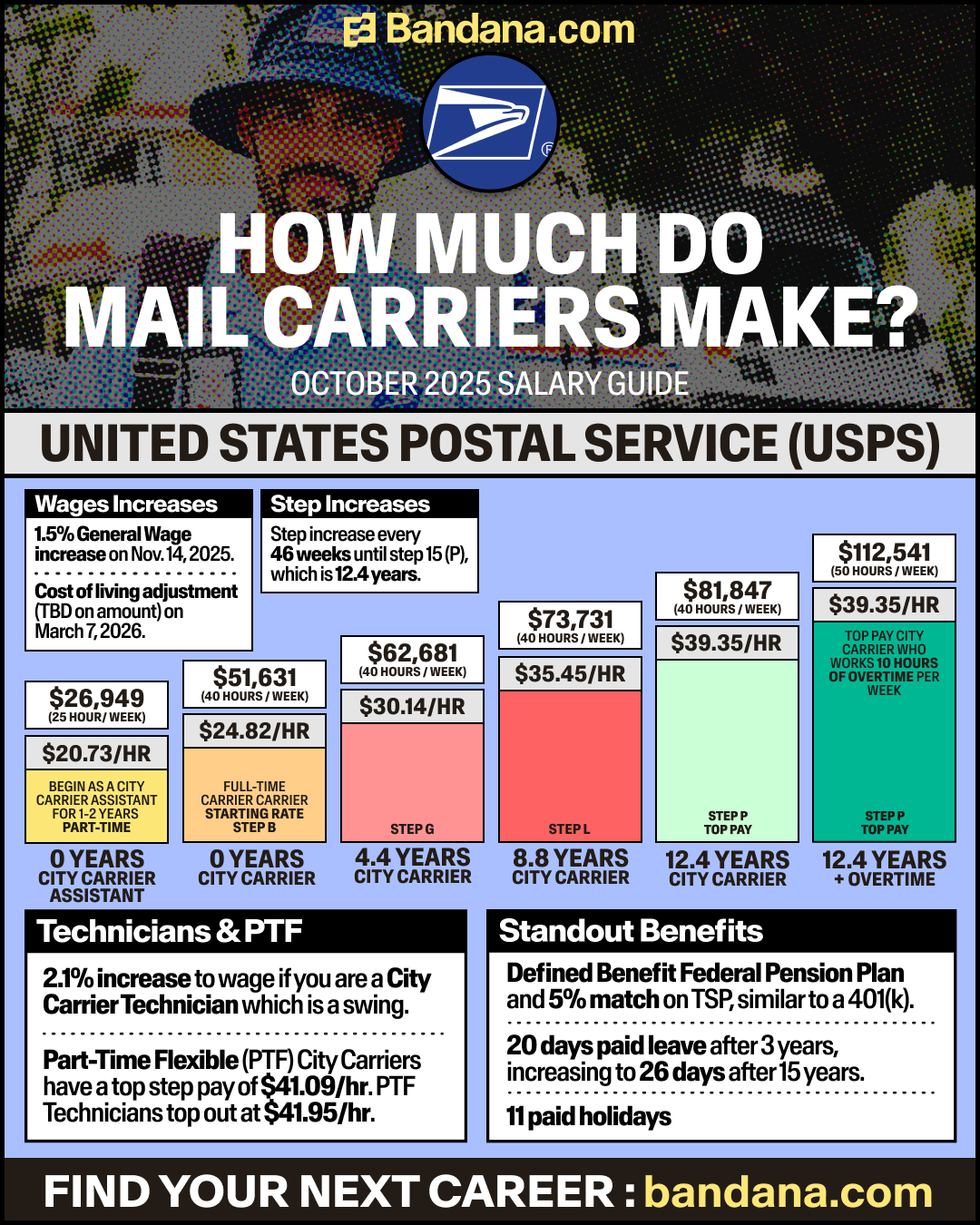
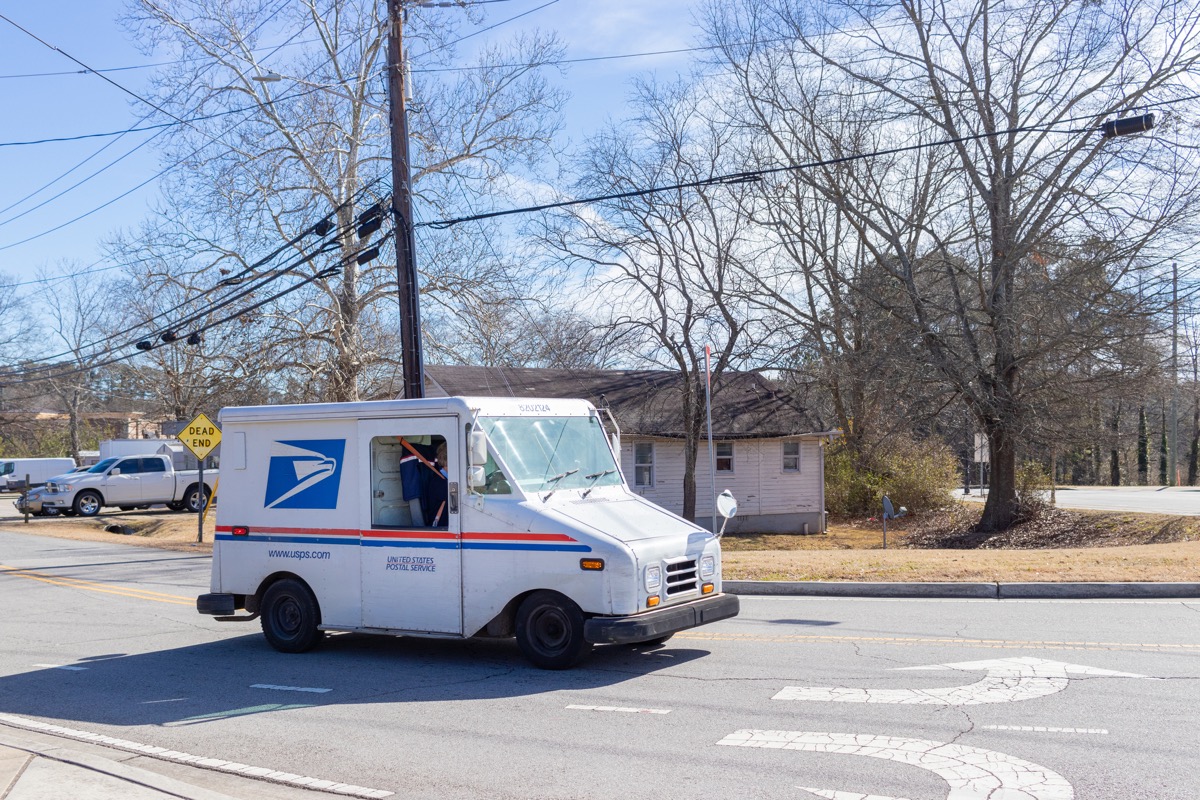
The United States Postal Service (USPS) sets starting pay rates based on specific job classifications, collective bargaining agreements, and geographical location adjustments. Entry-level wages for postal positions vary significantly between non-career roles, such as City Carrier Assistants (CCAs) and Postal Support Employees (PSEs), and career positions like City Carrier, Rural Carrier, and Mail Handler, reflecting different benefit structures and progression timelines.
The Landscape of USPS Employment and Wage Structures
Navigating the financial opportunities within the United States Postal Service requires an understanding of how the organization classifies its workforce. Unlike traditional corporate entities that rely heavily on merit-based or localized performance reviews for initial hiring tiers, compensation at the USPS is heavily institutionalized. It is governed by complex collective bargaining agreements negotiated between postal management and major labor unions, such as the National Association of Letter Carriers (NALC), the American Postal Workers Union (APWU), and the National Rural Letter Carriers' Association (NRLCA).
When evaluating compensation figures, applicants often encounter specific figures associated with hourly wages. While hourly rates form the baseline of postal earnings, total compensation packages must account for variable factors such as overtime policies, Sunday premium pay, night shift differentials, and seasonal fluctuations in mail volume. Furthermore, the postal service employs a distinct dichotomy between career and non-career employees. Non-career employees serve as a flexible workforce designed to absorb peak shipping volumes and cover absenteeism, whereas career employees benefit from structured step increases, federal retirement plans, and comprehensive health insurance options.
Non-Career Versus Career Classifications
To fully grasp how starting pay functions within the postal service, one must distinguish between the entry points available to new applicants. The USPS relies heavily on non-career transitional employees to maintain daily delivery and processing operations.
Non-Career Positions
Non-career roles generally include City Carrier Assistants (CCAs), Postal Support Employees (PSEs) working in processing and distribution centers, Mail Handler Assistants (MHAs), and Rural Carrier Associates (RCAs). These positions typically feature lower initial wage entry points compared to direct-career appointments, though some roles offer pathways to automatic conversion into career status after specified periods or through seniority accumulation. Non-career employees receive limited health benefits compared to career staff and do not participate in the Federal Employees Retirement System (FERS) initially, though their time served often counts toward certain career milestones upon conversion.
Career Positions
Direct-career appointments, when available, offer immediate entry into the formal postal pay schedules (such as the Postal Service Schedule or Mail Handlers Schedule). Career employees start at Step A of their respective grade level and progress automatically through annual or biannual step increases, provided they maintain satisfactory service records. These positions include full federal benefits, Thrift Savings Plan (TSP) matching contributions, sick leave, annual leave, and eligibility for federal health and life insurance programs.
Breakdown of Major Entry-Level Postal Positions
The starting wage for any given postal position is tied directly to the specific craft and the operational requirements of the facility or post office. Below is a detailed breakdown of the primary entry-level roles within the postal service ecosystem.
City Carrier Assistants (CCAs)
City Carrier Assistants deliver mail on foot or via postal vehicles in urban and suburban areas. CCAs are non-career hourly employees. Their compensation is negotiated under the NALC national agreement. CCAs do not operate on the standard career step schedule; instead, they receive fixed hourly rates that are periodically adjusted through cost-of-living adjustments (COLAs) and contractual raises. CCAs are frequently scheduled for substantial overtime during peak seasons, significantly increasing their gross annual earnings beyond the baseline hourly rate.
Postal Support Employees (PSEs)
Postal Support Employees work inside postal facilities, sorting mail, operating automated processing equipment, and handling retail window operations in post offices. PSEs are represented by the APWU. Their starting pay rates vary based on the operational group and occupational code assigned to their specific facility. PSEs also have structured pathways toward conversion to career status, typically triggered by local agreement caps or maximum operational timeframes.
Mail Handler Assistants (MHAs)
Mail Handler Assistants perform physical material handling, heavy lifting, and equipment loading within major mail processing plants. Represented by the National Postal Mail Handlers Union (NPMHU), MHAs handle the logistical backbone of bulk mail transport. Starting pay for MHAs reflects the physical demands and shift-work nature of plant environments, often including differentials for working evening, night, or early morning hours.
Rural Carrier Associates (RCAs)
Rural Carrier Associates deliver mail on designated rural routes. Unlike city carriers who are typically paid a strict hourly rate for all hours worked, RCAs may be compensated via an hourly rate or through evaluated route systems depending on their specific assignment status. RCAs use their own vehicles on many routes, for which they receive a Maintenance Allowance (EMA) designed to offset fuel and wear-and-tear expenses.
Comparative Overview of Postal Craft Pay Structures
| Position Title | Union Representation | Employment Type | Typical Starting Pay Structure | Key Benefits Included |
|---|---|---|---|---|
| City Carrier Assistant (CCA) | NALC | Non-Career Hourly | Fixed hourly rate per national agreement; periodic contractual raises | Limited health benefits, annual leave accrual |
| Postal Support Employee (PSE) | APWU | Non-Career Hourly | Hourly rate based on occupational group and facility | Limited health benefits, holiday pay for select holidays |
| Mail Handler Assistant (MHA) | NPMHU | Non-Career Hourly | Hourly rate with night/weekend shift differentials | Limited health benefits, annual leave accrual |
| Rural Carrier Associate (RCA) | NRLCA | Non-Career / Temporary | Hourly or evaluated route rate plus Equipment Maintenance Allowance | Route vehicle allowance, flexible scheduling |
| Career City/Rural Carrier | NALC / NRLCA | Career Hourly / Graded | Step-based progression starting at Step A | Full FERS retirement, TSP matching, comprehensive health/life insurance |
Factors Influencing Postal Compensation
Several external and internal variables influence the actual take-home pay and earning potential of a postal worker beyond the base starting wage.
Geographical Adjustments and Cost of Living
The United States Postal Service operates in thousands of distinct labor markets. In high-cost-of-living metropolitan areas—such as New York City, San Francisco, or Seattle—recruitment and retention challenges have historically prompted adjustments or localized pay enhancements to attract sufficient applicant volume. Conversely, rural installations adhere strictly to standard national pay scales without regional locality add-ons, though localized labor shortages can occasionally lead to expedited conversion timelines for non-career staff.
Overtime, Penalty Overtime, and Premium Pay
Federal labor standards and postal union contracts dictate strict rules regarding overtime compensation. Under the Fair Labor Standards Act (FLSA) and postal agreements, hours worked beyond 8 hours in a single service day or 40 hours in a service week are compensated at 1.5 times the regular hourly rate. Furthermore, penalty overtime pay—compensating work at double the regular rate—applies under specific conditions, such as working excessive hours during December peak mailing periods or working outside scheduled days off. Sunday premium pay and night shift differentials provide additional hourly increments for employees working non-standard hours.
Application, Hiring, and Onboarding Realities
Securing a position with the United States Postal Service involves a standardized, highly regulated application process managed entirely through the official USPS Careers Portal. Understanding this workflow helps applicants navigate initial hurdles effectively.
The Application Process
- Search and Filter: Applicants search for open positions by city, state, or facility type using the online portal. Every posting lists specific job requirements, working hours, and the exact starting hourly rate for that vacancy.
- Online Assessment: Most operational positions require completion of a proctored or online postal examination (such as Exam 474, 475, 476, or 477). Scores dictate interview eligibility, making preparation essential.
- Background Screening: Conditional job offers are contingent upon passing a comprehensive criminal background check, motor vehicle record evaluation (for driving positions), drug screening, and physical fitness assessment.
- Onboarding and Training: New hires undergo classroom instruction and on-the-job training covering safety protocols, delivery standards, and mail sorting procedures before beginning independent work.
Frequently Asked Questions
Do USPS starting pay rates change every year?
Postal wages are determined by multi-year collective bargaining agreements negotiated between postal unions and management. These contracts typically dictate scheduled general wage increases, cost-of-living adjustments (COLAs) calculated from the Consumer Price Index, and step progression updates across the life of the agreement.
Are non-career postal workers eligible for health insurance?
Yes, non-career employees (such as CCAs, PSEs, and MHAs) are eligible to enroll in the USPS Non-Career Health Benefits Plan upon initial hire or during open season periods. After completing a designated period of continuous service, they may also gain access to broader Federal Employees Health Benefits (FEHB) options at subsidized rates.
How long does it take for a non-career employee to convert to career status?
Conversion timelines vary significantly based on the specific craft, local attrition rates, and national collective bargaining caps. Some agreements mandate automatic conversion for non-career employees after a specified number of 360-day appointment terms, while others rely on relative seniority lists as full-time career vacancies open up within an installation.
Does the postal service pay for vehicle maintenance on rural routes?
Rural carriers and RCAs who utilize their personal vehicles to deliver mail on evaluated rural routes receive a tax-free Equipment Maintenance Allowance (EMA). This allowance is calculated either per mile driven or as a daily minimum rate, designed to offset the operational costs of fuel, maintenance, and vehicle depreciation.
What qualifications are required to apply for an entry-level postal job?
Applicants must be at least 18 years of age (or 16 for specific high school work programs), hold a valid state driver's license for driving positions, pass a criminal background check, and be a U.S. citizen or permanent resident alien authorized to work in the United States. No prior postal experience is required for entry-level non-career roles.
Next Steps for Prospective Applicants
For individuals seeking employment within the postal service, the primary course of action is to monitor active local listings on the official USPS careers website. Because vacancies are posted locally to address specific staffing deficits within individual post offices and processing plants, checking the portal frequently ensures timely submission before application caps are reached. Reviewing specific job descriptions closely will clarify exact starting wages and operational expectations for each unique facility.