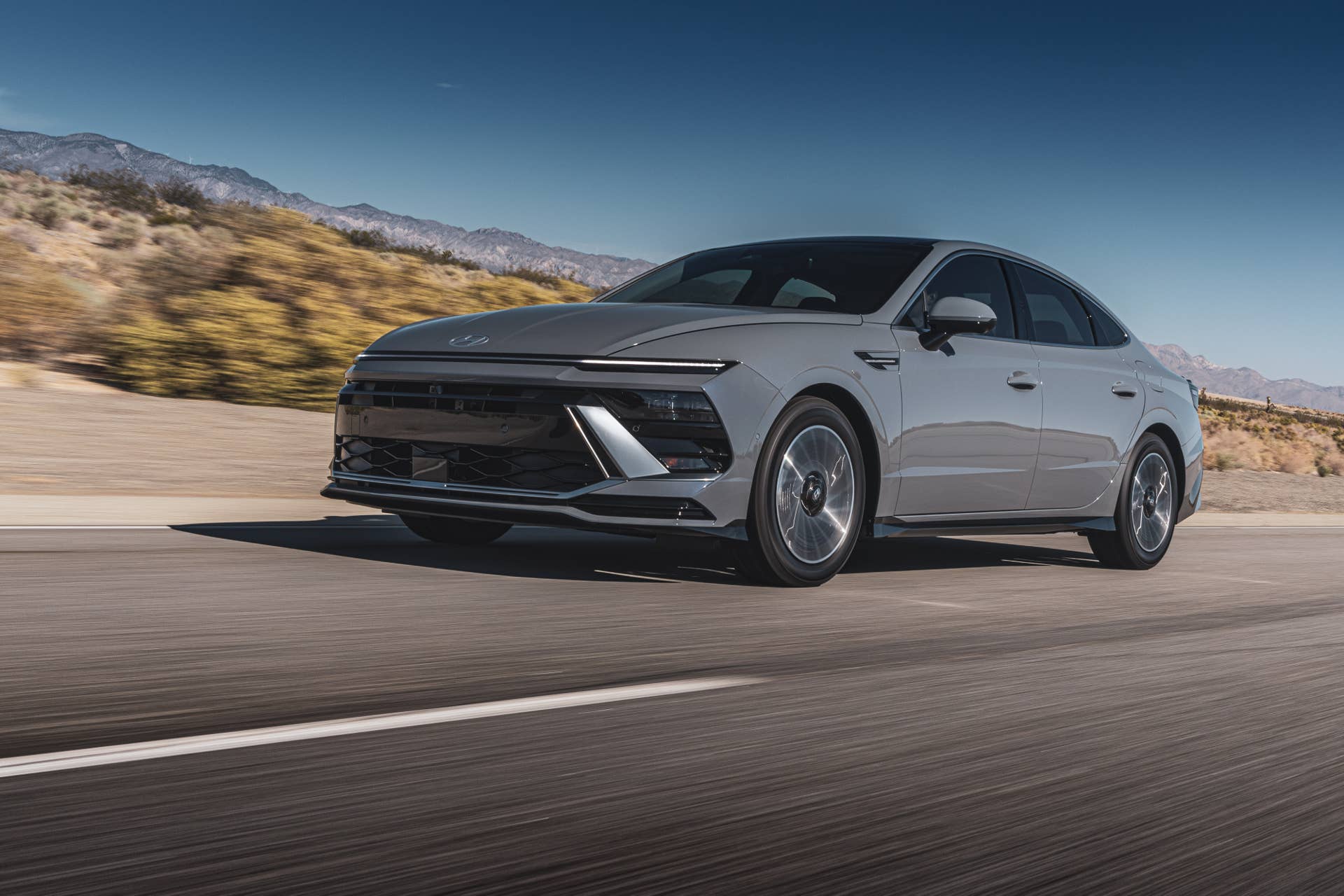
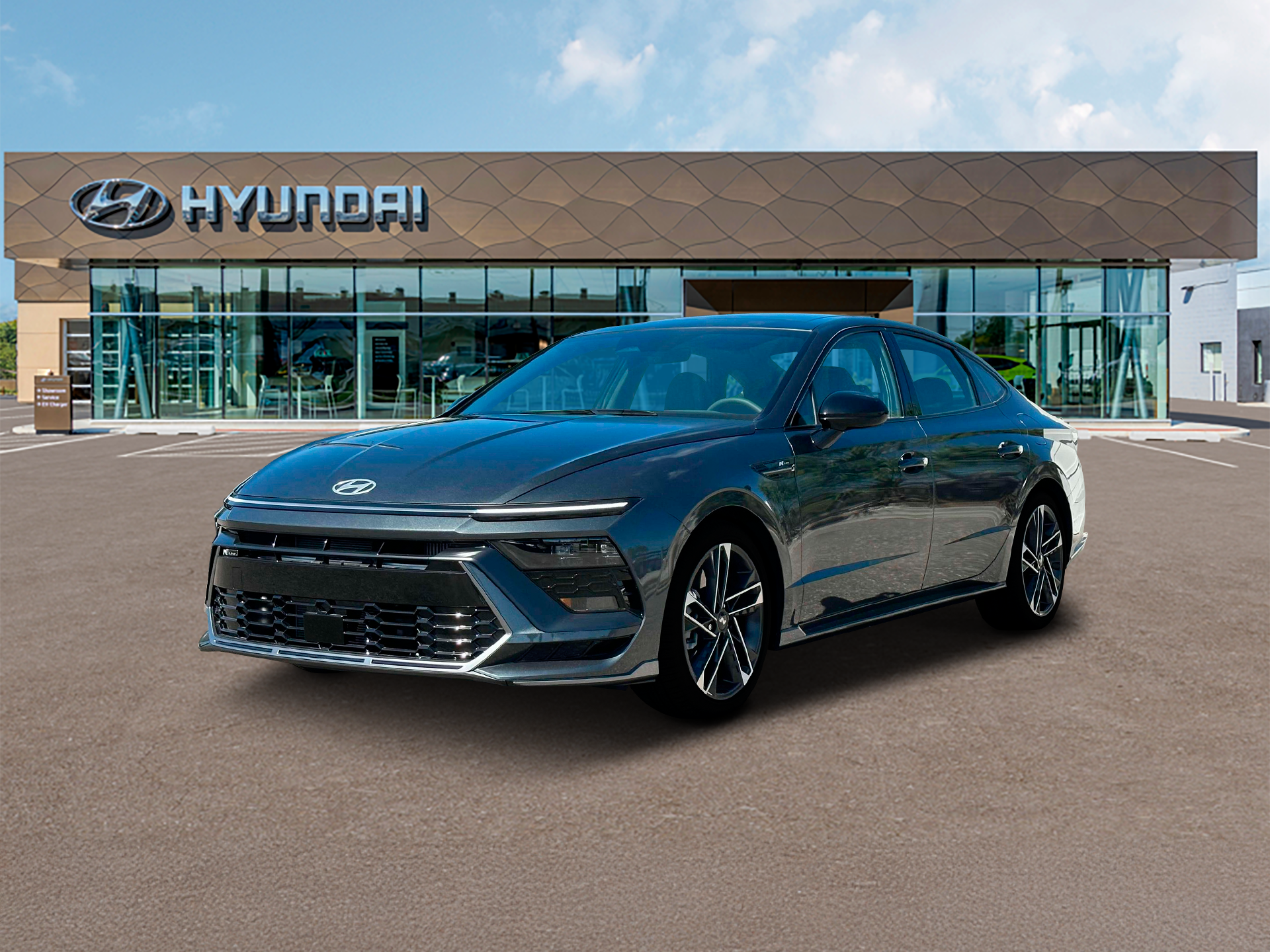
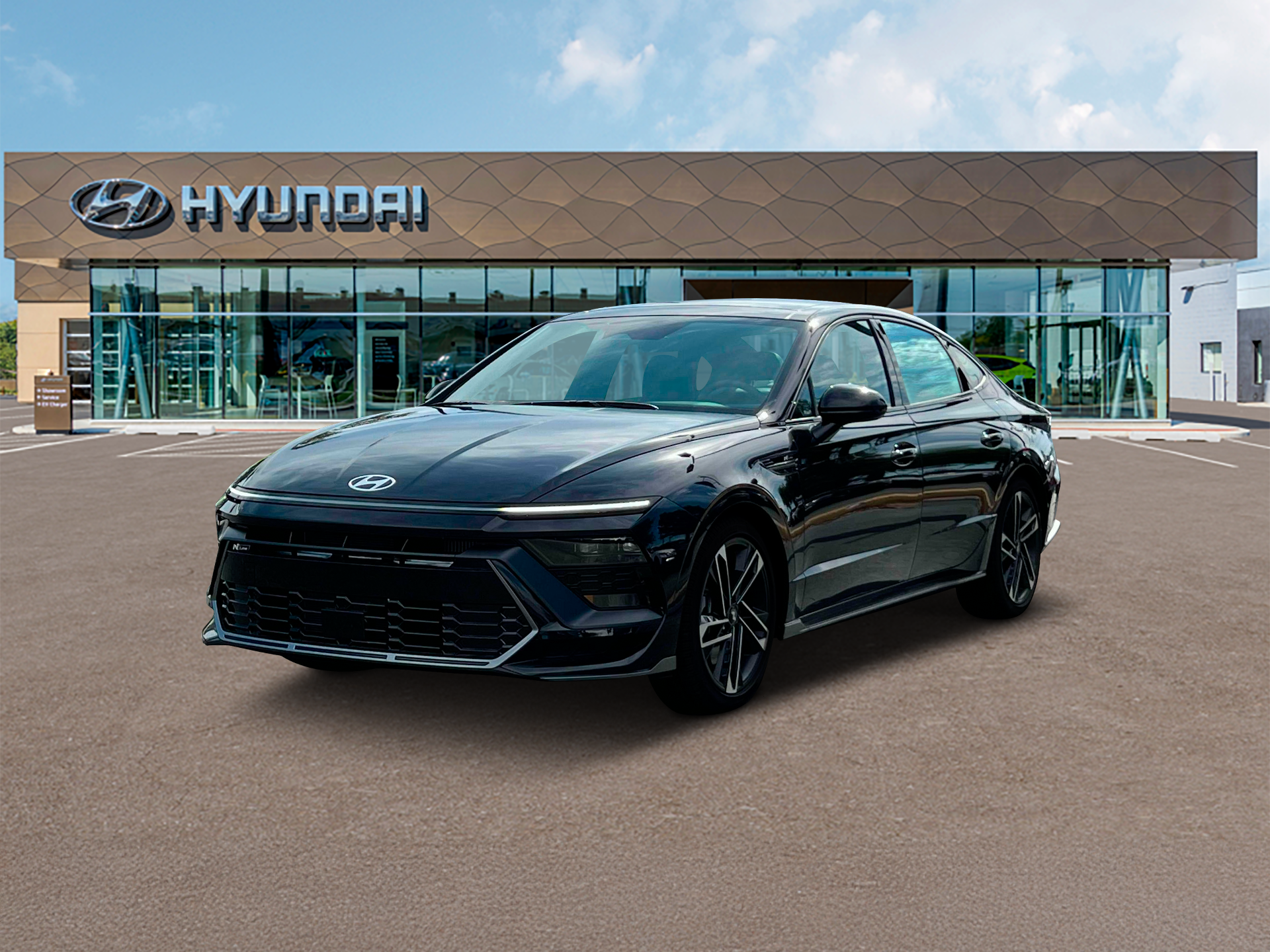
The 2025 Hyundai Sonata N Line achieves a 0-60 mph acceleration time of approximately 6.0 to 6.2 seconds, powered by its robust 2.5-liter turbocharged engine and an 8-speed wet dual-clutch transmission that channels 290 horsepower to the front wheels.
When automotive enthusiasts and prospective buyers research high-performance midsize sedans, the acceleration metrics of the sport-tuned variants often take center stage. The Sonata N Line represents Hyundai’s aggressive push into the sporty sedan market, blending everyday practicality with track-inspired styling and enhanced mechanical capabilities. To understand how the 2025 iteration performs from a standstill to sixty miles per hour, it is essential to examine its powertrain configuration, chassis engineering, tire compounds, and real-world environmental factors that influence straight-line speed.
Powertrain Specifications and Engineering Foundations
The foundation of the 2025 Hyundai Sonata N Line's straight-line performance lies beneath its sculpted hood. Unlike the standard Sonata models, which rely on a naturally aspirated 2.5-liter four-cylinder engine or an available hybrid system, the N Line is equipped with a fierce 2.5-liter turbocharged GDI (Gasoline Direct Injection) four-cylinder engine.
This powerplant generates a robust 290 horsepower at 5,800 RPM and an impressive 311 lb-ft of torque available across a broad band from 1,650 to 4,000 RPM. This low-end torque delivery is critical for the vehicle's 0-60 mph acceleration, as it allows the turbocharger to spool quickly and shove the car forward from a dead stop without requiring excessive engine revving.
| Specification | 2025 Sonata N Line Detail |
|---|---|
| Engine Type | 2.5L Turbocharged GDI 4-Cylinder |
| Horsepower | 290 hp @ 5,800 rpm |
| Torque | 311 lb-ft @ 1,650–4,000 rpm |
| Transmission | 8-speed Wet Dual-Clutch Transmission (N DCT) |
| Drivetrain | Front-Wheel Drive (FWD) |
| Estimated 0-60 mph | 6.0 - 6.2 seconds |
Mated to this engine is an 8-speed wet dual-clutch transmission, designated as the N DCT. Unlike traditional torque-converter automatics, a dual-clutch transmission uses two separate clutches for odd and even gears, enabling lightning-fast gear changes that minimize interruption in power delivery. The "wet" designation means the clutch pack is bathed in oil for better cooling and thermal management, which is vital during aggressive driving or repeated launch sequences.
Analyzing the 0-60 MPH Acceleration Dynamics
Achieving a clean 0-60 mph run in the 2025 Sonata N Line requires an understanding of its front-wheel-drive layout. Putting 290 horsepower and 311 lb-ft of torque exclusively through the front wheels presents unique engineering challenges, primarily managing traction off the line.
When a driver pushes the throttle to the floor from a complete stop, the front tires experience a sudden surge of torque. Without all-wheel drive to distribute power to the rear, the front tires can easily break traction, resulting in wheel spin if the electronic stability control systems and throttle mapping are not managed effectively. Hyundai incorporates launch control functionality into the N Line's software suite to mitigate this. Launch control regulates engine RPM and clutch engagement to optimize wheel slip, ensuring the vehicle hooks up and launches forward with minimal wasted energy.
In optimal track conditions with a skilled driver utilizing launch control, automotive testing outlets have consistently timed the Sonata N Line in the low-6-second range, typically hovering between 6.0 and 6.2 seconds. While pure-electric vehicles and all-wheel-drive sports sedans may post quicker figures, this performance is exceptionally strong for a front-wheel-drive midsize family sedan, offering plenty of passing power and brisk acceleration for highway merging.
Chassis Enhancements and Handling Dynamics
Straight-line acceleration is only one dimension of the 2025 Sonata N Line's dynamic portfolio. To handle the increased power output safely and provide an engaging driving experience, Hyundai equipped the N Line with comprehensive chassis and suspension upgrades compared to the base Sonata trims.
The vehicle features stiffer engine and transmission mounts, thicker anti-roll bars, and a uniquely tuned sport suspension with Frequency Sensitive Damping (FSD) valves. These dampers adjust fluid flow based on road inputs, tightening up during aggressive cornering to reduce body roll while maintaining a reasonable level of compliance over highway imperfections.
Furthermore, the steering system utilizes a rack-mounted, motor-driven power steering setup (R-MDPS) calibrated specifically for the N Line. This provides heavier, more direct feedback to the driver, enhancing confidence when navigating winding backroads or maintaining high-speed stability. Stopping power is equally important when dealing with high acceleration capabilities; the N Line features larger front and rear brake rotors compared to standard models, ensuring reliable deceleration and resistance to brake fade during spirited driving sessions.
Real-World Factors Influencing Acceleration Times
A manufacturer's or tester's claimed 0-60 mph time is established under controlled, ideal conditions. In day-to-day driving, several variable factors can influence how quickly the 2025 Sonata N Line reaches sixty miles per hour.
- Tire Condition and Compound: The factory-installed tires (often all-season performance tires or optional summer performance tires) dictate how much grip is available. Worn treads or cold temperatures significantly reduce traction, leading to increased wheel spin during hard acceleration.
- Ambient Temperature and Altitude: Internal combustion engines rely on dense oxygen for combustion. High ambient temperatures and elevated altitudes (such as driving in mountain regions) reduce air density, resulting in a noticeable drop in engine power and slower acceleration times.
- Fuel Quality: Using premium gasoline (91 octane or higher) allows the engine control unit to optimize ignition timing and turbo boost pressure safely. Running on lower-octane regular fuel may cause the engine to pull timing to prevent knock, slightly impacting peak performance.
- Vehicle Weight and Cargo: Carrying additional passengers, heavy cargo, or maintaining a full tank of fuel increases the vehicle's mass, requiring more energy to accelerate the chassis.
Comparing the N Line to Competitors in the Midsize Sport Sedan Segment
The midsize sport sedan market features several distinct competitors, each balancing performance, comfort, and utility differently. While traditional V6 options have largely faded from this class, turbocharged four-cylinder engines and hybrid setups dominate.
When measured against rivals like the Honda Accord Sport, Toyota Camry (which features an updated hybrid powertrain for recent model years), and Subaru Legacy Sport, the Sonata N Line generally holds a distinct horsepower advantage. Many competitors in this class prioritize fuel economy or all-weather traction over outright straight-line acceleration. The Accord offers balanced handling but lower horsepower figures, while the Sonata N Line leans heavily into its performance identity, offering a more aggressive exhaust note, bolder styling cues, and a transmission tuned explicitly for driving engagement.
Frequently Asked Questions
Does the 2025 Hyundai Sonata N Line have all-wheel drive?
No, the 2025 Sonata N Line is strictly a front-wheel-drive (FWD) vehicle. While some competitors offer all-wheel drive, Hyundai utilizes an electronic stability control system and advanced torque management to help channel the engine's 290 horsepower through the front wheels efficiently.
How do I activate launch control on the Sonata N Line?
To use launch control, the vehicle must be warmed up and operating on a dry surface. Switch the drive mode to Sport or Sport+, deactivate the traction control system (ESC), hold the brake firmly with your left foot, press the accelerator fully to the floor with your right foot to set the launch RPM, and release the brake pedal.
What kind of fuel does the Sonata N Line require?
The 2.5-liter turbocharged engine can run on regular 87-octane gasoline, but premium 91-octane or higher fuel is recommended to achieve peak horsepower and optimal engine performance across all operating conditions.
Is the Sonata N Line considered a true sports car?
The Sonata N Line is classified as a sport-tuned midsize sedan rather than a dedicated sports car. It retains the four-door practicality, spacious cabin, and generous cargo capacity of a standard family sedan while incorporating performance-oriented mechanical upgrades.
What is the top speed of the 2025 Sonata N Line?
The top speed of the 2025 Hyundai Sonata N Line is electronically limited to approximately 155 mph (250 km/h), matching the standards of German sport sedans in its class.
Practical Next Steps for Prospective Buyers
If you are evaluating the 2025 Hyundai Sonata N Line for purchase, the most effective next step is to schedule a test drive at a local dealership. Pay close attention to how the low-end torque feels when pulling away from stops and during highway passing maneuvers. Ensure that the front-wheel-drive layout and firmer sport suspension align with your daily driving environment and comfort preferences. Additionally, review insurance rates for sport-trimmed sedans, as insurance premiums for the N Line may differ from those of standard commuter models due to its performance classification.