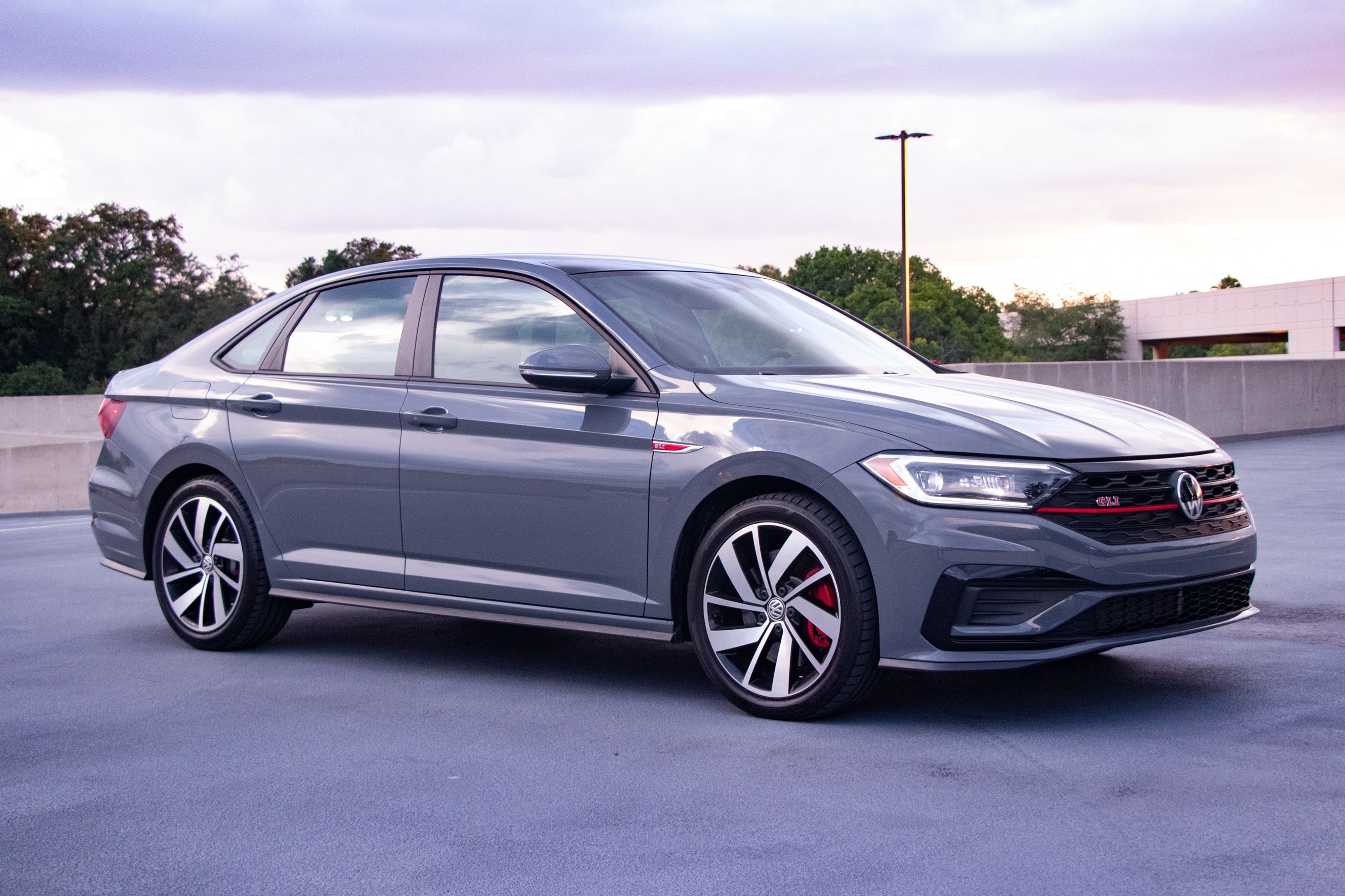
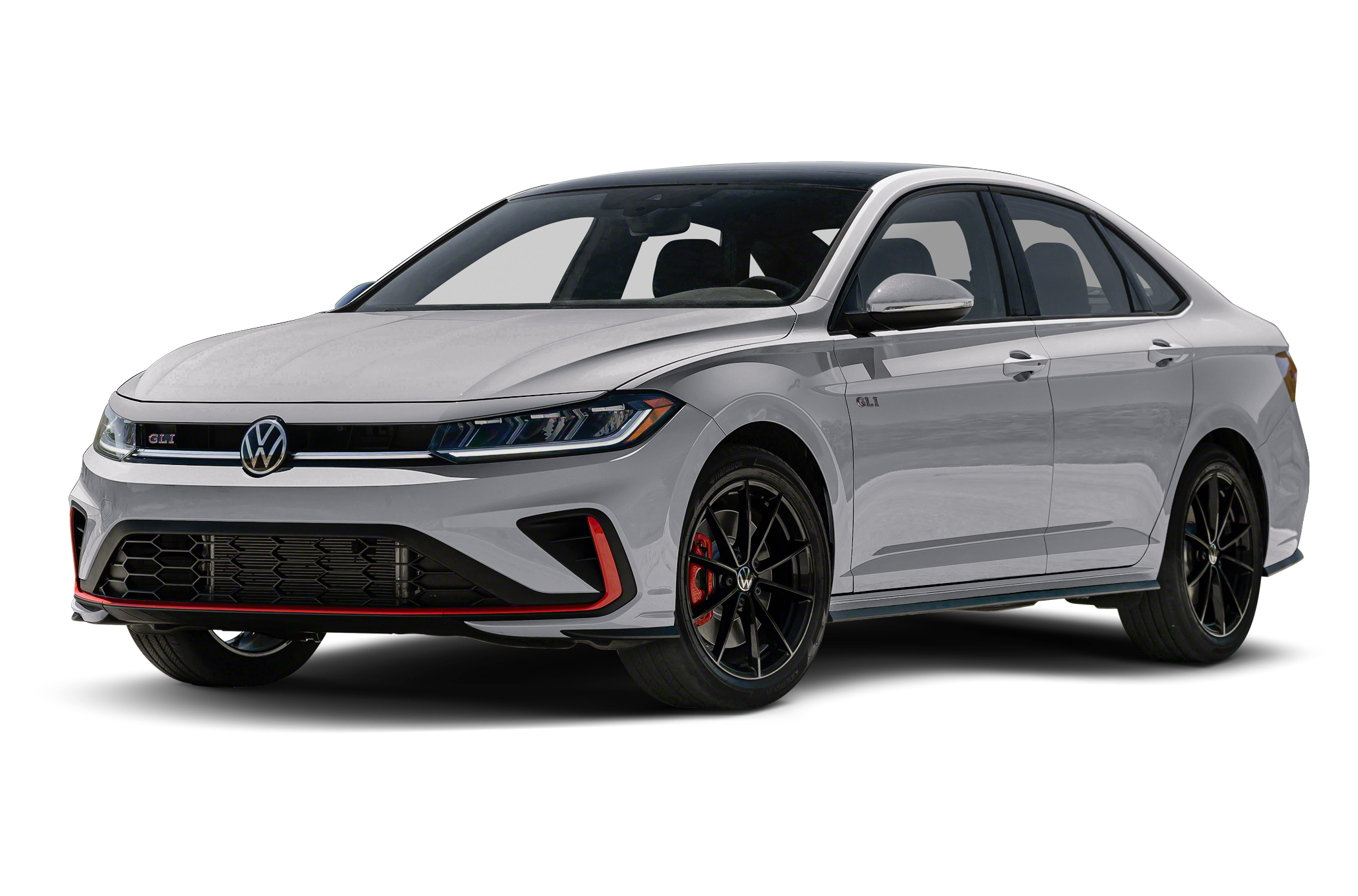
The 2019 Volkswagen Jetta GLI produces 228 horsepower and 258 lb-ft of torque from its turbocharged 2.0-liter TSI engine. This power output represents a significant increase over its predecessor, positioning the model as a direct competitor in the compact sport sedan segment by utilizing the engine architecture found in the contemporary Volkswagen Golf GTI.
Engineering the Power Plant
At the heart of the 2019 Volkswagen Jetta GLI lies a sophisticated 2.0-liter EA888 Gen 3 turbocharged four-cylinder engine. This powerplant is a cornerstone of the Volkswagen Group’s performance strategy, designed to balance fuel efficiency with high-torque output. The 228 horsepower is achieved at 4,700 rpm and remains consistent up to the redline, while the peak torque of 258 lb-ft is available from as low as 1,500 rpm.
The "explained" aspect of this engine’s horsepower involves understanding forced induction. The integrated turbocharger is designed for quick spooling, which effectively eliminates the "turbo lag" often associated with older performance vehicles. By utilizing direct fuel injection and variable valve timing on both the intake and exhaust sides, the engineers at Volkswagen managed to optimize combustion efficiency. This allows the engine to maintain a high compression ratio, which is critical for extracting more work—and thus more power—out of every combustion cycle.
Transmission Options and Power Delivery
The 2019 Jetta GLI offers two transmission choices that fundamentally alter how that 228 horsepower reaches the front wheels: a standard six-speed manual gearbox and an optional seven-speed DSG (Direct-Shift Gearbox) dual-clutch automatic.
The six-speed manual is designed for enthusiasts who prefer mechanical engagement. It features short, precise throws, allowing the driver to keep the engine in the optimal power band during spirited driving. Because of the broad torque curve of the EA888 engine, the manual transmission does not require constant gear shifting to remain in the "meat" of the power, making it both practical for commuting and engaging for canyon carving.
Conversely, the seven-speed DSG is a marvel of automated efficiency. It uses two clutches—one for odd-numbered gears and one for even-numbered gears—to ensure that the next gear is always pre-selected. This results in lightning-fast shifts that a human driver cannot replicate. In terms of horsepower utilization, the DSG minimizes the power drop-off during shifts, effectively maximizing the 228 horses available during acceleration.
The Role of Torque and Acceleration
While horsepower is the headline figure, torque is arguably more important for the daily driving experience of the 2019 Jetta GLI. With 258 lb-ft of torque available near idle speed, the vehicle exhibits strong mid-range pull. This is what drivers feel when they merge onto a highway or pass slower vehicles; the engine does not need to be revved to its peak to provide meaningful acceleration.
Volkswagen’s implementation of the VAQ (front-axle torque-sensing limited-slip differential) is a critical component here. A common limitation of high-horsepower front-wheel-drive vehicles is torque steer—the tendency for the engine's power to pull the steering wheel to one side during hard acceleration. The VAQ system mitigates this by electronically controlling the locking of the differential, ensuring that both front wheels receive the optimal amount of power. This allows the driver to apply the 228 horsepower more effectively through corners without losing traction or suffering from excessive wheel spin.
Performance Comparison: 2019 GLI vs. Competitors
Understanding the Jetta GLI's position requires looking at its performance relative to other compact sedans of the 2019 model year. The GLI sits in a "sweet spot" where it offers more power than base models but remains more daily-drivable than stripped-out track specials.
| Feature | 2019 Jetta GLI | 2019 Honda Civic Si | 2019 Hyundai Elantra Sport |
|---|---|---|---|
| Engine | 2.0L Turbo | 1.5L Turbo | 1.6L Turbo |
| Horsepower | 228 hp | 205 hp | 201 hp |
| Torque | 258 lb-ft | 192 lb-ft | 195 lb-ft |
| Curb Weight | ~3,200 lbs | ~2,900 lbs | ~3,100 lbs |
The table above illustrates that while the Jetta GLI carries a slight weight penalty compared to the Civic Si, it significantly outperforms its competition in the torque department. This torque advantage allows the GLI to feel punchier in real-world scenarios, even if the peak horsepower figures might appear closer on paper than the torque figures suggest.
Factors Influencing Power Output
Several external and internal factors can influence the actual power a 2019 Jetta GLI produces on the road. Enthusiasts often look at "wheel horsepower" (whp) versus "crank horsepower." The 228-hp figure is measured at the crankshaft (the output of the engine itself). Once the power travels through the transmission, differential, and wheels, it experiences "drivetrain loss."
- Fuel Quality: Volkswagen recommends premium unleaded gasoline (91 octane or higher) for the 2.0T engine. Using lower-octane fuel will cause the engine’s electronic control unit (ECU) to adjust ignition timing to prevent engine knock, which inevitably results in a reduction of horsepower.
- Ambient Temperature: Turbocharged engines are sensitive to intake air temperatures. Cooler, denser air contains more oxygen, allowing the ECU to add more fuel and produce more power. In hot, humid conditions, the intercooler works harder, and the engine may pull back power to protect internal components.
- Maintenance: A dirty air filter or old spark plugs can restrict airflow or cause inefficient combustion, preventing the engine from reaching its factory-rated power output.
Maintenance for Sustained Performance
To ensure the 2019 Jetta GLI continues to produce its full 228 horsepower, owners must adhere to the manufacturer's strict maintenance schedule. The EA888 engine is high-precision machinery; skipping oil changes or using the wrong viscosity oil can lead to sludge buildup in the turbocharger's oil lines, which can significantly shorten the life of the unit.
Furthermore, the dual-clutch transmission (if equipped) requires specific service intervals. The fluid and internal filter must be changed at the recommended mileage to ensure that the clutches engage correctly. Neglecting this maintenance can lead to "slippage," where the engine is producing power, but the transmission is failing to deliver it to the ground efficiently.
Frequently Asked Questions
Is the 2019 Jetta GLI’s horsepower output tunable? Yes, because the engine is turbocharged, it is highly receptive to ECU software modifications, commonly referred to as "tuning." Many third-party companies offer software upgrades that can increase the horsepower significantly by adjusting boost pressure and ignition timing. However, such modifications may void the powertrain warranty and increase stress on the engine components.
How does the 2019 GLI’s engine compare to the standard Jetta? The standard 2019 Jetta is equipped with a 1.4-liter turbocharged four-cylinder engine producing 147 horsepower. The GLI is effectively a separate performance variant, sharing almost no major powertrain components with the base Jetta, as its engine is sourced from the Golf GTI performance architecture.
Does higher horsepower equate to lower fuel economy in the GLI? Not necessarily. While the GLI is designed for power, the EA888 engine is remarkably efficient when driven conservatively. Because of its large torque reserve, the engine does not need to work as hard during city acceleration, which helps maintain respectable fuel economy numbers, provided the driver is not constantly engaging the turbo.
Can I use 87 octane gas in my 2019 Jetta GLI? While the engine may run on 87 octane due to modern knock sensors, it is not recommended. Volkswagen designed the engine for 91-octane premium gasoline to achieve the advertised 228 horsepower. Using lower-octane fuel will result in a decrease in performance and potentially erratic engine behavior under load.
Why does the 2019 GLI feel faster than its horsepower rating suggests? The "feeling" of speed is largely governed by torque delivery. Because the GLI delivers its 258 lb-ft of torque at very low RPMs, the car feels responsive and punchy the moment you touch the pedal, providing a "seat-of-the-pants" acceleration sensation that is often more visceral than cars that need to be revved high to reach their peak power.
Conclusion and Recommendations
The 2019 Volkswagen Jetta GLI provides a sophisticated balance of power and usability. Its 228-horsepower rating is a result of mature, well-tested forced-induction engineering. To maintain this level of performance, owners should prioritize using premium fuel, keeping up with synthetic oil change intervals, and ensuring that the intake system remains clean. If you are looking to maximize the vehicle's potential, focus first on high-quality tires, as even the best engine output is useless if the power cannot be transferred to the road surface effectively. Always consult with a certified technician before attempting any modifications to the engine management system.