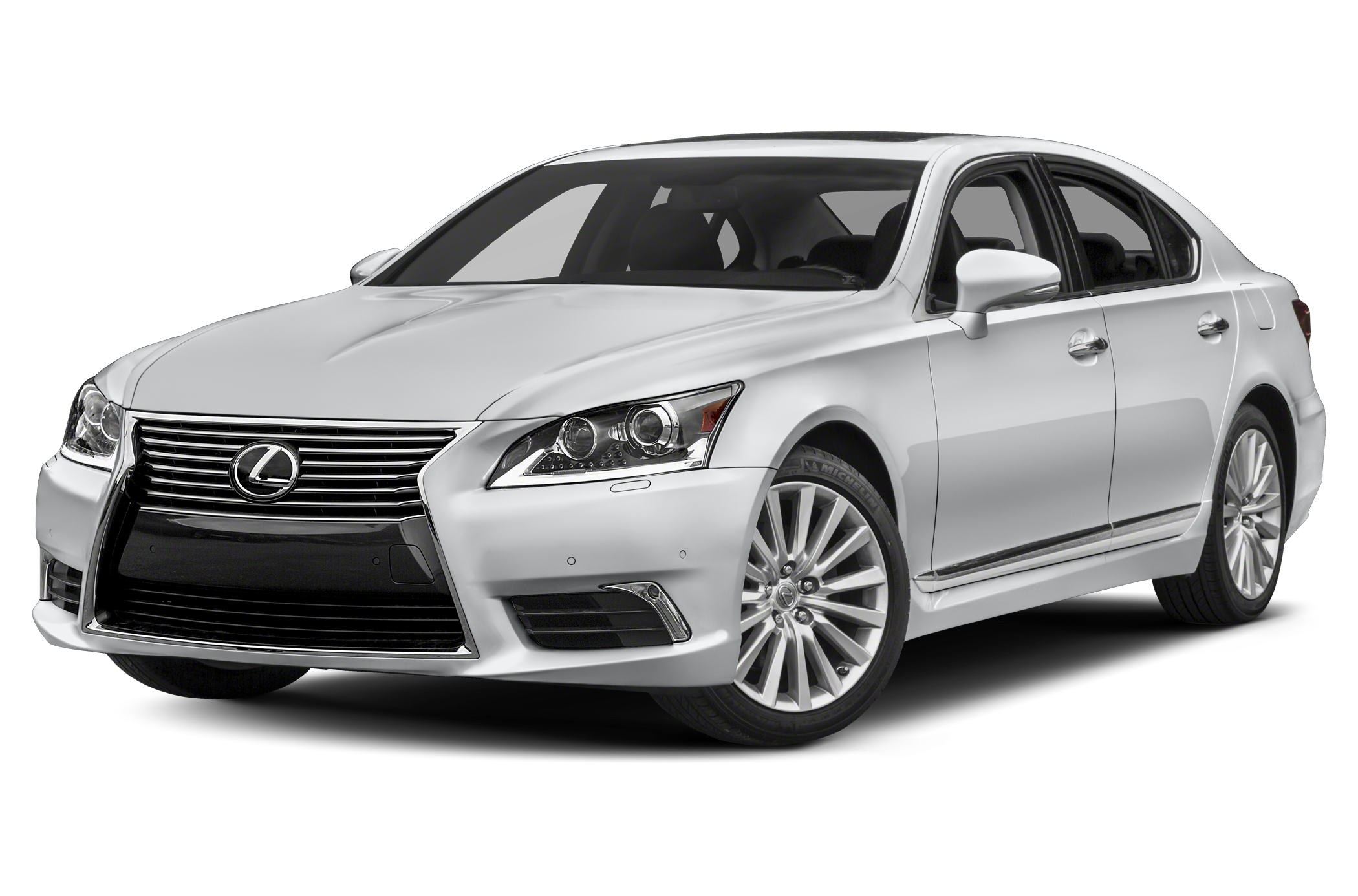
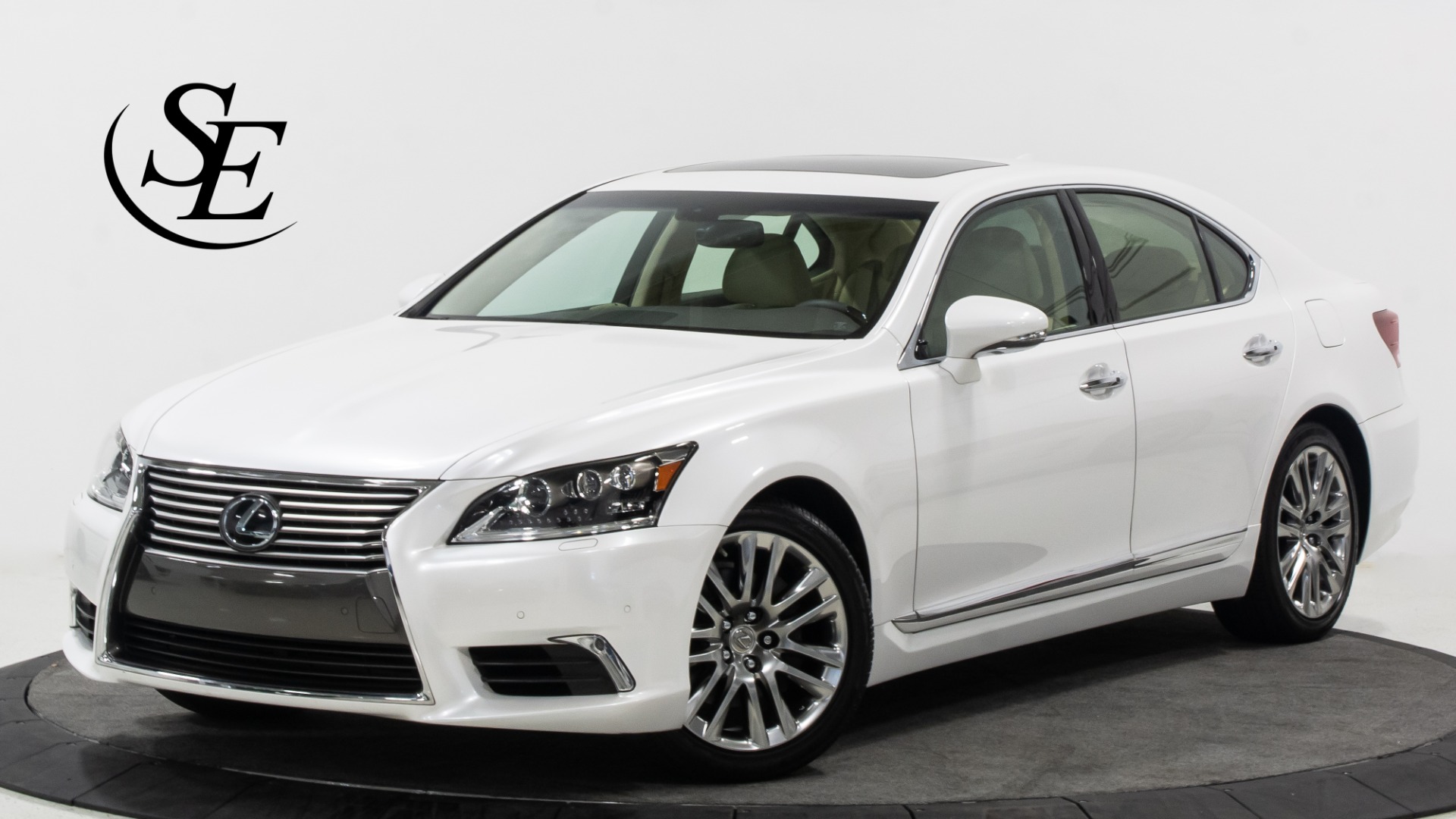
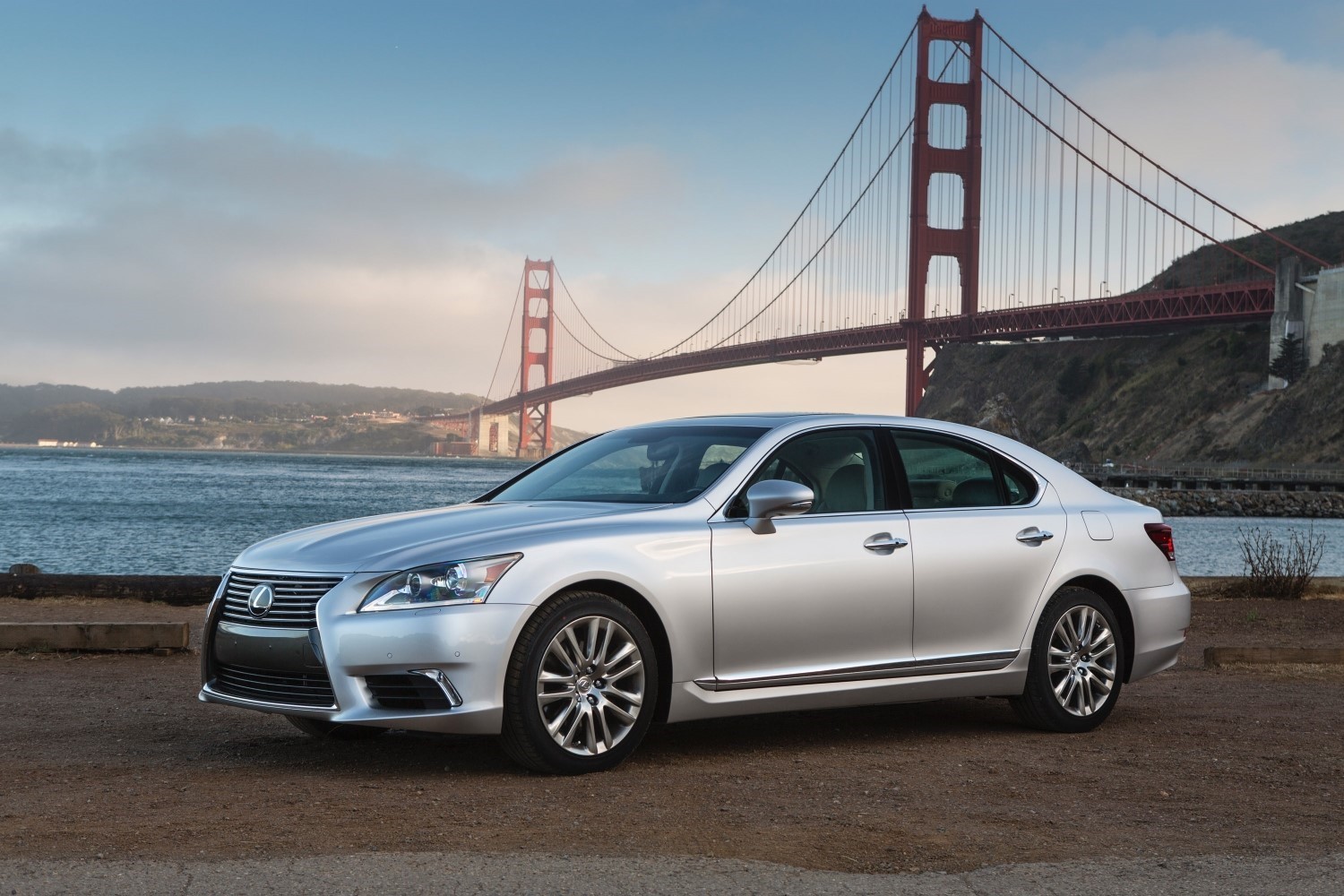
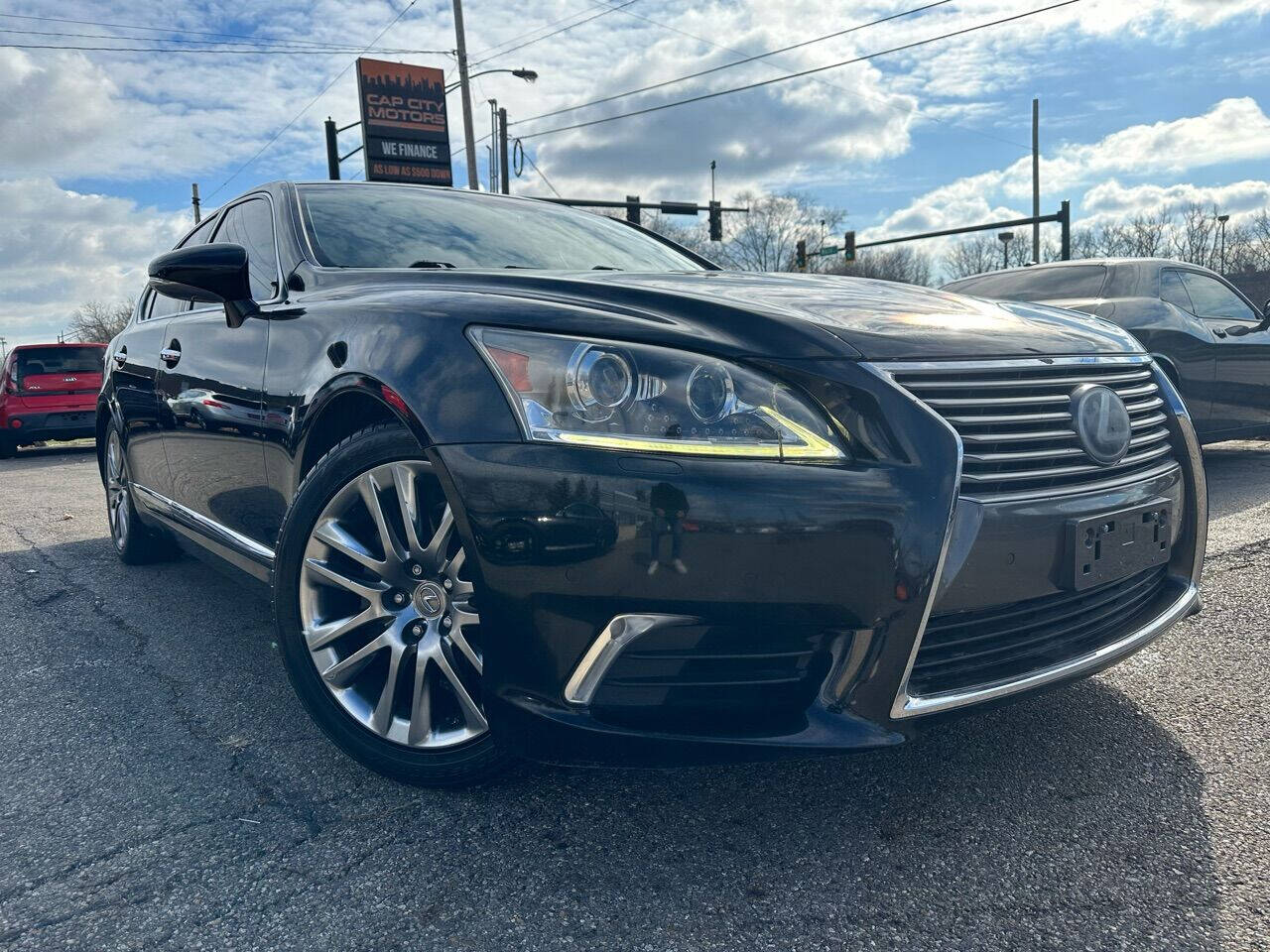
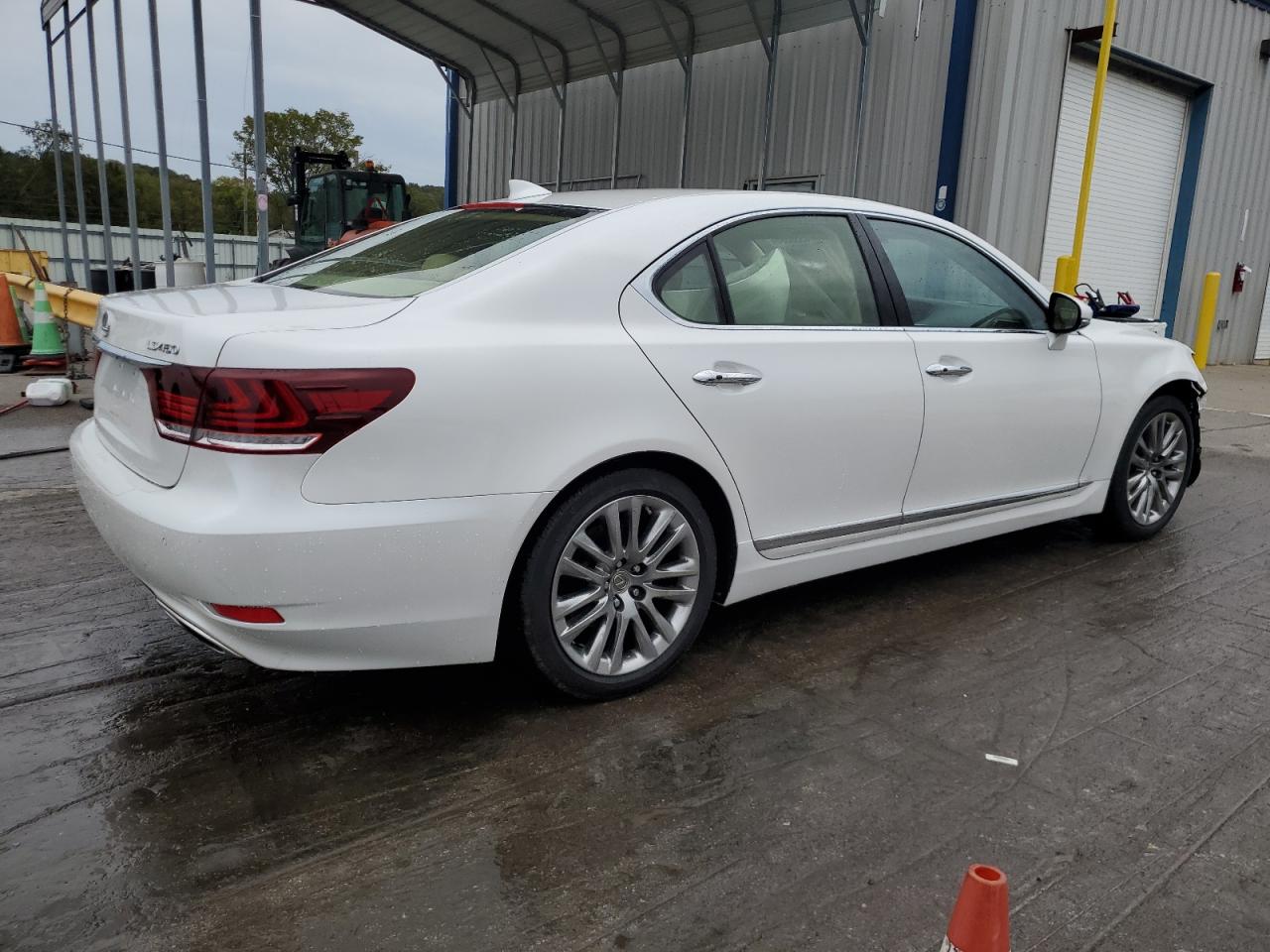
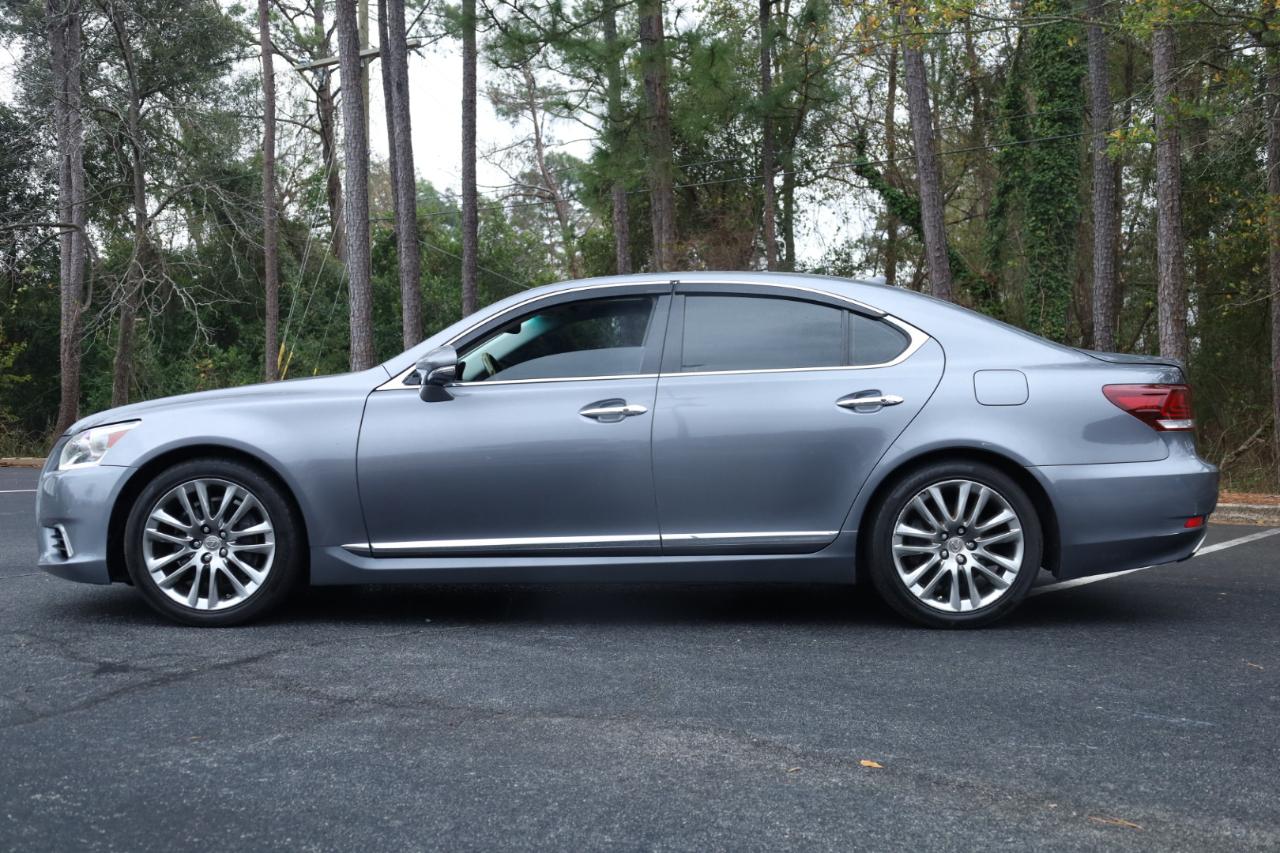
The 2017 Lexus LS 460 represents the peak of fourth-generation LS refinement, offering unmatched mechanical durability, exceptional cabin isolation, and a smooth 386-horsepower 4.6-liter V8 engine. While its Remote Touch infotainment interface feels dated and multi-link suspension repairs can be costly, it remains one of the most reliable pre-owned flagship luxury sedans available.
Model Overview and Historical Context
The 2017 model year holds a special place in the history of the Lexus brand. It represents the final production year of the fourth-generation LS (designated internally as the XF40 platform), which originally launched for the 2007 model year and received major mid-cycle updates in 2010 and 2013. More importantly, 2017 marked the absolute end of the naturally aspirated V8 engine in the Lexus flagship line. When the fifth-generation LS 500 arrived in 2018, Lexus replaced the V8 with a twin-turbocharged V6.
Because it was the final iteration of a decade-long production cycle, the 2017 LS 460 benefited from ten years of continuous engineering refinements. Manufacturing tolerances, electronic module programming, and interior assembly methods reached their absolute peak during this final production run.
Lexus offered the 2017 LS 460 in three main configurations:
- LS 460 (Standard Wheelbase): Built on a 116.9-inch wheelbase with an overall vehicle length of 200.0 inches. Designed primarily for owner-drivers seeking flagship luxury with manageable maneuvering dimensions.
- LS 460 L (Long Wheelbase): Extended to a 121.7-inch wheelbase with an overall length of 205.0 inches. This model added nearly five inches of legroom specifically to the rear passenger compartment, accommodating high-end executive comfort packages.
- LS 460 F Sport: Available on standard wheelbase models, this performance-themed variant featured a sport-tuned air suspension, 19-inch forged alloy wheels, variable gear-ratio steering, upgraded front brakes, and exclusive interior styling elements.
Both standard and long-wheelbase variants were available in Rear-Wheel Drive (RWD) or optional All-Wheel Drive (AWD).
Powertrain Engineering & Mechanical Performance
At the heart of the 2017 Lexus LS 460 is the 1UR-FSE, a 4.6-liter (4,608 cc) 32-valve naturally aspirated V8 engine featuring aluminum alloy cylinder heads and an aluminum cylinder block.
Dual Injection Architecture (D-4S)
Unlike many contemporary European luxury engines of its era that relied solely on direct injection, the 1UR-FSE utilizes Toyota's D-4S dual-injection system. D-4S uses two fuel injectors per cylinder: one direct injector inside the combustion chamber and one port injector in the intake tract.
Under light-to-moderate engine loads, the system uses both port and direct injection. The port injectors spray fuel across the back of the intake valves, continuously washing away oil vapor deposits coming through the positive crankcase ventilation (PCV) system. Under heavy acceleration, the system transitions predominantly to high-pressure direct injection for maximum thermal efficiency and detonation resistance. This dual-injection design virtually eliminates the severe carbon buildup on intake valves that plagues direct-injection-only engines from German competitors of the same era.
Variable Valve Timing (VVT-iE)
The engine incorporates VVT-iE (Variable Valve Timing intelligent Electric motor) on the intake camshafts and hydraulic VVT-i on the exhaust camshafts. Using an electric actuator motor rather than hydraulic oil pressure for intake timing allows the engine to adjust valve timing instantaneously across all temperature ranges, even during cold engine cranking.
Performance and Output Metrics
Engine output varies depending on whether the vehicle is equipped with RWD or AWD:
- RWD Specifications:
- Horsepower: 386 hp @ 6,400 RPM
- Torque: 367 lb-ft @ 4,100 RPM
- 0–60 mph Acceleration: 5.4 seconds
- AWD Specifications:
- Horsepower: 360 hp @ 6,400 RPM
- Torque: 347 lb-ft @ 4,100 RPM
- 0–60 mph Acceleration: 5.9 seconds
The lower output on AWD models is due to packaging constraints: the front drive axle requires alternative exhaust manifold routing, which slightly increases exhaust backpressure compared to the RWD layout.
Transmission and Drivetrain
Power is delivered to the wheels through the AA80E 8-speed automatic transmission (developed by Aisin AW). It features artificial intelligence shift control (AI-SHIFT), which alters shift points based on road gradient and driver input.
AWD variants incorporate a full-time system featuring a Torsen limited-slip center differential. Under normal driving conditions, torque is split 40/60 front-to-rear. The mechanical Torsen unit automatically adjusts power distribution up to 30/70 or 50/50 based on wheel slippage without requiring electronic brake intervention.
According to standard testing guidelines listed by the U.S. Environmental Protection Agency (EPA), the 2017 LS 460 carries fuel economy ratings of 16 mpg city / 24 mpg highway for RWD, and 16 mpg city / 23 mpg highway for AWD models. Premium 91 octane fuel is required.
Driving Dynamics, Chassis, and Ride Quality
The driving experience of the 2017 LS 460 prioritizes isolation, serenity, and fluid power delivery over aggressive athleticism.
- Upper Front Control Arm (Dual Ball Joints)
- Air Strut / Steel Coil
- Steering Knuckle
- Lower Front Control Arm (Dual Ball Joints)
Suspension Architecture
The chassis utilizes a double-joint multi-link suspension setup at both the front and rear axles. Every front wheel position uses upper and lower control arms with dual ball joints, creating a virtual steering axis that optimizes tire contact patch stability under cornering forces.
- Standard Steel Coil Springs: Standard on base RWD models, offering a traditional, balanced luxury ride with low long-term maintenance overhead.
- Adaptive Variable Suspension (AVS) with Air Springs: Standard on long-wheelbase and F Sport models (optional on base). AVS continuously adjusts damping force at each wheel across 9 different stages depending on road conditions, vehicle speed, and driver-selected drive modes (Eco, Comfort, Normal, Sport S, and Sport S+).
Noise, Vibration, and Harshness (NVH) Engineering
Cabin noise isolation in the 2017 LS 460 is exceptional. Lexus engineers incorporated several specialized treatments:
- Laminated Acoustic Glass: Dual-pane side windows with an inner layer of sound-absorbing acoustic film.
- Noise-Reducing Alloy Wheels: Hollow-chamber 18-inch wheels that use Helmholtz resonance principles to cancel cavity noise generated inside the tire.
- Engine Mount Damping: Vacuum-operated active engine mounts that counteract idle vibrations.
Steering and Handling Characteristics
The standard electronic power steering (EPS) is heavily assisted, providing effortless low-speed maneuvering with light steering effort. The F Sport variant adds Variable Gear-Ratio Steering (VGRS), which alters the steering ratio based on vehicle speed—faster ratio at parking speeds, slower ratio at highway speeds for straight-line tracking.
While the F Sport model tightens body roll and improves turn-in crispness via larger anti-roll bars and Brembo six-piston front brake calipers, the LS 460 remains a large luxury cruiser rather than a sports sedan.
Interior Craftsmanship, Ergonomics, and Cabin Electronics
The cabin of the 2017 LS 460 highlights traditional luxury craftsmanship, characterized by high-grade leather upholstery, real wood trim options (including laser-engraved Shimamoku wood), and tight panel fitment.
- 12.3-inch Split-Screen Display
- HVAC Air Vents / Analog Clock
- Audio Controls / Dual-Zone Climate
- Remote Touch Joystick Controller
Infotainment System and Human-Machine Interface
The focal point of the dashboard is a 12.3-inch high-resolution split-screen display. However, system navigation is managed via the Lexus Remote Touch Interface (RTI)—a haptic mouse-like controller located on the center console.
- Pros of the System: The large screen allows simultaneous display of full-screen navigation alongside climate, trip computer, or audio info.
- Cons of the System: The haptic joystick is notoriously sensitive while driving. It requires fine motor control that can distract the driver compared to modern touchscreens or rotary dial controllers.
- Smartphone Connectivity: The 2017 model pre-dates factory Apple CarPlay and Android Auto integration. Audio streaming is limited to Bluetooth 3.0, USB input, or auxiliary jack.
Audio Systems
- Standard System: 10-speaker Lexus Premium Audio with single-disc CD player and HD Radio.
- Mark Levinson Reference Surround Sound System: Optional 19-speaker, 450-watt system utilizing a 7.1-channel digital architecture. Discrete amplifiers deliver balanced frequency response across all seats, making it one of the finest automotive factory sound systems of its era.
Seating and Passenger Space
Front seats offer 16-way power adjustment for the driver and 12-way for the front passenger, featuring power lumbar support and memory settings.
| Dimension | Standard Wheelbase (LS 460) | Long Wheelbase (LS 460 L) |
|---|---|---|
| Overall Length | 200.0 in | 205.0 in |
| Wheelbase | 116.9 in | 121.7 in |
| Front Legroom | 43.7 in | 43.7 in |
| Rear Legroom | 35.8 in | 36.7 in |
| Trunk Cargo Volume | 18.0 cu ft | 18.0 cu ft |
On the LS 460 L, buyers could select the Executive Class Seating Package, which replaced the rear bench with two individual power reclinement seats, a wood-trimmed center console with a built-in cool box, a rear-seat DVD/Blu-ray entertainment display, and a passenger-side rear seat featuring an integrated ottoman and multi-mode massage functions.
Technical Specifications & Trim Level Comparison
The following table details the key technical specifications and mechanical variations across the 2017 Lexus LS 460 trim lineup.
| Specification / Feature | LS 460 (RWD) | LS 460 (AWD) | LS 460 L (RWD / AWD) | LS 460 F Sport (RWD / AWD) |
|---|---|---|---|---|
| Engine Type | 4.6L V8 (1UR-FSE) | 4.6L V8 (1UR-FSE) | 4.6L V8 (1UR-FSE) | 4.6L V8 (1UR-FSE) |
| Horsepower @ RPM | 386 hp @ 6,400 | 360 hp @ 6,400 | 386 hp (RWD) / 360 hp (AWD) | 386 hp (RWD) / 360 hp (AWD) |
| Torque @ RPM | 367 lb-ft @ 4,100 | 347 lb-ft @ 4,100 | 367 lb-ft (RWD) / 347 lb-ft (AWD) | 367 lb-ft (RWD) / 347 lb-ft (AWD) |
| Transmission | 8-Speed Auto (AA80E) | 8-Speed Auto (AA80E) | 8-Speed Auto (AA80E) | 8-Speed Auto with Paddle Shifters |
| Standard Suspension | Coil Springs (Air Optional) | Coil Springs (Air Optional) | Air Suspension (AVS) | Sport-Tuned Air Suspension |
| Front Brake System | 13.1-inch Vented Discs | 13.1-inch Vented Discs | 13.1-inch Vented Discs | 14.8-inch Vented Discs w/ 6-Piston Brembo |
| Curb Weight | 4,233 lbs | 4,652 lbs | 4,442 lbs (RWD) / 4,773 lbs (AWD) | 4,354 lbs (RWD) / 4,696 lbs (AWD) |
| EPA Fuel Economy | 16 / 24 / 19 mpg | 16 / 23 / 18 mpg | 16 / 24 / 19 mpg (RWD) | 16 / 24 / 19 mpg (RWD) |
Common Maintenance Issues and Long-Term Reliability
While the 2017 Lexus LS 460 is widely recognized as one of the most reliable full-size luxury sedans ever engineered, long-term ownership involves specific wear items that buyers must evaluate.
- Front Upper Arm Forward
- Front Upper Arm Rearward
- Steering Knuckle
- Front Lower Arm Forward
- Front Lower Arm Rearward
1. Front Multi-Link Control Arm Bushing Wear
- The Issue: The front suspension uses a total of 8 control arms (4 per side—2 upper, 2 lower). Due to the vehicle's heavy curb weight (~4,200 to 4,800 lbs), the factory rubber bushings inside these arms experience high shear stresses and degrade over time.
- Symptoms: Clunking or popping noises over low-speed bumps, steering wheel vibration under light braking, and accelerated inner shoulder tire wear.
- Repair Reality: Late-model 2017 revisions feature improved rubber compounds compared to 2007–2012 models. However, when replacing worn bushings, replacing the complete arm assemblies with high-grade aftermarket or original equipment manufacturer (OEM) units is recommended. Independent shop repairs typically cost between $1,500 and $3,500 for parts and labor across all 8 arms.
2. Air Suspension Strut Leakage (AVS-Equipped Models)
- The Issue: Air suspension bladders naturally degrade with age and heat exposure, leading to small micro-tears in the rubber sleeve.
- Symptoms: The vehicle sags overnight on one or more corners, or the air compressor runs continuously to maintain ride height.
- Repair Options: Replacement OEM factory air struts are expensive (often exceeding $1,200 to $1,800 per corner for parts alone). Many long-term owners opt to convert air-suspended vehicles to standard steel coil spring assemblies using aftermarket conversion kits, which permanently resolves air system failures at a fraction of the cost.
3. Brake Actuator and Master Cylinder Assembly
- The Issue: The LS 460 uses an electronically controlled brake system (Electro-Hydraulic Braking). The system relies on an integrated brake actuator motor and accumulator pump to pressurize hydraulic fluid.
- Symptoms: An audible clicking or barking noise coming from the engine bay when pressing the brake pedal, accompanied by warning lights on the instrument cluster (ABS, VSC, Brake warning) and diagnostic trouble codes C1391 or C1256.
- Note for 2017 Buyers: Early 2007–2012 LS 460 models suffered high failure rates on this component. By 2017, Lexus had implemented part revisions (part number suffixes ending in late revisions) that dramatically reduced failure rates. Nonetheless, if replacement is required, total costs range from $1,800 to $3,000.
4. Direct/Port Injector Noise
- The Issue: The D-4S high-pressure fuel pumps and direct injectors operate under high hydraulic pressures, creating a distinct ticking sound at idle.
- Diagnosis: This ticking noise is completely normal operational behavior for the 1UR-FSE engine and does not indicate mechanical failure.
Safety performance remains strong; complete crash testing specifications and safety recall status can be verified directly via the National Highway Traffic Safety Administration (NHTSA).
2026 Used Market Buyer's Guide and Competitor Comparison
Evaluating a 2017 Lexus LS 460 requires context regarding its competitive set and overall ownership costs relative to market rivals.
Market Valuation (2026 Perspective)
Vehicles in the 2017 model year sit in a desirable position for used buyers. They represent the final refinement of the platform and generally show clean service records.
- Low Mileage Examples (<60,000 miles): Command premium pricing ($24,000 – $30,000 depending on trim, maintenance history, and AWD/L status).
- Moderate Mileage Examples (75,000 – 110,000 miles): Typically trade between $17,000 and $22,000.
- High Mileage Examples (120,000+ miles): Available from $12,000 to $16,000, presenting high value if suspension and brake systems have been maintained.
LS 460 vs. Competitors
| Model | Engine Architecture | Primary Maintenance Risk |
|---|---|---|
| 2017 Lexus LS 460 | 4.6L NA V8 (D-4S) | Suspension Control Arm Bushings |
| 2017 Mercedes S550 | 4.7L Twin-Turbo V8 | Turbo Cooling Lines / Airmatic |
| 2017 BMW 750i | 4.4L Twin-Turbo V8 | Hot-V Turbo Heat / Valve Seals |
| 2017 Audi A8 L | 4.0L Twin-Turbo V8 | Turbo Oil Strainer Clogging |
1. 2017 Mercedes-Benz S 550 (W222 Generation)
- Engine: 4.7-liter Twin-Turbo V8 (M278) — 449 hp / 516 lb-ft.
- Strengths: Superior interior luxury, more advanced semi-autonomous driving features, faster low-end acceleration.
- Weaknesses: Higher depreciation, complex active hydraulics (Magic Body Control / AIRMATIC), prone to oil leaks from turbo coolant lines and cam solenoids as mileage accumulates.
2. 2017 BMW 750i (G11 Generation)
- Engine: 4.4-liter Twin-Turbo V8 (N63TU2) — 445 hp / 480 lb-ft.
- Strengths: Sharper driving dynamics, lighter carbon-core chassis, advanced iDrive 6.0 infotainment system.
- Weaknesses: Significant long-term engine heat management issues; potential for premature turbocharger failure, valve stem seal wear, and electronic module glitches.
3. 2017 Audi A8 L (D4 Generation)
- Engine: 4.0-liter Twin-Turbo V8 or 3.0-liter Supercharged V6.
- Strengths: Standard Quattro AWD system, clean interior ergonomics, strong high-speed stability.
- Weaknesses: Turbocharger oil strainer clogging issues on 4.0T models; high labor costs due to tight engine bay packaging.
Frequently Asked Questions
Is the 2017 Lexus LS 460 reliable?
Yes, the 2017 Lexus LS 460 is widely considered one of the most mechanically reliable luxury flagship sedans ever produced. Because 2017 was the final model year for the fourth-generation LS (XF40), Lexus resolved nearly all early production defects—such as sticky interior plastics and early brake actuator software bugs—present in 2007–2012 models. The naturally aspirated 4.6L V8 engine and 8-speed automatic transmission regularly achieve 200,000 to 300,000 miles with basic routine maintenance.
Why is the 2017 Lexus LS 460 preferable to the 2018 LS 500?
Many enthusiast buyers prefer the 2017 LS 460 over the subsequent 2018+ LS 500 because of its powertrain architecture and suspension setup. The 2017 model utilizes a naturally aspirated 4.6-liter V8 engine (1UR-FSE), which delivers linear power delivery, classic engine notes, and proven long-term durability. The 2018 LS 500 switched to a twin-turbocharged V6 engine and a lower, sportier cabin layout, which sacrificed some of the traditionally soft ride isolation and mechanical simplicity that LS buyers expect.
What are the main warning signs when test-driving a used 2017 LS 460?
When inspecting a used 2017 LS 460, focus on three primary mechanical areas:
- Front Control Arms: Listen for clunking noises over low-speed bumps and inspect front tires for severe inner-edge shoulder wear.
- Air Suspension Struts: Check whether the car sits level after sitting overnight with the engine off, and listen for excessive air compressor cycling during operation.
- Brake Actuator: Listen for an abnormal clicking or buzzing sound coming from under the hood when holding down the brake pedal while stationary.
Does the 2017 Lexus LS 460 have Apple CarPlay or Android Auto?
No. Factory support for Apple CarPlay and Android Auto was not included on the 2017 Lexus LS 460. Infotainment is handled through the Lexus Enform system on a 12.3-inch screen controlled via the Remote Touch joystick interface. However, pre-owned buyers can add modern smartphone mirroring functionality by installing aftermarket plug-and-play interface modules that integrate with the factory display controls.
What is the difference between standard and long-wheelbase (LS 460 L) models?
The primary difference is overall length and rear passenger legroom. The long-wheelbase LS 460 L expands vehicle length by 5 inches (from 200.0 inches to 205.0 inches) and extends wheelbase from 116.9 inches to 121.7 inches. All additional length goes directly to the rear seating area. Additionally, adaptive air suspension (AVS) came standard on the LS 460 L, and it was the only trim level eligible for the optional Executive Class Rear Seating Package.
How expensive is routine maintenance on an LS 460 compared to a German luxury sedan?
Routine consumables (oil changes, spark plugs, filters, brake pads) are significantly less expensive on an LS 460 compared to equivalent Mercedes-Benz, BMW, or Audi models. Independent mechanics can easily service the naturally aspirated V8 engine using accessible Toyota/Lexus parts. However, specialized platform items—specifically OEM multi-link suspension control arms and air suspension struts—remain premium-priced luxury components. Overall, scheduled 10-year maintenance costs on an LS 460 average 30% to 50% lower than an equivalent-year Mercedes S-Class or BMW 7 Series.
Final Recommendation and Next Actions
The 2017 Lexus LS 460 remains a benchmark choice for buyers seeking flagship luxury, whisper-quiet cabin refinement, and exceptional mechanical longevity. By selecting the final year of the XF40 generation, owners avoid the design bugs of earlier model years while securing the last naturally aspirated V8 engine Lexus offered in its flagship sedan line.
Key Purchase Recommendations:
- Prioritize Suspension Setup: If long-term maintenance simplicity is your top priority, target a standard wheelbase RWD model equipped with factory coil springs. If maximum ride comfort is essential, select an air-suspension model, but set aside a maintenance reserve ($2,000–$3,000) for future air strut replacements or coilover conversions.
- Verify Maintenance Records: Prioritize vehicles with continuous 5,000-to-10,000-mile oil change records on dealer or specialist service histories. Ensure past recalls and service campaigns were completed.
- Perform a Professional Inspection: Prior to completing a purchase, pay a certified Lexus technician or independent specialist to perform a Pre-Purchase Inspection (PPI). Require explicit checks of all 8 front control arm bushings, air strut sleeves, brake actuator pressures, and electronic module fault histories.