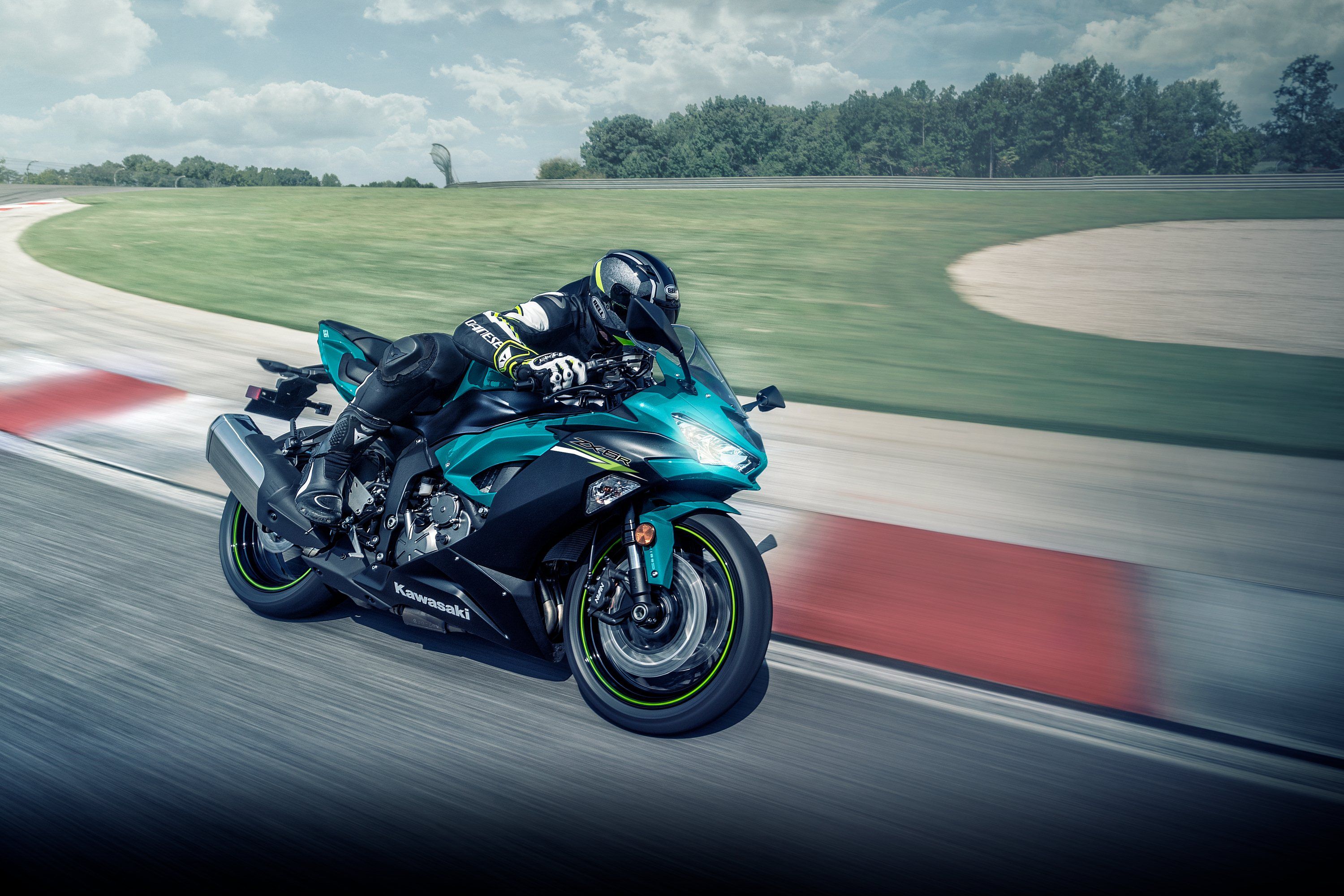
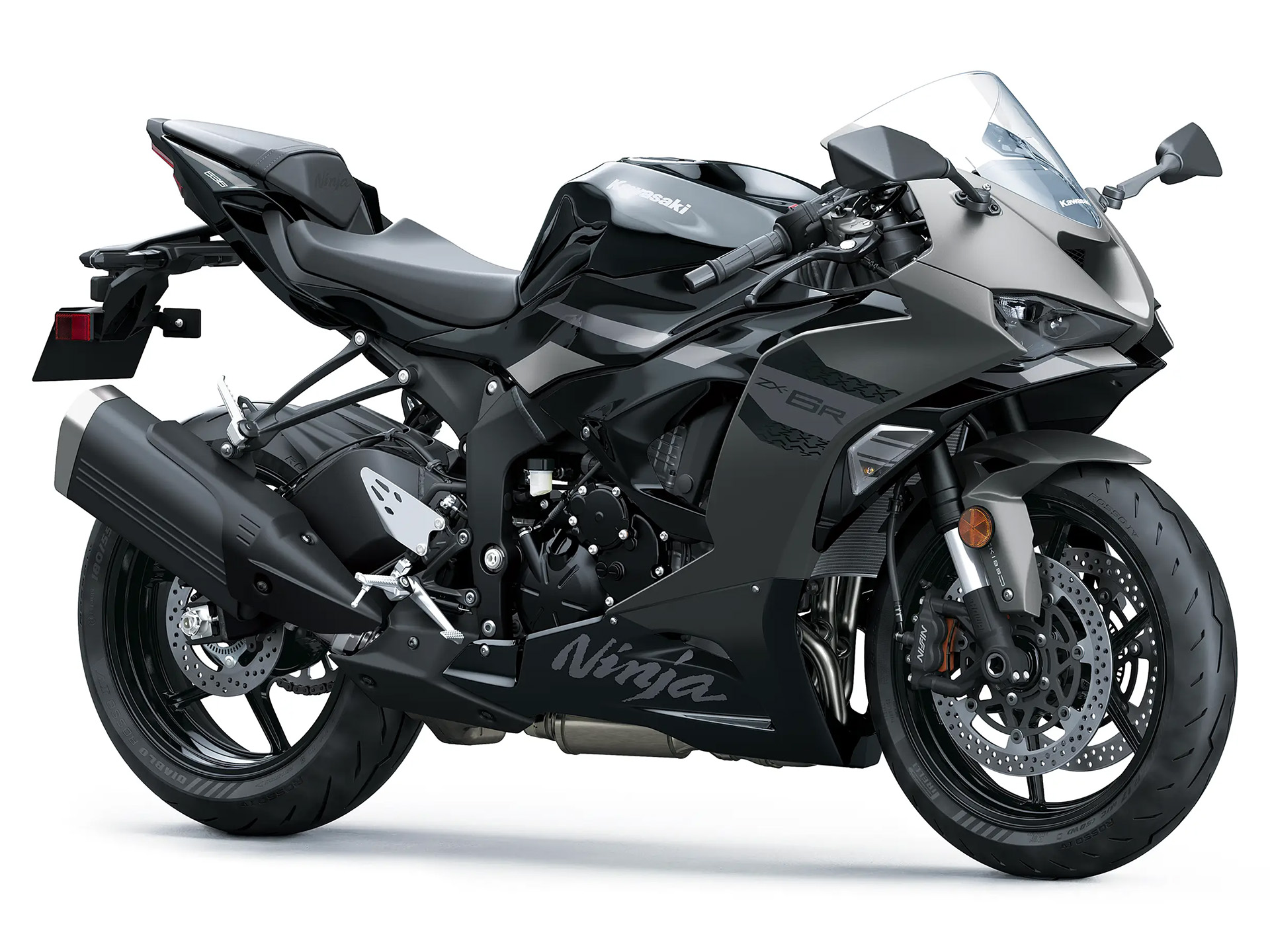
The 2015 Kawasaki Ninja ZX-6R achieves a maximum top speed of approximately 164 mph (264 km/h) under optimal track and weather conditions. This middleweight supersport motorcycle relies on a high-revving 636cc inline-four engine, aggressive aerodynamics, and a lightweight chassis to deliver track-focused performance that rivals larger-displacement machines.
For motorcycle enthusiasts, racers, and prospective buyers, understanding the performance ceiling of a middleweight sportbike involves more than a single statistic. Evaluating how the 2015 Kawasaki Ninja ZX-6R reaches its top speed requires an in-depth look at its engine architecture, gearing, electronic rider aids, and aerodynamic profile. This comprehensive guide breaks down the performance characteristics, specifications, and real-world factors that dictate what this iconic motorcycle can achieve on the pavement.
Evolution and Context of the 636cc Supersport Era
The 2015 model year represents a mature and highly refined phase of Kawasaki’s middleweight supersport lineage. While many competing manufacturers adhered strictly to the traditional 599cc displacement limit imposed by racing regulations, Kawasaki retained the displacement advantage of 636cc introduced in earlier iterations. This extra displacement provided a distinct advantage in everyday street usability, midrange torque, and overall power delivery without sacrificing high-rpm track capability.
By 2015, the Ninja ZX-6R had established a reputation for aggressive styling, sharp handling, and balanced power delivery. It served as a bridge between the agile handling of traditional 600cc machines and the muscular acceleration of liter-class superbikes. Riders demanding high-end velocity found that the 636cc platform punched well above its weight class, offering performance figures that frequently challenged older or detuned 750cc and 1000cc motorcycles in rolling acceleration and track lap times.
Powertrain and Engine Performance Specifications
At the heart of the 2015 Kawasaki Ninja ZX-6R is a liquid-cooled, 4-stroke, inline-four engine featuring DOHC, four valves per cylinder, and a displacement of 636 cubic centimeters. Bore and stroke measurements stand at 67.0 x 45.1 mm, paired with a high compression ratio of 12.9:1. This internal configuration allows the engine to spin freely to a redline exceeding 15,000 RPM, generating peak horsepower in the upper registers of the tachometer.
| Specification Category | Technical Detail |
|---|---|
| Engine Type | Liquid-cooled, 4-stroke, inline-four |
| Displacement | 636 cc |
| Bore x Stroke | 67.0 x 45.1 mm |
| Compression Ratio | 12.9:1 |
| Fuel System | DFI with 38mm Keihin throttle bodies (4) |
| Transmission | 6-speed, return shift with positive neutral finder |
| Final Drive | Sealed chain |
| Claimed Horsepower | Approx. 129 hp at 13,500 RPM (RAM air active) |
| Peak Torque | Approx. 52.1 lb-ft at 11,500 RPM |
The fuel injection system utilizes dual throttle valves, enhancing throttle response and power delivery linearity. Furthermore, the inclusion of Kawasaki's RAM Air system forces pressurized air into the airbox at high velocities, boosting volumetric efficiency and contributing to the bike's high-speed capability as wind speed increases.
Aerodynamics and Rider Ergonomics
Reaching speeds in excess of 150 mph requires overcoming exponential aerodynamic drag. The 2015 Ninja ZX-6R features wind-tunnel-developed bodywork that channels air smoothly around the rider when tucked in. The front fairing, windscreen integration, and lower cowl work in tandem to minimize turbulence and aerodynamic lift.
Rider position plays a critical role in achieving maximum velocity. An upright riding posture creates a massive aerodynamic anchor, significantly reducing top speed due to drag coefficient increases. To tap into the true top-end potential of the ZX-6R, the rider must adopt a full race tuck: chest pressed flat against the fuel tank, helmet tucked low behind the windscreen, and boots resting tightly on the rearsets. Crosswinds, altitude, and rider weight also heavily influence how quickly and completely the motorcycle reaches its terminal velocity.
Electronics, Traction Control, and Power Modes
Modern superbikes rely heavily on electronic management systems to harness raw power safely, and the 2015 ZX-6R is equipped with the advanced Kawasaki Traction Control (KTRC) system alongside dual power modes (Full and Low).
- KTRC System: Featuring three distinct operating modes, the system monitors wheel speed, throttle position, engine RPM, and acceleration to prevent rear-wheel spin. For flat-out top speed runs on closed courses, riders typically select Mode 1 or turn the system off if track conditions are dry and predictable, ensuring uninterrupted power delivery without electronic intervention.
- Power Modes: The "Full" mode delivers unrestricted engine response and power, while "Low" mode restricts output to approximately 80% with a milder throttle response, useful for wet pavement or urban commuting. Top speed runs necessitate the "Full" mode setting.
Gearing, Transmission, and Speed in Gears
The transmission is a cassette-style 6-speed unit paired with an FCC wet multi-disc clutch featuring assist and slipper functions. The slipper clutch prevents rear-wheel hop during aggressive downshifting, while the gear ratios are closely stacked to keep the engine operating within its narrow powerband during hard acceleration.
While first gear can propel the motorcycle past 65 mph, each subsequent gear shortens in ratio spread to maintain momentum at high speeds. Sixth gear acts as the overdrive/top-end ratio, carefully mapped to match the engine's peak power output against wind resistance. Modifications to the final drive sprocket ratios—such as adding teeth to the rear sprocket or dropping a tooth on the front—will alter acceleration profiles, often reducing terminal top speed while improving initial acceleration off the line.
Real-World Factors Influencing Top Speed
Laboratory figures and manufacturer specifications provide a baseline, but real-world variables frequently dictate the actual speed a 2015 Kawasaki Ninja ZX-6R can attain.
- Road or Track Length: Achieving 164 mph requires a substantial stretch of straight pavement. Standard public roads rarely offer the safety margins, visibility, or distance required to safely reach and sustain terminal velocity.
- Altitude and Air Density: High-density air at sea level provides more oxygen for combustion (boosting power) but also increases aerodynamic resistance. Conversely, high altitudes reduce air resistance but rob the naturally aspirated engine of oxygen, slightly decreasing peak power output.
- Machine Maintenance: Chain tension, clean air filters, fresh engine oil, and properly inflated tires all contribute to minimizing mechanical drivetrain losses. A poorly maintained chain or worn spark plugs will rob the machine of the vital horsepower needed to overcome high-speed drag.
Frequently Asked Questions
What is the 0-60 mph time for a 2015 Kawasaki Ninja ZX-6R?
The 2015 Kawasaki Ninja ZX-6R accelerates from 0 to 60 mph in approximately 3.2 to 3.4 seconds, depending on rider weight, track surface grip, and launch technique. Precise clutch control and throttle management are required to prevent wheel spin or unintended front-wheel lift during a hard launch.
Is the 2015 ZX-6R restricted by a speed limiter?
No, the 2015 Kawasaki Ninja ZX-6R does not feature a factory electronic top speed governor or restriction in its stock ECU configuration. Its maximum velocity is determined purely by aerodynamic limits, gearing, and the engine's physical horsepower output at redline.
How does the 636cc engine compare to a standard 600cc supersport?
The extra 36cc displacement provides a broader torque curve, meaning the engine delivers stronger pull at lower and midrange RPMs compared to peaky 599cc rivals like the Yamaha YZF-R6. This makes the ZX-6R more flexible for street riding while maintaining competitive top-end performance on the track.
Can modifications increase the top speed of a 2015 ZX-6R?
Aftermarket modifications such as full exhaust systems, ECU flashes (removing secondary throttle plate restrictions and ignition timing retards), and high-flow air filters can increase horsepower. However, unless gearing is altered or aerodynamics are significantly improved, top speed gains on stock engines are often marginal due to the exponential rise in wind resistance.
Is the 2015 Ninja ZX-6R suitable for beginners?
No, the Ninja ZX-6R is a high-performance track-oriented supersport motorcycle featuring aggressive ergonomics, sensitive throttle response, and immense braking power. It is designed for experienced riders with advanced throttle and cornering control skills.
Next Actions and Safety Considerations
Attempting high-speed runs on public highways introduces extreme legal and physical risks. Riders interested in testing the performance boundaries of their 2015 Kawasaki Ninja ZX-6R should utilize sanctioned track days, closed-course airstrip events, or professional testing grounds equipped with proper runoff areas.
Before engaging in high-speed riding, perform a thorough pre-ride inspection following the T-CLOCS checklist (Tires, Controls, Lights, Oils, Chassis, Stands). Ensure that protective gear—including a Snell-approved helmet, leather race suit, gauntlet gloves, and riding boots—is rated for high-velocity protection. Always consult qualified motorcycle technicians for mechanical assessments before pushing any sportbike to its structural limits.