The 2014 Nissan Sentra requires Genuine Nissan Ester Oil or API Certification SAE 0W-20 synthetic oil for its 1.8-liter 4-cylinder engine, with a total capacity of 3.8 quarts including the oil filter change. Using the correct viscosity and oil specification ensures proper variable valve timing operation, protects internal components against premature wear, and maximizes fuel economy over the vehicle's lifespan.
Maintaining your vehicle requires understanding the precise technical requirements of your engine. For owners of the 2014 Nissan Sentra, choosing the correct engine oil is vital for preserving engine health, maintaining fuel efficiency, and preventing costly mechanical failures. This comprehensive guide details the factory-recommended oil type, viscosities, capacities, oil change intervals, and step-by-step replacement procedures tailored specifically to the 2014 model year.
1. Overview of the 2014 Nissan Sentra Engine Architecture
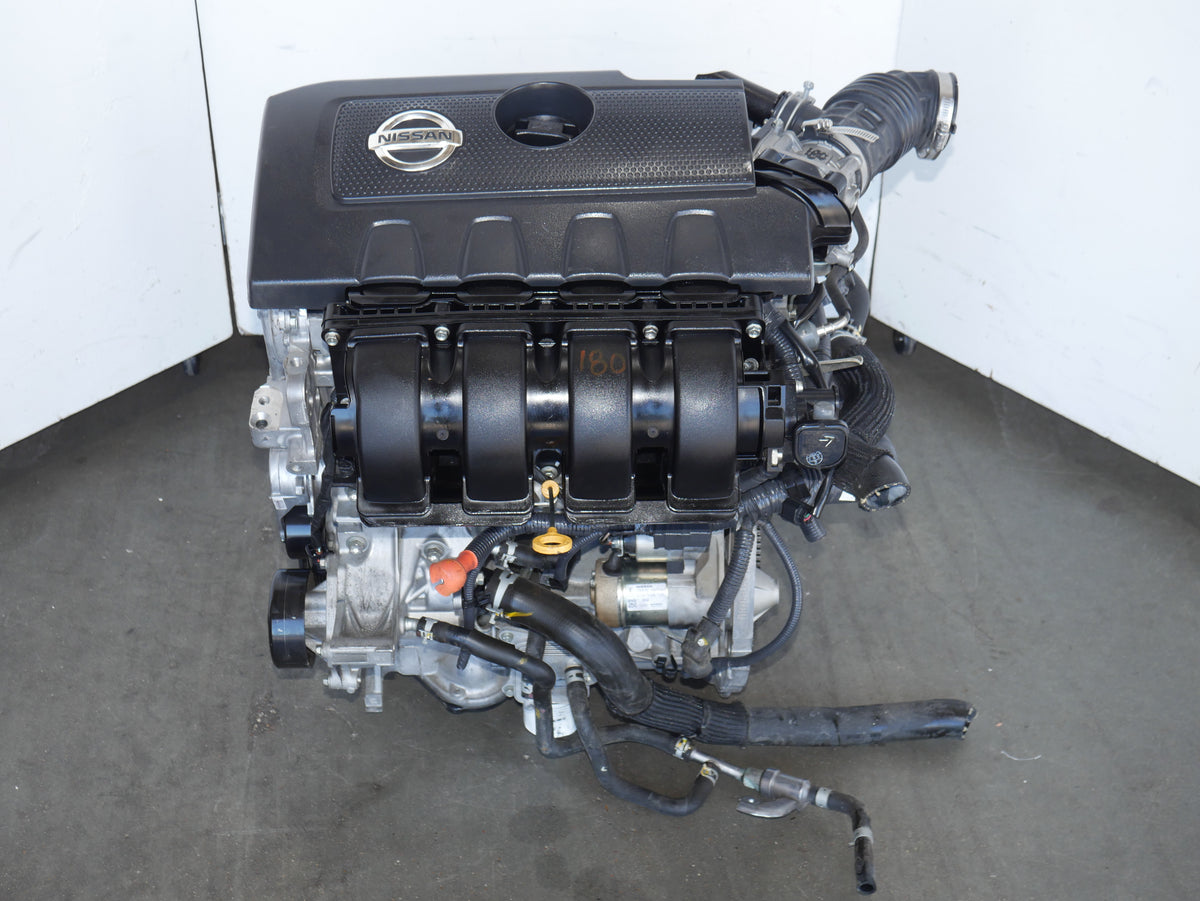
The 2014 Nissan Sentra is powered by a 1.8-liter DOHC inline-4 engine, designated as the MRA8DE. Unlike older Nissan powerplants that relied on heavier conventional oils, this engine was engineered specifically around low-viscosity synthetic lubrication to reduce internal friction and meet strict federal fuel economy standards.
Modern engines feature tight internal tolerances, precision hydraulic lifters, and advanced valve train systems such as Nissan’s Twin Continuously Variable Valve Timing Control (CVTCS). These systems depend heavily on consistent hydraulic pressure and rapid fluid flow, both of which are directly influenced by the engine oil's viscosity grade. Installing an incorrect oil weight can disrupt valve timing precision, decrease fuel mileage, and induce abnormal wear on camshaft lobes and bearing journals.
2. Factory-Specified Engine Oil Type and Viscosity
According to the official Nissan owner’s manual for the 2014 Sentra, the manufacturer strongly recommends SAE 0W-20 viscosity engine oil.
Understanding SAE 0W-20
- 0W (Winter Rating): Indicates how well the oil flows at very low temperatures. A lower number means the oil pumps more rapidly during cold winter startups, protecting critical engine components from dry friction seconds after ignition.
- 20 (Operating Rating): Represents the viscosity of the oil at standard engine operating temperatures (100°C or 212°F). This lower high-temp viscosity reduces fluid drag on internal moving parts compared to older 5W-30 or 10W-30 formulations.
Synthetic Requirement
While conventional oils were once standard, the 1.8L MRA8DE engine is best served by full synthetic oil. Synthetic formulations maintain their molecular stability across extreme temperature ranges, resist thermal breakdown during heavy stop-and-go driving, and resist forming sludge deposits inside narrow oil passages.
3. Oil Capacity and Filter Specifications
When performing an oil change on a 2014 Nissan Sentra, knowing the exact fluid capacity prevents both underfilling and overfilling, protecting the catalytic converter and engine seals.
| Parameter | Specification |
|---|---|
| Engine Displacement | 1.8 Liters (1,798 cc) MRA8DE |
| Oil Capacity (with Filter Change) | 3.8 US Quarts (3.6 Liters) |
| Oil Capacity (without Filter Change) | 3.5 US Quarts (3.3 Liters) |
| Recommended Viscosity | SAE 0W-20 |
| Oil Certification Standard | API Certified / ILSAC GF-5 or higher |
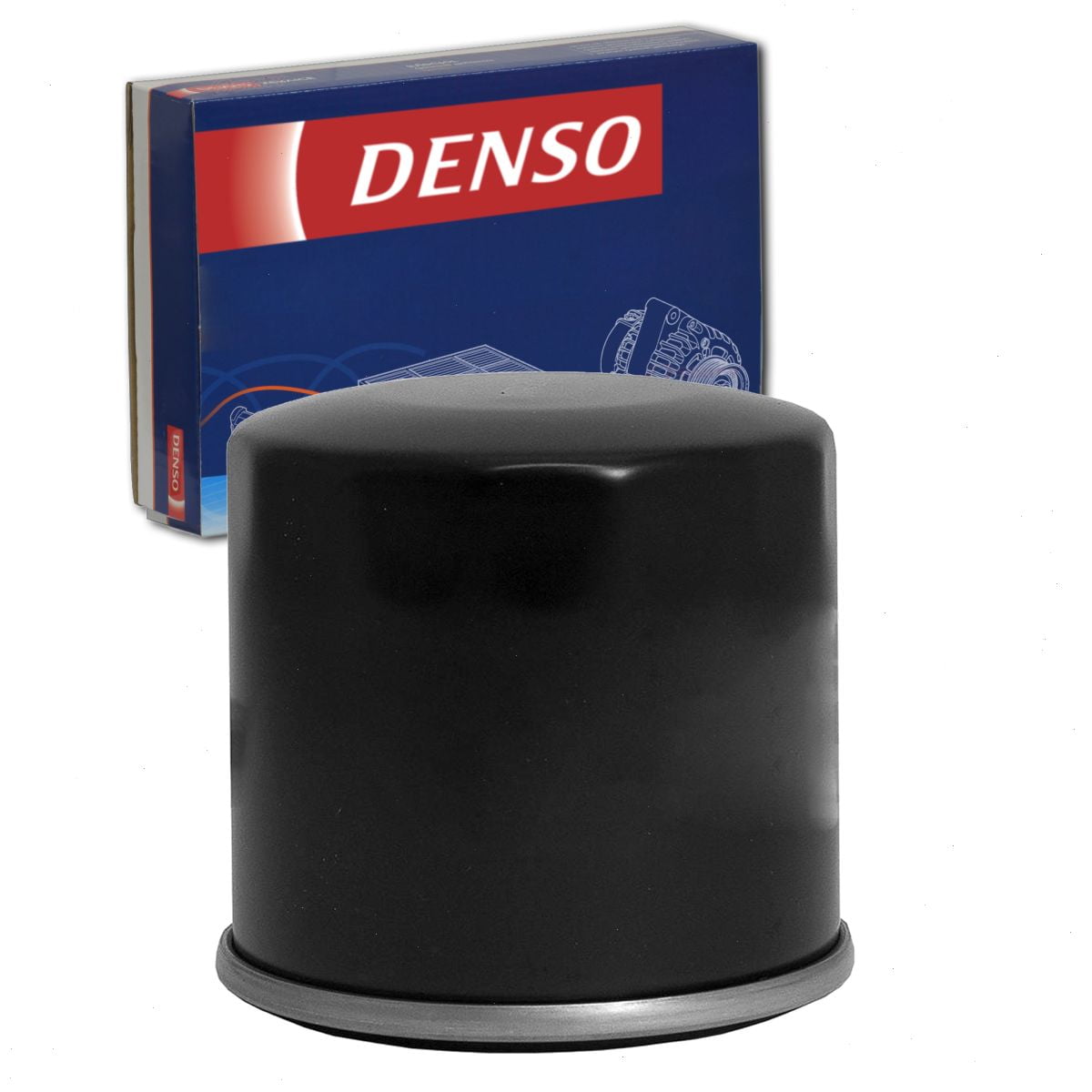
| Recommended Oil Filter | OEM Nissan Part #15208-65F0C (or high-quality equivalent) |
Note: Always verify the dipstick reading after adding approximately 3.5 quarts, run the engine briefly to fill the new oil filter, shut it down, wait a few minutes, and top off until the fluid level reaches the upper notch on the dipstick.
4. Recommended Oil Change Intervals
Adhering to a consistent maintenance schedule preserves engine longevity. Nissan outlines different service intervals based on driving conditions:
- Standard Driving Conditions: Every 7,500 miles or 6 months, whichever comes first. This applies to normal highway commuting and moderate climate operation.
- Severe Driving Conditions: Every 3,750 miles or 3 months.
What Constitutes Severe Driving?
- Frequent short trips under 5 miles in normal temperatures, or under 10 miles in freezing temperatures.
- Extensive idling or prolonged stop-and-go city traffic.
- Driving in dusty areas, or areas with salted/road-construction environments.
- Towing or continuous mountain driving.
Frequent short trips prevent the engine oil from reaching full operating temperature, allowing moisture and fuel dilution to accumulate. Under these conditions, shortening the oil change interval prevents accelerated oil degradation.
5. Step-by-Step Oil Change Procedure
Replacing the engine oil and filter on a 2014 Nissan Sentra is a straightforward maintenance task that can be completed at home with standard garage tools.
Tools and Supplies Needed
- 4 quarts of SAE 0W-20 full synthetic oil
- Replacement oil filter (e.g., Mann, Fram, Wix, or OEM Nissan)
- 14mm box-end wrench or socket ratchet
- Oil filter wrench
- Drain pan and funnel
- Floor jack and sturdy jack stands (or car ramps)
- Clean shop rags and nitrile gloves
- New crush washer for the oil drain plug
Execution Steps
- Prepare the Vehicle: Park on a level surface, engage the parking brake, and warm the engine for 3 to 5 minutes to warm the oil and suspend particulate contaminants. Shut off the engine.
- Elevate the Front End: Safely raise the front of the vehicle using a hydraulic floor jack and secure it with certified jack stands. Never work under a car supported solely by a hydraulic jack.
- Locate and Remove the Drain Plug: Position your drain pan underneath the oil pan drain plug. Use the 14mm wrench to loosen the drain plug counterclockwise, then carefully spin it out by hand, allowing the old oil to drain completely.
- Inspect and Replace the Crush Washer: Remove the old crush washer from the drain plug and install a new one to ensure a leak-free seal. Once draining slows to a drip, wipe the drain plug mating surface clean and reinstall the plug, tightening it to factory torque specifications (approximately 25–29 ft-lbs).
- Remove the Old Oil Filter: Locate the oil filter on the front-passenger side lower portion of the engine block. Place your drain pan underneath it, loosen the filter using an oil filter wrench, and unscrew it. Be mindful of residual oil spilling out.
- Install the New Oil Filter: Dip a clean finger into fresh 0W-20 oil and smear a thin film across the rubber gasket of the new oil filter. This ensures a proper seal and makes future removal easier. Screw the new filter on by hand until the gasket contacts the mounting base, then turn it an additional three-quarters to one full turn. Do not overtighten with tools.
- Refill with Fresh Oil: Remove the engine oil filler cap located on the valve cover. Insert a clean funnel and pour in 3.5 quarts of SAE 0W-20 synthetic oil. Remove the funnel and secure the filler cap.
- Check for Leaks and Verify Level: Start the engine and let it idle for 30 seconds while checking underneath for any leaks around the drain plug and oil filter. Turn off the engine, wait 5 minutes for the oil to drain back into the pan, pull the dipstick, wipe it, reinsert it, and check that the level rests squarely at the "H" (High) mark. Add the remaining oil incrementally if needed.
6. Frequently Asked Questions
Can I use 5W-30 oil in a 2014 Nissan Sentra?
While using 5W-30 in an emergency will not immediately destroy the engine, it is not recommended for regular use. The thicker viscosity creates higher fluid resistance, reducing fuel economy and potentially causing sluggish response in the variable valve timing actuators during cold weather. Always revert to 0W-20 at your earliest convenience.
Is synthetic oil mandatory for the 2014 Nissan Sentra?
While conventional 0W-20 oils technically exist, full synthetic oil is strongly recommended. Synthetic oils offer superior thermal stability, lower volatility, and better protection against varnish buildup in modern multi-valve engines.
How do I reset the oil maintenance light on a 2014 Nissan Sentra?
Depending on your specific trim level (e.g., S, SV, SR, SL) and whether your vehicle features the steering wheel control interface or dashboard buttons:
- Turn the ignition key to the "ON" position (do not start the engine).
- Use the directional buttons on the steering wheel or the trip computer stem on the instrument cluster to navigate to Settings or Maintenance.
- Scroll down to Oil Control or Service.
- Press and hold the enter button until the mileage interval resets to your target interval (e.g., 7,500 miles).
What happens if I overfill the engine oil?
Overfilling can cause the rotating crankshaft to whip the oil into a froth or foam. Aerated oil loses its hydraulic pressure properties, leading to lifter noise, poor lubrication, increased internal pressure, blown oil seals, and potential oil fouling of the spark plugs and emissions equipment. Always drain excess oil if the dipstick registers significantly above the upper full mark.
7. Practical Maintenance Recommendations
To keep your 2014 Nissan Sentra running smoothly beyond 150,000 miles, combine correct oil selection with proactive fluid discipline. Check your oil level manually using the dipstick at least once between every scheduled oil change. Modern engines can consume minor amounts of oil through normal vaporization and piston ring scraping, and catching low oil levels early prevents catastrophic engine damage. Always recycle your used motor oil and old filter responsibly by dropping them off at a local automotive parts retailer or municipal recycling center.