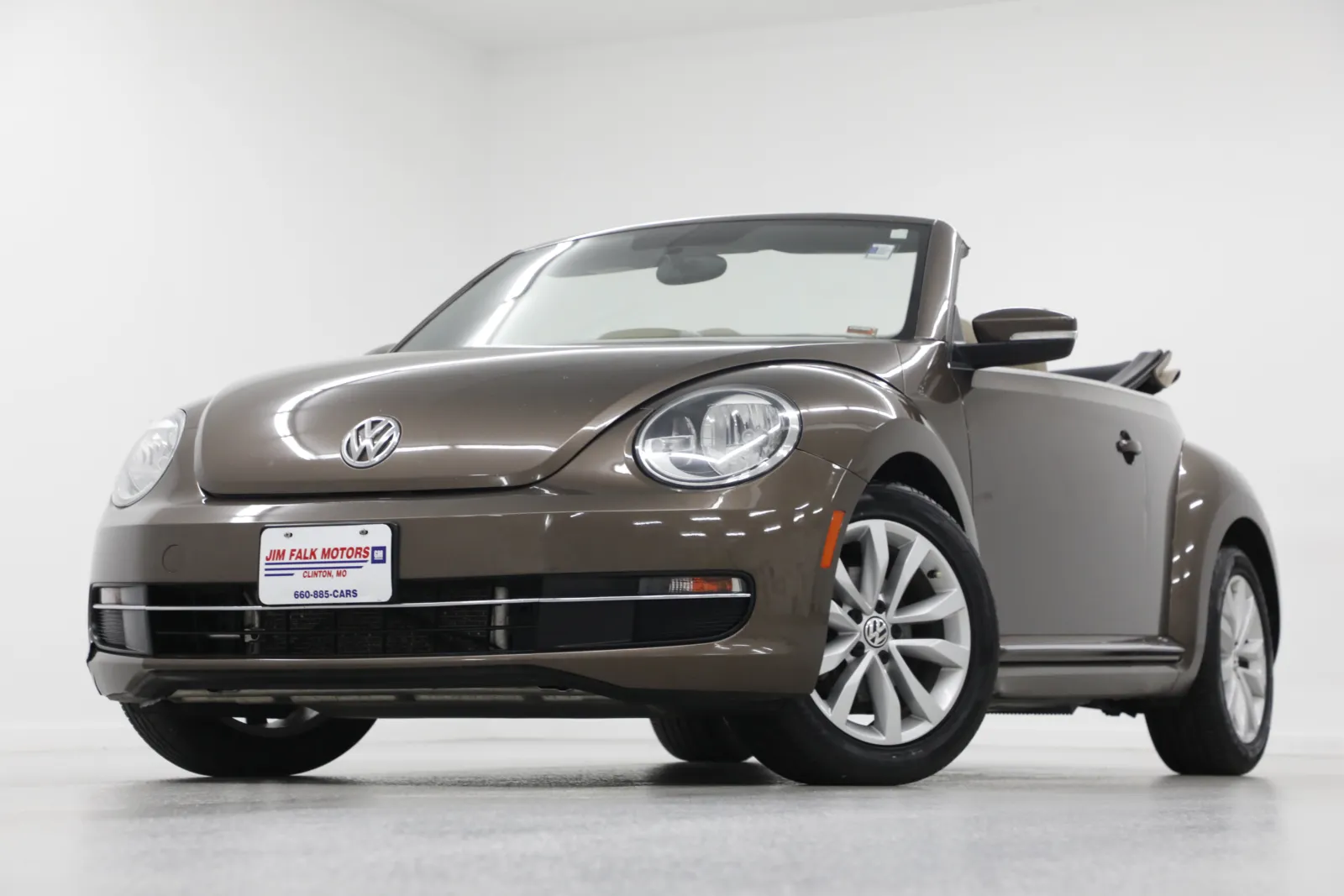
The 2013 Volkswagen Beetle Convertible marked a significant shift for the iconic nameplate, introducing a more masculine, flattened silhouette and a broader range of engines, including the 2.5L five-cylinder, the 2.0T turbocharged four, and the TDI Clean Diesel. It features a power-operated soft top that cycles in under 10 seconds, balancing retro charm with modern German engineering.
The Evolution of an Icon: The 2013 Redesign
The 2013 model year was pivotal for Volkswagen, as it officially introduced the convertible variant of the third-generation Beetle (internally designated the A5). This generation sought to distance itself from the "New Beetle" of the late 1990s and 2000s, which many critics found too feminine or overly reliant on a "bubble" shape. The 2013 Beetle Convertible featured a longer hood, a more upright windshield, and a flatter roofline, creating a profile that echoed the original Type 1 Beetle of the mid-20th century while offering a more aggressive stance.
In the context of 2026, the 2013 Beetle Convertible remains a popular choice on the used car market. It represents a "sweet spot" in the Beetle’s history where modern safety features and fuel injection technology met a design language that has aged remarkably well. Unlike its predecessor, which utilized a heavy amount of rounded plastic, the 2013 interior moved toward a more sophisticated, "body-color" dashboard layout that paid homage to the metal dashes of the 1950s and 60s.
Powertrain Options and Performance Characteristics
Volkswagen offered three distinct engine paths for the 2013 Beetle Convertible, each catering to different driving priorities. Understanding these engines is critical for any prospective owner in 2026, as maintenance requirements and long-term reliability vary significantly between them.
The 2.5-Liter Inline-Five (The Workhorse)
The base engine for 2013 was the 2.5-liter naturally aspirated five-cylinder. Producing 170 horsepower and 177 lb-ft of torque, this engine is often cited by mechanics as the most robust option for long-term ownership. While it lacks the "punch" of the turbocharged variants, its lack of a turbocharger means fewer points of failure. In 2026, these engines are known for reaching high mileage with relatively standard maintenance, though they are somewhat thirstier than their four-cylinder counterparts.
The 2.0-Liter TSI Turbo (The Enthusiast's Choice)
Standard on the "Turbo" trim (which later became the R-Line), this 2.0-liter four-cylinder produces 200 horsepower and 207 lb-ft of torque. It is paired either with a six-speed manual or the sophisticated six-speed DSG (Direct-Shift Gearbox) dual-clutch automatic. This powertrain transforms the Beetle from a cruiser into a legitimate "warm hatch," providing brisk acceleration and a much more engaging driving experience. However, owners must be diligent about timing chain tensioner inspections and DSG fluid services.
The 2.0-Liter TDI Clean Diesel (The Long-Distance Cruiser)
In 2013, the TDI was a major selling point, offering 140 horsepower and a robust 236 lb-ft of torque. It was lauded for its exceptional highway fuel economy, often exceeding 40 MPG in real-world conditions. While the Volkswagen emissions scandal later impacted the reputation of these engines, many 2013 models received the "Phase 2" emissions fix. In 2026, the TDI remains a niche but beloved choice for those who do significant highway commuting, provided they are comfortable with the unique maintenance needs of a diesel particulate filter (DPF).
| Feature | 2.5L Five-Cylinder | 2.0T Turbo | 2.0L TDI Diesel |
|---|---|---|---|
| Horsepower | 170 hp | 200 hp | 140 hp |
| Torque | 177 lb-ft | 207 lb-ft | 236 lb-ft |
| Transmission | 6-Speed Automatic | 6-Speed DSG or Manual | 6-Speed DSG or Manual |
| EPA Combined MPG | 23 MPG | 24 MPG | 32 MPG |
| Primary Benefit | Reliability/Simplicity | Performance/Power | Fuel Efficiency/Torque |
The Convertible Top: Mechanics and Operation
The centerpiece of the 2013 Beetle Convertible is its sophisticated soft-top system. Unlike many competitors that use a retractable hardtop—which adds significant weight and consumes trunk space—Volkswagen opted for a multi-layer fabric top.
The top is fully electric and can be operated at speeds up to 31 mph. It takes approximately 9.5 seconds to open and 11 seconds to close. A key design feature is the "Karmann-style" fold; the top does not hide under a plastic shroud or tonneau cover. Instead, it folds neatly behind the rear seats, mimicking the look of the classic Beetle convertibles. This design choice preserves trunk space, though the trunk opening itself remains relatively small and "mail-slot" like.
For owners in 2026, the condition of the hydraulic seals and the fabric's weatherproofing is paramount. The 2013 model featured improved acoustic insulation compared to the previous generation, making the cabin surprisingly quiet at highway speeds when the top is up.
Interior Design and Technology
The interior of the 2013 Beetle Convertible was a radical departure from the "New Beetle." Gone was the flower vase, replaced by a flat-bottom steering wheel and an optional three-gauge cluster atop the dashboard (standard on Turbo models) that displayed oil temperature, a timer, and turbo boost pressure.
Cargo and Practicality
While the Beetle is a four-seater, the rear seats are best reserved for children or short trips for adults. One significant improvement for 2013 was the inclusion of fold-down rear seats, which allowed for a pass-through into the trunk. This added a layer of practicality rarely seen in small convertibles.
Sound and Infotainment
Many 2013 models were equipped with the Fender Premium Audio System. Developed in partnership with the iconic guitar brand, this system includes a 400-watt amplifier and a trunk-mounted subwoofer. Even by 2026 standards, the Fender system remains highly regarded for its clarity and "live" sound profile, which is particularly effective when the top is down and wind noise is a factor.
Special Editions: 50s, 60s, and 70s
To celebrate the launch of the 2013 Convertible, Volkswagen released three "Decade" editions, each featuring unique color palettes and interior trim:
- The 50s Edition: Characterized by "Black Uni" paint, a tan interior, and "Heritage" alloy wheels that mimic the chrome hubcaps of the 1950s.
- The 60s Edition: Often found in "Denim Blue" or "Candy White," this edition featured two-tone sport seats and a more "beachy" aesthetic.
- The 70s Edition: Focused on elegance, utilizing a "Toffee Brown" metallic paint, chrome mirror caps, and beige leatherette upholstery.
These special editions are highly sought after in the used market of 2026 because they represent the most "collectible" versions of the A5 generation, holding their value better than the standard base trims.
Long-Term Reliability and 2026 Maintenance Outlook
Buying a 2013 Beetle Convertible in 2026 requires a keen eye for specific mechanical issues common to the Volkswagen Group platforms of that era.
- Timing Chain Tensioner (2.0T Models): Early versions of the 2.0T TSI engine had a known flaw with the timing chain tensioner. Prospective buyers should verify if the updated part was installed, as failure can lead to catastrophic engine damage.
- Water Pump Failures: The plastic water pump housings used in 2013 are prone to leaking over time. Many owners in 2026 have upgraded these to aluminum aftermarket units.
- Window Regulators: Convertible Volkswagens are known for window regulator wear. Because the windows must "index" (drop slightly) every time the door is opened or the top is moved, these motors work harder than those in the coupe.
- DSG Servicing: If the car is equipped with the DSG transmission, it requires a fluid and filter change every 40,000 miles. Neglecting this can lead to jerky shifting or "the flash of death" on the gear indicator.
Safety and Crash Ratings
The 2013 Beetle Convertible was engineered with safety in mind, featuring reinforced A-pillars and an Automatic Rollover Support System. In the event of a rollover, two hidden bars behind the rear seats deploy in milliseconds to provide a survival space for occupants.
According to the Insurance Institute for Highway Safety (IIHS), the Beetle of this era generally performed well in crash tests, though it predates the more rigorous small-overlap front tests that are standard today. It includes front and side-curtain airbags, electronic stability control, and anti-lock brakes as standard equipment.
Practical Expert Guidance for Buyers
If you are evaluating a 2013 Beetle Convertible today, the first step is to check the top's operation. Listen for any straining in the motors or "popping" sounds from the hinges. Inspect the rear glass window; in some older models, the adhesive holding the glass to the fabric can begin to fail, which is an expensive repair.
Furthermore, request the service history for the 2.5L or 2.0T engines. For the 2.5L, check for oil leaks around the vacuum pump. For the 2.0T, ensure the carbon cleaning of the intake valves has been performed at least once, as direct-injection engines are prone to carbon buildup that can sap power and cause rough idling.
Related Questions (FAQ)
How do I manually close the roof if the motor fails?
The 2013 Beetle Convertible includes an emergency procedure located in the owner's manual. It involves using a specific tool (usually stored in the glovebox or tool kit) to release hydraulic pressure and manually pull the top into the locked position. It is a two-person job and should only be used to secure the car until it can be serviced.
Is the 2013 Beetle Convertible good in the winter?
Yes, provided it is properly maintained. The multi-layer soft top provides excellent thermal insulation. However, the frameless windows can sometimes freeze to the weatherstripping. Applying a silicone-based lubricant to the seals can prevent the windows from sticking in freezing temperatures.
What is the difference between the Turbo and the R-Line?
In the early part of the 2013 model year, the performance model was simply called the "Turbo." Later in the year and into 2014, VW transitioned the name to "R-Line," which included more aggressive bumpers, R-Line badging, and different wheel designs, though the 200-horsepower engine remained essentially the same.
Does the 2013 Beetle have Bluetooth and modern connectivity?
Most 2013 trims came standard with Bluetooth for phone calls and music streaming. Higher trims included the MDI (Media Device Interface) with a proprietary cable for iPods, which can be easily adapted to modern USB-C or Lightning connections with aftermarket dongles available in 2026.
How much trunk space is lost when the top is down?
One of the engineering triumphs of the 2013 redesign is that the trunk capacity remains the same (approx. 7.1 cubic feet) regardless of whether the top is up or down. This is because the top folds into its own dedicated space outside of the luggage compartment.
Final Recommendation
The 2013 Volkswagen Beetle Convertible is a stylish, well-built vehicle that offers a more sophisticated driving experience than its "New Beetle" predecessor. For the best balance of longevity and cost-of-ownership in 2026, look for a low-mileage 2.5L Five-Cylinder model. If you prioritize driving dynamics, the 2.0T Turbo is the clear winner, provided you have a documented service history regarding the timing chain and DSG maintenance. Regardless of the trim, ensure the convertible top is in pristine condition, as it is the most complex and costly component to repair on this modern classic.