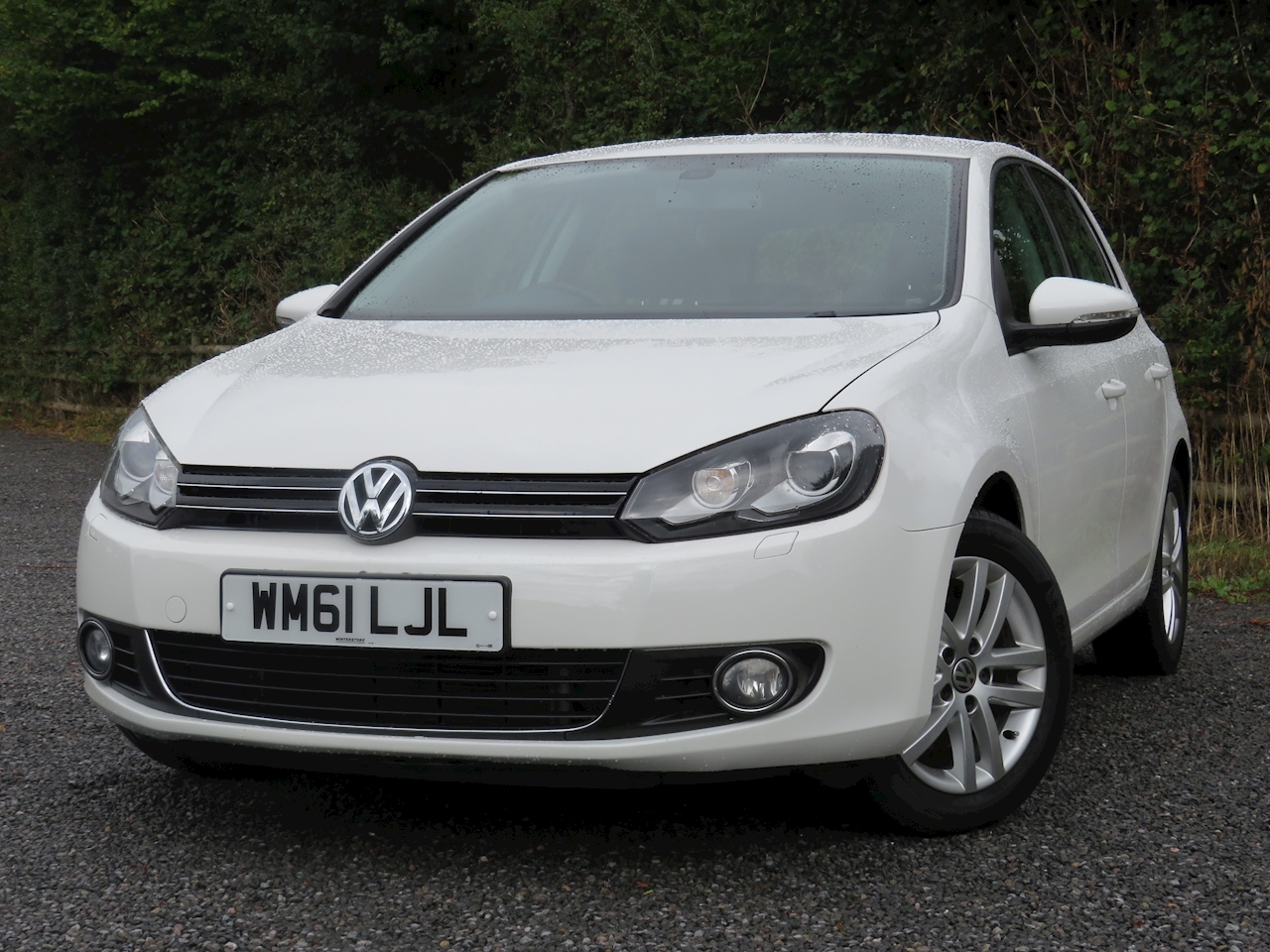
The 2012 VW Golf offers a wide fuel economy range depending on the powertrain, typically delivering between 23 and 30 MPG in the city and 31 to 42 MPG on the highway. The 2.0L TDI diesel variant remains the efficiency leader, while the base 2.5L five-cylinder engine prioritizes durability over record-breaking fuel savings.
The 2012 Volkswagen Golf (the Mk6 generation) remains a popular fixture on the used car market in 2026. Buyers often target this specific year because it represents a sweet spot in build quality and mechanical simplicity before the more complex electronics of later generations took hold. However, understanding the fuel economy of this vehicle requires a deep dive into its diverse engine lineup, transmission choices, and the long-term impact of age on fuel efficiency.
The 2.5L Five-Cylinder: The Reliable Workhorse
The most common engine found in the 2012 Golf is the 2.5-liter naturally aspirated five-cylinder engine. While unique for its distinctive "growl" and linear power delivery, it was never designed to be an ultra-efficient fuel-sipper. In 2012, Volkswagen positioned this as the base engine for the North American market, focusing on torque and long-term reliability rather than maximum MPG.
City vs. Highway Performance
According to EPA estimates from the era, the 2.5L engine paired with a 5-speed manual transmission achieved roughly 23 MPG city and 33 MPG highway. If you opted for the 6-speed traditional torque-converter automatic, those numbers shifted slightly to 24 MPG city and 31 MPG highway.
The reason for the highway drop in the automatic version is the inherent parasitic loss found in older hydraulic automatic transmissions compared to a direct mechanical connection in a manual. In real-world driving scenarios—especially now that these vehicles have aged significantly—owners typically report an average combined fuel economy of approximately 26 MPG. For a compact car, these numbers were considered "average" in 2012 and are considered somewhat low by 2026 standards, where hybrid powertrains have become the norm.
Durability Trade-offs
The 2.5L engine is often praised for its "bulletproof" nature. Unlike the turbocharged engines in the lineup, it lacks a high-pressure turbocharger or complex direct injection systems that require frequent carbon cleaning. This means that while you pay more at the pump, you often pay less at the mechanic. When calculating the total cost of ownership in 2026, the lower fuel economy of the 2.5L is often offset by its lower maintenance requirements.
The 2.0L TDI: The Efficiency Champion and the "Dieselgate" Legacy
For those prioritizing fuel economy, the 2012 Golf TDI (Turbocharged Direct Injection) was the undisputed king of its class. Utilizing a 2.0-liter diesel engine, this model was marketed with an EPA rating of 30 MPG city and 42 MPG highway.
The Impact of Emissions Modifications
It is impossible to discuss the 2012 TDI fuel economy without addressing the emissions scandal (Dieselgate). Most 2012 TDI models on the road today have undergone a mandatory emissions "fix" mandated by regulators. This software and hardware update changed the combustion timing and the frequency of the Diesel Particulate Filter (DPF) regeneration cycles.
Data from long-term owners suggests that the "fixed" 2012 TDI models often see a slight decrease in fuel economy, typically settling around 38 to 40 MPG on the highway. Despite this slight dip, the TDI remains significantly more efficient than any gasoline-only Golf from the same era. The high energy density of diesel fuel allows the TDI to excel in long-distance cruising, where it is not uncommon for drivers to achieve over 500 miles on a single tank of fuel.
Transmission Differences in the TDI
The TDI was available with either a 6-speed manual or a 6-speed DSG (Direct Shift Gearbox). The DSG is a dual-clutch automated manual that provides lightning-fast shifts. Unlike the traditional automatic in the 2.5L model, the DSG is highly efficient. In many cases, the DSG achieves nearly identical fuel economy to the manual because it maintains a direct mechanical link to the engine without the slipping associated with a torque converter.
The GTI and Golf R: Performance vs. Efficiency
The 2012 Golf lineup also included the performance-oriented GTI and the all-wheel-drive Golf R. These models utilize a 2.0L turbocharged TSI engine that requires premium gasoline (91 octane or higher), which adds to the operating cost even if the MPG numbers look respectable.
- 2012 VW GTI: This model balances performance and economy quite well. It carries an EPA rating of 24 MPG city and 33 MPG highway for the 6-speed manual, and 24/32 for the DSG. Because the turbocharger provides significant torque at low RPMs, the GTI does not need to be revved high to keep up with traffic, allowing it to stay relatively efficient in daily commuting.
- 2012 VW Golf R: As the flagship performance model, the Golf R uses a more powerful version of the 2.0T engine and the 4Motion all-wheel-drive system. The added weight of the AWD hardware and the increased drag of the system result in the lowest fuel economy in the 2012 lineup, rated at 19 MPG city and 27 MPG highway.
2012 VW Golf Fuel Economy Comparison Table
The following table summarizes the EPA-rated fuel economy for the 2012 VW Golf across its primary configurations.
| Engine Type | Transmission | City MPG | Highway MPG | Combined MPG | Fuel Type |
|---|---|---|---|---|---|
| 2.5L 5-Cyl | 5-Speed Manual | 23 | 33 | 26 | Regular Gas |
| 2.5L 5-Cyl | 6-Speed Auto | 24 | 31 | 26 | Regular Gas |
| 2.0L TDI | 6-Speed Manual | 30 | 42 | 34 | Diesel |
| 2.0L TDI | 6-Speed DSG | 30 | 42 | 34 | Diesel |
| 2.0L TSI (GTI) | 6-Speed Manual | 21 | 31 | 25 | Premium Gas |
| 2.0L TSI (GTI) | 6-Speed DSG | 24 | 32 | 27 | Premium Gas |
| 2.0L TSI (R) | 6-Speed Manual | 19 | 27 | 22 | Premium Gas |
Note: Figures are based on original EPA testing. Real-world results in 2026 may vary based on vehicle condition and maintenance history.
Factors Influencing Fuel Economy in 2026
When evaluating a 2012 Golf today, several factors can cause the actual fuel economy to deviate from the original window sticker numbers. Because these vehicles are now 14 years old, mechanical wear is a primary concern.
Carbon Buildup
The TDI and GTI engines use Direct Injection (DI). In a DI engine, fuel is sprayed directly into the combustion chamber rather than over the intake valves. Over time, carbon deposits build up on the intake valves because they are not "washed" by gasoline. This restriction in airflow reduces engine efficiency, leading to a noticeable drop in MPG and sluggish throttle response. A professional carbon cleaning (often called "walnut blasting") can frequently restore lost fuel economy.
Spark Plugs and Ignition Coils
For the gasoline models (2.5L and 2.0T), worn spark plugs or failing ignition coils can cause incomplete combustion. This not only increases fuel consumption but can eventually damage the catalytic converter. In 2026, many used Golfs are on their third or fourth set of plugs; ensuring they are gapped correctly is vital for maintaining the 30+ highway MPG ratings.
Tire Choice and Pressure
The 2012 Golf was originally equipped with low-rolling-resistance tires to help meet its EPA targets. If a previous owner replaced these with cheaper, high-friction tires or performance-oriented summer tires, the fuel economy can drop by 1–3 MPG. Furthermore, as a car ages, drivers may become less diligent about monitoring tire pressure. Under-inflated tires are one of the most common causes of poor fuel economy in older hatchbacks.
Sensor Degradation
The Mass Airflow (MAF) sensor and Oxygen (O2) sensors play a critical role in the engine's air-fuel ratio. As these sensors age, they may not fail completely (which would trigger a Check Engine Light), but they may become "lazy," providing slightly inaccurate data to the ECU. This often results in the engine running "rich" (using more fuel than necessary), which quietly erodes fuel efficiency over time.
Comparison: 2012 Golf vs. Modern Alternatives
In 2026, the 2012 Golf faces stiff competition from newer used vehicles and modern hybrids. While the 2012 Golf TDI’s 42 MPG highway remains impressive, modern hybrids like the Toyota Prius or even later-model Golfs (Mk7 and Mk8) offer significantly better city mileage.
The Mk7 Golf (2015-2021) introduced the 1.8T four-cylinder engine, which largely replaced the 2.5L five-cylinder. The 1.8T offered better fuel economy (around 37 MPG highway) and more torque. However, the 2012 model is often preferred by DIY mechanics because the engine bay of the 2.5L is relatively easy to work on, and the lack of a turbocharger means there are fewer points of failure as the vehicle crosses the 150,000-mile mark.
Troubleshooting Poor Fuel Economy in a 2012 Golf
If your 2012 Golf is significantly underperforming its EPA ratings, there are several steps you can take to diagnose the issue:
- Check for Dragging Brakes: The rear calipers on the Mk6 Golf are known to stick as they age. A slightly dragging brake pad can significantly increase fuel consumption and heat up the wheel hub.
- Scan for "Soft" Codes: Use an OBD-II scanner (like VCDS or OBDeleven) to check for codes that haven't yet triggered a dashboard light. Issues with the coolant temperature sensor can keep the engine in "warm-up mode," which uses significantly more fuel.
- Inspect the Air Filter: It is a simple fix, but a clogged air filter starves the engine of oxygen, forcing the computer to compensate with more fuel or reduced power.
- Evaluate the Thermostat: If the engine takes a long time to reach operating temperature (90°C or 190°F), the thermostat may be stuck open. A cold engine is an inefficient engine.
Frequently Asked Questions
Does the 2012 VW Golf require premium gas?
Only the GTI and Golf R models require premium (91 octane or higher) fuel to achieve their rated fuel economy and performance. The base 2.5L five-cylinder engine is designed to run on regular 87-octane gasoline. The TDI requires Ultra-Low Sulfur Diesel (ULSD). Using regular gas in a GTI will result in reduced power and slightly lower fuel economy as the engine computer retards timing to prevent knocking.
How many miles can a 2012 VW Golf go on a full tank?
The 2012 Golf has a 14.5-gallon fuel tank. For the 2.5L model, the range is typically between 380 and 420 miles on the highway. The TDI model is much more impressive, often capable of covering 550 to 600 miles on a single tank under ideal highway conditions.
Is the 2012 Golf TDI still a good buy for fuel economy in 2026?
Yes, provided you drive long distances. Diesel engines are at their most efficient when they reach a steady operating temperature on the highway. If your daily commute is short (under 5 miles) and involves lots of stop-and-go traffic, the TDI’s Diesel Particulate Filter (DPF) may become clogged, leading to expensive repairs that outweigh the fuel savings.
Why is my 2012 VW Golf 2.5L getting bad gas mileage in the winter?
Winter fuel blends typically contain less energy per gallon than summer blends. Additionally, the 2.5L engine takes longer to reach its most efficient operating temperature in cold weather. Increased use of electrical accessories (heaters, defrosters, heated seats) also puts a higher load on the alternator, slightly decreasing MPG.
Does the DSG transmission help or hurt fuel economy?
In the 2012 Golf, the DSG transmission is generally more efficient than a traditional automatic. Because it uses clutches rather than a fluid-filled torque converter, there is less energy loss. However, the DSG requires a fluid service every 40,000 miles, which is an added maintenance cost to consider alongside fuel savings.
Practical Recommendation for Buyers
If you are looking for a 2012 VW Golf in 2026 with a focus on fuel economy, the 2.0L TDI is the clear winner, especially for highway commuters. However, ensure the vehicle has a documented history of DSG fluid changes (if applicable) and that the timing belt has been replaced (usually required every 120,000 miles).
For those who do mostly city driving or want the lowest possible maintenance costs, the 2.5L gasoline model is a better choice despite its lower MPG. While you will spend more on fuel, the simplicity of the five-cylinder engine often results in fewer "surprise" repair bills as the car enters its second decade of service. Regardless of which model you choose, verify the health of the oxygen sensors and ensure the intake system is free of carbon buildup to achieve the best possible fuel economy.