When your 2007 Honda Civic air conditioning system fails to blow cold air, the issue typically stems from one of four primary areas: electrical faults in the compressor clutch circuit, low refrigerant levels due to a system leak, a failing expansion valve, or a malfunctioning climate control relay. Addressing this involves a systematic verification of electrical signals, pressure levels, and mechanical engagement to isolate the faulty component.
Understanding the 2007 Honda Civic A/C Architecture
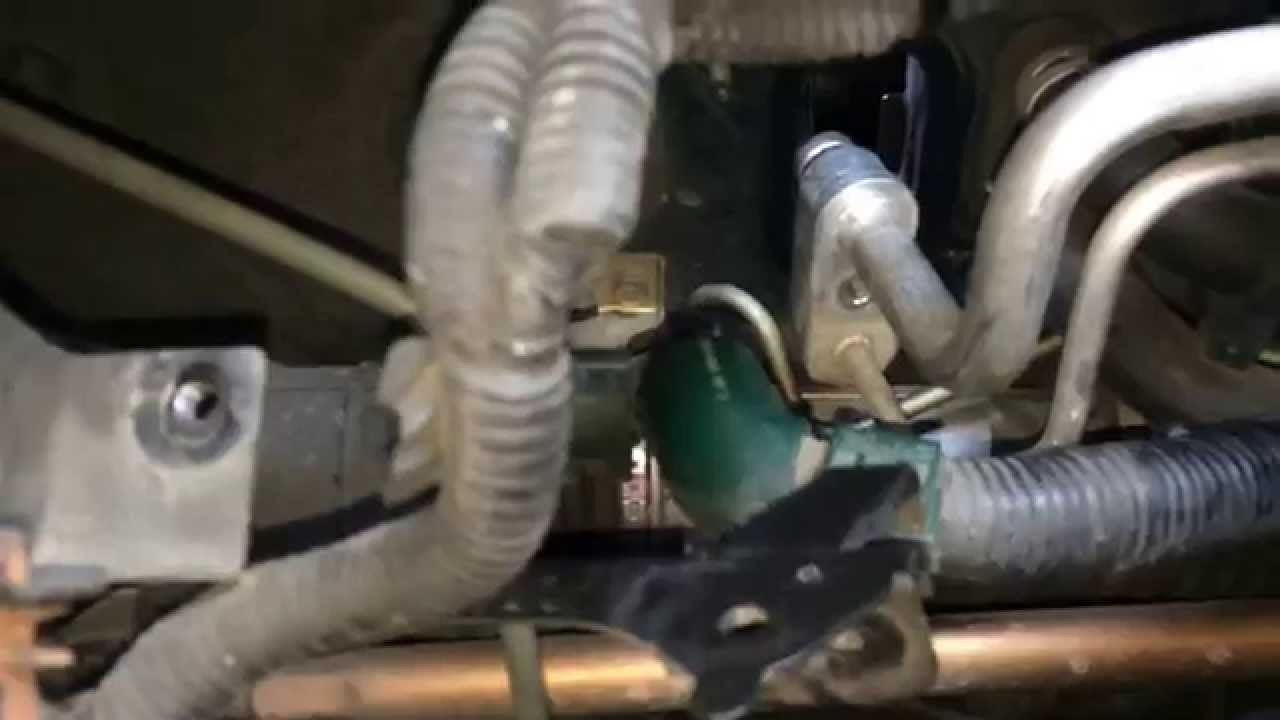
The 2007 Honda Civic utilizes a relatively straightforward refrigerant cycle common to mid-2000s Japanese imports. The system relies on a belt-driven compressor, a condenser located in front of the radiator, an expansion valve (often called the thermal expansion valve or TXV), and an evaporator core located behind the dashboard.
The system is controlled by the HVAC control module, which receives signals from the ambient temperature sensor, internal cabin sensors, and pressure switches. When you press the "A/C" button, the module signals the Engine Control Module (ECM) to engage the compressor clutch relay. If the system detects low refrigerant pressure, the pressure switch prevents the compressor from engaging to protect it from internal damage.
Step 1: Electrical and Relay Verification
Before connecting a gauge set to check refrigerant pressures, perform a simple "click test." With the engine running and the A/C set to "Max" and the fan on, listen for a distinct audible click coming from the engine bay when you toggle the A/C button on and off. If you do not hear the click, the compressor clutch is not receiving power.
- Check the A/C Compressor Clutch Relay: This is a common failure point for the 2007 Civic. Located in the under-hood fuse box, the A/C clutch relay can burn out over time. Swap it with an identical relay from a non-critical circuit (like the horn) to see if the compressor engages.
- Inspect the Compressor Clutch Coil: If the relay is functional, verify if the clutch plate at the front of the compressor is physically spinning. If it is stationary while the engine runs, the clutch may be dead, or the system may be "inhibited" by low pressure.
- Verify Fuses: Check the under-dash and under-hood fuse panels for blown fuses related to the "AC" or "Cooling Fan" circuits.
Step 2: Assessing Refrigerant Levels
Refrigerant does not "wear out"; if your system is low, there is almost certainly a leak. You can use a DIY manifold gauge set to check the pressures.
- Low-Side Pressure: Should typically range between 25 and 40 PSI depending on ambient temperature.
- High-Side Pressure: Should typically range between 150 and 250 PSI.
If the low-side reading is extremely low (near zero) even with the compressor engaged, you are likely low on refrigerant. However, do not simply "top off" the system with an off-the-shelf recharge kit. If a leak exists, adding refrigerant is a temporary fix that risks introducing moisture into the system, which can cause the receiver-drier to fail or create acidic sludge that damages the compressor from the inside.
Step 3: Common Component Failures
Beyond the relay and refrigerant, specific components are known to cause issues in the 2007 Civic platform.
- Thermal Expansion Valve (TXV): This valve regulates the flow of refrigerant into the evaporator. If it becomes clogged with debris or fails, you may experience "cold on one side, warm on the other" or erratic cooling. Diagnosis often requires professional equipment to monitor sub-cooling and superheat levels.
- Compressor Clutch Gap: Over many years, the air gap between the compressor clutch plate and the pulley can widen due to wear. If the gap exceeds the factory specification (usually around 0.5mm), the electromagnetic coil may not have enough strength to pull the plate in to engage the compressor. Many owners have successfully restored functionality by removing the clutch shim to decrease this gap.
- Cooling Fan Motor: If the cooling fan behind the radiator does not turn on when the A/C is engaged, the high-side pressure will spike, and the system will automatically shut down to prevent a catastrophic hose burst. Verify that both the engine cooling fan and the A/C condenser fan are operating when the system is switched on.
Diagnostic Comparison Table
| Symptom | Probable Cause | Diagnostic Method |
|---|---|---|
| No click, clutch stays still | Relay or Blown Fuse | Swap relay or test for voltage at the clutch plug. |
| Clicking, but no cooling | Low Refrigerant | Use manifold gauges to check pressure levels. |
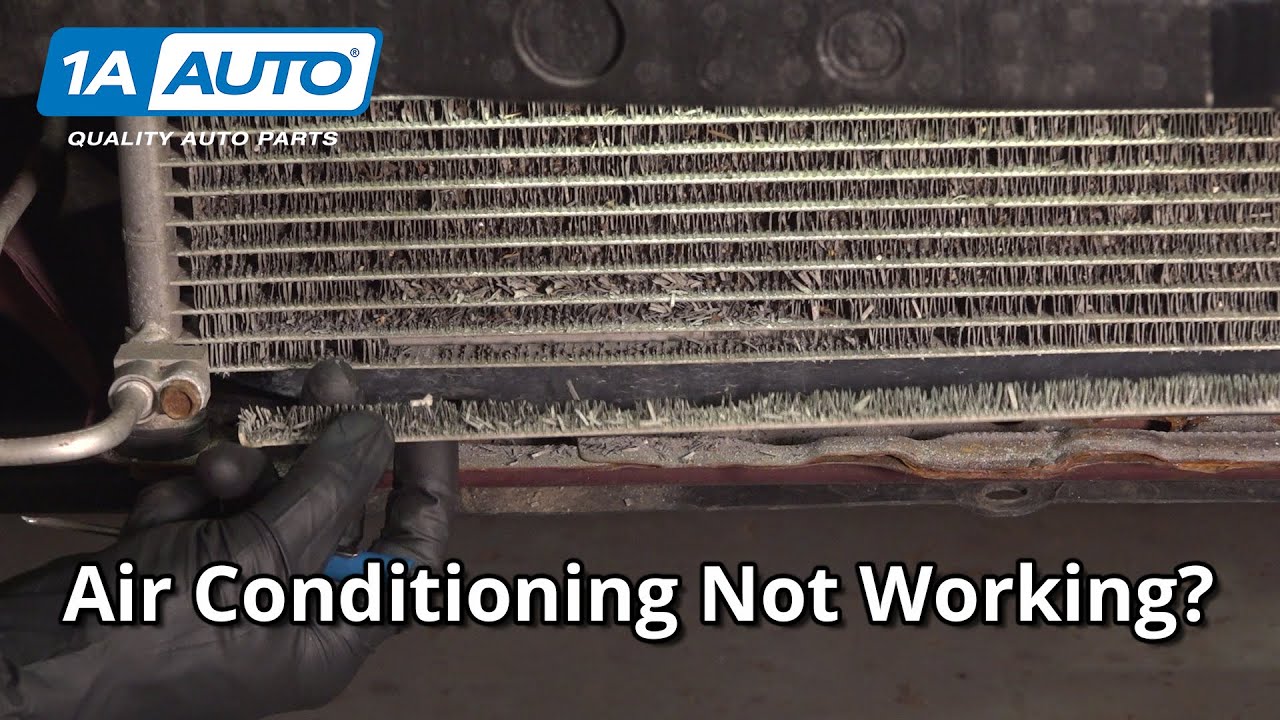
| Clutch engages, then cuts out | High-side pressure switch or blocked condenser | Check for debris in condenser or cooling fan failure. |
| Blowing warm intermittently | Excess clutch gap | Measure gap with feeler gauge (shim adjustment). |
| Whistling noise in dash | Failed Expansion Valve | Listen for air/gas flow issues behind the glovebox. |
Safety Precautions
Refrigerant (R-134a) is pressurized and can cause severe frostbite if it comes into contact with your skin. Furthermore, the compressor clutch operates at high rotational speeds. Always wear safety glasses and gloves when working near moving belts or pressurized lines. Never attempt to loosen refrigerant fittings while the system is charged.
If you decide to handle the refrigerant yourself, ensure you are using a certified recovery machine if you intend to evacuate the system. Venting refrigerant into the atmosphere is illegal and environmentally damaging. If you are not comfortable handling pressurized gases, perform all electrical and visual inspections first, then take the vehicle to a certified A/C shop for the mechanical portion of the repair.
Frequently Asked Questions
1. Can I just use a store-bought refrigerant recharge kit? Recharge kits are a short-term solution for a system that has very slow seepage. They do not address the root cause of a leak. If you have a significant leak, the refrigerant will simply escape again, and you may overcharge the system, causing permanent damage to the compressor.
2. Why is my cooling fan not turning on with the A/C? The ECM requires the cooling fan to be active to dissipate heat from the condenser. If the fan motor is burnt out or the fan resistor is damaged, the A/C system will enter a "fail-safe" mode and cut off the compressor to prevent the high-side pressure from reaching dangerous levels.
3. What is the "shimming" trick I hear about for 2007 Civics? The compressor clutch plate wears down over time, increasing the distance the electromagnet must pull to engage the compressor. By removing the clutch unit and taking out one of the thin metal shims located behind the pulley, you restore the factory-spec gap, allowing the old magnet to engage the clutch properly once again.
4. How do I know if my compressor is seized? If the compressor clutch is engaged but the center of the pulley refuses to turn, the internal pistons of the compressor are likely seized. This is a "catastrophic" failure that usually requires replacing the compressor, the receiver-drier, and flushing the entire A/C lines to remove metal debris.
5. Is the cabin air filter related to my A/C not blowing cold? A clogged cabin air filter will restrict airflow, making the A/C feel weak. While it does not stop the system from producing cold air, it prevents that air from entering the cabin. Check your cabin air filter behind the glovebox; if it is black and full of debris, replace it before assuming there is a mechanical issue with the A/C system itself.
Recommendation for Next Steps
Start with the "click test" and the relay inspection. These are the most common and least expensive failure points for a 2007 Honda Civic. If the relay is functional and the cooling fans are running, invest in a quality set of A/C manifold gauges to verify your pressures. If pressures are abnormal, document your readings—this will save significant time and money if you eventually need to visit a professional mechanic for a leak detection or a component replacement.