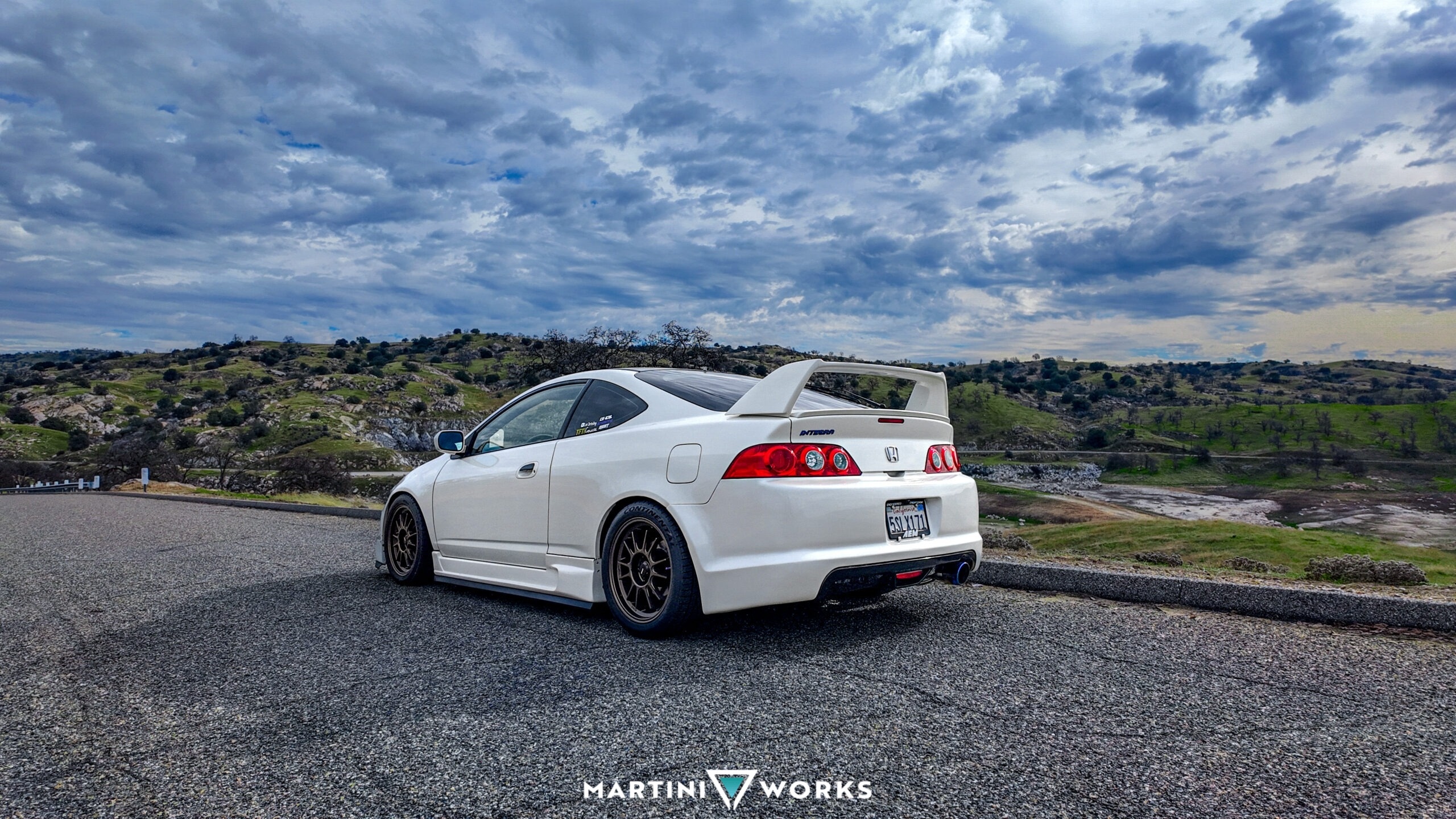
The 2006 Acura RSX Type S is widely regarded as the final evolution of a high-performance legend, featuring the K20Z1 engine rated at a factory-spec 210 horsepower (SAE net) and 143 lb-ft of torque. For enthusiasts, this vehicle represents the zenith of the RSX platform, offering a high-revving naturally aspirated experience that serves as an ideal foundation for both street-driven upgrades and dedicated track builds.
Understanding the K20Z1 Powerplant
At the heart of the 2006 RSX Type S lies the K20Z1, a 2.0-liter DOHC i-VTEC engine that distinguishes itself from the earlier K20A2 found in 2002–2004 models. While the base block architecture remains consistent with the K-series lineage, the Z1 engine introduced revised camshaft profiles, a larger intake duct, and a redesigned exhaust system that bumped output over the previous 200-horsepower rating.
For the enthusiast, the "210 hp" figure is often viewed as a starting point. The engine’s true allure is its high-RPM threshold, with a redline set at 8,100 RPM. This peak power delivery requires the driver to keep the engine in the "power band"—the range where the Variable Valve Timing and Lift Electronic Control (VTEC) system engages to provide aggressive intake and exhaust timing. Understanding this power delivery is critical; unlike modern turbocharged engines that provide immediate low-end torque, the RSX Type S rewards mechanical sympathy and precise gear selection.
Factory Performance Benchmarks
When the 2006 RSX Type S was introduced, its performance was categorized by a shift toward more usable power through the rev range. The factory specifications were as follows:
- Engine: 2.0L Inline-4 K20Z1
- Horsepower: 210 hp @ 7,800 RPM
- Torque: 143 lb-ft @ 7,000 RPM
- Compression Ratio: 11.0:1
- Transmission: 6-speed manual with limited-slip differential (introduced in the 2005 refresh)
The inclusion of the limited-slip differential (LSD) in the 2005–2006 models was a transformative upgrade. It significantly improved the car's ability to put its horsepower to the pavement during cornering, reducing inside-wheel spin—a common complaint among early RSX owners. For those buying in 2026, verifying that the transmission is indeed the factory LSD-equipped unit is essential, as many earlier gearboxes have been swapped into or out of these chassis over the last two decades.
The Enthusiast’s Pathway: Bolt-on Performance
Because the K20Z1 is naturally aspirated, extracting more horsepower requires improving volumetric efficiency. Enthusiasts typically follow a "stage" progression to increase output without sacrificing the reliability of the stock internals.
- Intake and Exhaust (Bolt-ons): The most common starting point is the installation of a cold air intake (CAI) paired with a high-flow header and exhaust system. Because the K-series engines respond well to air velocity, moving from the restrictive factory exhaust manifold to an aftermarket "race header" can yield noticeable gains in the mid-to-high RPM range.
- Engine Management: Upgrading the Engine Control Unit (ECU) is the "golden key" for the RSX. Using an aftermarket programmable ECU (such as the K-Pro system), tuners can optimize air-fuel ratios, adjust VTEC engagement points, and refine ignition timing. This step alone can elevate the car’s responsiveness far beyond factory calibration.
- Intake Manifold Upgrades: Replacing the factory intake manifold with a performance-oriented unit (like the RBC or RRC manifold) allows for better airflow distribution into the combustion chamber, supporting higher horsepower levels when combined with intake and exhaust modifications.
Comparison of Performance Configurations
| Modification Stage | Expected Power Gain | Focus Area | Cost/Complexity |
|---|---|---|---|
| Stock (2006) | 210 hp (Crank) | Baseline | N/A |
| Basic Bolt-ons | 10–15 whp | Airflow | Low |
| Full Header + Exhaust + Tune | 25–35 whp | Volumetric Efficiency | Medium |
| Aggressive Camshafts + Tune | 40–50+ whp | Internal Breathing | High |
Note: Gains are estimates based on wheel horsepower (whp) and can vary based on fuel quality, atmospheric conditions, and dyno calibration.
Reliability and Maintenance Considerations
In 2026, the youngest 2006 RSX Type S is two decades old. Maintaining this horsepower requires diligent attention to the engine's health. The K20Z1 is known for being robust, but it is not immune to the rigors of performance driving.
- Oil Consumption: High-revving engines often consume small amounts of oil, especially as they age. Enthusiasts should check oil levels every few hundred miles, particularly after track use.
- Timing Chain Health: While superior to timing belts, the K-series timing chain tensioner can wear over time. If you hear a "rattle" on cold start-up, it is a primary indicator that the timing components require immediate attention.
- Cooling System: Aluminum radiators are a common preventative upgrade for enthusiasts. The plastic end tanks on the original 2006 radiators are prone to cracking after twenty years of heat cycles.
- Transmission Synchros: The 6-speed manual transmission is brilliant but can suffer from worn second and third-gear synchros. Using high-quality synthetic gear oil is a non-negotiable maintenance task to preserve the life of the brass components.
Driving Dynamics Beyond Horsepower
For the true enthusiast, the RSX Type S is less about drag-strip horsepower and more about "momentum driving." The chassis, based on the Global Honda Compact Platform, features a MacPherson strut front suspension and a double-wishbone rear. This combination provides a steering feel and cornering stability that many modern vehicles have lost to electronic steering assist and heavy chassis dampening.
If you are modifying for track use, prioritize suspension geometry and tires before chasing additional horsepower. Installing stiffer bushings, upgrading to adjustable coilovers, and adding a rear sway bar will make the car significantly faster on a circuit than a simple engine build would. The RSX is a lightweight platform, and adding too much weight or unbalanced power can ruin the neutral handling characteristics that define the Type S experience.
Common Pitfalls for New Owners
One of the most frequent mistakes made by new RSX enthusiasts is over-modifying the car without a supporting plan. Installing aggressive performance cams without upgrading the valve train, or adding a large throttle body without a matching intake manifold and tune, will often result in a car that runs poorly and produces less power than a well-tuned stock setup.
Furthermore, always consider the legal and environmental regulations of your jurisdiction. In 2026, emissions testing remains strict in many regions. Ensure that any performance headers or exhaust modifications maintain catalytic converters and secondary O2 sensor functionality to keep the vehicle street-legal and ready for mandatory inspections.
Frequently Asked Questions
How much power can a stock K20Z1 block safely handle? The stock K20Z1 engine is generally considered safe for up to 300–350 whp with a proper tune and high-quality fuel. Beyond this level, the connecting rods become the limiting factor, and internal reinforcements are necessary to prevent catastrophic failure.
Is premium fuel required for the 2006 RSX Type S? Yes. Due to the high 11.0:1 compression ratio, 91-octane or higher premium gasoline is mandatory. Using lower octane fuel can cause engine knock, which the knock sensor will attempt to correct by retarding timing, leading to a significant loss in performance and potential engine damage over time.
What is the best way to improve throttle response? Throttle response on the RSX is largely managed through the ECU and the intake system. A lightweight flywheel is a common modification that reduces the engine’s rotational inertia, making the engine rev more freely and feel more responsive in every gear.
Are there major differences between the 2005 and 2006 Type S models? Mechanically, the 2005 and 2006 models are identical. They both feature the updated K20Z1 engine, the 6-speed manual with LSD, and the revised suspension geometry introduced in the 2005 mid-cycle refresh. The differences are limited to minor trim and color availability.
Recommendation for Future Action
If you are looking to purchase or upgrade a 2006 RSX Type S, start with a "health check" baseline. Before installing performance parts, perform a compression and leak-down test to ensure the engine internals are sound. Once the engine’s health is verified, begin with a high-quality cold air intake, a performance header, and an ECU upgrade. This combination unlocks the engine's potential while keeping the vehicle reliable enough to serve as a high-performance daily driver or a capable weekend track machine.