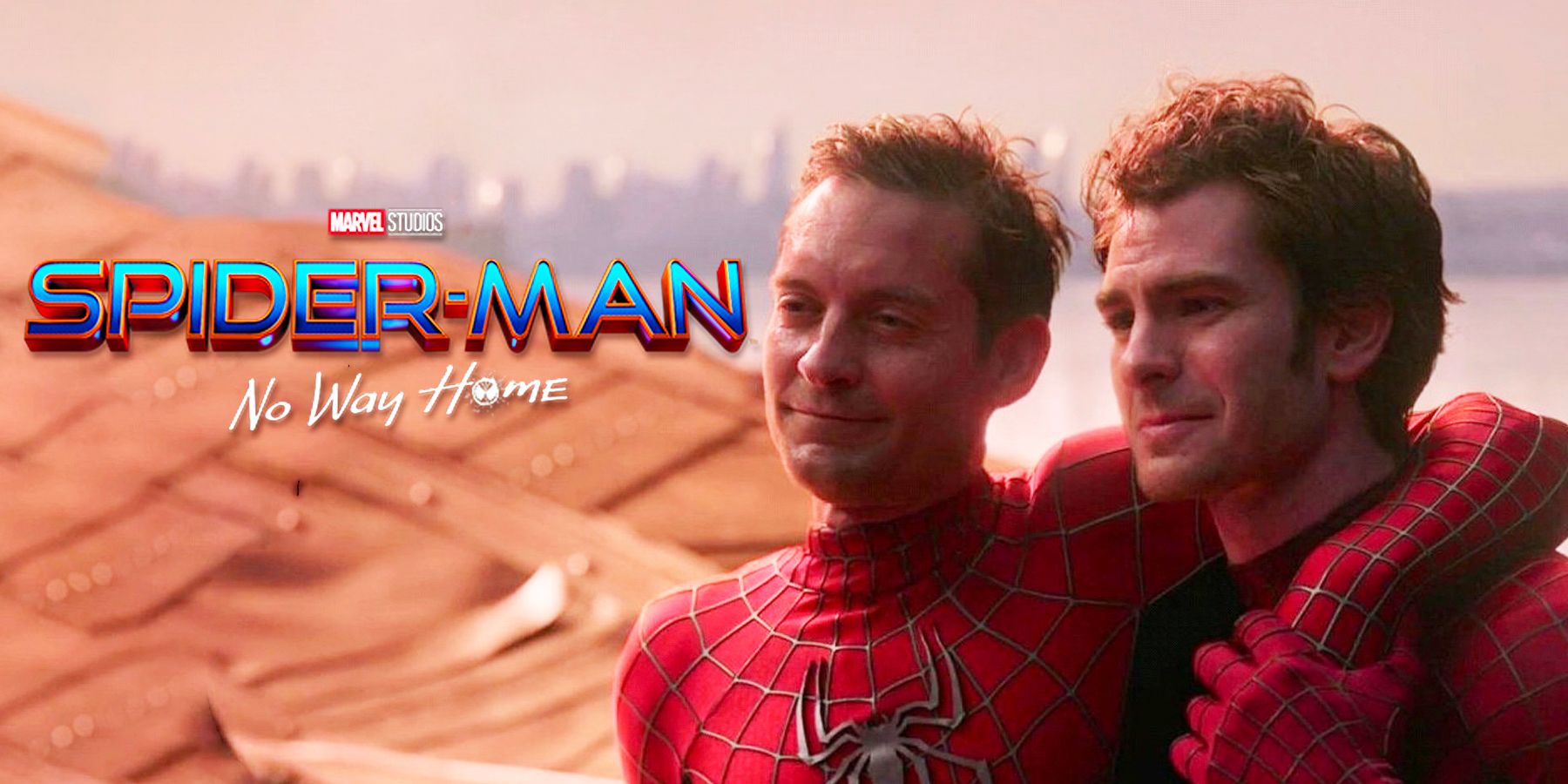
Andrew Garfield’s portrayal of Peter Parker in Spider-Man: No Way Home transcended simple fan service, fundamentally redefining his legacy as a cross-generational star. By blending mid-2010s angst with 2020s emotional maturity, Garfield’s performance resolved a decade of cinematic "unfinished business," bridging the gap between millennial nostalgia and Gen Z’s digital-first fandom.
Looking back from the perspective of 2026, the cultural impact of Spider-Man: No Way Home (2021) remains a cornerstone of modern blockbuster history. While the film was an ensemble triumph, the specific contribution of Andrew Garfield—often referred to within the narrative as "Peter 3"—offered something more than a mere cameo. It provided a masterclass in character rehabilitation and established Garfield as a unique bridge between different eras of superhero cinema. His return was not just a nostalgic nod; it was a high-stakes emotional anchor that validated a previously maligned iteration of the character.
The Cultural Context of the "Peter 3" Redemption
To understand why Garfield’s performance in No Way Home resonated so deeply, one must examine the state of his franchise prior to 2021. The Amazing Spider-Man (2012) and its sequel (2014) were produced during a turbulent period for Sony Pictures. While Garfield’s acting was frequently praised, the films themselves were often criticized for over-stuffed plots and an inconsistent tone.
By the time No Way Home was released, Garfield had spent seven years away from the mask. In that interval, he established himself as one of the finest dramatic actors of his generation, earning Academy Award nominations for Hacksaw Ridge and Tick, Tick... Boom!. When he stepped back into the red-and-blue suit, he brought a weight of professional prestige and technical refinement that was not present during his original run. This maturity allowed him to play a version of Peter Parker who was weathered, slightly broken, but ultimately hopeful—a reflection of the fans who had grown up with him.
Bridging the Generational Gap: Millennials to Gen Z
Andrew Garfield occupies a unique space in the Spider-Man hierarchy. Tobey Maguire represents the foundational "Old Guard" for Millennials and Gen X, while Tom Holland is the "Homegrown Hero" for the MCU-centric Gen Z. Garfield, however, acts as the connective tissue.
For Millennials, Garfield was the Spider-Man of their late teens and early twenties—the one who brought a skinnier, more jittery, and more "comic-book accurate" snark to the screen. For Gen Z, who rediscovered his films through streaming platforms and social media edits in the late 2010s, he became a figure of "underrated" brilliance. No Way Home capitalized on this dual-pronged popularity. The film allowed older audiences to see the closure they never got in 2014, while younger audiences saw their "internet-favorite" Spider-Man finally get his flowers on the big screen.
Technical Mastery and the Method of Peter 3
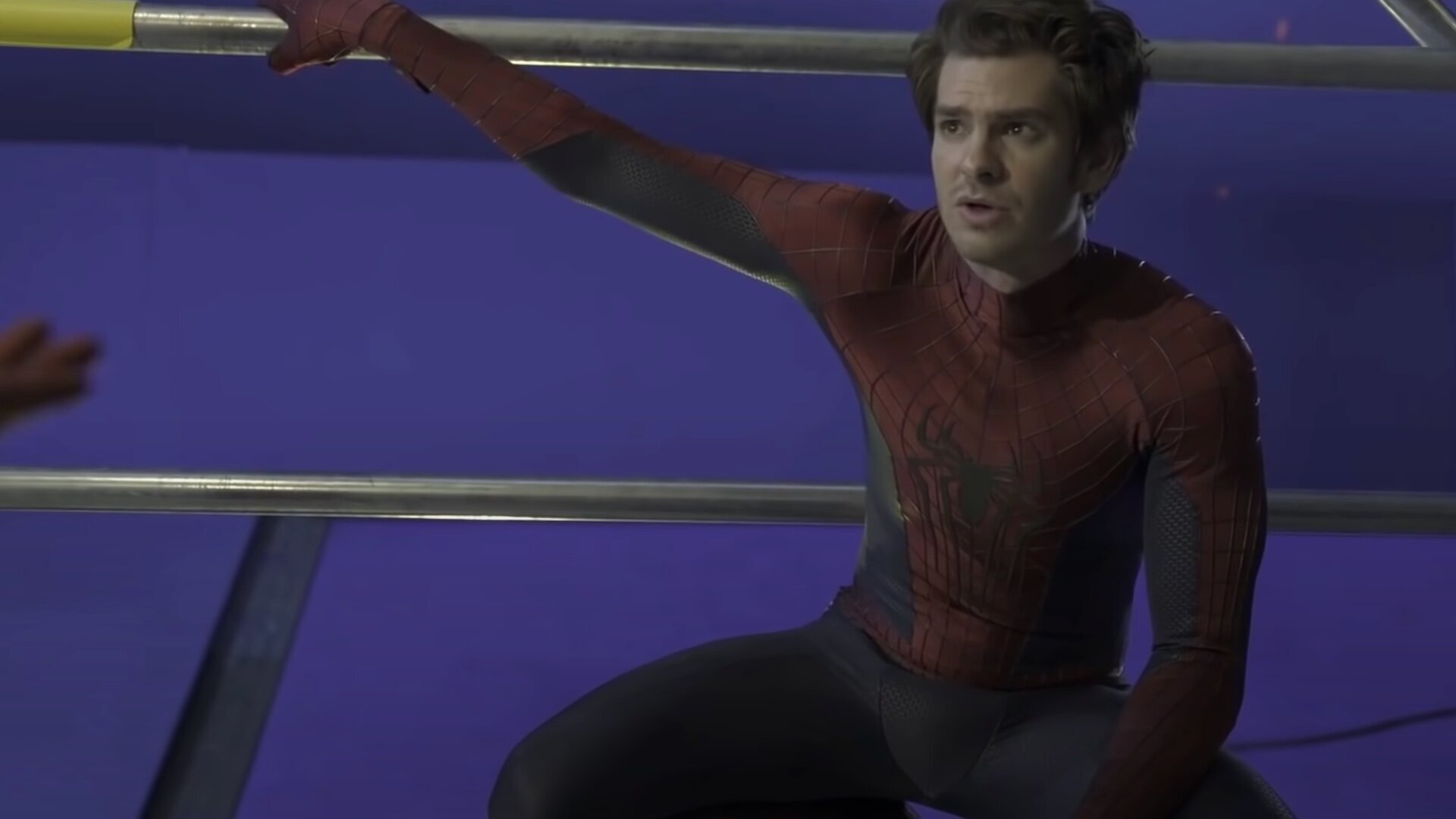
One of the most discussed aspects of Garfield’s return was his physical acting. Unlike the more stoic Maguire or the energetic Holland, Garfield’s Spider-Man is characterized by a specific, twitchy physicality. In No Way Home, he leaned into the "spider-like" movements that defined his original performance—the way he crouches, the way his head tilts, and the frantic speed of his gestures.
This technical depth extended to his dialogue delivery. Garfield’s Peter Parker is the most neurodivergent-coded of the three, displaying high levels of anxiety and a desperate need for external validation. In 2026, critics continue to cite his "I love you guys" line—an improvised moment—as the emotional peak of the film. It wasn't just Peter Parker speaking to other Parkers; it was Andrew Garfield acknowledging the complex, often difficult relationship he had with the franchise and the fans.
The "Gwen Stacy Save": A Narrative Correction
The single most significant moment for Garfield’s character in No Way Home was the rescue of MJ (Zendaya). This scene served as a direct thematic mirror to the death of Gwen Stacy in The Amazing Spider-Man 2. In the 2014 film, Peter’s failure to save Gwen was a traumatic endpoint that was never narratively resolved because the third film was canceled.
By allowing Peter 3 to save MJ in the MCU, the writers provided a form of "meta-redemption." The look on Garfield’s face after the save—a mixture of relief, grief, and shock—was a silent summation of his character’s entire arc. This moment didn't just help Tom Holland's Peter Parker; it "fixed" Andrew Garfield's Peter Parker. From a screenwriting perspective, this is a rare instance where a sequel to one franchise is successfully executed within the framework of another.
Comparative Analysis of the Three Spider-Men
The success of the "cross-generational" theme relied on the distinct identities of the three heroes. The following table outlines how Garfield’s iteration served as the vital middle ground:
| Feature | Tobey Maguire (Peter 1 / Elder) | Andrew Garfield (Peter 3 / Middle) | Tom Holland (Peter 2 / Younger) |
|---|---|---|---|
| Primary Archetype | The Responsible Mentor | The Rebellious Outsider | The Evolving Protege |
| Acting Style | Understated, Stoic | High-Energy, Emotional | Boyish, Reactive |
| Key Trauma | Uncle Ben / Harry Osborn | Gwen Stacy / Captain Stacy | Tony Stark / Aunt May |
| Combat Style | Heavy Hitter, Durable | Acrobatic, Tech-Focused | Versatile, Gadget-Heavy |
| Narrative Goal | Acceptance of Legacy | Redemption and Forgiveness | Finding Independence |
The Impact on Actor Career Trajectory
The "Garfield Renaissance" (often called the Garfieldance by film historians in 2026) was arguably triggered by his performance in No Way Home. Before 2021, there was a segment of the public that associated him with a "failed" franchise. After 2021, that narrative flipped entirely.
His ability to lie convincingly during the year-long press tour for Tick, Tick... Boom! (repeatedly denying he was in Spider-Man) became a legendary piece of Hollywood lore. It demonstrated his charm and his commitment to the "theatrical experience." Since then, his career has seen a significant shift toward high-concept projects that balance his "prestige actor" status with his "blockbuster star" appeal. His return proved that an actor can return to a commercial role without losing their artistic integrity.
Historical Significance: Five Years Later (2021–2026)
From the vantage point of 2026, No Way Home is seen as the peak of the "Multiverse Era." While subsequent films attempted to replicate the formula, few managed the emotional precision of Garfield’s return. The film proved that audiences aren't just looking for recognizable faces; they are looking for character growth that honors the history of the medium.
Garfield’s involvement also led to a significant re-evaluation of The Amazing Spider-Man films. On streaming services, viewership for his original duology spiked by over 500% in the months following No Way Home. This "cross-generational" interest ensured that a new generation of fans viewed those films not as failures, but as essential chapters in a larger, more complex story.
Frequently Asked Questions
Did Andrew Garfield sign a contract for more Spider-Man movies after No Way Home?
While rumors of The Amazing Spider-Man 3 have persisted since 2021, as of 2026, no official solo film has been released. However, Garfield has expressed a "never say never" attitude, provided the script offers a unique emotional journey. His return in No Way Home set a high bar that both the actor and the studio are wary of undercutting with a subpar sequel.
Why is Andrew Garfield's Spider-Man called "Peter 3"?
In the script and credits of Spider-Man: No Way Home, the three Spider-Men are numbered to avoid confusion. Tom Holland is Peter 1 (as the protagonist of that universe), Tobey Maguire is Peter 2 (as the first cinematic Spider-Man), and Andrew Garfield is Peter 3. The characters eventually adopt these numbers within the film to coordinate their attacks during the final battle at the Statue of Liberty.
How did Andrew Garfield prepare for his return in No Way Home?
Garfield worked closely with the stunt team to recapture the specific "lanky" and "bug-like" movements he developed in 2012. He also collaborated with the writers to ensure Peter 3 felt like a man who had been "hardened" by years of fighting crime alone after Gwen's death, which explains his darker tone in the initial meeting with the other Peters.
What is the "I love you guys" scene's significance?
This line was an improvisation by Garfield during filming. It reflects the genuine camaraderie that developed between the three actors on set. Narratively, it signifies Peter 3’s breakthrough—he is a character who has been isolated by grief, and expressing love to his "brothers" is the final step in his emotional recovery.
Is Andrew Garfield's Spider-Man considered the most "accurate"?
Comic book purists often cite Garfield’s version as the most accurate to the "Stan Lee/Steve Ditko" era in terms of his height, build, and the constant quips he makes during fights. While Maguire captured the "Everyman" quality and Holland captured the "High School" struggle, Garfield is often seen as capturing the "Spider" in Spider-Man most effectively.
Practical Takeaway: The Legacy of Peter 3
For fans and students of cinema, the lesson of Andrew Garfield’s return is one of persistence and the power of a second chance. If you are revisiting his films today, focus on the subtext of his performance in No Way Home—the way he uses his eyes to convey a decade of loneliness.
The next step for any fan is to explore his non-superhero work, such as Silence or Angels in America, to see the range he brought back to the character. Andrew Garfield didn't just play Spider-Man again; he validated the idea that every iteration of a hero has value, regardless of box office numbers or critical reception at the time of release.