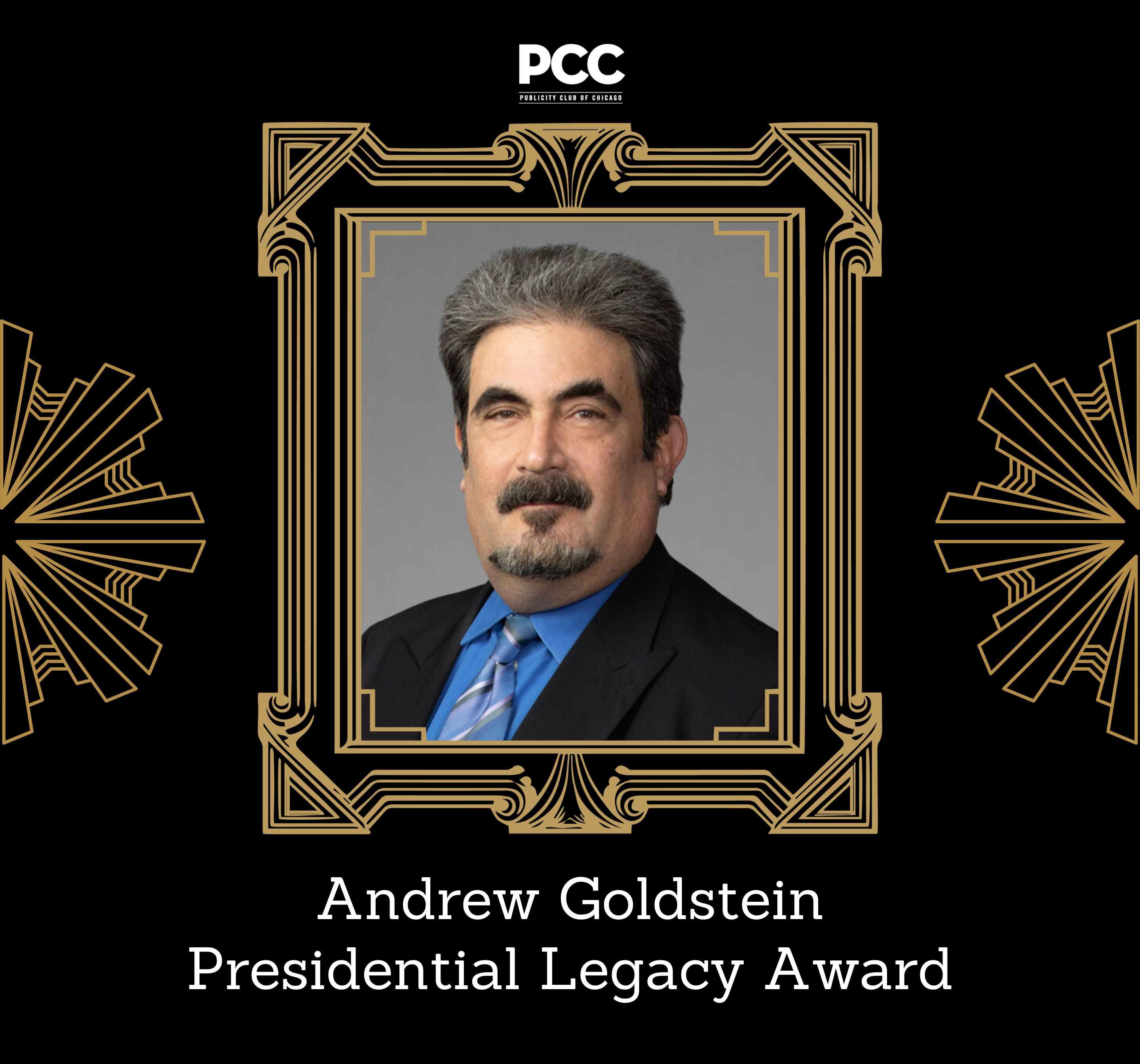
Andrew Goldstein’s estimated net worth sits between $5 million and $12 million. As one of modern pop, alternative, and pop-punk’s most sought-after producers and songwriters, Goldstein accumulated his wealth primarily through music publishing royalties, master recording producer points, upfront production fees, and sync licensing deal structures across multi-platinum record releases.
Who Is Andrew Goldstein? Biography and Career Evolution
To understand how Andrew Goldstein built a multi-million-dollar fortune, one must look at his deliberate pivot from touring musician to behind-the-scenes hitmaker. Born on March 17, 1986, in Reston, Virginia, Goldstein first gained public visibility as the lead vocalist, keyboardist, and rhythm guitarist for the synth-pop/pop-punk band The Friday Night Boys.
Signed to Fueled by Ramen in the late 2000s, the band released their debut studio album, Off the Deep End, in 2009. While the group achieved modest success on the Vans Warped Tour circuit and MTV featured spots, the financial realities of mid-level touring forced a strategic shift. When The Friday Night Boys went on hiatus in 2010, Goldstein permanently relocated to Los Angeles to focus on commercial songwriting and record production.
Andrew Goldstein Career Timeline
- 2007–2010: Lead Vocalist/Guitarist, The Friday Night Boys
- 2011–2015: Transition to LA Songwriting & Production
- 2016–2019: Breakthrough Hits (blackbear, 5 Seconds of Summer)
- 2020–2026: Pop-Punk Resurgence Producer (MGK, All Time Low, etc.)
In Los Angeles, Goldstein established himself as a versatile writer and producer capable of blending organic guitar instrumentation with modern electronic beat-making. His ability to move seamlessly between pop, hip-hop, alternative rock, and country made him an invaluable asset for major record labels seeking radio-friendly crossover hits. Over the past decade, his producer and songwriter credits have appeared on tracks for global superstars, including Katy Perry, Maroon 5, Celine Dion, Machine Gun Kelly, blackbear, 5 Seconds of Summer, All Time Low, Jonas Brothers, and Kane Brown.
Estimating Andrew Goldstein's Net Worth in 2026
Evaluating the exact net worth of a private music producer is fundamentally different from auditing a publicly traded company or calculating the contract earnings of a professional athlete. Music creators operate through private corporate entities, such as S-Corporations or LLCs, which keep personal tax returns and banking records confidential.
However, industry analysts estimate Andrew Goldstein’s total net worth at $5 million to $12 million. This valuation accounts for historical catalog performance, ongoing digital streaming mechanicals, public performance distributions, upfront producer rates, and catalog asset multiples.
Unlike frontpersons and solo artists who incur massive overhead costs from live touring productions, crew payroll, and travel logistics, a producer/songwriter operates a high-margin enterprise. Once a recording studio setup is amortized, the recurring revenue generated by hit records incurs minimal operational overhead, allowing a higher percentage of gross earnings to convert into durable net worth.
Core Revenue Streams Behind Goldstein's Wealth
A music producer and songwriter at Goldstein's level generates revenue through four primary financial pillars. Understanding these streams explains how a non-performing creator builds generational wealth in the digital streaming era.
1. Upfront Producer Fees and Master Royalty Points
When a major record label (such as Universal Music Group, Sony Music, or Warner Music Group) hires Andrew Goldstein to produce a track, he receives an upfront producer fee. For top-tier producers, this fee typically ranges from $15,000 to $50,000+ per track, depending on the artist's profile and the scope of work.
In addition to the flat fee, producers negotiate master royalty points (commonly referred to as "sound recording points"). A prominent producer usually commands between 3% and 5% of the artist's master recording revenue. When a song streams hundreds of millions of times on platforms like Spotify or Apple Music, these master points generate steady, recurring payouts calculated directly from record label distributions.
2. Songwriting Royalties (Publishing & Performance)
As a co-writer on a composition, Goldstein earns songwriting royalties distinct from his producer points. Songwriting revenue split into two primary buckets:
- Performance Royalties: Collected whenever a song is broadcast on terrestrial radio, streamed digitally, performed live, or played in commercial venues. Organizations such as ASCAP and BMI track these broadcasts globally and distribute payouts to rights holders.
- Mechanical Royalties: Paid whenever a copy of a composition is manufactured or digitally streamed. On streaming services, interactive streams trigger mechanical royalty payments administered by entities like the Mechanical Licensing Collective (MLC) in the United States.
Because Goldstein often serves as both writer and producer on his biggest tracks, he captures revenue from both the master recording side and the underlying publishing composition side—doubling his financial upside on every successful release.
3. Sync Licensing (Film, TV, and Advertising)
Synchronization ("sync") licensing occurs when a song is placed in a movie, television show, video game, or commercial campaign. Sync licenses require approval and payout for both the master recording rights and the publishing composition rights. High-profile sync placements for mainstream tracks can fetch anywhere from $10,000 to over $250,000 per placement, providing lucrative one-time cash injections alongside long-term backend residual payments.
4. Catalog Valuation and Asset Potential
In contemporary music finance, a songwriter’s catalog is evaluated as an income-generating asset class. Institutional investment funds and music publishing companies buy music catalogs at multiples ranging from 10x to 20x Net Publisher's Share (NPS). With multi-platinum hits in his discography, Goldstein's catalog represents an asset worth millions on the open market should he choose to monetize his publishing rights via a partial or total catalog sale.
Key Multi-Platinum Hits and Financial Impact
Goldstein's net worth trajectory escalated dramatically between 2019 and 2026 due to several massive commercial hits that dominated global charts and streaming platforms.
| Track / Album | Artist | Certification / Chart |
|---|---|---|
| "Hot Girl Bummer" | blackbear | 6x RIAA Platinum |
| "Monsters" | All Time Low ft. blackbear | 2x RIAA Platinum / #1 Alternative Radio |
| Tickets to My Downfall | Machine Gun Kelly | RIAA Platinum / #1 Billboard 200 |
| "Beautiful Mistakes" | Maroon 5 ft. Megan Thee Stallion | RIAA Platinum |
| "Teeth" / "Want You Back" | 5 Seconds of Summer | RIAA Platinum / Multi-Gold |
blackbear – "Hot Girl Bummer" (2019)
Co-written and produced by Goldstein, "Hot Girl Bummer" became an international mega-hit, reaching the top 10 on the US Billboard Hot 100 and securing multi-platinum certifications globally. According to recording industry figures from the RIAA, the track earned over 6x Platinum certification in the United States alone. Amassing billions of streams across platforms, this single track generated millions in global publishing and master royalty payouts.
Machine Gun Kelly – Tickets to My Downfall (2020) & Mainstream Sellout (2022)
Goldstein was a central architect of the pop-punk revival of the early 2020s, collaborating closely with Travis Barker and Machine Gun Kelly. Tickets to My Downfall debuted at #1 on the Billboard 200 chart and earned RIAA Platinum status. Producing and co-writing multiple album tracks ensured substantial album-level publishing revenues and high master-point distributions.
All Time Low ft. blackbear – "Monsters" (2020)
"Monsters" spent 18 weeks at #1 on the Billboard Alternative Airplay chart, becoming one of the biggest rock radio records of the decade. Extended radio play translates directly into high-yield public performance royalty checks from ASCAP/BMI, reinforcing Goldstein’s ongoing residual income.
Detailed Financial Breakdown Table
The table below illustrates how different revenue mechanics function for a major pop/rock producer-songwriter like Andrew Goldstein across various project types.
| Income Category | Standard Rate / Fee Structure | Primary Payout Source | Payout Frequency | Long-Term Net Worth Impact |
|---|---|---|---|---|
| Upfront Producer Fee | $15,000 – $50,000+ per track | Record Label / Artist Budget | Upfront upon delivery | Immediate cash flow; funds operational costs |
| Master Producer Points | 3% – 5% of sound recording royalties | Record Label / Distributor | Semi-annually / Quarterly | High; scales directly with global streaming volume |
| Songwriter Mechanicals | Statutory rate or streaming share formula | The MLC / Publishing Administrator | Quarterly | Stable long-term passive residual revenue |
| Performance Royalties | Split of performance pool (50% Writer / 50% Publisher) | ASCAP / BMI / Global PROs | Quarterly | High; long tail of earnings from TV and radio airplay |
| Sync Licensing Fees | $10,000 – $150,000+ per placement | Film Studios, Networks, Brands | Per license agreement | Sporadic high-value lump sums |
Producer vs. Performing Artist Economics
To place Andrew Goldstein's net worth in context, it is helpful to compare the economic profile of a behind-the-scenes hitmaker to that of a touring band or solo recording artist.
Producer Economics vs. Performing Artist Economics
- Producer / Songwriter:
- Low Operational Expenses
- Minimal Travel Costs
- Multiple Client Streams
- Passive Royalty Focus
- Performing Artist:
- High Touring Overhead
- Crew, Busses, Logistics
- Single Revenue Source
- Active Performance Focus
Overhead and Capital Efficiency
Touring artists spend a significant portion of their gross income on physical infrastructure: tour buses, crew salaries, venue rentals, stage production, lighting, insurance, and travel management. Consequently, an artist making $5 million on tour may only net a fraction of that figure after expenses and taxes.
In contrast, a producer operates out of dedicated recording facilities. Once studio gear and digital audio workstation software are secured, marginal costs per project are very low. Business management, legal fees, and agency commissions (typically 10-15%) represent the primary deductions, preserving a higher profit margin.
Income Diversification
A touring artist’s income relies heavily on their own personal brand and ability to perform live. If an artist takes extended time off or suffers an injury, income drops significantly.
A producer-songwriter like Goldstein diversifies risk across dozens of different artists and genres simultaneously. In any given calendar year, Goldstein may collect royalties from a pop release by Maroon 5, an alternative hit by All Time Low, and a country-crossover track by Kane Brown. This diversification creates financial stability rarely found among performing acts.
Modern Publishing Valuation & Catalog Deals
Over the past decade, financial institutions and music publishing funds (such as Hipgnosis Songs Fund, Primary Wave, and Concord Music Publishing) have injected billions of dollars into catalog acquisitions. Investors view music publishing assets as non-correlated yield-generating investments unaffected by broader macroeconomic volatility.
Because Andrew Goldstein’s catalog features high-volume streaming hits from the post-2015 era, its valuation benefits from high modern streaming retention. Streaming hits tend to decay to a stable baseline of consumption after their initial chart run, providing predictable cash flows for decades.
Should Goldstein monetize any portion of his publishing rights, catalog multiples of 12x to 18x annual net publisher's share could yield a major lump-sum liquidity event, pushing his net worth toward the upper end of industry estimates.
Financial Disclaimers and Privacy in Net Worth Estimates
When evaluating public reports of any entertainment figure's net worth, essential qualifiers apply:
- Private Filings: Neither Andrew Goldstein nor his personal management releases audited income statements, tax returns, or private balance sheets to the public.
- Corporate Structures: Professional producers manage revenues through corporate entities (e.g., LLCs or S-Corps), separating corporate assets from personal wealth.
- Royalty Fluctuations: Streaming and performance royalty distributions vary quarterly based on consumer behavior, exchange rates, and international collection lag times.
Disclaimer: The financial estimates contained in this analysis are compiled from historical chart data, industry-standard royalty rates, union minimums, and secondary media reporting. They are intended for educational and analytical purposes only and do not constitute formal financial auditing.
Frequently Asked Questions
What is Andrew Goldstein's estimated net worth in 2026?
Andrew Goldstein's net worth is estimated between $5 million and $12 million. This figure is derived from his extensive discography as a songwriter and record producer, ongoing publishing royalties, master producer points, and sync placement fees.
How did Andrew Goldstein transition from a band member to a top producer?
After his band, The Friday Night Boys, went on hiatus around 2010, Goldstein shifted from fronting a group to full-time songwriting and production in Los Angeles. He built his reputation by collaborating with emerging pop and alternative artists, eventually securing placement on major-label releases.
What are producer points, and how do they contribute to net worth?
Producer points (or master royalty points) represent a percentage of a record's master recording earnings—typically between 3% and 5% for top producers. Every time a track streams or sells, the producer earns a direct percentage of master revenue alongside their songwriting royalties.
Which hit songs generated the most revenue for Andrew Goldstein?
His highest-earning tracks include blackbear's 6x-Platinum single "Hot Girl Bummer," All Time Low's long-running #1 alternative hit "Monsters," Machine Gun Kelly's chart-topping album Tickets to My Downfall, and hits for Maroon 5 and 5 Seconds of Summer.
Does Andrew Goldstein own his songwriting publishing rights?
While specific contractual details remain private, established writers often retain their writer's share of publishing while partnering with publishing companies (such as Pulse Music Group or EMI) to administer or co-own publisher shares.
Strategic Takeaways for Music Industry Economics
Andrew Goldstein’s career trajectory offers a clear case study in modern entertainment wealth creation:
- Pivot to Ownership: Transitioning from touring band member to owner of composition and master recording rights transformed volatile concert income into long-term passive royalty revenue.
- Dual-Revenue Capture: By operating as both writer and producer on major tracks, Goldstein captures both publishing royalties and sound recording master points.
- Cross-Genre Adaptability: Maintaining active production credits across pop, rock, hip-hop, and country shields income from shifting genre trends.
For industry observers and aspiring creators, Goldstein’s financial standing demonstrates that behind-the-scenes production and publishing equity remain among the most durable paths to wealth creation in the modern music business.