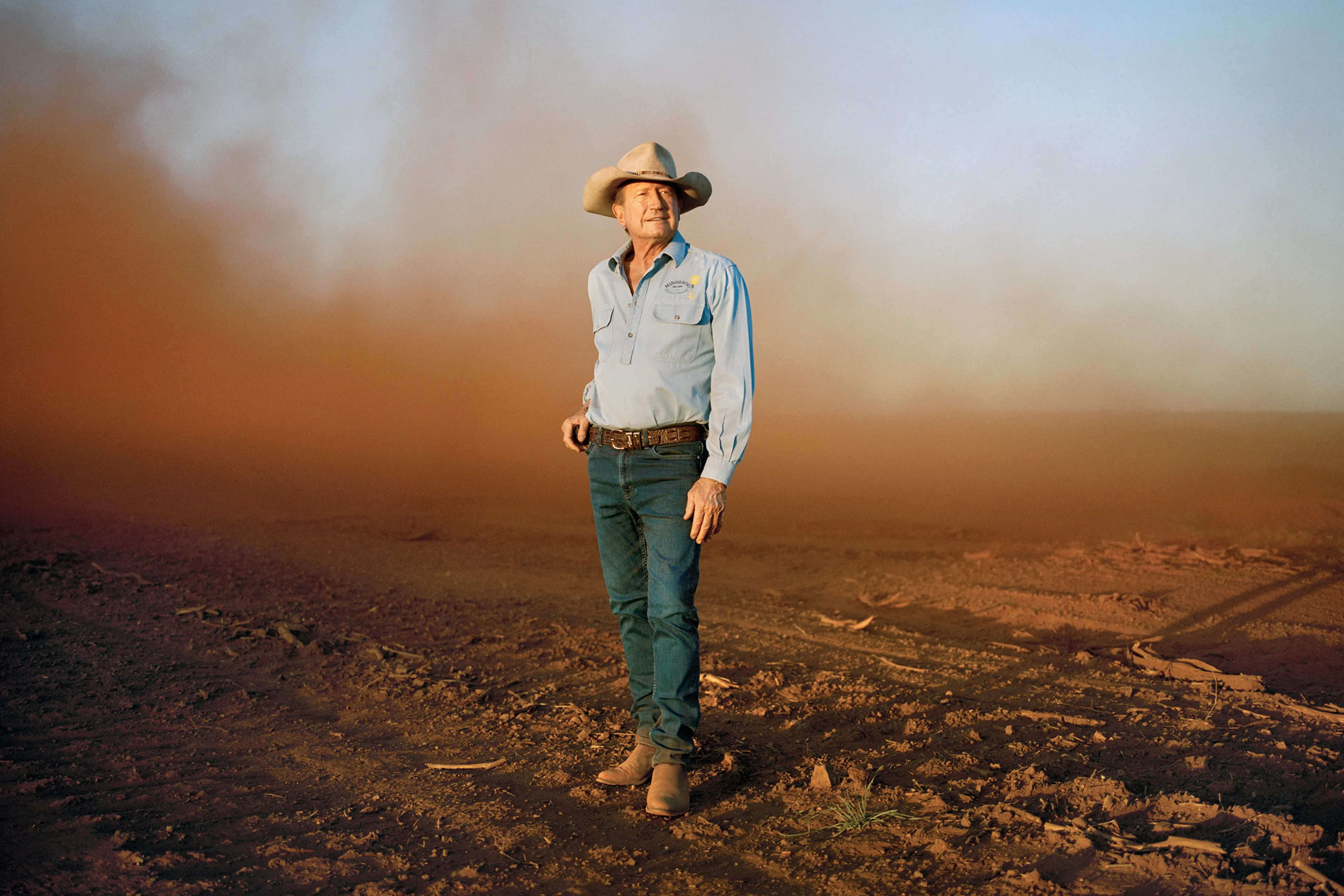
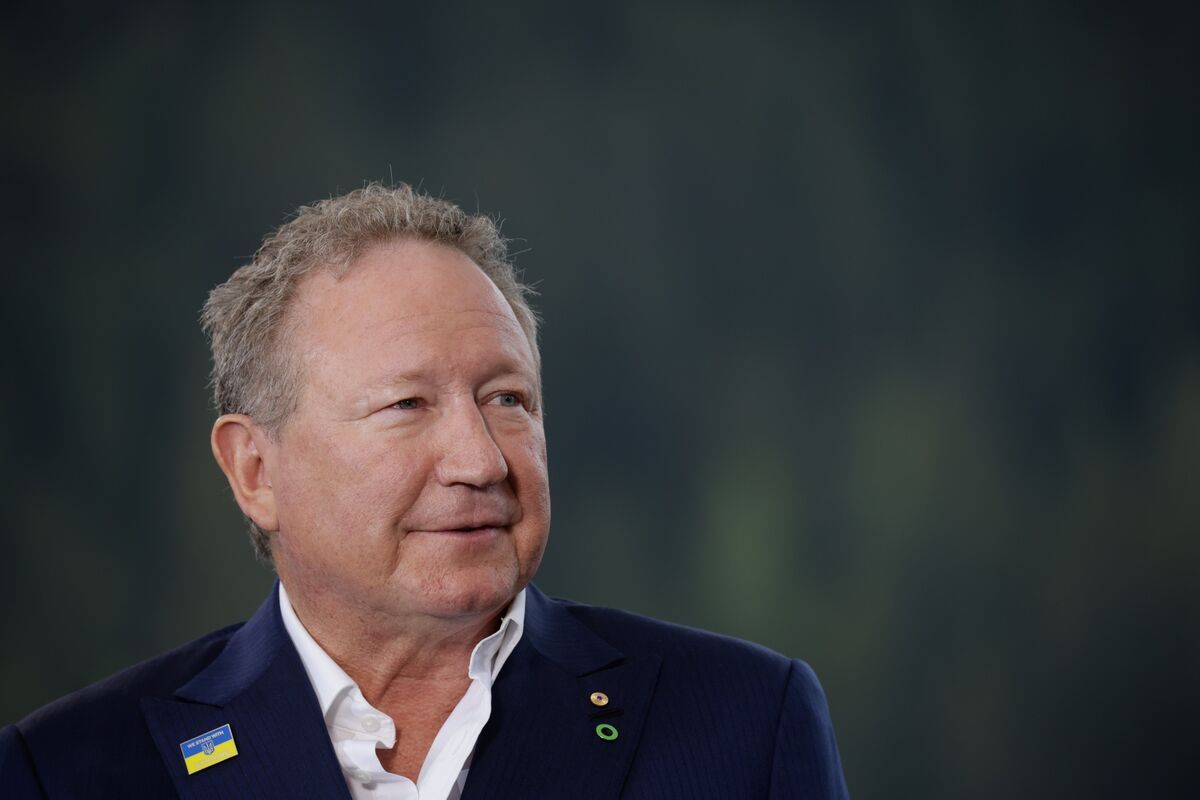
Andrew Forrest, popularly known as "Twiggy," has established a business legacy defined by aggressive disruption, rapid scaling, and a controversial yet high-stakes pivot toward global decarbonization. As of 2026, his impact spans the foundational extraction of Australian iron ore to the ambitious frontiers of green hydrogen production.
His career is a case study in how a single individual can challenge established market duopolies and later attempt to redirect an entire industrial sector toward environmental sustainability. To understand the legacy of Andrew Forrest, one must examine the operational mechanics of Fortescue, the strategic shift toward Fortescue Energy, and the massive scale of his philanthropic endeavors through the Minderoo Foundation.
The Foundations of a Mining Empire: The Rise of Fortescue
The core of Andrew Forrest’s business legacy is inextricably linked to the founding and exponential growth of Fortescue Metals Group (now known simply as Fortescue). When Forrest founded the company in 2003, the Australian iron ore market was dominated by a "duopoly" consisting of Rio Tinto and BHP. The prevailing wisdom of the time suggested that a third major player could not survive the immense capital requirements and logistical hurdles of the Pilbara region.
Forrest’s strategy was built on three specific pillars: speed, infrastructure independence, and a "China-first" growth mentality. While competitors were conservative in their expansion, Forrest leveraged massive amounts of debt to build a private rail and port infrastructure that could compete with the world's largest miners.
Breaking the Pilbara Duopoly
Forrest’s legacy began with the successful commissioning of the Chichester Hub. By 2008, Fortescue had shipped its first ore, a feat achieved in a fraction of the time typically required for greenfield mining projects. This disruption was not just about extraction; it was about demonstrating that a "junior" miner could become a global price-setter.
The business model relied on high-volume, lower-grade ore that appealed to Chinese steel mills during their peak urbanization phase. By tailoring the product—specifically the Fortescue Blend—to the needs of the emerging market, Forrest secured the cash flow necessary to service the company's early debt and fund further expansion into the Solomon and Eliwana hubs.
The Green Pivot: Fortescue Energy and the Hydrogen Gamble
By the early 2020s, the narrative of Forrest’s legacy began to shift from extraction to "green" industrialization. This transition culminated in the rebranding of the company and the aggressive pursuit of "Real Zero"—a commitment to eliminate terrestrial emissions (Scope 1 and 2) from his operations by 2030 without the use of carbon offsets.
The creation of Fortescue Future Industries (FFI), now integrated into Fortescue Energy, represents perhaps the boldest move in contemporary Australian business history. Forrest transitioned from being a supplier of the fossil-fuel-intensive steel industry to a vocal advocate for the "green transition," positioning green hydrogen as the fuel of the future.
Strategic Objectives of the Green Legacy
The green legacy is built on the premise that heavy industry (mining, shipping, and aviation) cannot be electrified through batteries alone. Forrest’s vision involves:
- Green Hydrogen Production: Utilizing vast renewable energy arrays (wind and solar) to power electrolyzers that split water into hydrogen and oxygen.
- Green Ammonia: Developing the logistics to transport hydrogen safely across oceans to markets in Europe and Asia.
- Decarbonizing Mining Fleets: Replacing diesel-powered haul trucks and locomotives with hydrogen-fuel-cell or battery-electric equivalents.
As of 2026, this pivot remains a point of intense scrutiny among investors. While it has positioned Forrest as a global leader in the climate space, it has also required significant capital reallocation from the profitable iron ore division into the capital-intensive energy arm.
Philanthropy and Social Impact: The Minderoo Foundation
Forrest’s legacy is not confined to the boardroom. Alongside his wife, Nicola Forrest, he established the Minderoo Foundation in 2001. It has since grown into one of the largest philanthropic organizations in the Southern Hemisphere. The foundation's approach mirrors Forrest’s business style: aggressive, target-driven, and focused on systemic change rather than traditional charity.
The Minderoo Foundation operates through several key initiatives that have redefined corporate social responsibility in Australia:
- Modern Slavery (Walk Free): The creation of the Global Slavery Index, which provides data-driven insights into forced labor and human trafficking.
- Ocean Health: Investment in research to combat plastic pollution and promote sustainable fishing practices.
- Indigenous Parity: A commitment to eliminating the disparity between Indigenous and non-Indigenous Australians, particularly through employment initiatives within his own companies.
- Cancer Research: Significant funding for collaborative research models that share data across borders to accelerate treatment discovery.
In 2017, Forrest made history by donating $400 million to various causes, the largest single philanthropic gift by a living Australian at that time. This set a precedent for "big-ticket" philanthropy in a country where such public displays of wealth distribution were historically rare.
Operational Benchmarks: Comparing the "Old" and "New" Fortescue
To understand the scale of the transition Andrew Forrest has overseen, it is useful to compare the traditional mining operations with the energy transition goals that define his 2026 legacy.
| Feature | The Mining Era (2003–2020) | The Energy Transition Era (2021–Present) |
|---|---|---|
| Primary Product | Iron Ore (Hematite/Magnetite) | Green Hydrogen, Ammonia, and Iron Ore |
| Growth Engine | Chinese Infrastructure Demand | Global Decarbonization Mandates |
| Energy Source | Diesel and Natural Gas | Wind, Solar, and Battery Storage |
| Operational Goal | Lowest Cost per Tonne | "Real Zero" Emissions by 2030 |
| Innovation Focus | Autonomous Haulage and Rail | High-Efficiency Electrolyzers and Green Ships |
| Risk Profile | Commodity Price Volatility | Technology Maturity and Infrastructure Scaling |
Leadership Style and Corporate Culture
Forrest's business legacy is often characterized by a "culture of intensity." He is known for high expectations, a fast-paced work environment, and a preference for "stretch targets"—goals that appear impossible but serve to drive rapid innovation.
However, this style has not been without friction. The transition to a green energy giant has seen significant executive turnover at Fortescue, as the company grappled with the differing cultures of traditional mining and the speculative energy sector. Critics often point to this volatility as a potential risk to the long-term stability of his legacy. Conversely, supporters argue that such disruption is necessary to pivot a multi-billion dollar company in less than a decade.
The "Fortescue Family" Concept
Central to Forrest’s internal legacy is the concept of the "Fortescue Family." He famously eliminated traditional office cubicles and encouraged a flat management structure early on. This culture was designed to foster loyalty and speed, allowing the company to make decisions in days that would take competitors months. Even as the company has grown to over 15,000 employees, Forrest maintains a highly visible, hands-on leadership presence.
Legal and Regulatory Impact
Forrest’s legacy includes significant legal precedents in Australian corporate and native title law. His early battles with the Australian Securities and Investments Commission (ASIC) over disclosure requirements regarding Chinese infrastructure contracts reached the High Court of Australia, eventually resulting in a victory for Forrest that clarified the "misleading and deceptive conduct" thresholds for corporate executives.
In the realm of Indigenous relations, Forrest’s legacy is complex. While Fortescue has one of the highest rates of Indigenous employment in the private sector through its VTEC (Vocational Training and Employment Centre) program, the company has also been involved in long-running legal disputes over land rights and compensation with traditional owners, such as the Yindjibarndi people. These disputes highlight the ongoing tension between large-scale industrial development and the preservation of cultural heritage.
The 2026 Perspective: Risks and Unresolved Questions
As we stand in 2026, the final verdict on Andrew Forrest’s business legacy remains tied to the success of his green hydrogen projects. If Fortescue successfully produces green hydrogen at scale and at a price point competitive with fossil fuels, Forrest will be remembered as the man who transitioned a "dirty" mining company into the blueprint for the 21st-century industrial conglomerate.
However, several challenges remain:
- Technological Scalability: Can the electrolyzer technology reach the efficiency required to satisfy global energy demand?
- Capital Allocation: Will the returns from the iron ore business continue to be sufficient to fund the green energy transition without compromising shareholder dividends?
- Market Competition: As major oil and gas companies (the "Supermajors") move into the green hydrogen space, can a mining-led company maintain a competitive edge?
Strategic Recommendations for Observing the Forrest Legacy
For investors, policymakers, and business analysts, tracking the legacy of Andrew Forrest requires looking beyond stock prices. The following metrics are essential for evaluating his long-term impact:
- Scope 1 and 2 Progress: Monitor Fortescue’s annual sustainability reports for verifiable reductions in diesel consumption in the Pilbara. The 2030 "Real Zero" target is the ultimate benchmark of his credibility.
- Philanthropic Transparency: Observe the outcomes of Minderoo’s initiatives. The shift from "giving" to "solving" requires measurable social data, such as a reduction in the Global Slavery Index metrics.
- Governance Stability: Watch for the longevity of the C-suite leadership. A period of executive stability would signal that the cultural friction of the green transition has been resolved.
- Indigenous Partnerships: The resolution of outstanding land access disputes and the evolution of royalty-sharing agreements will define his social license to operate in the post-mining era.
Frequently Asked Questions
What is the primary source of Andrew Forrest’s wealth?
The vast majority of Andrew Forrest’s wealth is derived from his founding stake in Fortescue. As the company grew to become the world’s fourth-largest iron ore producer, the dividends and capital appreciation of his shares propelled him to the top of the Australian rich lists.
Why did Andrew Forrest shift his focus to green hydrogen?
Forrest argues that the "iron ore king" era is finite and that the global economy is undergoing a permanent shift away from carbon-intensive fuels. By pivoting to green hydrogen, he aims to "future-proof" his business and capitalize on the trillion-dollar market for clean energy.
What is the "Minderoo Foundation"?
Minderoo is the philanthropic arm of the Forrest family. It focuses on large-scale social and environmental issues, including modern slavery, ocean conservation, cancer research, and Indigenous parity. It is known for taking a proactive, interventionist approach to philanthropy.
Has Fortescue achieved its "Real Zero" goals?
As of 2026, Fortescue is in the critical execution phase of its 2030 "Real Zero" commitment. The company has successfully tested ammonia-powered ships and battery-electric haul trucks, but the total elimination of fossil fuels from its massive Pilbara operations remains a work in progress.
How does Andrew Forrest’s legacy compare to other mining magnates?
Unlike predecessors who focused purely on extraction and commodity cycles, Forrest’s legacy is defined by radical diversification. He has positioned himself more as a global "climate entrepreneur" rather than a traditional industrialist, a move that distinguishes him from figures like Gina Rinehart or the late Lang Hancock.
Final Actionable Insight
To truly understand Andrew Forrest's business legacy, one must view it through the lens of risk management and disruption. Whether he is challenging a mining duopoly or a global energy system, his method remains the same: identify a rigid market, apply massive capital and speed, and ignore conventional skepticism. In 2026, the ultimate test of this legacy is no longer the price of iron ore, but the first commercial-scale delivery of green hydrogen to a global market.