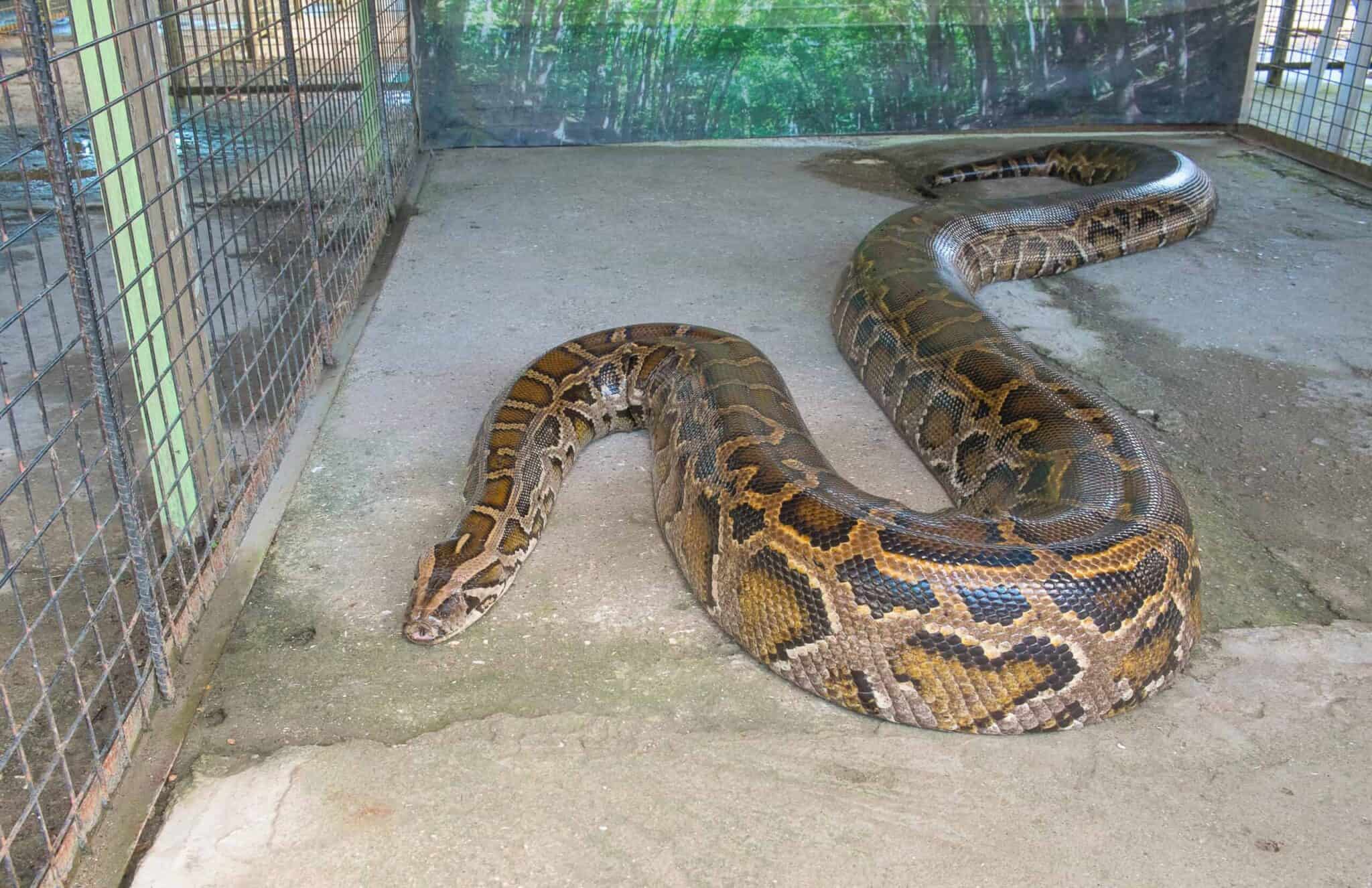
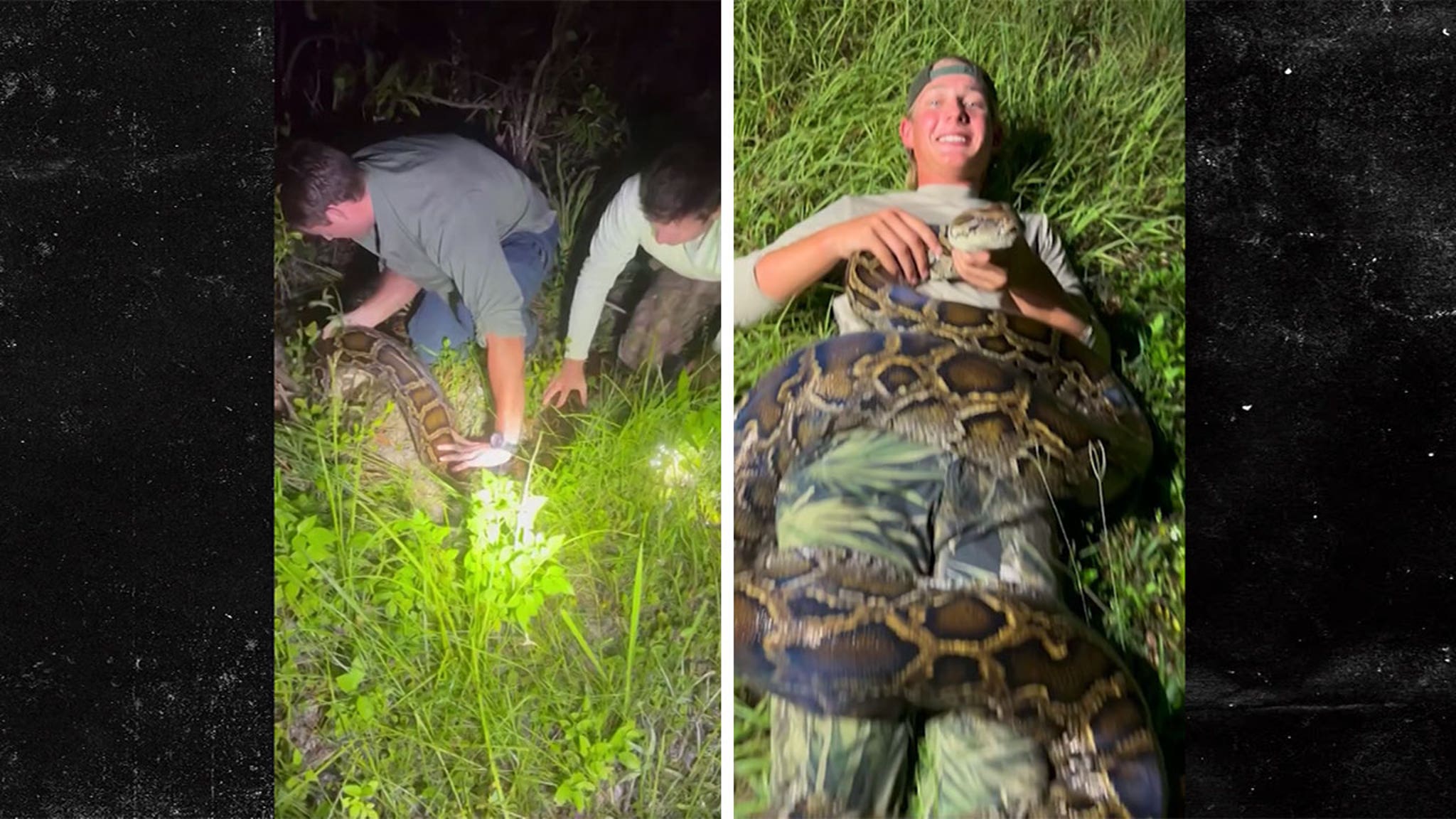
The discovery of a 20-foot python in Florida represents an exceptional milestone in the ongoing efforts to manage invasive Burmese pythons. While Burmese pythons commonly reach lengths of 10 to 15 feet in the Everglades, specimens measuring 20 feet or more are exceptionally rare historical anomalies, carrying profound implications for regional wildlife management and ecological preservation.
The Reality of Giant Burmese Pythons in Florida
The Burmese python (Python bivittatus) is native to the tropical and subtropical regions of Southeast Asia. However, through the exotic pet trade and subsequent accidental or intentional releases, a self-sustaining invasive population established itself in South Florida, most notably within the Greater Everglades Ecosystem. Over the decades, these constrictors have adapted seamlessly to the subtropical wetlands, marshes, and cypress swamps, finding an abundance of native prey and a lack of apex predators.
While encounters with pythons are common for field researchers and removal contractors, finding a specimen reaching or exceeding the 20-foot mark is a monumental event. Most adult Burmese pythons removed from the wild measure between 6 and 10 feet long. Even large breeding females, which generally grow larger than males, typically plateau in the 12- to 16-foot range. A 20-foot python is a statistical outlier—an apex specimen that has survived undetected for many years, consuming significant biological resources and evading standard management detection.
Verifying claims of 20-foot pythons requires strict adherence to scientific measurement protocols. Anecdotal reports from the field often exaggerate snake lengths due to the optical illusion created by stretched skins or adrenaline-fueled encounters. Herpetologists and wildlife officials from agencies such as the Florida Fish and Wildlife Conservation Commission (FWC) and the Conservancy of Southwest Florida rely on post-mortem measurements taken while the carcass is fully relaxed and laid flat on a rigid surface, rather than hanging estimates or skin measurements, which can stretch significantly after removal.
Ecological Impact and Predatory Dynamics
The presence of extraordinarily large Burmese pythons introduces severe ecological stress to the Everglades ecosystem. As cold-blooded ambush predators, pythons require substantial caloric intake to maintain their mass, and larger snakes require proportionately larger meals. A 20-foot python is capable of consuming large mammalian wildlife that smaller predators cannot target.
Research conducted by state and federal biologists indicates that the python population has decimated native mammal populations in parts of Everglades National Park and surrounding public lands. Documented prey items for large pythons include:
- White-tailed deer (Odocoileus virginianus)
- Bobcats (Lynx rufus)
- Marsh rabbits (Sylvilagus palustris)
- Raccoons (Procyon lotor)
- Opossums (Didelphis virginiana)
- Various wading birds, including egrets, herons, and ibises
- Alligators (Alligator mississippiensis), in rare and dramatic predation events
The loss of these native species cascades through the food web. For instance, the drastic decline of mid-sized mammals has altered seed dispersal patterns and affected scavenger populations. Furthermore, the removal of herbivores like marsh rabbits and deer can temporarily alter vegetative composition, while the direct competition with native apex predators—such as the endangered Florida panther (Puma concor colorcursor*)—creates resource scarcity for native carnivores struggling to find adequate food sources.
Biological Characteristics of Record-Sized Pythons
Understanding how a Burmese python reaches 20 feet requires an examination of the species' biology, growth rates, and reproductive capacity. Pythons exhibit indeterminate growth, meaning they continue to grow throughout their entire lives, provided they have access to adequate food, suitable thermal environments, and shelter from disease or predation.
| Biological Metric | Typical Adult vs. Record-Sized Specimen |
|---|---|
| Average Length (Adult) | 6 to 10 feet |
| Maximum Verified Length | Approaching or slightly exceeding 18-20 feet |
| Average Weight | 50 to 100 pounds |
| Record Weight | Over 150 to 200+ pounds |
| Clutch Size (Eggs) | 20 to 100+ eggs per breeding season |
| Primary Habitat | Wetlands, tree islands, marshes, canals |
Large females over 18 or 20 feet are prolific breeders, often referred to by wildlife biologists as "super-breeders." A single large female can produce a clutch of upwards of 50 to 100 eggs annually. Removing a specimen of this magnitude prevents thousands of potential future hatchlings from entering the ecosystem over the snake's multi-decade lifespan.
Moreover, the sheer physical dimensions of a 20-foot snake present formidable handling challenges. A specimen of this size can weigh well over 150 pounds, possessing immense muscular strength capable of overpowering an adult human if handled improperly. Consequently, state-sanctioned removal efforts rely on trained professionals equipped with specialized snake tongs, hooks, and secure transport containers to safely manage large constrictors.
State Management Strategies and Removal Programs
Managing the Burmese python population is one of the most complex wildlife challenges in North America. Because the snakes are cryptically colored, elusive, and inhabit dense, inaccessible wetlands like the Everglades, traditional eradication methods are ineffective. Instead, the State of Florida employs a multifaceted management strategy aimed at suppressing the population density and preventing further geographic expansion.
Professional Python Removal Contractors
The FWC and the South Florida Water Management District (SFWMD) manage programs that employ contracted python removal agents. These contractors are compensated hourly and receive bonuses based on the size of the snakes they capture. This incentivized approach has professionalized python hunting, resulting in the removal of thousands of invasive snakes from public lands.
Public Hunting and Controlled Seasons
In addition to professional contractors, Florida encourages public participation through initiatives like the annual Florida Python Challenge. This event draws hundreds of amateur and professional hunters from across the United States and international locations to compete for cash prizes while removing invasive snakes from designated state-managed lands. Participants must undergo brief online training regarding humane euthanasia and species identification.
Technological Innovations in Research and Detection
Because finding a camouflaged snake in millions of acres of sawgrass is extraordinarily difficult, researchers utilize advanced technology to locate breeding populations. Scientists employ "scout snakes"—captured male pythons implanted with miniature radio transmitters. When released back into the wild, these male snakes travel long distances to find elusive, large females during the winter breeding season. Wildlife biologists track the radio signals to locate and remove multiple snakes at once, targeting the largest breeding-age individuals directly.
Public Safety, Encounter Guidelines, and Reporting
Encounters between humans and Burmese pythons are relatively uncommon due to the snakes' secretive nature, but homeowners and recreationists in South Florida do occasionally encounter large specimens near canals, levees, and residential developments bordering natural areas.
If you encounter a Burmese python in Florida, follow these recommended safety protocols:
- Maintain a Safe Distance: Keep at least a few feet away from the snake. Pythons are non-venomous constrictors, but they possess sharp, backward-curving teeth and can inflict severe defensive bites.
- Do Not Attempt Capture Unless Trained: While Burmese pythons are not legally protected in Florida—and state law mandates that they be humanely killed immediately when captured on public lands—attempting to subdue a large, powerful constrictor without professional experience poses significant safety risks.
- Document the Location: Note specific landmarks, GPS coordinates, or cross streets to help responders locate the animal.
- Report the Sighting: Contact the FWC Exotic Species Hotline at 888-Ive-Got1 (888-483-4681), use the official Ive-Got1 mobile application, or submit a report online at Florida Fish and Wildlife Conservation Commission. Providing photographs and precise location data significantly aids biologists in tracking invasive species distribution.
Frequently Asked Questions
Are 20-foot pythons common in the Florida Everglades?
No, 20-foot pythons are exceedingly rare. While Burmese pythons grow much larger in Florida than they typically do in their native range due to a lack of natural predators and abundant food, the vast majority of individuals found remain under 12 feet in length. Specimens reaching 20 feet represent extreme exceptions that have survived and grown undisturbed for many years.
Are Burmese pythons venomous?
No, Burmese pythons are non-venomous constrictors. They kill their prey by seizing it with their teeth, wrapping their muscular coils around the animal, and tightening their grip to restrict blood flow and respiration before swallowing the meal whole. However, their bites can cause severe lacerations and introduce bacteria, requiring medical attention.
Can citizens legally hunt pythons in Florida?
Yes. Burmese pythons are an unregulated invasive species in Florida. Property owners can kill them on their own land without a permit, and anyone with a valid Florida hunting license can remove them from designated public lands using approved humane methods. The FWC strongly encourages the humane dispatch of captured pythons to prevent their release back into the wild, which is illegal.
How did Burmese pythons originally get into Florida?
The established python population primarily originated from the exotic pet trade. Many snakes were imported legally or illegally, and some were subsequently released into the wild by owners who could no longer care for them. Additionally, the destruction of commercial reptile breeding facilities by Hurricane Andrew in 1992 contributed to the accidental escape of captive snakes into the surrounding South Florida marshlands.
What is being done to control the python population?
State and federal agencies utilize a combination of professional removal contractors, public hunting incentives like the Python Challenge, radio-telemetry research using scout snakes, and habitat management to suppress the population. While complete eradication is currently biologically impossible with existing technology, these sustained efforts successfully remove thousands of reproductive adults from the ecosystem annually.
Conclusion and Next Steps
The discovery of a 20-foot python in Florida serves as a stark reminder of the scale and persistence of the state's invasive species challenge. While individual giant snakes capture public attention, effective management relies on consistent, data-driven removal efforts, public education, and technological innovation. To support ongoing conservation work, residents and visitors should familiarize themselves with local identification guidelines, report all wild sightings to the FWC, and support authorized habitat preservation and wildlife management programs across South Florida.