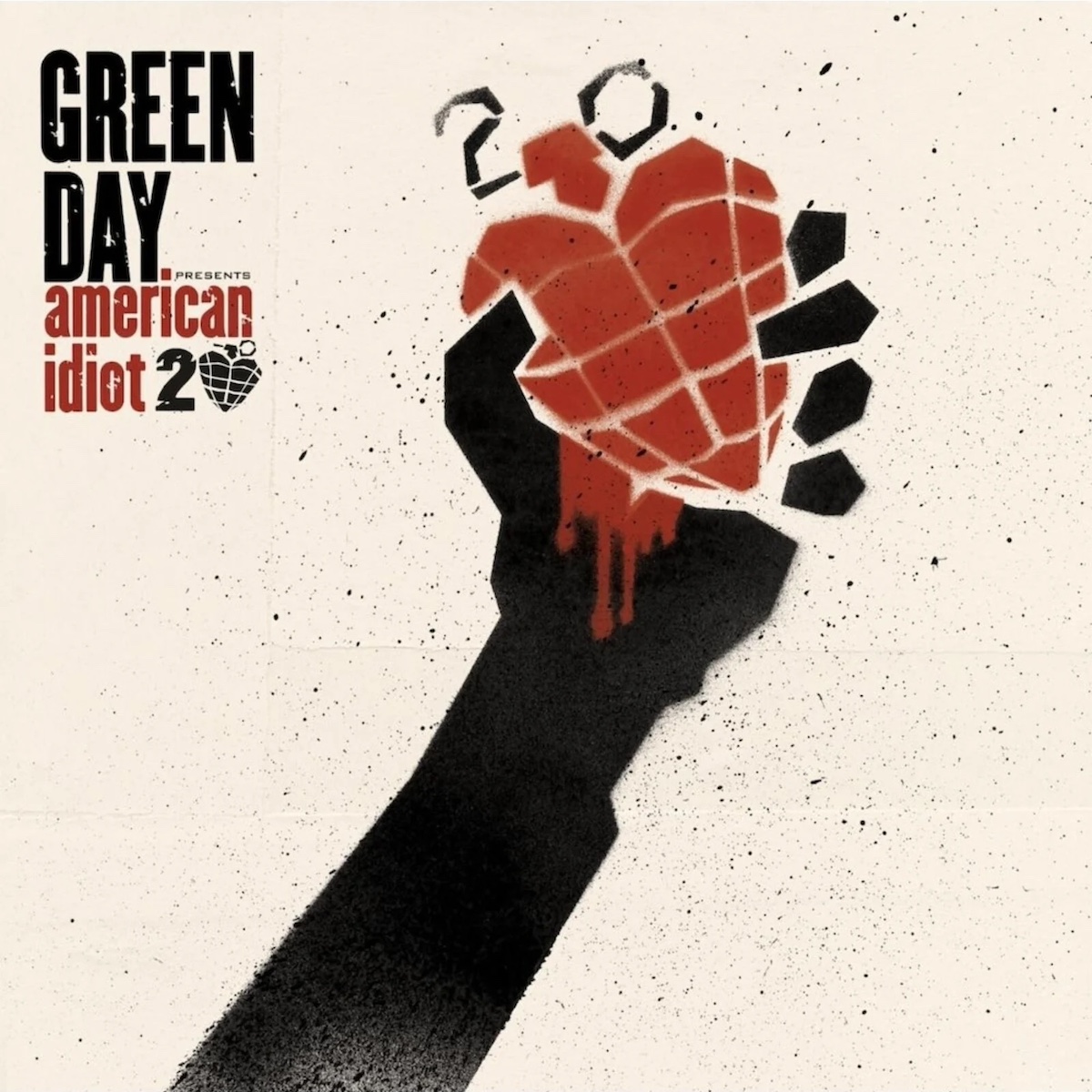
Released during a politically volatile era, Green Day’s American Idiot is far more than a collection of catchy punk-rock anthems; it is a meticulously crafted rock opera that critiques modern media manipulation, political paranoia, and the decay of the American Dream. The album follows the fictional protagonist, Jesus of Suburbia, through a landscape of mass distraction and disillusionment, reflecting the anxieties of a generation navigating post-9/11 culture and corporate media saturation.
The Cultural and Political Landscape of 2004
To truly understand what American Idiot means, one must examine the socio-political climate in which it was created. Released in September 2004, the album arrived at the height of the Iraq War and during a fiercely contested U.S. presidential election cycle between George W. Bush and John Kerry. Public discourse was dominated by a relentless 24-hour news cycle, pervasive government surveillance anxieties, and a pervasive culture of fear that weaponized patriotism.
Green Day, a band that rose to prominence in the mid-1990s with deeply personal, introspective pop-punk tracks, suddenly pivoted toward grand societal critique. The title track, "American Idiot," served as an immediate mission statement, taking direct aim at the media's role in manufacturing consent and stoking xenophobia. Frontman Billie Joe Armstrong described the track and the broader album as a reaction against how television networks sensationalized war and pacified the citizenry with superficial entertainment.
Rather than writing standard protest songs, the band chose to construct a narrative-driven rock opera in the tradition of The Who's Tommy or Pink Floyd's The Wall. This theatrical framework allowed them to explore how macro-level political shifts infiltrate and distort individual identity, mental health, and personal relationships.
Anatomy of a Rock Opera: The Narrative Arc
The core of American Idiot functions as a linear story divided into distinct acts, charting the disillusionment, rebellion, and eventual resignation of its central characters. The narrative provides a framework for understanding how systemic societal pressures manifest in personal despair.
Introducing the Anti-Hero: Jesus of Suburbia
The album's narrative kicks off with the sprawling, nine-minute epic "Jesus of Suburbia." The protagonist is a nameless, disenfranchised young man from a fictional suburb called Jingletown. He represents the archetype of modern apathy—raised on a diet of junk food, cable television, and pharmaceutical dependency. He embodies the feeling of being an outsider in one's own homeland, stuck between the hollow promises of suburban prosperity and the grim reality of a nation at war.
St. Jimmy and Whatsername: The Duality of Rebellion
As the story progresses, Jesus flees his mundane hometown for the city, where he adopts the alter ego "St. Jimmy"—a hyper-aggressive, romanticized archetype of punk rebellion and self-destruction. St. Jimmy represents the trap of counterculture commercialization; he is a manifestation of the violent, nihilistic impulses encouraged by the very system Jesus is trying to escape.
Alongside St. Jimmy enters "Whatsername," representing genuine human connection, political awakening, and the realization that neither suburban complacency nor hollow rebellion offers a real solution. The narrative culminates in the heartbreaking realization that clinging to toxic alter egos only leads to erasure, forcing Jesus to shed St. Jimmy, leave the city behind, and return to his roots with a hardened, realistic perspective on life.
Key Themes Explored Across the Tracklist
While the narrative binds the album together, individual tracks dissect specific facets of contemporary society. Deconstructing these themes reveals the multi-layered critique embedded in the music.
- Media Manipulation and Propaganda: Tracks like "American Idiot" and "Information Age" focus on how mass media acts as a sedative. The 24-hour news cycle is portrayed not as an informer of truth, but as a manufacturer of panic designed to control public behavior.
- The Deconstruction of Patriotism: The album sharply separates love of country from blind obedience to political leaders. It asks what it means to be an American when national identity is co-opted by militarism and corporate interests.
- Alienation and Isolation: Despite living in a hyper-connected digital and televised world, the characters experience profound loneliness, reflecting an era where technological progress outpaced emotional maturity.
- Suburban Boredom and Escapism: Jingletown serves as a metaphor for the numbing conformity of middle-class existence, where youth seek refuge in drugs, alcohol, and reckless behavior to feel alive.
Thematic breakdown of core tracks
| Track Title | Narrative Function | Primary Social Critique |
|---|---|---|
| "American Idiot" | Overture / Mission Statement | Condemnation of media-driven paranoia and manufactured consent. |
| "Jesus of Suburbia" | Character Introduction | Exploration of suburban apathy, media saturation, and youthful alienation. |
| "Holiday" | Political Satire | Direct assault on warmongering rhetoric and nationalist hubris during wartime. |
| "Boulevard of Broken Dreams" | The Aftermath of Escape | The crushing reality of isolation experienced by those seeking independence. |
| "St. Jimmy" | The Rise of the Anti-Hero | The commercialization and romanticization of self-destructive rebellion. |
| "Whatsername" | Resolution / Epilogue | Acceptance of maturity, loss, and the abandonment of toxic illusions. |
Musical Evolution and Theatrical Ambition
Beyond its lyrical depth, American Idiot represented a massive sonic departure for Green Day. By 2004, the band’s commercial peak with albums like Dookie and Nimrod was beginning to face industry fatigue. Instead of chasing radio-friendly pop-punk trends, they leaned into complex song structures, multi-part movements, acoustic interludes, and arena-sized rock arrangements.
The production, helmed by veteran producer Rob Cavallo, prioritized dynamic range. Guitars were layered to create a massive wall of sound, while Armstrong’s vocal delivery shifted from sarcastic sneers to earnest, soaring melodies. This sonic ambition justified the "rock opera" label, proving that punk ethos could successfully merge with classic rock storytelling without losing its abrasive edge.
Legacy and Relevance in Contemporary Culture
Decades after its initial release, American Idiot remains remarkably prescient. The themes of political polarization, information overload, algorithmic radicalization, and the erosion of institutional trust feel even more urgent today than they did in 2004.
The album’s transition into a successful Broadway rock musical in 2009 further cemented its status as a cultural touchstone, bridging the gap between underground punk subculture and high-art theatrical performance. It demonstrated that popular music could engage in serious political discourse while maintaining immense commercial and artistic appeal.
For modern listeners, the album serves as a historical artifact of early 21st-century anxiety, but also as an enduring manual on how to maintain critical thinking in the face of relentless societal distraction. The journey of Jesus of Suburbia is ultimately a call to reject easy answers, discard false idols, and confront reality on one’s own terms.
Frequently Asked Questions
What is the storyline of Green Day's American Idiot?
The album tells the coming-of-age story of Jesus of Suburbia, a disillusioned youth who leaves his boring hometown for the city. Along the way, he splits his personality into a rebellious alter ego named St. Jimmy, experiences heartbreak and addiction, and ultimately destroys his alter ego to return home with a mature, grounded perspective on life.
Is American Idiot a direct criticism of George W. Bush?
While the album heavily critiques the political climate of the George W. Bush administration—particularly the Iraq War and government-sponsored fear—Green Day intended the work to be a broader commentary on media manipulation, consumerism, and the general state of modern society rather than a narrow partisan attack.
Who is St. Jimmy in the album's narrative?
St. Jimmy is a fictional alter ego created by the protagonist, Jesus of Suburbia. He embodies the extreme, romanticized archetype of punk-rock rebellion, drug use, and self-destruction. His character represents the trap of imitating destructive cultural stereotypes to feel validated.
Why did Green Day change their musical style for this album?
After years of playing traditional three-chord pop-punk, the band wanted to challenge themselves artistically. Inspired by classic rock operas like The Who's Tommy, they sought to create a cohesive, narrative-driven record that explored complex musical arrangements and ambitious storytelling.
Conclusion and Final Takeaway
American Idiot endures because it captures the universal struggle of finding authenticity in a world dominated by noise, division, and distraction. To understand the album is to recognize that its true meaning lies not just in its political outrage, but in its search for personal truth amidst systemic chaos. Listeners revisiting the record should focus on how its narrative mirrors contemporary challenges with media truth and personal identity, serving as a reminder to question the narratives fed to us by modern institutions.