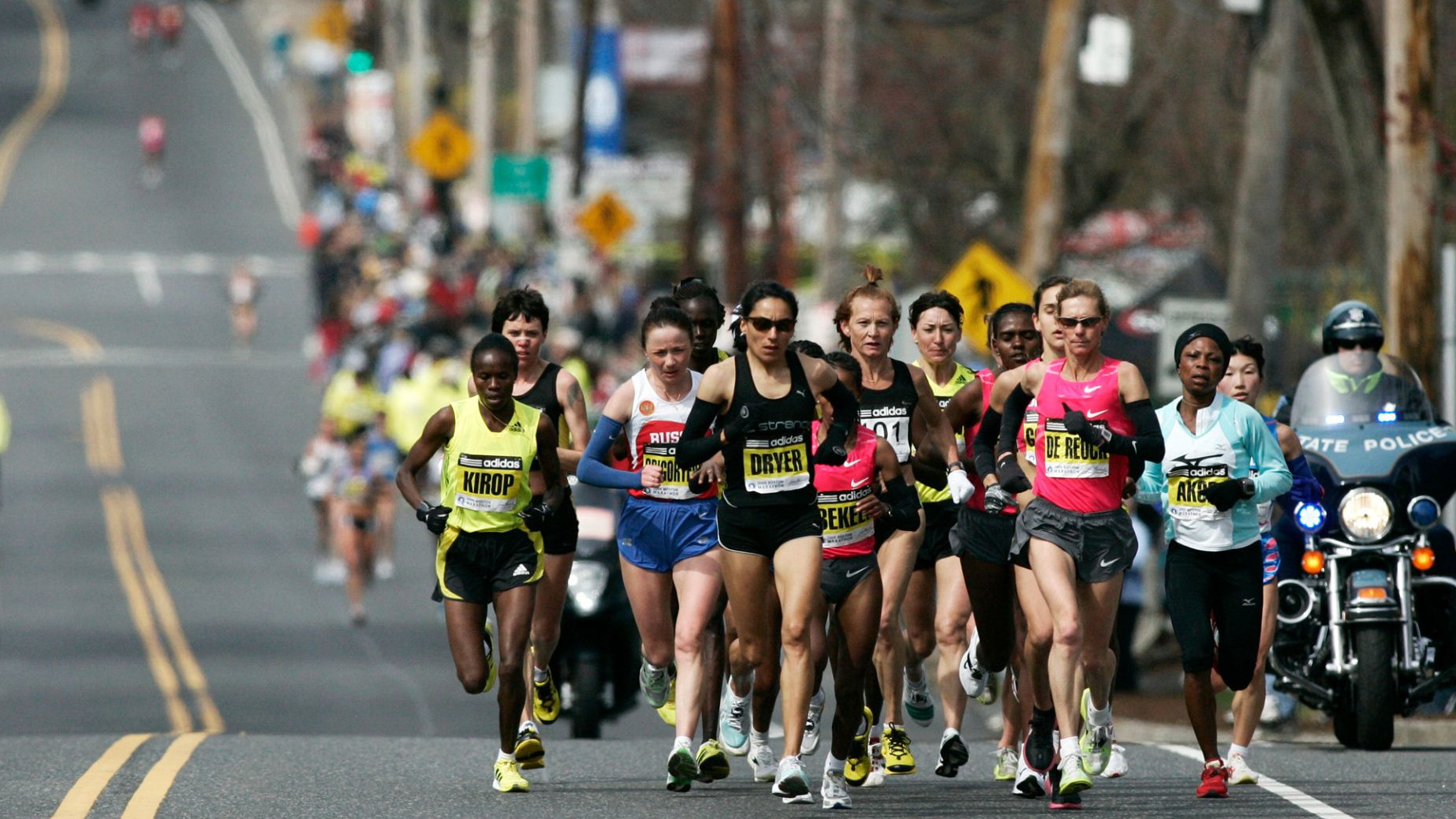
The 2021 Boston Marathon featured a specialized field of approximately 140 elite runners who headlined the race's historic move to an October date for its 125th anniversary. This select group, comprising world-class athletes in the open, wheelchair, and para-athletics divisions, navigated a unique fall course to re-establish the event’s competitive dominance following the COVID-19 pandemic.
The Strategic Assembly of the 2021 Elite Field
The 125th Boston Marathon was not merely a return to racing; it was a carefully curated exhibition of endurance sports. The Boston Athletic Association (BAA) intentionally recruited a field of roughly 140 elite athletes to ensure that, despite a reduced overall field size of 20,000 participants, the competitive integrity of the World Marathon Major remained intact. This group included former champions, Olympic medalists, and world record holders, all converging on Hopkinton on October 11, 2021.
The selection process for these 140 individuals was rigorous. Unlike the mass-participation entrants who qualified through standard time standards, the elite field was invited based on World Athletics rankings, previous podium finishes in Major marathons, and specific performance metrics achieved during the 18-month hiatus of in-person racing. By concentrating the talent into a smaller "bubble" of elites, the BAA was able to implement strict health and safety protocols while maintaining the high-stakes atmosphere that defines the Boston finish line on Boylston Street.
The Men’s Open Division: Tactics and Transformation
The men’s elite field in 2021 was characterized by a mix of established Kenyan powerhouses and opportunistic American challengers. Among the 140 elites, the men’s open division saw one of the most unusual tactical displays in recent history, primarily driven by American runner CJ Albertson.
Albertson, known for his unique training methods, surged to an immediate lead, at one point holding a gap of over two minutes on the main pack. While many observers questioned the sustainability of such a pace, it forced the international elite pack to remain disciplined. The chase pack, which included favorites like Benson Kipruto and Lemi Berhanu Hayle, refused to bite early, banking on the notorious hills of Newton to neutralize Albertson’s lead.
The strategy of the chase pack eventually paid off. At the 21-mile mark, the strength of the 140-strong elite collective began to show. Benson Kipruto, a Kenyan who had been quietly building a resume of consistent performances, made a definitive move as the race exited the "Heartbreak Hill" section. His surge was uncontested, allowing him to finish in 2:09:51. This victory signaled a transition in the elite hierarchy, as Kipruto utilized the 2021 platform to propel himself into the top tier of world marathoners—a status he continues to hold here in 2026.
The Women’s Open Division: Experience and Integrity
The women’s elite field was arguably the most decorated portion of the 140 runners invited. It featured a deep roster of talent, including American favorites Des Linden and Nell Rojas, alongside a formidable Kenyan and Ethiopian contingent. However, the story of the 2021 women’s race is one of both tactical brilliance and subsequent historical correction.
Initially, the race was won by Diana Kipyokei, but her title was later stripped following a positive test for prohibited substances and subsequent tampering with the investigation. This led to the elevation of the legendary Edna Kiplagat to the top spot. Kiplagat, who was 41 at the time of the race, demonstrated why she is considered one of the greatest tactical runners in history. She remained tucked in the lead pack for the duration of the race, navigating the rolling terrain with a level of efficiency that younger runners struggled to match.
The performance of the American women in this elite group was also significant. Nell Rojas emerged as the top American finisher, placing sixth (later moved to fifth following the DQ) with a time of 2:27:12. Her performance highlighted the depth of the 140 elites, proving that the gap between the East African dominance and the American field was narrowing through specialized strength training and high-altitude preparation.
Dominance in the Wheelchair Divisions
The elite wheelchair field, a vital subset of the 140 invited athletes, provided some of the most dramatic moments of the 125th edition. Marcel Hug (Switzerland) and Manuela Schär (Switzerland) entered the race as the heavy favorites, and both delivered performances that solidified their legacies.
Marcel Hug’s race was a masterclass in resilience. Despite a significant navigational error near the end of the course—where he followed a lead vehicle that turned off the course—he managed to recover and secure the win. His time of 1:18:11 was world-class, though the error cost him a potential course record and the associated $50,000 bonus. This incident underscored the immense pressure and speed at which the elite wheelchair athletes operate, where a split-second distraction can alter the outcome of months of training.
In the women's wheelchair race, Manuela Schär was untouchable. She led from the start, finishing in 1:35:21, nearly 15 minutes ahead of her closest competitor. Her performance was a reminder of the specialized nature of the 140 elites; these are not just fast runners, but athletes who have mastered the mechanics of their equipment and the specific physics of the Boston course’s downhills.
Technical Specifications: The October Factor
One of the primary reasons the 140 elite runners were so impactful in 2021 was their adaptation to the October conditions. Traditionally held on the third Monday of April (Patriots' Day), the move to October 11 introduced new variables:
- Humidity: October in New England can be significantly more humid than April. Elite runners had to adjust their hydration and electrolyte strategies to account for a dew point that differed from their usual spring preparations.
- Training Cycles: The shift forced elites to train through the peak heat of the summer months. For those based in high-altitude camps in Kenya or Ethiopia, this meant adjusting the intensity of long runs to avoid heat exhaustion.
- Course Foliage: While purely aesthetic for most, the fallen leaves in 2021 presented a minor technical challenge for the elite pack, particularly in the shaded, damp sections of the course where traction could be compromised during sharp turns.
Comparative Elite Performance Data: 2021 Boston Marathon
The following table outlines the key results and performance metrics from the primary elite categories during the 125th running.
| Division | Winner (Official) | Time | Key Runner-Up/Notable | Significance |
|---|---|---|---|---|
| Men's Open | Benson Kipruto (KEN) | 2:09:51 | Lemi Berhanu Hayle | First major win for Kipruto. |
| Women's Open | Edna Kiplagat (KEN) | 2:25:09 | Nell Rojas (USA) | Kiplagat became the oldest winner (41). |
| Men's Wheelchair | Marcel Hug (SUI) | 1:18:11 | Daniel Romanchuk | Hug won despite a navigational error. |
| Women's Wheelchair | Manuela Schär (SUI) | 1:35:21 | Tatyana McFadden | Schär's third Boston title. |
| Para-Athletics (T11-T13) | Chaz Davis (USA) | 2:46:52 | N/A | Dominant performance in vision impairment. |
The Role of Para-Athletics in the Elite Count
Included in the 140 elite runners were pioneering athletes in the Para-Athletics Divisions. The 2021 race was significant for being the first time the Boston Marathon offered a dedicated competitive para-athletics division with prize money. This move expanded the definition of "elite" and ensured that the 125th edition was the most inclusive in the race's history.
Athletes like Chaz Davis, who competed in the T12 (vision impairment) category, were part of this elite cohort. Their inclusion was not ceremonial; they were subject to the same rigorous qualifying and invitation standards as the open field. This structural change in the elite field composition influenced how major marathons across the globe have since structured their professional fields, prioritizing accessibility alongside raw speed.
Lessons from the 140: Preparation for the Modern Era
Looking back from 2026, the 2021 Boston Marathon serves as a blueprint for how elite fields are managed in times of logistical complexity. The "140 elites" model proved that a smaller, high-quality field could produce more compelling tactical racing than a larger, less-vetted professional pack.
For aspiring runners and professional coaches, the 2021 race emphasized the importance of strength-based training. Because the race occurred after a long gap in major competitions, the athletes who succeeded were those who had focused on "base building"—the long, grueling miles that create physical resilience—rather than just "peak speed." Benson Kipruto and Edna Kiplagat both demonstrated that the Boston hills require a specific type of muscular endurance that cannot be faked, regardless of the season.
Common Obstacles Faced by the Elite Field
Despite their status, the 140 elite runners faced several unique challenges during the 2021 event:
- Pacing Disruptions: The aggressive early pace by CJ Albertson disrupted the traditional "feeling out" period of the first 10 kilometers.
- Logistical Hurdles: Travel restrictions in 2021 meant some invited elites from certain countries faced difficult visa processes or quarantine requirements, affecting their final taper.
- Mental Fatigue: The 125th marathon was the end of a long period of uncertainty. For many elites, the pressure to perform after 18 months without a paycheck from a Major marathon was immense.
Frequently Asked Questions
Why were there only 140 elite runners in the 2021 Boston Marathon?
The BAA limited the elite field to approximately 140 athletes to maintain a manageable "pro bubble" during the COVID-19 pandemic. This allowed for better health monitoring, dedicated transportation, and secure housing for the professionals while ensuring the competition remained at a "World Major" level.
Who was the top American finisher among the elites in 2021?
In the Men's Open division, Colin Bennie was the top American, finishing 7th with a time of 2:11:26. In the Women's Open division, Nell Rojas was the top American, finishing 5th (officially) in 2:27:12.
Was the 2021 elite field smaller than previous years?
Yes. Typically, the professional field and the "sub-elite" groups are larger, but for the 125th edition, the focus was on a tighter, more prestigious group of invited athletes to accommodate the unique logistical needs of the October 11 date.
Did any course records break during the 2021 race?
No course records were broken in the open divisions in 2021. The October conditions, which included moderate humidity and a lack of a strong tailwind, made for tactical racing rather than record-setting speed. Marcel Hug was on pace for a wheelchair record but lost time due to a course routing error.
How did the 2021 elite results affect the 2022 and 2023 fields?
The success of the 2021 elite "bubble" led to a permanent increase in the prize money and recognition for the Para-Athletics divisions. It also solidified the status of runners like Benson Kipruto, who became a mainstay of the Boston elite field in subsequent years.
Final Recommendations for Following Elite Marathon Trends
To understand the current state of elite marathon running here in 2026, one must study the tactical shifts that began in 2021. The "140 elite" model showed that versatility—the ability to move from a spring to a fall cycle and handle unconventional pacing—is the most valuable asset a professional runner can possess.
For fans and analysts, it is recommended to monitor the World Marathon Majors (WMM) leaderboard, as the 2021 race was a pivotal moment in the redistribution of points for many of today's top-ranked runners. Additionally, for those training for Boston, the 2021 results prove that mastering the "Newton Hills" is more critical than raw flat-track speed. Analyzing the split times of Benson Kipruto from miles 21 to 25 provides a masterclass in how to close a race on one of the world's most difficult courses.