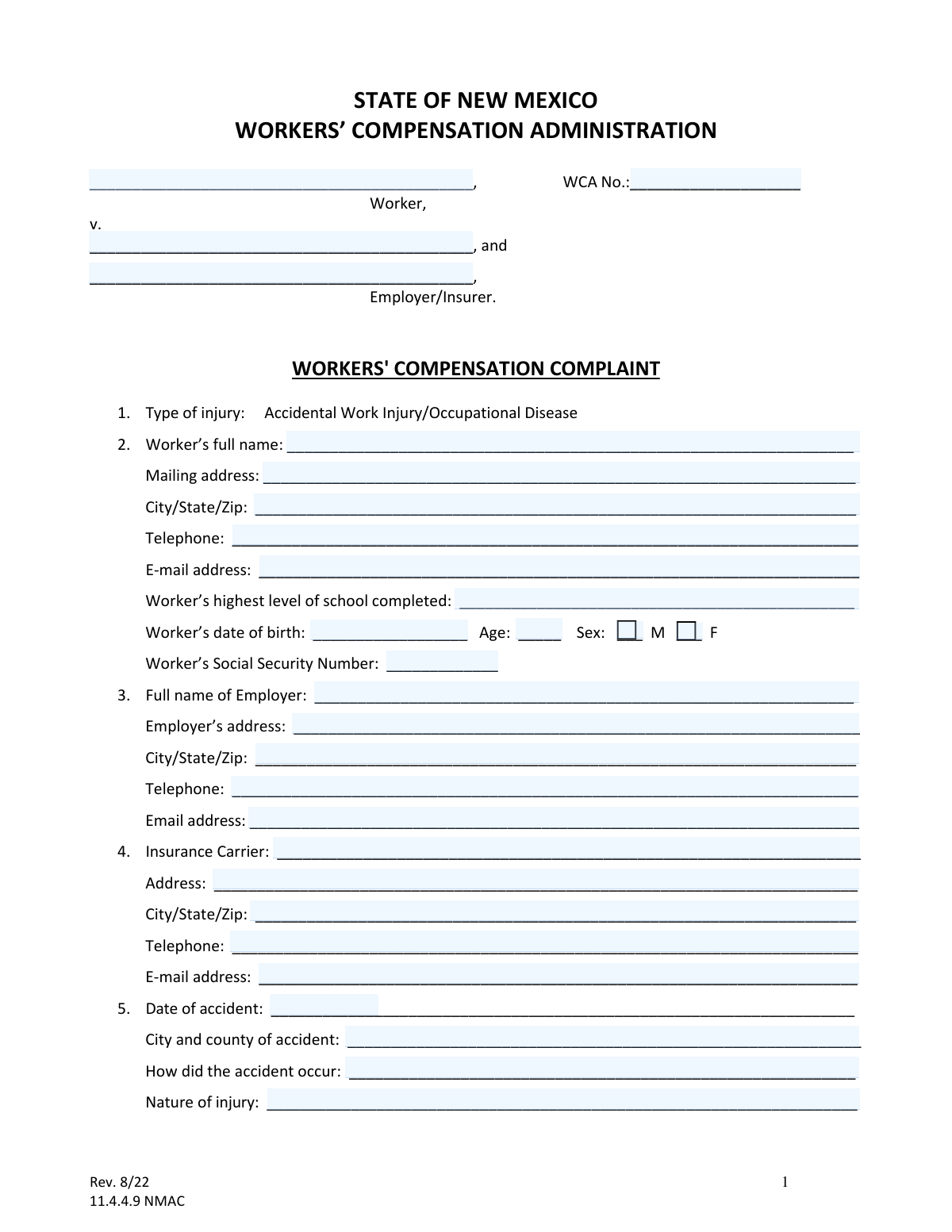
An "11 final PD" designation in workers' compensation refers to a specific phase in a claim where a medical professional has determined that an injury has reached "Maximum Medical Improvement" (MMI), resulting in a permanent impairment rating. This rating is then used to calculate the final monetary award—or Permanent Disability (PD) benefit—provided to an injured worker to compensate for the loss of future earning capacity.
The Foundation of Permanent Disability Benefits
In the workers' compensation system, not every injury leads to a permanent disability payment. Many workplace accidents result in temporary total disability, where the employee recovers fully and returns to their previous job duties. However, when a medical condition stabilizes but leaves the worker with a lasting physical or mental limitation, the system shifts from temporary medical coverage to permanent disability compensation.
"Final PD" represents the conclusion of the medical evaluation process regarding the permanency of an injury. It is not necessarily the end of all medical care, but it is the point at which the legal and financial assessment of the injury’s long-term impact on the worker’s life is cemented. Understanding this milestone requires navigating medical reports, legal thresholds, and administrative procedures specific to state jurisdiction.
The Role of Maximum Medical Improvement (MMI)
The path to a final PD determination begins with MMI. MMI is a clinical milestone, not a subjective one. A physician, typically an authorized treating physician or an independent medical examiner, declares MMI when the worker’s condition has plateaued—meaning it is unlikely to improve further with or without additional medical intervention.
Once MMI is reached, the focus turns to the Permanent Impairment Rating. This rating is expressed as a percentage of the whole person, based on standardized medical guidelines. This percentage serves as the primary multiplier in determining the final settlement value. If you receive an 11% impairment rating, the compensation calculations are mathematically derived from that specific figure, often weighted against your pre-injury wages and the statutory limits of your state.
Navigating the Calculation Process
The calculation of final PD benefits is rarely a simple calculation of wages multiplied by a percentage. It is an algorithmic process influenced by several variables defined by state labor codes.
Key Factors in PD Calculations
- The Impairment Rating: The clinical percentage assigned to the injury.
- Age and Occupation: Many jurisdictions adjust the raw impairment rating based on the worker’s age and the physical demands of their specific job at the time of the injury.
- Weekly Benefit Rates: State-mandated caps on how much money can be paid out per week for permanent disability.
- Prior Disabilities: If a worker had a previous injury to the same body part, the system may apply an "apportionment" to subtract the previous injury’s impairment from the current, final award.
Distinguishing Between Impairment and Disability
A critical distinction for any worker navigating a claim is the difference between "Impairment" and "Disability."
- Impairment: This is the medical loss. It is what a doctor sees on an X-ray or measures through a range-of-motion test. It is objective and clinical.
- Disability: This is the vocational and economic impact. It considers how that impairment affects the worker’s ability to compete in the labor market.
While the "11" in "11 final PD" refers to the impairment rating, the final settlement negotiation often involves arguments regarding the "disability" side of the equation. If an injury results in a permanent work restriction—such as a weight-lifting limit—a worker may argue that their loss of earning capacity is higher than the medical impairment rating suggests.
Comparison Table: Steps to Finalization
| Phase | Purpose | Responsibility |
|---|---|---|
| Medical Stabilization | Achieving MMI and documenting the injury | Treating Physician |
| Impairment Rating | Assigning the percentage (e.g., 11%) | Qualified Medical Evaluator |
| Legal Review | Negotiating or finalizing the PD award | Adjuster / Attorney |
| Settlement/Award | Issuing the final payment structure | Insurance Carrier |
Procedural Next Steps After an 11% Rating
Once you have received an 11% permanent disability rating, you are generally in the final stages of the administrative process. However, this does not mean you must accept the first offer presented by the insurance carrier.
Verification of the Rating
Always ensure the rating was calculated using the correct version of the state’s medical evaluation guidelines. If you believe the rating does not accurately reflect your physical limitations, you may have the right to request an independent medical evaluation or, in some states, a "panel QME" (Qualified Medical Evaluator) to provide a second opinion.
Settlement Negotiations
There are two primary ways to conclude a claim:
- Stipulated Findings and Award: The insurance carrier agrees to pay the PD benefits over time, and the claim remains open for future medical treatment if the condition worsens.
- Compromise and Release (C&R): This is a lump-sum settlement. You receive a final, negotiated amount, but you typically waive the right to future medical care for the injury.
Before choosing between these options, it is vital to consult with a workers' compensation professional to understand the long-term impact on your ability to access medical care.
Common Pitfalls and Troubleshooting
Many claimants encounter difficulty when they assume the "11" is the final word on their financial recovery.
- Failure to Apportion: If you have prior medical history related to the same body part, the insurer will likely attempt to reduce your 11% rating to account for that previous injury. If they have not properly substantiated this history with medical records, you may be entitled to challenge the reduction.
- Ignoring Future Medical Costs: Settling for a lump sum might feel beneficial today, but if your 11% impairment necessitates ongoing physical therapy or future surgery, you may end up paying for those costs out of pocket once the settlement is closed.
- Misunderstanding Wage Replacement: Remember that PD benefits are separate from the wages you lost while off work. They are specifically intended to compensate for the permanent loss of function.
Frequently Asked Questions
What does the number 11 represent in my workers' compensation case?
The number represents your Permanent Impairment Rating, expressed as an 11% whole-person impairment. This percentage is the primary variable used by the insurance carrier and the workers' compensation board to determine the monetary value of your permanent disability award based on state statutory schedules.
Is an 11% rating considered a high or low rating?
Ratings are relative to the severity of the injury and the specific body part involved. An 11% rating for a minor finger injury may be considered significant, while an 11% rating for a spinal cord injury might be viewed as lower than expected. It is essential to compare your rating against the standardized tables provided by your state’s medical guidelines.
Can I reopen my claim after the final PD is paid?
In many jurisdictions, if your condition significantly worsens after the final settlement, you may have a limited window to petition to reopen the claim. However, if you accepted a "Compromise and Release" settlement, your ability to reopen the case is significantly restricted, if not entirely eliminated.
Do I need a lawyer for a final PD settlement?
While not strictly required, many workers find legal representation beneficial when negotiating final settlements. An attorney can help identify if your rating was calculated correctly, ensure that future medical care is addressed, and navigate the complex legal filings required to close a claim.
Does my employer have to hold my job while I wait for a final PD?
Workers' compensation laws generally govern the payment of benefits for injuries, not employment security. Whether your employer is required to hold your position depends on federal laws like the Americans with Disabilities Act (ADA) or specific state labor laws, rather than the workers' compensation system itself.
How are the payments typically distributed?
If you do not choose a lump-sum settlement, permanent disability benefits are usually paid in installments, often bi-weekly. These payments continue until the total amount of the award, as defined by the law, has been satisfied.
Professional Advice and Next Actions
If you are currently at the "11 final PD" stage, your immediate next action should be to request a written explanation of how the impairment rating was applied to your specific case. Review the medical report from the examining physician to ensure that all of your symptoms and physical restrictions were accurately recorded.
If the documentation aligns with your physical reality, you can proceed with the settlement discussion. If there are discrepancies—such as ignored symptoms or a failure to account for specific job duties—document these concerns in writing to the claims adjuster or your legal representative immediately. Because workers' compensation law is highly jurisdictional, consult with a licensed professional in your state to ensure your rights to both monetary compensation and future medical care are fully protected before signing any final release documents.