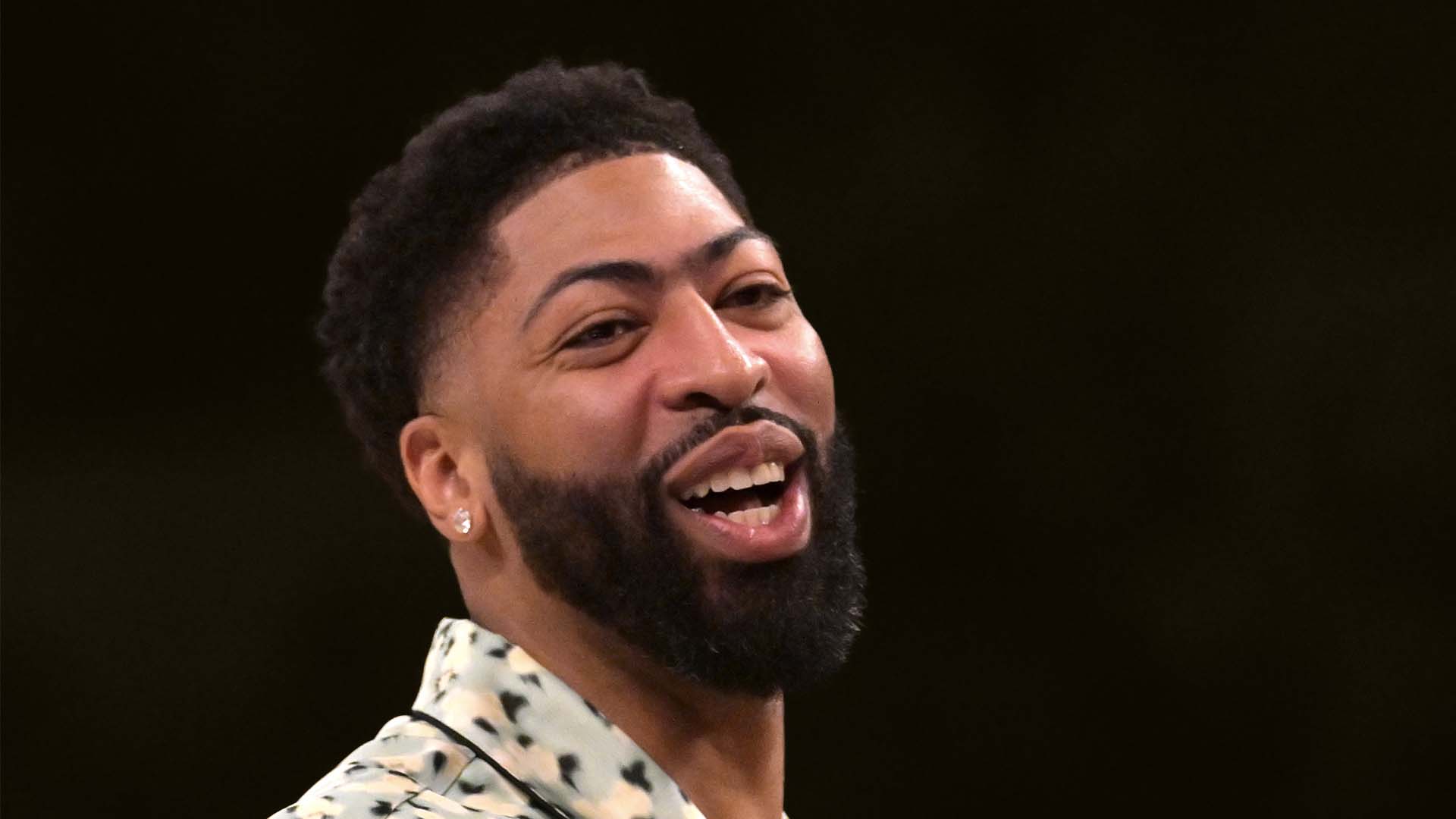
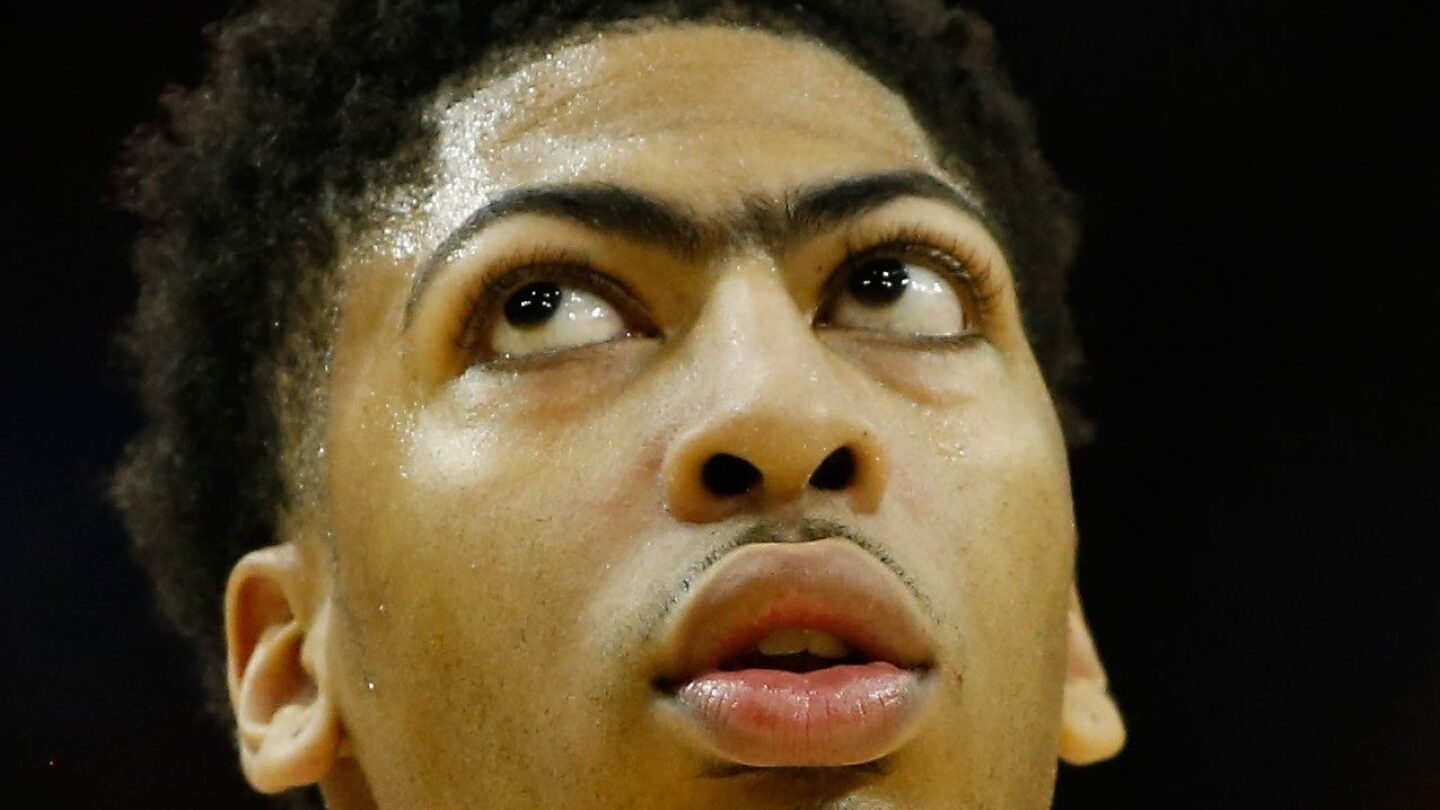
Anthony Davis’s unibrow is perhaps the most recognizable facial feature in professional sports, serving as a core component of his personal brand. Choosing to embrace it rather than groom it, Davis transformed a potential insecurity into a lucrative trademarked asset, symbolizing individuality and confidence within the NBA and global pop culture.
The Origin of an Icon: From Chicago to Lexington
The story of Anthony Davis’s unibrow begins long before he became an NBA champion with the Los Angeles Lakers. Growing up in Chicago and attending Pershing High School, Davis was a late bloomer who underwent a massive growth spurt. During these formative years, his facial hair became a point of discussion among peers. While many teenagers might have succumbed to social pressure to shave or wax a prominent unibrow, Davis made the conscious decision to keep it. This choice was not merely about neglect; it was an early exercise in self-identity.
By the time Davis arrived at the University of Kentucky for the 2011-2012 season, his "brow" had already garnered a following. As he led the Wildcats to an NCAA Championship, fans began wearing fake unibrows in the stands. The "Fear the Brow" slogan emerged organically, turning a physical trait into a rallying cry. This period was crucial because it proved that Davis’s skill on the court could amplify his unique appearance, creating a symbiotic relationship between his athletic excellence and his visual identity.
The decision to remain "The Brow" was reinforced by his family. Davis has often shared in interviews that his parents encouraged him to be himself. This foundation of self-acceptance allowed him to enter the professional world not as just another talented power forward, but as a pre-packaged brand.
The Business of the Brow: Trademarks and Commercialization
In 2012, just before being drafted first overall by the New Orleans Hornets (now the Pelicans), Anthony Davis took a sophisticated step for a young athlete: he trademarked his facial hair. Specifically, he filed for trademarks on the phrases "Fear the Brow" and "Raise the Brow." This move signaled that Davis and his representation understood the value of intellectual property in the modern sports landscape.
Trademarking a physical characteristic is rare but highly effective. By securing these rights, Davis ensured that he would be the primary beneficiary of any merchandise or marketing campaigns centered around his likeness. This foresight protected him from third-party vendors looking to profit from his unique look without his consent. It also allowed him to enter endorsement negotiations with a distinct "hook" that other players lacked.
Strategic Brand Partnerships
Throughout his career, Davis has leveraged his unibrow in high-profile marketing campaigns. These partnerships often lean into the humor and uniqueness of the feature, making Davis appear relatable and self-aware.
- Red Bull: Early in his career, Red Bull featured the brow in social media content, playing on the idea of Davis’s "wingspan" and his facial hair as part of his "superhero" persona.
- Mobil 1: One of the most memorable campaigns featured a "Brow" character—a miniature version of Davis’s unibrow that acted as his advisor. This personification of a physical trait was a masterclass in creative branding.
- Ruffles: Davis’s partnership with Ruffles led to the "Ruffles Ridge Tops," a limited-edition sneaker that featured ridges mimicking the texture of the chips—and, subtly, the prominent ridges of a brow.
As of 2026, Davis remains one of the few athletes who has successfully bridged the gap between serious athletic performance and lighthearted personal branding. The unibrow is no longer a punchline; it is a multi-million-dollar asset.
The Infamous 2018 April Fools Prank
One of the most significant moments in the "history" of the unibrow occurred in March 2018. Anthony Davis posted a video on social media asking fans whether he should shave his unibrow. After a "poll" that allegedly leaned toward "yes," Davis posted a follow-up video showing himself in a locker room with shaving cream and a razor. The camera panned away, and when it returned, the middle of his brow was gone.
The internet reaction was instantaneous and massive. Sports news outlets, fans, and even fellow players commented on the "loss" of the iconic look. However, a few days later, Davis revealed it was an elaborate April Fools’ Day prank. The unibrow was still intact.
This moment was a pivotal case study in digital engagement. It demonstrated:
- Brand Power: The fact that a few millimeters of facial hair could dominate the news cycle proved how integral the unibrow was to his public identity.
- Audience Connectivity: Davis used the prank to interact directly with his fan base, showing a sense of humor that humanized him.
- Marketing Savvy: The prank was eventually tied into his sponsorship with Red Bull, showing how personal "stunts" can be converted into professional brand equity.
The Cultural Impact of "The Brow"
Beyond the money and the memes, Anthony Davis’s unibrow carries a message of self-acceptance. In an era where professional athletes are often pressured to maintain a polished, "GQ" aesthetic, Davis’s refusal to conform is significant. He has become an accidental spokesperson for individuality.
For young people who may feel insecure about their unique physical traits—whether it be a birthmark, a gap in their teeth, or unconventional facial hair—Davis serves as a high-profile example of how those traits can be a source of strength. He didn't just "tolerate" his unibrow; he made it his crown. This psychological impact is a major reason why the "Fear the Brow" movement resonated so deeply. It wasn't just about basketball; it was about the confidence to be different.
| Year | Milestone | Impact on Personal Brand |
|---|---|---|
| 2012 | NCAA Championship (Kentucky) | National recognition of "The Brow" persona. |
| 2012 | Trademark Filings | Legally secured "Fear the Brow" and "Raise the Brow." |
| 2018 | April Fools Prank | Massive social media engagement and viral marketing success. |
| 2020 | NBA Championship (Lakers) | Validated the brand with the highest level of professional success. |
| 2024-2026 | Legacy Branding | Transitioned from a "gimmick" to a respected symbol of consistency. |
Evolution in the Los Angeles Lakers Era
When Anthony Davis was traded to the Los Angeles Lakers in 2019, many wondered if the "Hollywood" atmosphere would prompt him to change his look. On the contrary, the move to a larger market only amplified the power of his brand. Playing alongside LeBron James, Davis achieved a new level of global visibility.
In Los Angeles, the unibrow became part of the city’s sports iconography. Murals across the city depicted Davis with his signature look, and the "Lakers Gold" jersey paired with the brow became a best-selling merchandise combination. The Lakers’ 2020 championship solidified the brow’s place in NBA history. By 2026, the discussion has shifted from the novelty of his facial hair to the inevitability of his Hall of Fame induction, with the unibrow remaining a constant symbol of his tenure.
Technical Analysis of Branding Longevity
The longevity of Anthony Davis’s unibrow as a brand element is due to its "un-copyable" nature. In marketing, a "Unique Selling Proposition" (USP) is something that competitors cannot easily replicate. While any player can have a signature shoe or a specific celebration, the unibrow is a natural physical trait. It is authentic.
In the 2026 media environment, authenticity is the most valued currency. Consumers and fans can easily spot "manufactured" brands. Because Davis has consistently maintained this look since his teenage years, it is perceived as genuine. This authenticity has allowed the brand to survive the transition from his youth into his veteran years in the league.
Why the Branding Works
- Visual Consistency: Like the Nike Swoosh or the Golden Arches, the unibrow is a simple, high-contrast visual that is instantly recognizable from a distance.
- Emotional Connection: It evokes a sense of nostalgia for fans who have followed him since his Kentucky days.
- Versatility: It can be used for serious athletic promotion or comedic commercials, allowing Davis to occupy multiple market segments.
Frequently Asked Questions
Why did Anthony Davis decide not to shave his unibrow?
Davis has stated that his family, particularly his parents, encouraged him to embrace his natural appearance. During his college years at Kentucky, the unibrow became so popular with fans that it transformed into a badge of honor rather than a source of self-consciousness. He eventually realized that it made him unique in a league full of stars.
Is "Fear the Brow" actually trademarked?
Yes, Anthony Davis filed for trademarks on "Fear the Brow" and "Raise the Brow" in June 2012. This was a strategic move to prevent companies from profiting off his likeness and catchphrases without his permission. The trademarks cover various goods, including clothing and headwear.
Did Anthony Davis ever actually shave his unibrow?
No, he has never permanently shaved it. The most famous instance of him "shaving" it was an April Fools' Day prank in 2018. He used a clever camera angle and social media editing to make it look like he had removed the middle section, but he revealed the truth shortly after.
How has the unibrow affected Davis's endorsement deals?
It has been a significant asset. Companies like Mobil 1 and Ruffles have created entire ad campaigns centered specifically around the unibrow. It gives advertisers a creative "hook" that is unique to Davis, making him a more attractive spokesperson than players who lack a distinct visual trademark.
What does the unibrow represent in terms of his legacy?
As of 2026, the unibrow represents individuality and the power of self-branding. It serves as a reminder that professional athletes are not just players but also icons. For Davis, the unibrow is a symbol of staying true to oneself despite public scrutiny or traditional grooming standards.
Final Recommendations for Personal Branding
For those looking to build a personal brand, Anthony Davis’s journey offers a vital lesson: lean into what makes you different. Rather than trying to minimize a unique trait to fit a conventional mold, Davis maximized it.
If you are developing a brand in 2026, consider these steps:
- Identify your "Brow": Find the one trait or skill that sets you apart from everyone else in your field.
- Protect your intellectual property: Like Davis’s trademarks, ensure that your unique identifiers are legally protected early on.
- Be consistent: The power of the brow comes from the fact that Davis never wavered. Consistency builds trust and recognition over time.
- Use humor: Don’t be afraid to poke fun at your unique traits. Self-awareness is a powerful tool for building a connection with an audience.