Independent contractors operating under IRS Form 1099 are generally not required by law to carry workers' compensation insurance for themselves, because business owners and independent contractors are legally classified as separate entities rather than traditional employees. However, mandatory coverage obligations shift significantly depending on state statutory frameworks, the presence of sub-contractors, specific contract stipulations, and whether a worker's operational structure crosses the threshold into statutory employment.
Navigating the Legal Distinction Between W-2 Employees and 1099 Contractors
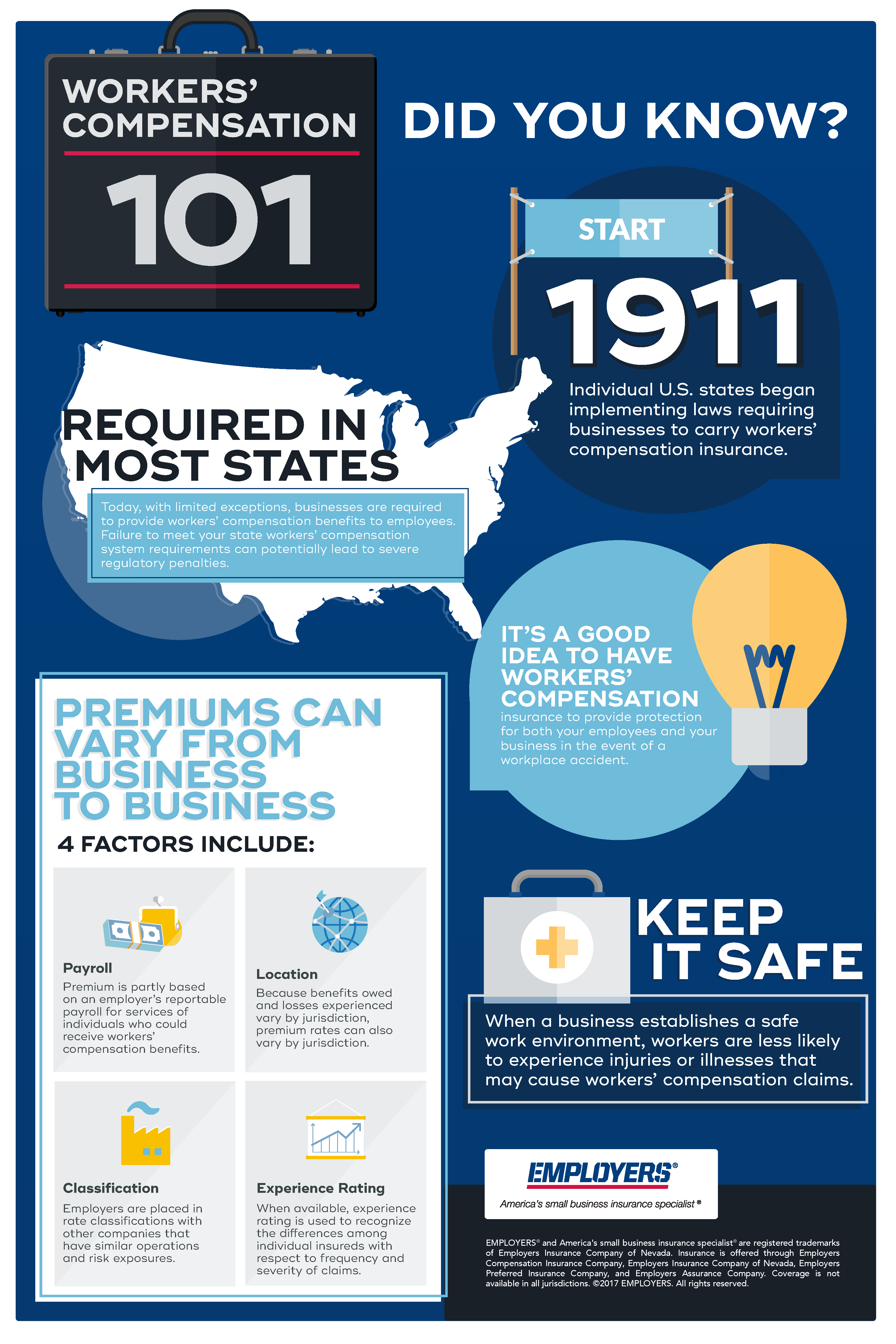
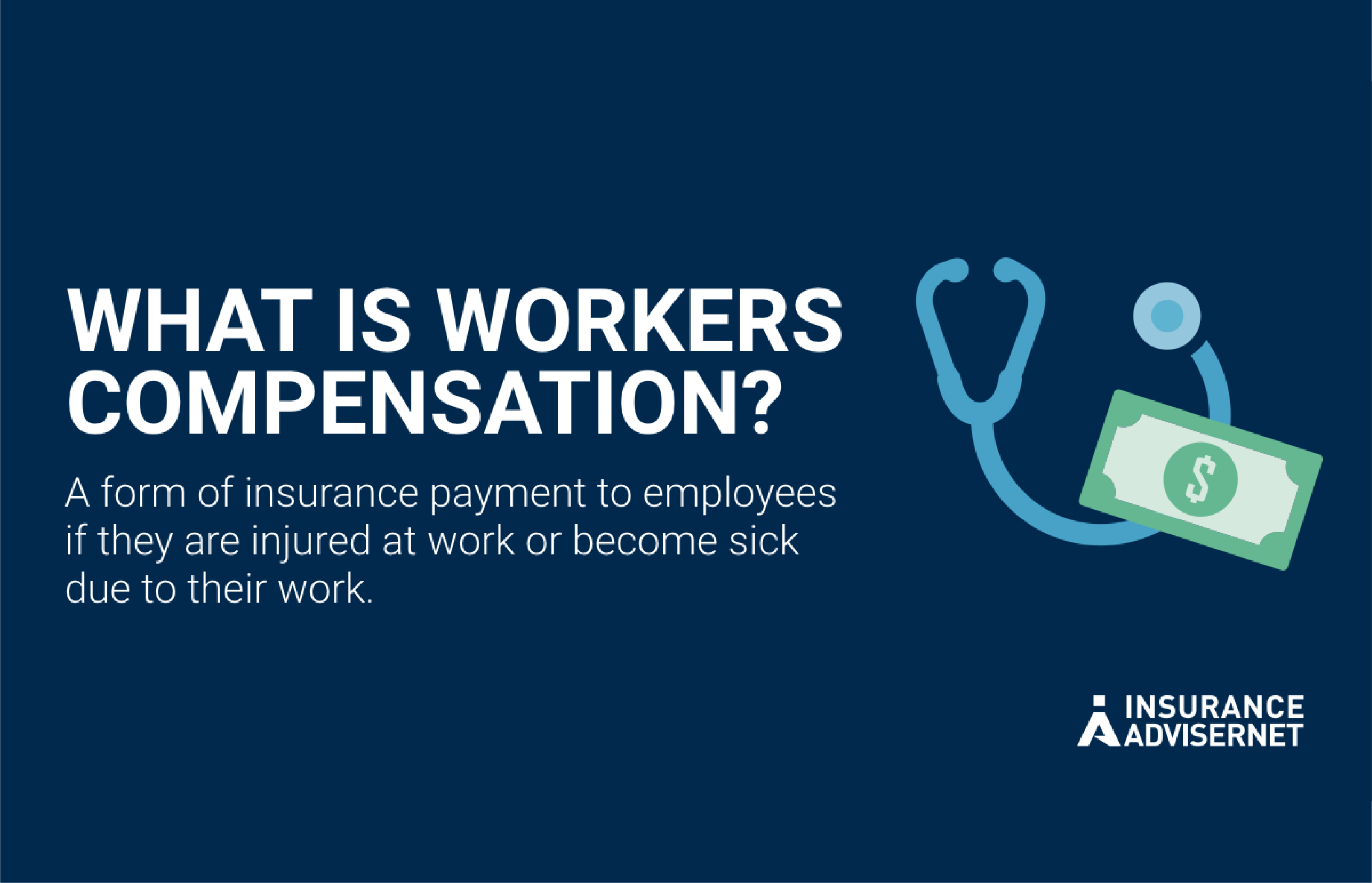
To understand workers' compensation requirements, one must first examine how labor laws distinguish between traditional W-2 employees and 1099 independent contractors. Workers' compensation is a state-mandated insurance system designed to provide wage replacement and medical benefits to employees injured on the job. In exchange for these guaranteed benefits, employees forfeit the right to sue their employers for negligence.
State workers' compensation boards and departments of labor enforce strict definitions regarding who qualifies as an employee. Traditional employees operate under the direct control and supervision of a business entity, which sets their hours, provides their tools, and dictates their methods of work. For these workers, employers must secure workers' compensation insurance.
Conversely, a 1099 independent contractor is viewed as a separate business entity. Independent contractors generally control their own schedules, supply their own equipment, service multiple clients, and maintain financial autonomy regarding profit and loss. Because they are self-employed business owners, standard state labor laws do not compel them to purchase a policy to cover their own occupational injuries.
State-Specific Mandates and Exceptions for Independent Contractors
While federal law does not mandate workers' compensation for self-employed individuals, workers' compensation is strictly regulated at the state level. Consequently, the obligation for a 1099 contractor to hold coverage varies dramatically depending on the jurisdiction in which the work is performed.
Several states permit sole proprietors and independent contractors to completely opt out or exempt themselves from carrying workers' compensation coverage. In these jurisdictions, if a contractor works alone without hiring helpers, the state views the purchase of a policy as entirely voluntary.
However, state rules can change abruptly based on industry classification. High-risk sectors such as construction, roofing, logging, and commercial trucking are subject to much stricter scrutiny. In many states, even if a worker holds a 1099 tax status, state labor codes designate workers in the construction trades as statutory employees. When this occurs, the hiring party or general contractor may be legally required to provide coverage, or the independent contractor must prove they carry an active policy to legally perform the job.
Common State-Level Exemption Classifications
- Sole Proprietors: Most states exempt single-owner businesses with zero additional workers from mandatory coverage.
- Limited Liability Companies (LLCs): Members of an LLC may have the option to elect coverage or file formal exemption documents with the state.
- Corporate Officers: If a 1099 contractor incorporates as an S-Corporation or C-Corporation, state laws frequently mandate that active officers carry coverage, though exemptions may be filed if there are no other employees.
- Industry-Specific Mandates: Construction, electrical, plumbing, and transportation sectors frequently override general contractor exemptions, requiring active proof of insurance regardless of tax status.
When 1099 Contractors Must Carry Workers' Compensation
Even if a solo 1099 contractor is not legally required by the state to insure themselves, operational realities often force them to acquire a policy. These requirements stem primarily from contractual obligations and statutory employment loopholes rather than direct state mandates on solo operators.
Hiring Subcontractors and Employees
The moment an independent contractor hires additional workers, assistants, or subcontractors—even on a 1099 basis themselves—the legal landscape shifts. In the vast majority of states, any employer who hires even one employee (full-time, part-time, or seasonal) must immediately secure a workers' compensation policy. Failing to do so can result in severe state fines, stop-work orders, and personal liability for workplace injuries sustained by those workers.
Contractual Requirements and Hiring Entities
Hiring companies, general contractors, and project owners routinely require independent contractors to provide a Certificate of Insurance (COI) proving active workers' compensation coverage before stepping onto a job site. This requirement protects the hiring company from "vicarious liability" or downstream workers' compensation claims. If an uninsured 1099 contractor is injured on a client's property, state laws in many jurisdictions allow that contractor to file a claim against the hiring company's primary workers' compensation policy. To mitigate this financial risk, corporate risk management departments mandate that all third-party vendors and contractors show proof of active coverage.
Risks and Financial Consequences of Operating Without Coverage
Choosing to operate without workers' compensation insurance carries distinct financial and legal hazards. Understanding these risks helps contractors evaluate whether voluntary coverage is a prudent business investment.
| Risk Category | Potential Consequence for Uninsured 1099 Contractors |
|---|---|
| Personal Medical Liability | Sole financial responsibility for all medical bills and rehabilitation costs from injury. |
| Income Disruption | Zero wage replacement benefits during recovery periods, threatening business survival. |
| Contractual Disqualification | Immediate rejection from commercial bids and corporate projects requiring a COI. |
| Statutory Employer Claims | Risk of lawsuits or administrative penalties if misclassified by state labor audits. |
Without a policy, an injured independent contractor must absorb 100% of their medical expenses, emergency room visits, surgeries, and physical therapy out of pocket. Furthermore, unlike traditional employees who receive temporary total disability benefits, uninsured contractors receive no income replacement while recovering, which can lead to catastrophic financial distress.
Occupational Accident Insurance as an Alternative
For independent contractors who are not legally mandated to carry traditional workers' compensation—or who find traditional premiums prohibitively expensive—Occupational Accident (Occ-Acc) insurance serves as a common alternative.
Occ-Acc insurance is designed specifically for self-employed workers, gig economy participants, and commercial truck drivers. While it does not replace statutory workers' compensation where true employment exists, it provides medical expense benefits, accidental death and dismemberment coverage, and temporary disability payments if the insured is hurt while performing contractual duties. Contractors should carefully review client contracts, as some hiring entities accept Occ-Acc policies while others strictly demand a standard workers' compensation certificate.
Frequently Asked Questions
Can a 1099 contractor buy workers' compensation insurance for themselves?
Yes. Many insurance carriers offer voluntary workers' compensation policies for sole proprietors and independent contractors. Even if not legally required by the state, purchasing a policy ensures medical coverage and partial wage replacement if an occupational injury occurs, and it satisfies client proof-of-insurance demands.
What happens if a client requires workers' compensation, but I am a solo 1099 contractor?
If a hiring client mandates workers' compensation as a condition of the contract, you must either purchase a policy, secure an occupational accident policy (if accepted by the client), or negotiate a waiver. If state law allows sole proprietors to exempt themselves, you can often provide a state-issued certificate of exemption to the client, though the client still retains the right to refuse the contract based on their internal risk management policies.
Does misclassification as a 1099 worker change insurance obligations?
Yes. If a state labor board audits a hiring company and determines that 1099 contractors were actually misclassified W-2 employees, the hiring company faces severe retroactive penalties, unpaid premium assessments, and fines. In these scenarios, the legal obligation for coverage shifts entirely to the hiring entity, and the worker may retroactively gain employee benefit protections.
How do general contractors verify subcontractor insurance?
General contractors typically require subcontractors to submit a Certificate of Insurance directly from their insurance broker or agent. This certificate lists the policy limits, effective dates, and names the general contractor as an additional insured or certificate holder, providing verifiable proof that active coverage is maintained.
Next Steps for Independent Contractors
Independent contractors seeking to clarify their precise obligations should consult their state’s department of labor or workers' compensation board website, as regulations update frequently. Contractors engaging with large corporate clients should request a clear vendor compliance checklist to determine whether standard workers' compensation or alternative occupational accident coverage is necessary to secure contracts and protect their financial well-being.