Executing a successful Internal Revenue Code Section 1031 exchange requires careful adherence to strict timelines, IRS guidelines, and a comprehensive paper trail. Without the correct legal agreements, escrow instructions, and identification notices signed at the precise moments required by law, the tax-deferral benefits can be immediately disqualified, triggering substantial capital gains liabilities.
Understanding the Foundation of 1031 Exchange Paperwork
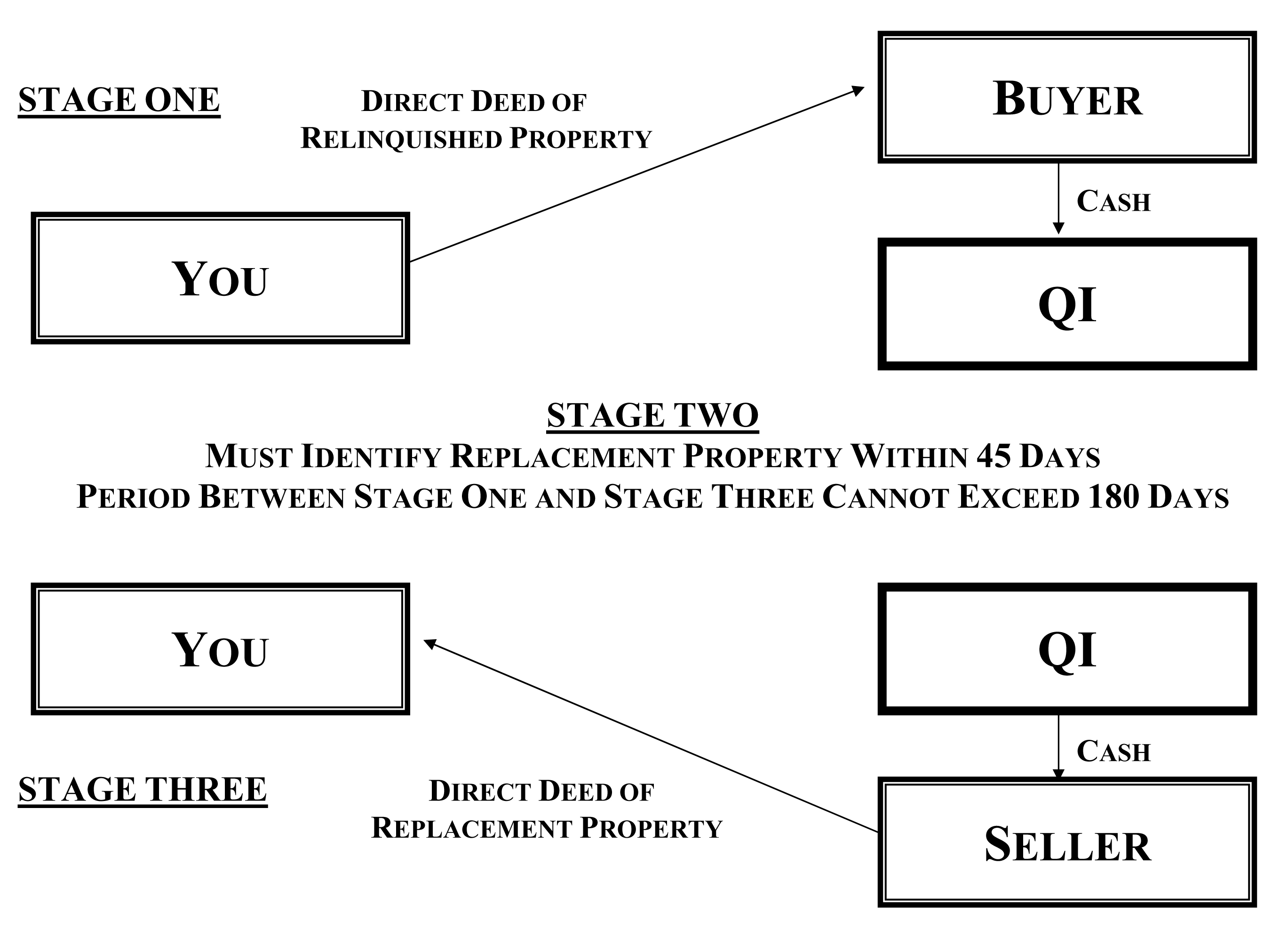
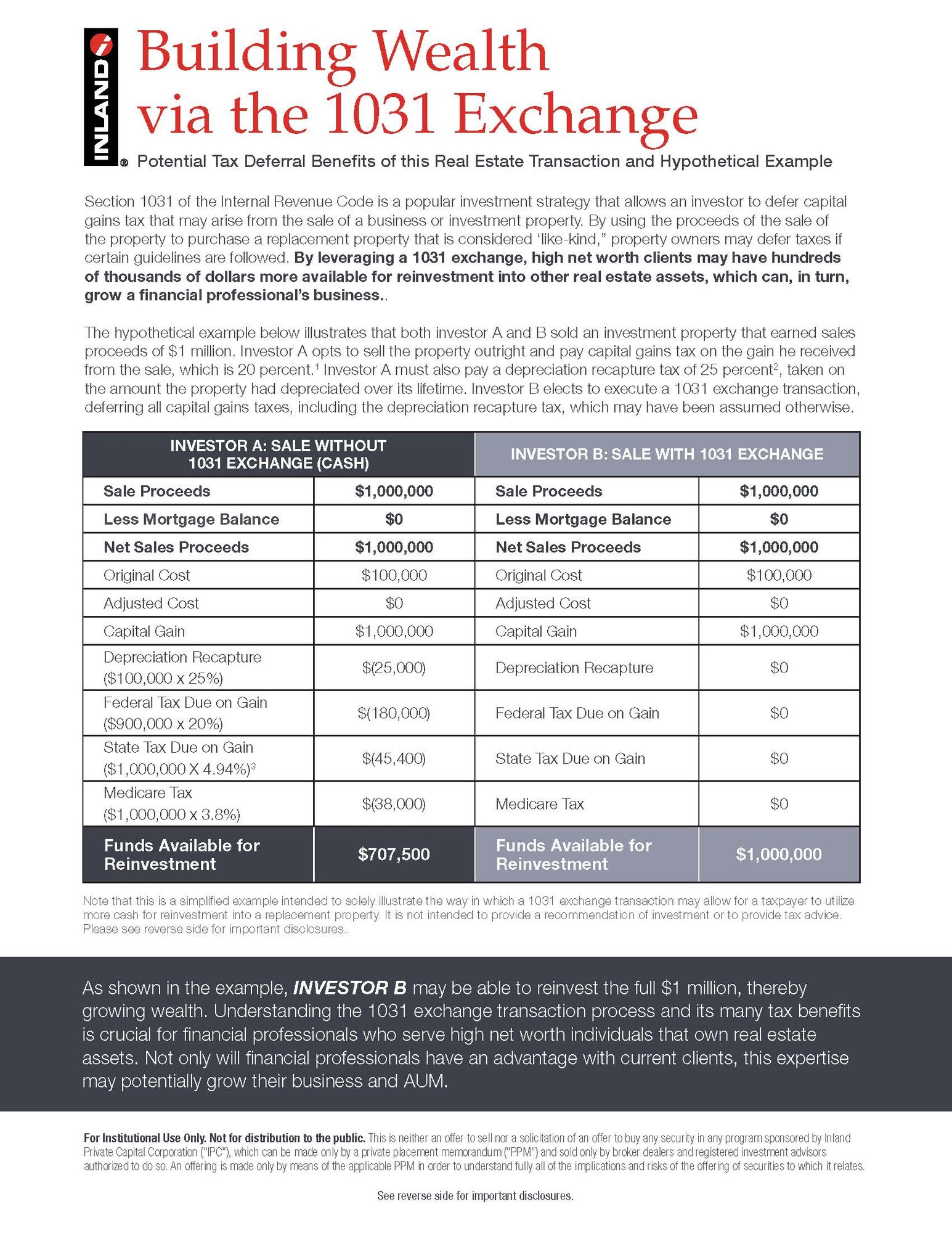
A Section 1031 exchange allows real estate investors to defer capital gains and depreciation recapture taxes by reinvesting the proceeds from the sale of a relinquished property into the acquisition of a like-kind replacement property. Because the taxpayer cannot legally touch or control the sale proceeds during the transition without invalidating the tax treatment, the entire process relies heavily on a specialized ecosystem of legal and financial documents.
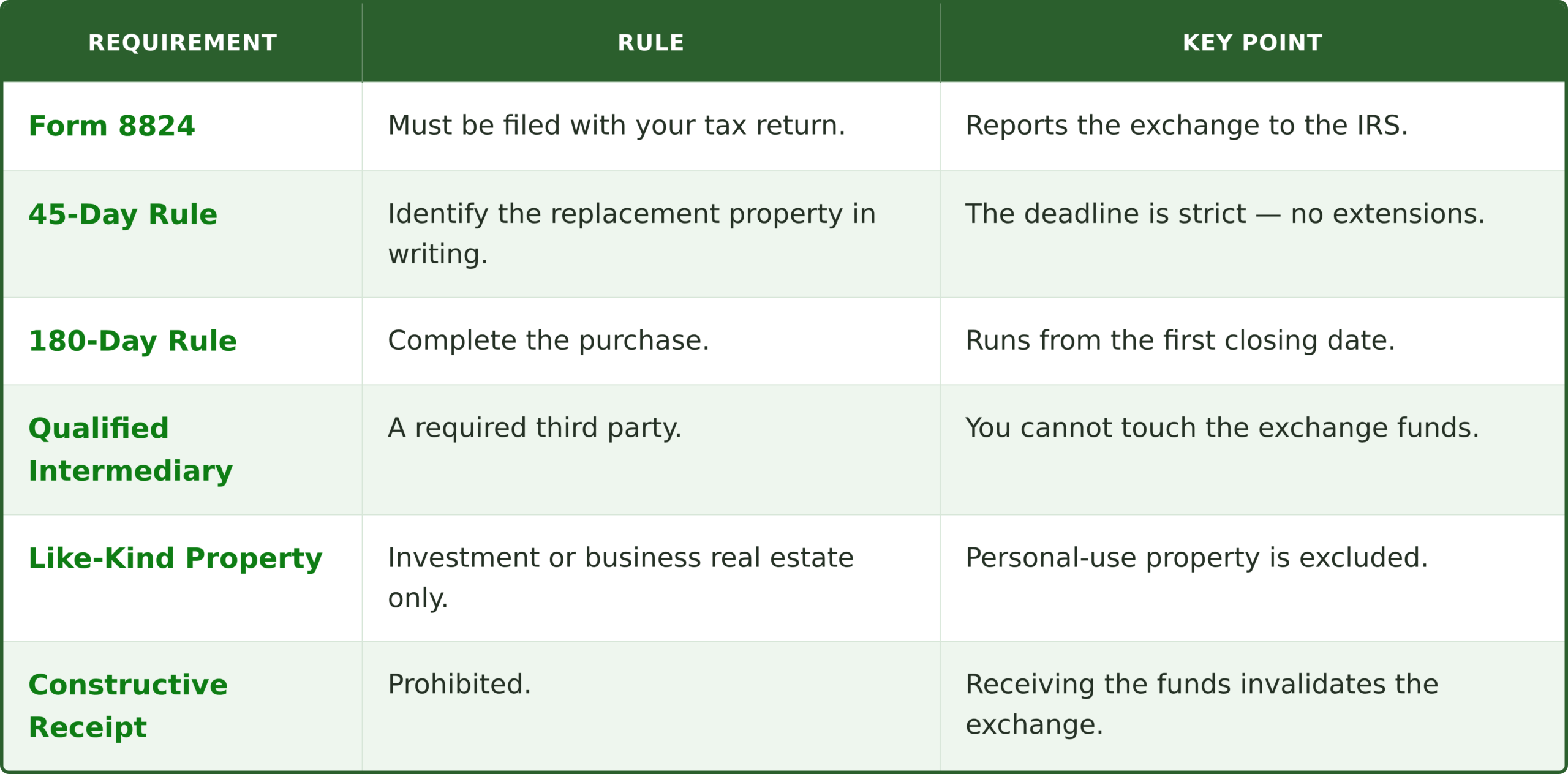
These documents establish the structural framework of the transaction, primarily through the mandatory use of a Qualified Intermediary (QI). The QI acts as an independent third party who holds the exchange funds, prepares the necessary transfer agreements, and ensures compliance with United States Department of the Treasury regulations. Attempting to execute an exchange without formal documentation or trying to act as one's own intermediary violates IRS code, transforming a tax-free exchange into a taxable sale.
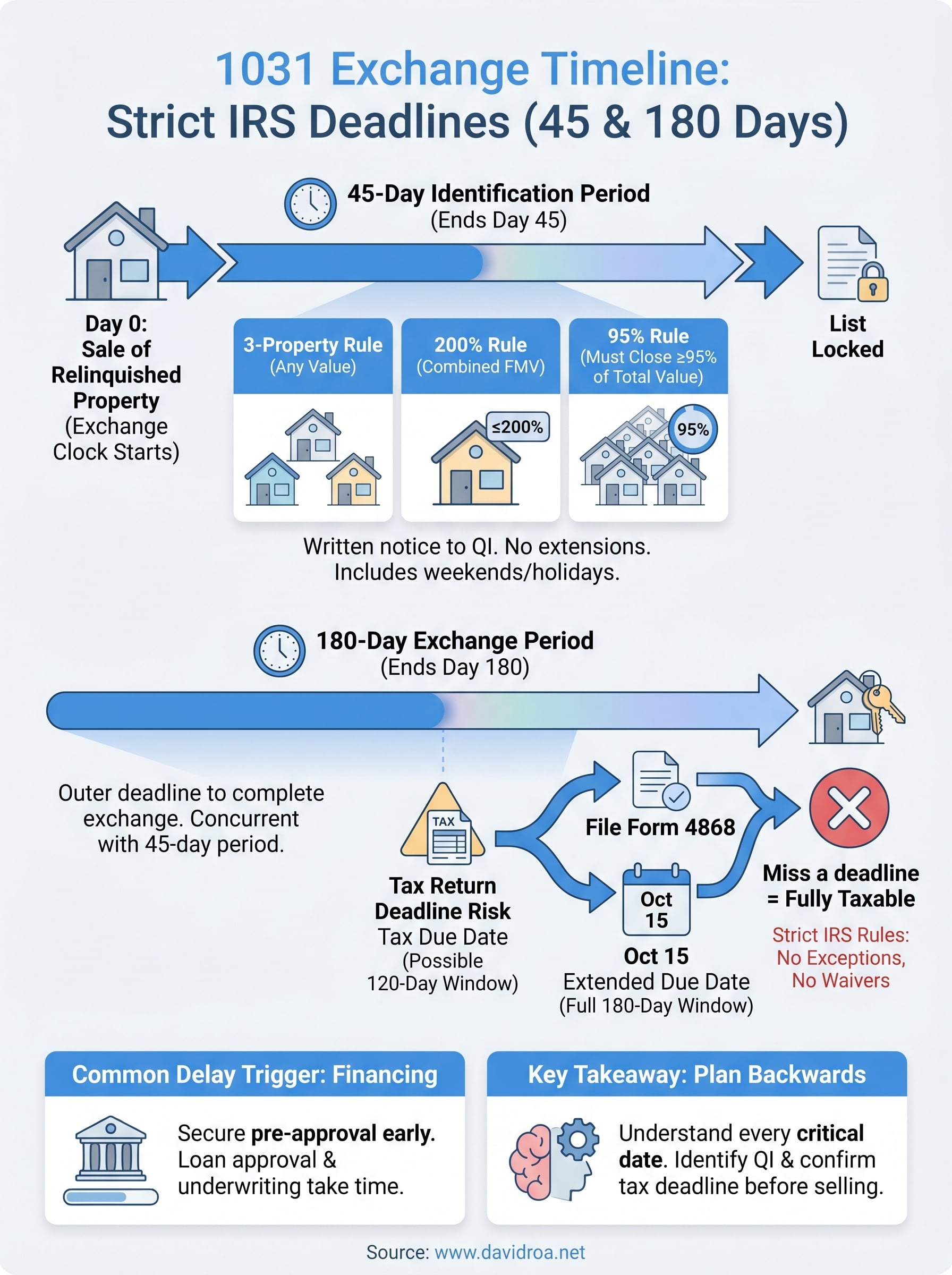
Furthermore, timing is paramount. The paperwork lifecycle is bound by two strict statutory deadlines enforced by the IRS under Internal Revenue Service regulations: the 45-day identification period and the 180-day exchange period. Every form, notice, and assignment must be executed within these windows. Understanding what each document does, when it must be signed, and who retains custody of it is the single most important operational task for any real estate investor undertaking this strategy.
Phase 1: Pre-Closing and Exchange Setup Documents
Before a relinquished property is ever listed or sold, the foundational legal agreements must be drafted and executed. These initial documents establish the legal relationship between the taxpayer and the service providers facilitating the transaction.
The Exchange Agreement
The Exchange Agreement is the master contract between the taxpayer and the Qualified Intermediary. It governs the entire relationship, outlining how funds will be deposited, how interest earned on the proceeds will be handled, and what powers the QI holds. This agreement must be signed before the taxpayer closes on the sale of the relinquished property. If the property closes before the Exchange Agreement is executed, the taxpayer is legally considered to have received the cash proceeds, ruining the exchange.
Assignment of Purchase and Sale Agreement
To maintain the structure of a valid exchange, the taxpayer must assign their rights—not their obligations—in the purchase and sale agreement to the Qualified Intermediary.
- Relinquished Property Assignment: The taxpayer assigns their position as the seller to the QI.
- Replacement Property Assignment: The taxpayer assigns their position as the buyer to the QI.
Through these assignments, the QI legally steps into the shoes of the seller and buyer for the interim steps of the transactions, ensuring that the taxpayer never takes actual or constructive receipt of the cash funds.
Phase 2: Closing the Relinquished Property
When the relinquished property sells, the closing paperwork requires specific amendments to standard real estate closing disclosures and settlement statements to reflect the involvement of the Qualified Intermediary.
Closing Instructions to the Escrow Agent
The escrow agent or title company must receive explicit, written closing instructions directing them to wire the net proceeds from the sale directly to the Qualified Intermediary's segregated escrow account rather than to the taxpayer. Standard closing statements (such as the HUD-1 or Closing Disclosure) must explicitly list the QI as the recipient of the funds and reference the 1031 exchange nature of the transaction.
QI Proceeds Acknowledgment
Once the funds land in the QI's account, the QI issues a receipt confirmation. The taxpayer should retain this document for their accounting records and tax preparation file. It serves as proof that the funds were successfully sheltered and did not touch the taxpayer's personal or business operating accounts.
Phase 3: The Critical 45-Day Identification Period Documents
Within 45 calendar days of closing the relinquished property, the taxpayer must formally identify potential replacement properties. This phase carries the highest risk of disqualification due to rigid formatting and delivery requirements.
- Relinquished Property Closes (Day 0)
- Day 45: Replacement Property Identification Notice (Must be signed and delivered)
- Day 180: Acquisition of Replacement Property (Must close escrow)
Property Identification Notice
The Identification Notice is a written document signed by the taxpayer that explicitly lists the address, legal description, or unambiguous description of the intended replacement properties. Under IRS rules, taxpayers generally use one of three identification rules:
- The 3-Property Rule: Up to three properties of any fair market value.
- The 200% Rule: Any number of properties as long as their combined aggregate fair market value does not exceed 200% of the relinquished property's value.
- The 95% Rule: Any number of properties regardless of value, provided the taxpayer acquires at least 95% of the total value identified.
Delivery Requirements and Deadlines
The identification notice must be delivered before midnight on the 45th day to a party involved in the exchange—typically the Qualified Intermediary or the closing agent. Delivery to a real estate agent, broker, or accountant does not satisfy the legal requirement unless they are acting as the designated QI. The notice must be signed by all legal owners of the relinquished property.
Phase 4: Acquisition and Closing of Replacement Property Documents
Once the replacement properties are successfully identified within the 45-day window, the final phase involves acquiring the property within the overarching 180-day deadline.
Purchase Contract and Amendments
The purchase contract for the replacement property should include a 1031 cooperation clause stating that the buyer (the taxpayer) is executing a tax-deferred exchange and that the seller agrees to cooperate, including signing the assignment agreement.
Final Closing Statements and Disbursement Directives
At the closing of the replacement property, the taxpayer signs a Disbursement Directive instructing the Qualified Intermediary to release the held funds directly to the closing escrow agent. The closing statement for the replacement property must reflect that the funds originated from the QI account, maintaining the unbroken chain of custody required by tax authorities.
Comparative Overview of Core 1031 Exchange Documents
| Document Name | Primary Purpose | Execution Timing | Responsible Party |
|---|---|---|---|
| Exchange Agreement | Establishes the legal framework between taxpayer and QI. | Prior to relinquished property closing | Taxpayer & Qualified Intermediary |
| Assignment Agreements | Transfers contract rights to the QI without changing obligations. | Prior to respective property closings | Taxpayer, Buyer/Seller, & QI |
| Identification Notice | Formally declares intended replacement properties. | On or before Day 45 post-sale | Taxpayer |
| Disbursement Directive | Instructs QI to release funds to buy replacement property. | Prior to replacement property closing | Taxpayer |
| Accounting Statement | Final reconciliation of exchange funds, fees, and interest. | Post-replacement property closing | Qualified Intermediary |
Common Documentation Mistakes and Troubleshooting
Even minor clerical oversights can invalidate a tax-deferred exchange. Reviewing common administrative errors helps prevent costly tax penalties.
- Missing Signatures: If multiple individuals or entities (such as an LLC or partnership) own the relinquished property, every single owner must sign the identification notice and exchange documents. A single missing signature can invalidate the identification for that party's share.
- Late Identification Delivery: Relying on postmarks or unconfirmed email transmissions for the 45-day identification notice frequently causes failures. Always obtain a written confirmation of receipt from the Qualified Intermediary before the deadline expires.
- Constructive Receipt Violations: Having funds wired into a personal business account—even for a few hours—before transferring them to the QI constitutes constructive receipt, instantly breaking the exchange. All proceeds must route directly from closing escrow to the QI.
- Vague Property Descriptions: Listing only a city name or a generic street name without a parcel number, unit number, or formal legal description on the identification notice can render the identification invalid if the description does not uniquely identify the real estate.
Professional Guidance and Record Retention
Because real estate and tax laws are complex and subject to change, investors should always consult a qualified tax attorney, Certified Public Accountant (CPA), or a reputable Qualified Intermediary before initiating a transaction. Exchange documents must be retained in corporate and personal tax records for a minimum of audit statute limitations (typically three to seven years after filing the tax return reporting the exchange, or longer depending on depreciation schedules and state regulations). Proper archival of these records ensures full preparedness in the event of an IRS compliance review.