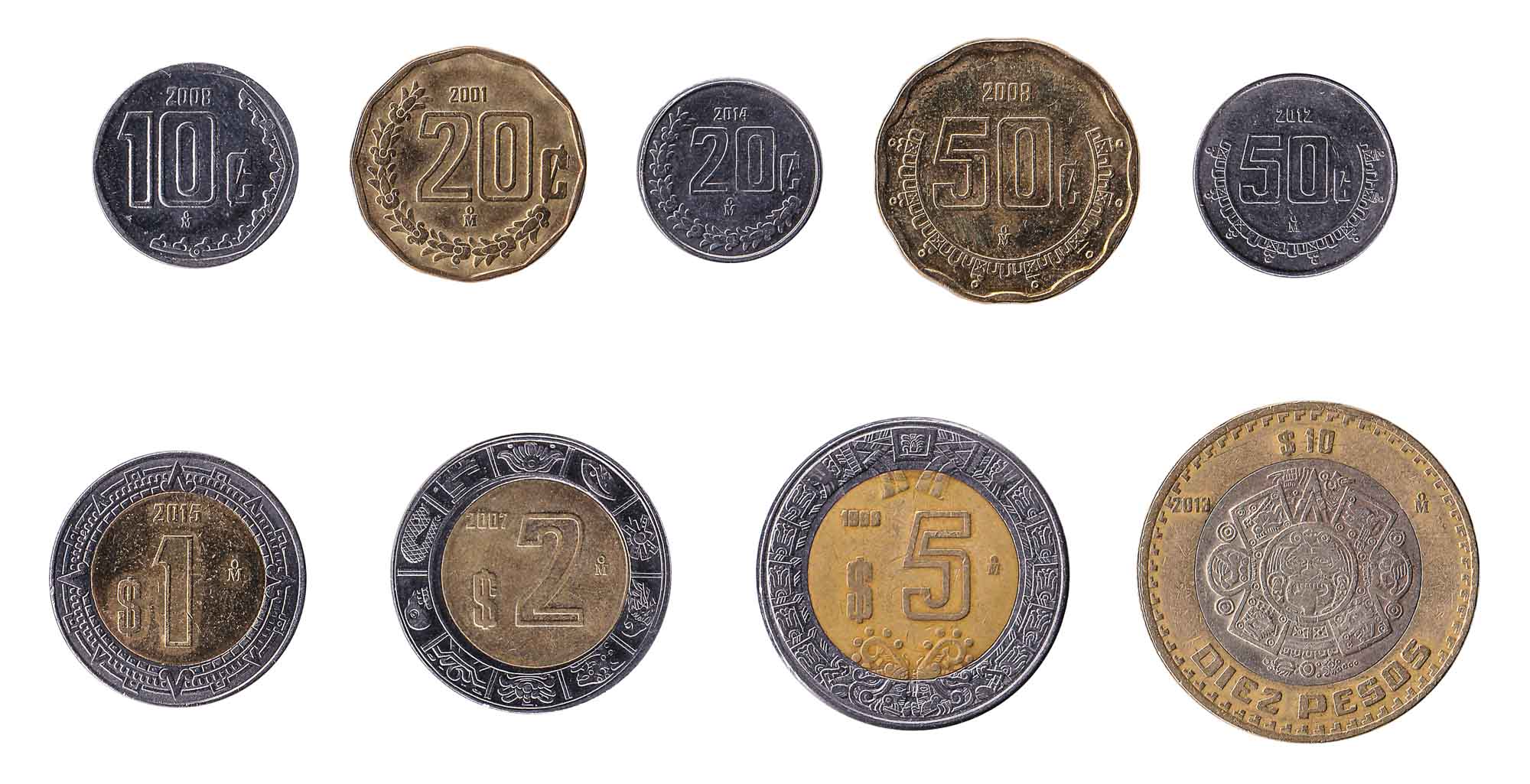
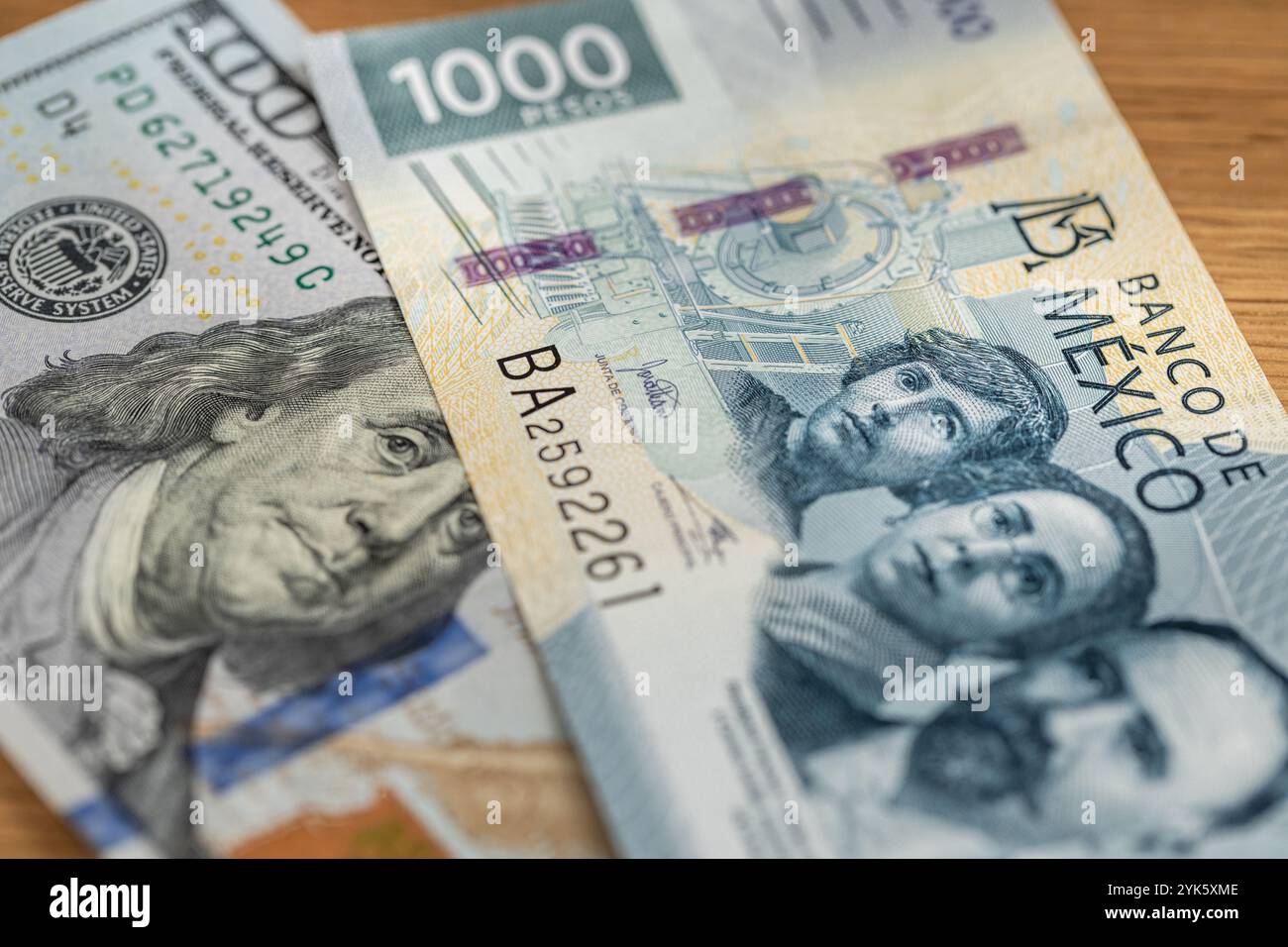
Converting 100 United States Dollars (USD) into pesos requires an understanding of dynamic foreign exchange markets, as multiple nations use a currency officially named the "peso," including Mexico, the Philippines, Colombia, Chile, the Dominican Republic, Argentina, Uruguay, and Cuba. Because each of these countries maintains its own independent central bank, monetary policy, and floating or managed exchange rate, the local equivalent of 100 USD varies dramatically depending on the specific national currency in question.
The Complexity of the Peso: Disambiguating Multiple Currencies
When individuals search for "100 usd in pesos," the intent most frequently points toward the Mexican Peso (MXN) due to trade volume, geographic proximity to the United States, and tourism. However, global remittance flows, international trade, and travel also drive significant search volume for the Philippine Peso (PHP), Colombian Peso (COP), and Chilean Peso (CLP).
To avoid financial miscalculations, users must verify which country's peso applies to their transaction. Attempting to convert USD using an exchange rate meant for a different jurisdiction can result in massive valuation errors. For instance, while 100 USD yields a double-digit or low triple-digit figure in Mexican pesos depending on market fluctuations, it yields tens of thousands of units in Colombian or Chilean pesos due to historical inflation rates and differing economic structures.
Major Peso Currencies and Their Valuation Against the USD
To provide a clear baseline, it is essential to examine how 100 USD translates across the most heavily traded peso-denominated economies. Foreign exchange rates fluctuate constantly throughout the trading week based on macroeconomic data, geopolitical events, and central bank interest rate decisions.
Mexican Peso (MXN)
The Mexican peso is one of the most heavily traded emerging market currencies globally. Its value against the United States dollar is driven by cross-border trade under agreements like the USMCA, foreign direct investment, manufacturing output, and remittances sent from workers abroad. Historically, 100 USD translates to a fluctuating range of Mexican pesos that market analysts monitor closely via institutions like Banco de México.
Philippine Peso (PHP)
The Philippine peso serves the remittance-heavy economy of the Philippines. A substantial portion of the demand for USD-to-PHP conversions stems from overseas Filipino workers (OFWs) sending money home to support families. The Bangko Sentral ng Pilipinas regulates monetary policy to manage inflation pressures that directly impact this rate.
Colombian Peso (COP) and Chilean Peso (CLP)
South American currencies like the Colombian and Chilean pesos often experience higher nominal figures per single United States dollar. Commodity exports—such as oil and coffee in Colombia, and copper in Chile—play a major role in dictating the strength of these currencies against the greenback.
Comparative Overview of Peso Valuations
The table below outlines the primary national currencies bearing the name "peso," their official ISO 4217 currency codes, and the typical structural factors influencing their relationship with 100 USD.
| Country / Currency Name | ISO Code | Primary Economic Drivers | Typical Valuation Scale for 100 USD |
|---|---|---|---|
| Mexico (Mexican Peso) | MXN | Manufacturing, USMCA trade, remittances, tourism | Moderate triple-digit range |
| Philippines (Philippine Peso) | PHP | Remittances, business process outsourcing, domestic consumption | Low-to-mid four-digit range |
| Colombia (Colombian Peso) | COP | Crude oil exports, agricultural products, foreign investment | Five-digit range |
| Chile (Chilean Peso) | CLP | Copper mining, global commodity cycles, fiscal policy | Five-digit range |
| Dominican Republic (Dominican Peso) | DOP | Tourism, foreign direct investment, service sector | Four-digit range |
| Argentina (Argentine Peso) | ARS | Domestic monetary policy, capital controls, inflation adjustments | Subject to official vs. parallel spreads |
Factors That Influence the Exchange Rate of 100 USD in Pesos
Exchange rates are never static; they shift continuously during global market hours. Understanding the mechanics behind these movements helps individuals time their currency exchanges more effectively.
Interest Rate Differentials
Central banks set benchmark interest rates to control domestic inflation. When the U.S. Federal Reserve maintains higher interest rates relative to a developing nation's central bank, capital often flows out of emerging markets and back into U.S. dollar-denominated assets. This dynamic strengthens the USD and weakens the corresponding peso, meaning 100 USD will purchase more local currency. Conversely, if a local central bank raises rates aggressively to combat inflation, its peso may strengthen against the dollar.
Inflation and Purchasing Power Parity
Inflation erodes the purchasing power of a currency. Countries experiencing higher domestic inflation relative to the United States generally see their currencies depreciate over the long term. This structural inflation differential explains why currencies like the Colombian and Chilean pesos require thousands of units to match the value of 100 USD.
Geopolitical Stability and Commodity Prices
Many peso-reliant economies are major exporters of raw materials, agricultural goods, or energy products. Global commodity supercycles—such as spikes in copper, oil, or lithium prices—inject foreign currency into these nations, strengthening their local currencies. Political stability, upcoming national elections, and regulatory changes regarding foreign investment also trigger immediate volatility in exchange rates.
Practical Methods for Converting and Transferring 100 USD
When an individual actually needs to convert 100 USD into physical cash or digital peso balances, the chosen mechanism dictates the final amount received after fees and spreads.
Traditional Banks and Airport Kiosks
Traditional high-street banks and airport exchange booths are universally accessible, but they rarely offer competitive rates. Airport kiosks, in particular, exploit traveler urgency by charging exorbitant markups and hidden commission fees. Converting 100 USD at an airport counter can result in losing a significant percentage of the funds' true market value.
Digital Money Transfer Services
For sending money internationally or funding foreign accounts, modern fintech platforms, wire services, and digital wallets typically provide tighter spreads closer to the mid-market rate. While sending a smaller amount like 100 USD can sometimes incur flat transfer fees that eat into the principal sum, many digital providers offer transparent fee structures that display the exact amount of pesos the recipient will get.
Local ATM Withdrawals Abroad
Using a debit card linked to a U.S. bank account at an overseas ATM is often a convenient way to obtain local pesos. However, users must watch out for out-of-network ATM fees, foreign transaction fees charged by their home bank, and unfavorable dynamic currency conversion (DCC) prompts offered by local ATM operators, which intentionally apply poor exchange rates.
Common Mistakes to Avoid When Converting Currency
Navigating foreign exchange requires vigilance to avoid unnecessary financial losses.
- Ignoring the Mid-Market Rate: Many commercial exchange services claim "zero commission," but bake their profit into an inflated exchange rate. Always check the live mid-market rate via trusted financial trackers before executing a transaction.
- Falling for Dynamic Currency Conversion: When paying with a U.S. card abroad, merchants or ATMs often ask whether to be billed in USD or the local peso. Always choose the local currency (pesos) to let your bank handle the conversion at a superior wholesale rate rather than the merchant's punitive DCC rate.
- Overlooking Fixed Transfer Fees: When converting a modest sum like 100 USD, a flat $5 transfer fee represents a massive 5% drag on your total capital. Always calculate percentage-based versus flat-rate fees before committing.
Frequently Asked Questions
How much is 100 USD in Mexican pesos right now?
Because exchange rates float continuously throughout the business week, the exact conversion for 100 USD to Mexican pesos changes by the second. To find the exact live figure, check a reliable financial portal or central bank website immediately prior to your transaction, as historical static figures quickly become obsolete.
Is it better to exchange USD for pesos before traveling?
Generally, exchanging a small amount of cash domestically before departure provides immediate convenience for initial expenses like taxis or tips. However, exchanging large sums at domestic retail banks often yields poor rates compared to withdrawing local currency from a reputable ATM upon arrival or using digital payment methods.
Why do some peso currencies give thousands of units for 100 USD while others give fewer?
Nominal exchange rate scales depend entirely on a country's economic history, historical cumulative inflation rates, and the denomination structure of its monetary system. A high nominal quantity of pesos per 100 USD does not inherently indicate a weak or strong economy; it reflects the domestic purchasing power and historical unit baseline of that specific currency.
What is the mid-market exchange rate?
The mid-market rate is the midpoint between the buy and sell prices of two currencies in global liquidity markets. It is the true wholesale rate that banks use when trading with each other, serving as the benchmark against which retail consumer exchange rates and markups are measured.
Are there limits on how much currency I can convert?
While converting or carrying 100 USD is universally unrestricted, many countries enforce strict legal reporting thresholds—often around $10,000 USD or equivalent—for physical cash border crossings or large wire transfers to prevent money laundering and tax evasion.
Next Actions and Recommendations
Before converting your 100 USD into pesos, identify the precise national currency required for your destination or recipient country. Compare live mid-market rates against the retail quotes offered by your bank, digital transfer providers, or local exchange bureaus. Always prioritize transparency over perceived convenience to ensure you retain maximum value from your funds.