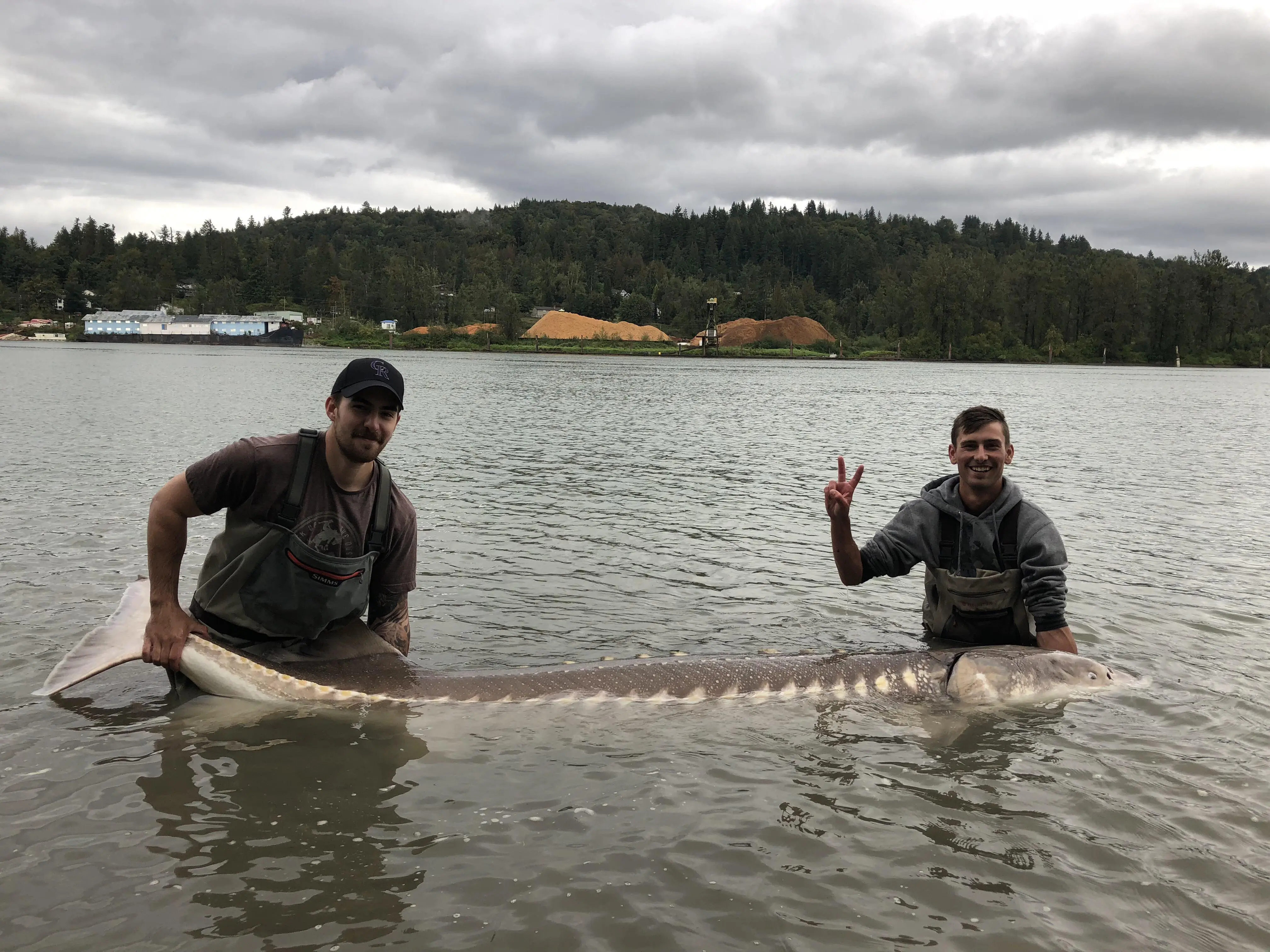
The quest to document 10-foot sturgeon records serves as a critical intersection between recreational angling prestige and the urgent scientific necessity of species conservation. While massive sturgeon are biological marvels capable of living for a century, they face existential threats from habitat fragmentation, pollution, and historical overfishing, necessitating strict catch-and-release protocols and rigorous biological tracking.
The Biological Reality of Giant Sturgeon
Sturgeon are ancient, cartilaginous fish that have existed for millions of years, often described as "living fossils." When discussing specimens that reach or exceed the 10-foot mark, the conversation almost exclusively revolves around the two largest species in North America: the White Sturgeon (Acipenser transmontanus) and the Lake Sturgeon (Acipenser fulvescens), though the latter rarely reaches such lengths.
A 10-foot sturgeon is not merely a "large fish"; it is an individual that has likely survived for 50 to 100 years. These fish are slow-maturing, meaning they do not reach reproductive age for decades. This life-history strategy makes them incredibly vulnerable. When an angler hooks a 10-foot specimen, they are engaging with an ecosystem component that may have been present before major hydroelectric dams altered the river systems they inhabit.
Understanding Historical Records vs. Contemporary Data
Historical records of 10-foot sturgeon often lack the verification standards required by modern fisheries biology. In the early 20th century, before the implementation of strict catch-and-release laws, many of the largest fish were harvested. Accounts of sturgeon reaching 12 or even 15 feet exist in regional folklore and old newspaper archives, yet these are rarely supported by contemporary scientific documentation.
Today, state and provincial wildlife agencies, such as the Oregon Department of Fish and Wildlife (ODFW) or British Columbia’s Ministry of Water, Land and Resource Stewardship, utilize standardized PIT (Passive Integrated Transponder) tagging systems. When a massive sturgeon is caught today, it is scanned for a microchip. If no chip is present, researchers will insert one, allowing them to track the fish’s growth, movement, and health in subsequent encounters. This modern verification process has shifted the focus from "harvesting for weight" to "measuring for recovery."
The Crucial Role of Conservation
The decline of sturgeon populations is primarily linked to the interruption of migration routes. Sturgeon are anadromous (or potamodromous in some freshwater populations), meaning they need to travel significant distances to reach specific spawning grounds. Dams block these paths, and water management for irrigation and hydroelectric power often creates conditions unsuitable for egg incubation.
Conservation initiatives currently focus on several pillars:
- Habitat Restoration: Removing or modifying barriers to allow passage and recreating clean, rocky spawning substrates.
- Harvest Restrictions: In almost all jurisdictions, keeping a sturgeon of significant size—especially those approaching or exceeding the 10-foot mark—is illegal. These fish are considered "oversize" and must be released immediately with minimal handling.
- Genetic Monitoring: By taking small tissue samples, biologists can track the genetic diversity of the population to ensure that current breeding stocks remain resilient against disease and environmental shifts.
Comparing North American Sturgeon Giants
Understanding the distinctions between the species that reach these monumental sizes is essential for anglers and conservationists alike.
| Species | Primary Habitat | Max Verified Size Potential | Conservation Status |
|---|---|---|---|
| White Sturgeon | Pacific Coast/Fraser River | 10–12+ Feet | Protected / Catch & Release |
| Lake Sturgeon | Great Lakes/Mississippi Basin | 7–8 Feet | Threatened/Endangered |
| Green Sturgeon | Pacific Coast Marine/Estuary | 6–7 Feet | Threatened |
| Atlantic Sturgeon | Atlantic Coast/Major Rivers | 8–10 Feet | Endangered |
The White Sturgeon remains the only species in North America that reliably reaches the 10-foot threshold in modern times, particularly within the Fraser River system in British Columbia.
Best Practices for Handling "Oversize" Sturgeon
If an angler successfully hooks a fish of this magnitude, the priority must be the survival of the animal. An "oversize" sturgeon, which typically refers to any fish over six feet in length, is fragile due to its massive bulk and the stress of the fight.
- Keep Them Wet: Never remove a large sturgeon from the water. Their internal organs are supported by water pressure; lifting them into a boat or onto a bank can cause fatal damage to their skeletal structure.
- Minimize Fight Time: Using tackle that is too light results in an exhausted fish that may not recover after release. Utilize heavy-duty gear designed to bring the fish in efficiently.
- Use Circle Hooks: These hooks are designed to hook the corner of the mouth, avoiding deep-gut hooking, which is almost always fatal for large sturgeon.
- Assisted Release: Always revive the fish by facing it into the current, ensuring water flows through its gills until it shows consistent, strong swimming movements before release.
Addressing the Threat of Poaching
Despite the strict regulations, the value of sturgeon roe (caviar) and the prestige associated with large fish create a constant threat of poaching. Because 10-foot sturgeon are ancient and slow-growing, the illegal removal of even a single breeding female can have a catastrophic impact on the population density of a river segment for decades. Law enforcement agencies rely on public reporting to monitor these river systems, emphasizing that the protection of these giants is a collective social responsibility.
Frequently Asked Questions
Are there 10-foot sturgeon still swimming in the wild today? Yes. While rare, White Sturgeon in the Fraser River of British Columbia and certain segments of the Columbia River are periodically documented at or exceeding 10 feet in length. These are often individuals that have survived for many decades.
Why is it illegal to keep large sturgeon? Large sturgeon are the most fertile members of the population. A large female produces significantly more eggs than several smaller females combined. Protecting these fish is essential for the natural replenishment of the species.
How do scientists track these massive fish? Biologists use PIT tags, which are small microchips injected under the skin. When a fish is caught, researchers use a handheld scanner to read the unique ID number. This allows them to see the fish's history, including when it was last caught and how much it has grown.
What should I do if I think I have caught a record-sized sturgeon? Document the length and girth while the fish is in the water, take a photograph if possible without removing it from the water, and report the encounter to your local fisheries department. Do not keep the fish out of the water to "measure it properly," as the biological cost outweighs the data value.
Can I fish for 10-foot sturgeon if I don't have a boat? Yes, but accessibility varies. Many anglers target these fish from the bank. However, if you are targeting large sturgeon, you must ensure your gear is rated for the specific size class, as using inadequate equipment will likely result in the fish breaking off and dragging line, which can entangle and kill the animal.
Next Steps for Anglers and Advocates
The future of 10-foot sturgeon populations depends on the behavior of those who interact with them. If you plan to fish for these majestic creatures, prioritize hiring a licensed guide who is versed in current conservation protocols and proper handling techniques. If you are an observer or a local resident, support the conservation of riparian zones and advocate for water management policies that prioritize the natural flow regimes necessary for sturgeon spawning. The survival of the 10-foot sturgeon is not a guarantee; it is a mandate that requires constant vigilance and informed participation.