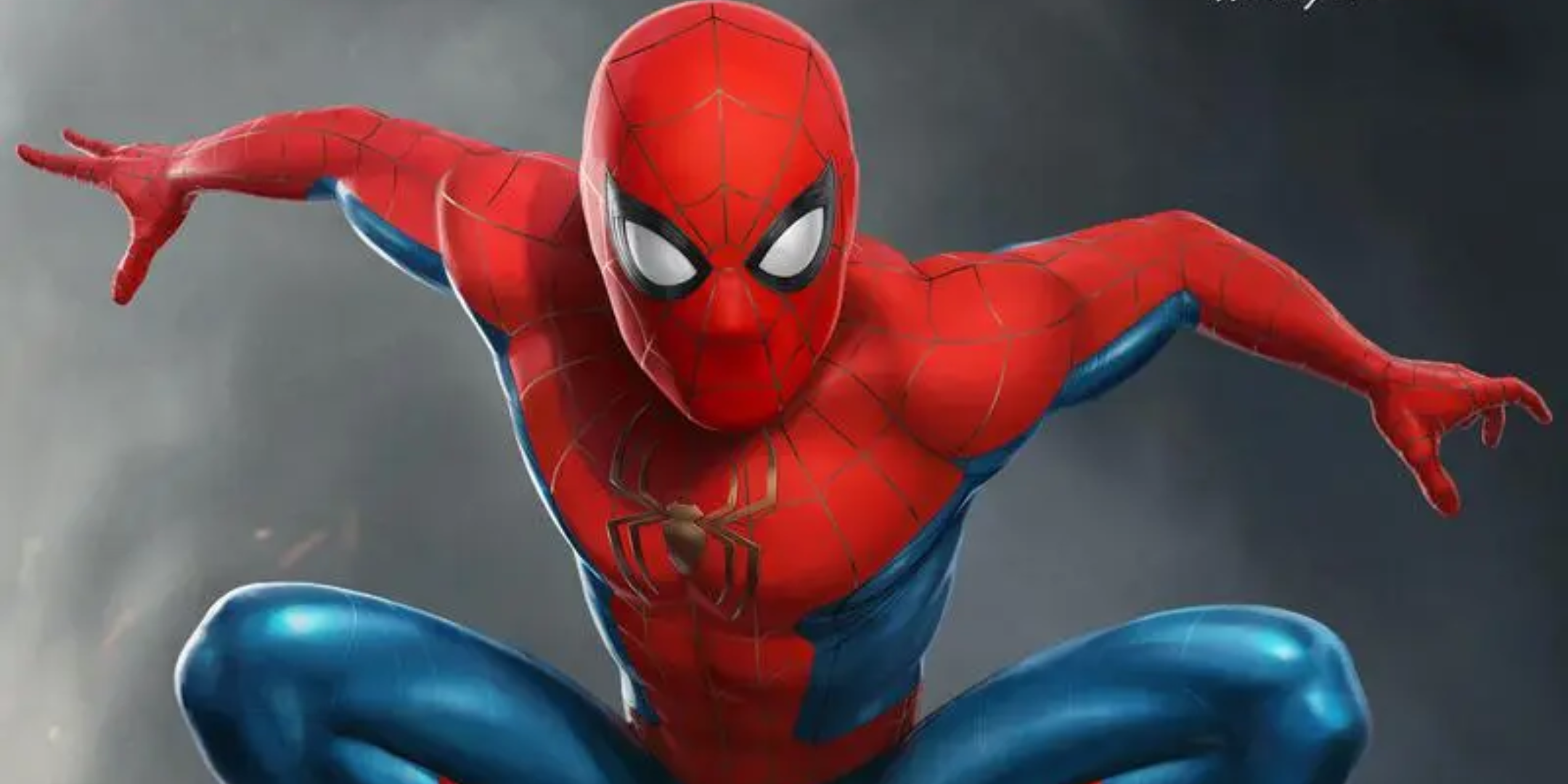
The primary reason Sam Raimi’s Spider-Man 4 never materialized was the director's inability to reconcile his creative vision with a strict production schedule. Sam Raimi, feeling the script failed to meet the high standards of his previous installments, determined he could not deliver a film he was proud of within the window demanded by Sony Pictures, leading to the collective decision to cancel the project.
The Context of the Sam Raimi Spider-Man Franchise
To understand why the highly anticipated Spider-Man 4 reached a dead end, one must look at the climate of the early 2000s and the unprecedented success of the first three films. Sam Raimi’s Spider-Man (2002) effectively reinvented the modern superhero movie, proving that comic book adaptations could command both massive box office returns and critical respect. The sequel, Spider-Man 2 (2004), is widely regarded as one of the best superhero films ever produced, setting a benchmark that fans and executives expected to be exceeded.
However, Spider-Man 3 (2007) presented a more complicated legacy. While it was a financial juggernaut, it faced significant critical backlash regarding its narrative density and the handling of multiple villains, including Venom. Raimi himself has been vocal about his dissatisfaction with Spider-Man 3, citing the pressure to include characters he didn't necessarily feel comfortable with as a primary reason for the film’s uneven reception. This experience set the stage for the cautious, perfectionist approach Raimi took toward the development of a potential fourth chapter.
The Perfectionist’s Burden: Script Development Issues
Following Spider-Man 3, both Sony and Raimi expressed a desire to return to the roots of the franchise. The goal was to produce a fourth film that would act as a redemptive "apology" for the shortcomings of the previous entry. Between 2008 and 2009, several drafts were commissioned to find the right story. Raimi worked closely with writers to develop a script that featured classic villains like the Vulture, played by John Malkovich, and arguably Felicia Hardy, who would have evolved into the Vulturess rather than the traditional Black Cat.
The fundamental issue was the story’s architecture. Raimi, a director who thrives on character-driven narratives, found himself struggling to find a script that felt authentic and emotionally resonant. He wanted the stakes to feel personal to Peter Parker, mirroring the intimacy of Spider-Man 2. Unfortunately, the creative process hit a wall. Every draft that was produced left Raimi feeling uninspired, and he remained transparent with the studio regarding his lack of confidence in the material.
The Studio’s Deadline vs. The Director’s Vision
In the film industry, the relationship between a director and a studio is governed by strict timelines. Sony Pictures had a clear, aggressive roadmap for the franchise. They wanted a specific release date to secure their fiscal future and capitalize on the momentum of the brand. By the end of 2009, the deadline for production to begin in order to meet a 2011 release date had arrived.
This created an unavoidable friction point. Raimi held a firm belief that if the script was not excellent, the film would be a failure. He was unwilling to compromise on the quality of the screenplay just to hit a corporate release window. When it became clear that he could not "fix" the script to his satisfaction within the timeline required by the studio, he made the honorable, albeit difficult, decision to step away.
In a professional move that saved both parties from a potential box office disaster, Raimi informed Sony executives that he could not deliver the movie in the time frame provided. Because Raimi was the architect of that specific cinematic universe, Sony chose not to replace him with another director to finish a script they didn't believe in. Instead, they opted to scrap the project entirely and move toward a franchise reboot.
Key Players and Their Roles in the Decision
| Stakeholder | Primary Concern | Stance on Spider-Man 4 |
|---|---|---|
| Sam Raimi | Artistic Integrity/Script Quality | Refused to film without a perfect script. |
| Sony Pictures | Financial/Strategic Timelines | Required a hard deadline to maintain market presence. |
| Tobey Maguire | Creative Direction/Consistency | Supported Raimi's vision and performance goals. |
| Development Writers | Narrative Structure | Failed to align complex plot ideas into a coherent story. |
The Domino Effect: Reboots and Future Impacts
The collapse of Spider-Man 4 did not mark the end of the character’s presence on the big screen; rather, it signaled the end of the "Raimi-verse." Within two years of the project being canceled, Sony launched The Amazing Spider-Man (2012), a total reboot of the series starring Andrew Garfield. This decision was a direct reaction to the abandoned development of the fourth Raimi film.
The fallout from the Spider-Man 4 cancellation had several long-term impacts on the film industry:
- The Rise of the "Safe" Reboot: It established the modern trend of rebooting franchises after only a few years to maintain intellectual property control.
- Director-Studio Dynamics: It served as a landmark case study for how creative differences over script quality can override massive financial potential.
- Legacy of the Raimi-verse: The cancellation solidified the reputation of the first three films as a complete, self-contained trilogy, which allowed them to gain a "cult classic" status that arguably wouldn't exist if the franchise had sputtered out with a mediocre fourth entry.
Why "The Vulture" Script Stalled
A common question among fans is why the inclusion of John Malkovich as the Vulture wasn't enough to save the project. While the casting was conceptually sound, the problem was the integration of the character into the story. Raimi struggled to make the villain feel like a natural evolution of the themes presented in the previous films. Because the script was already suffering from "the third movie syndrome"—where too many plot lines threatened to overwhelm the narrative—the addition of the Vulture added more weight than the structure could bear. Raimi’s perfectionism led him to conclude that if he couldn't do the villain justice, he shouldn't do it at all.
Frequently Asked Questions (FAQ)
1. Was Spider-Man 4 ever actually filmed? No, Spider-Man 4 never entered the principal photography phase. While early pre-production, set design, and costume concepts were completed, the project was officially canceled during the script refinement stage.
2. Was the film cancelled because of the actors' salaries? While negotiations for actor contracts are standard in any major production, they were not the primary reason for the cancellation. The fundamental roadblock was entirely based on the screenplay's inability to meet the director’s creative quality standards within the required development timeline.
3. Did Sam Raimi hate the idea of making a fourth film? On the contrary, Raimi initially wanted to make a fourth film to provide a more satisfying conclusion than what he felt was achieved in Spider-Man 3. His departure was based on his commitment to quality over the convenience of a production schedule.
4. Could Spider-Man 4 have been saved by a different writer? It is possible, but unlikely given the context. The issues with the script were deep-rooted in the direction of the franchise itself. Replacing writers would have further delayed the project, pushing it past the studio’s rigid deadlines, which would have likely resulted in the same outcome.
5. What happened to the material developed for Spider-Man 4? Much of the concept art and narrative ideas were archived. Some of the visual concepts for villains like the Vulture eventually influenced later iterations of the character in the Marvel Cinematic Universe, though the script itself remains largely shelved as a "what-if" piece of Hollywood history.
Conclusion and Practical Perspective
The story of Spider-Man 4 is a rare example of a creator choosing to protect his legacy rather than chase a commercial outcome. For fans, it remains a point of intense curiosity. However, from a production and technical standpoint, it serves as a testament to the necessity of creative alignment between a studio’s fiscal requirements and a director's vision. Had Raimi forced a sub-par script to screen, the legacy of the original Spider-Man trilogy would likely have been tarnished. His decision to step away ultimately preserved the trilogy as a cohesive, high-quality body of work that continues to influence the genre in 2026. If you are researching this for a creative project or industry analysis, remember that the "no" is often as important to a brand’s history as the "yes."