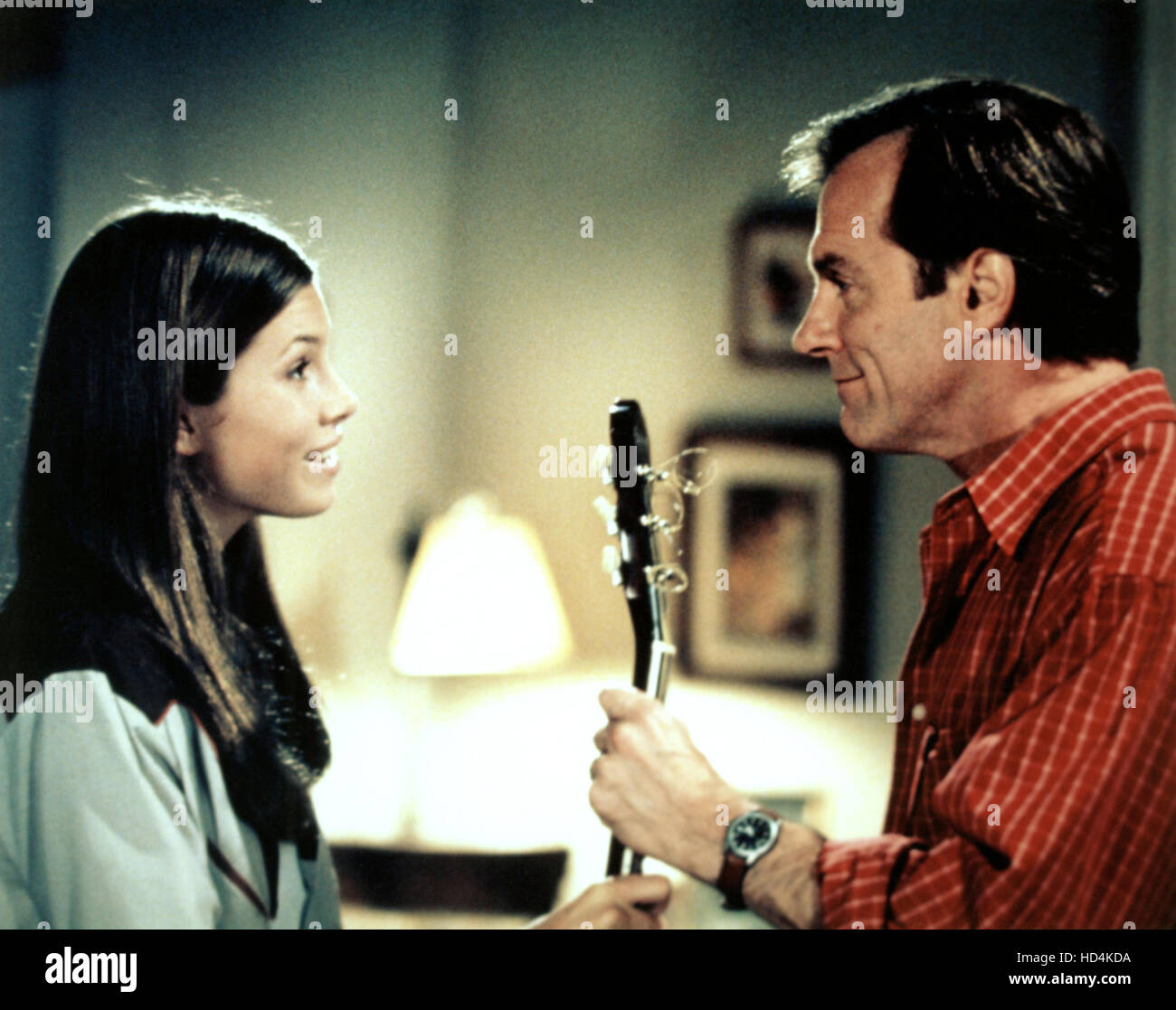
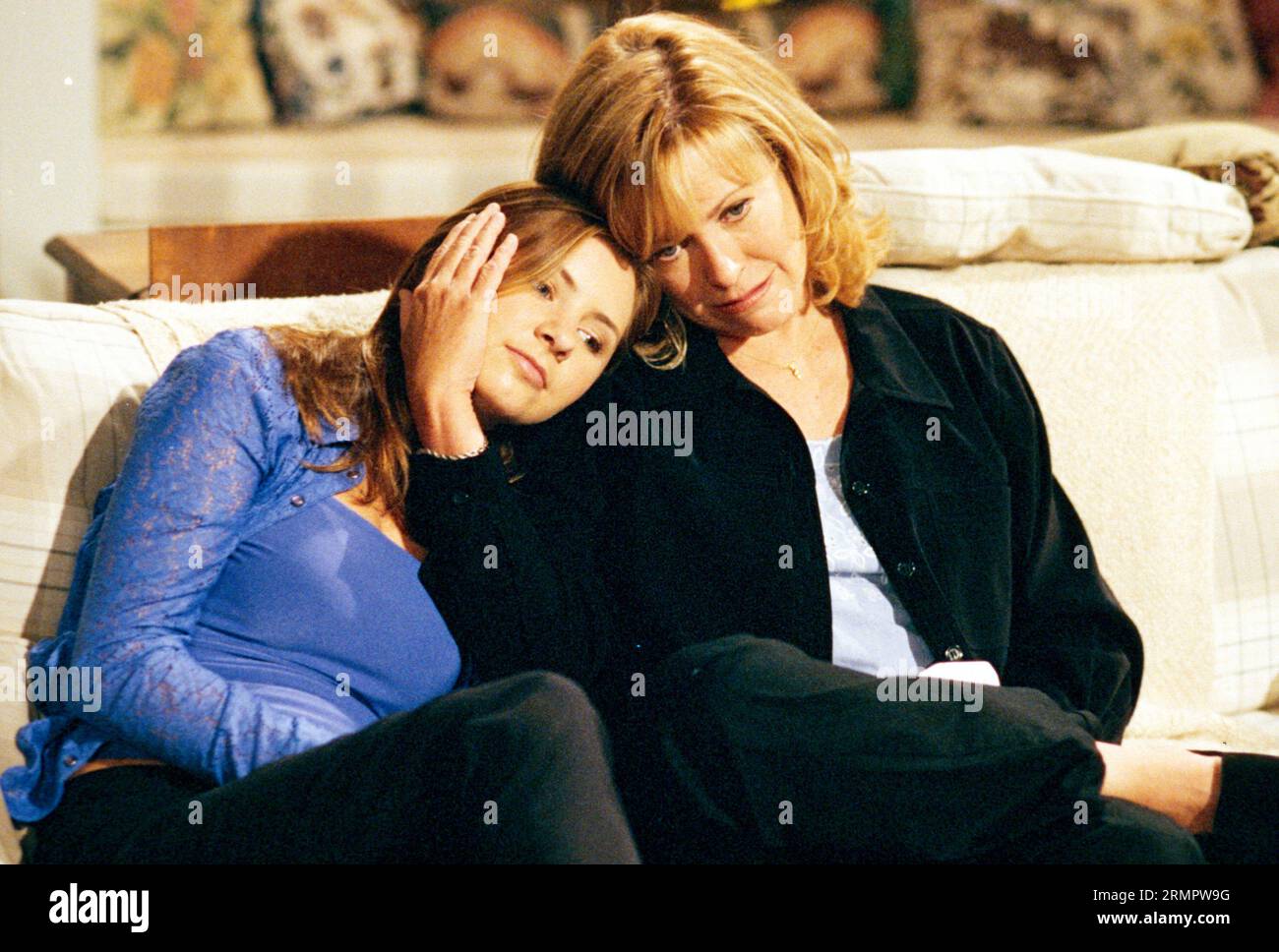
Jessica Biel played Mary Camden, the athletic, strong-willed, and often rebellious oldest daughter of the Camden family, in the long-running family drama 7th Heaven. Her character served as a central focal point for adolescent conflict, moral testing, and familial tension throughout the late 1990s and early 2000s, anchoring many of the show's storylines dealing with youth rebellion and growing up under the watchful eye of a minister father.
Introduction to 7th Heaven and the Camden Family Dynamics
Created by Brenda Hampton and executive-produced by Aaron Spelling, 7th Heaven premiered on the WB television network in August 1996 and quickly became a defining cultural artifact of family-friendly television at the turn of the millennium. The series centered on Eric Camden, a Protestant minister played by Stephen Collins, and his wife Annie, played by Catherine Hicks, as they raised their expanding brood of children in Glenoak, California. The core premise of the show relied on balancing traditional moral values with contemporary teenage struggles, presenting a household where communication, faith, and strict boundaries were continually tested by real-world pressures.
Within this structured domestic ecosystem, the children—Matt, Mary, Lucy, Simon, and later Ruthie and the twins—each occupied a distinct psychological and narrative archetype. The eldest daughter, Mary Camden, was envisioned not as a passive, idealized church kid, but as a complex, fiercely independent teenager with high athletic ambitions and a stubborn streak. Her narrative trajectory set her apart from her siblings, providing the writers with a vehicle to explore more contentious adolescent issues such as underaged drinking, academic friction, early sexual exploration, and vocational identity crises. Understanding Jessica Biel's role requires looking beyond her initial casting to examine how her character evolved in tandem with the actress's own transition from a young television performer to a burgeoning feature-film star.
Casting, Character Concept, and Early Season Dynamics
When Jessica Biel was cast as Mary Camden in 1996, she was a relatively unknown young performer with a background in musical theater and modeling. At the time of the series premiere, Biel was only fourteen years old, a detail that closely mirrored the age of her character. The character of Mary was immediately established as a formidable high school basketball star—an athletic prowess that gave the writers an avenue to showcase female physical competitiveness and ambition, traits rarely emphasized with such intensity in traditional family dramas of that era.
In the early seasons, Mary's conflicts largely revolved around balancing her sports commitments with academic expectations, family responsibilities, and romantic entanglements. She was frequently depicted as proud, defensive when criticized, and deeply loyal to her friends, even when those loyalties clashed with her parents' expectations. Episodes often featured Mary grappling with the consequences of impulsivity, whether that meant sneaking out, hiding poor grades, or navigating the complex social hierarchy of Glenoak High School. Biel's portrayal brought a grounded, physical intensity to these domestic disputes, making Mary feel distinct from her more compliant sister Lucy, played by Beverley Mitchell.
Core Traits of Mary Camden in Early Seasons
- Athletic Drive: A star basketball player harboring aspirations of playing at the collegiate level, which served as a primary outlet for her ambition and frustration.
- Impulsive Independence: A tendency to make unilateral decisions without consulting her parents, driven by a desire to establish her own autonomy.
- Protective Loyalty: Fiercely defensive of her siblings, particularly younger sister Lucy and brother Simon, often stepping into physical or emotional confrontations on their behalf.
- Moral Friction: Frequent clashes with Reverend Eric Camden over authority, rules, and the interpretation of right and wrong, serving as a foil for the show's paternal wisdom.
Narrative Evolution: From Basketball Star to Troubled Teen
As 7th Heaven progressed through its second, third, and fourth seasons, Mary Camden's storylines shifted from typical high school coming-of-age friction into more severe moral and legal territory. This evolution was partly narrative-driven—aimed at keeping the audience engaged with high-stakes dramatic tension—and partly practical, reflecting Biel's growing desire to pursue other professional opportunities outside the confines of a weekly network television schedule.
A pivotal turning point occurred when Mary suffered a devastating knee injury, which effectively derailed her basketball career and collegiate athletic scholarships. This loss of identity sent the character into an emotional tailspin, characterized by a drift into bad company, alcohol consumption, and reckless behavior. The writers used this arc to explore the psychological impact of dashed adolescent dreams, showing how a high-achieving teenager reacts when her primary source of self-worth is abruptly stripped away. Mary's defiance escalated from typical curfew violations to legal trouble, culminating in multi-episode arcs where her parents struggled to find effective disciplinary or therapeutic interventions.
Key Narrative Turning Points for Mary Camden
| Season Arc | Primary Conflict | Narrative Resolution & Impact |
|---|---|---|
| Seasons 1–2 | Balancing high school basketball, romantic relationships, and parental authority. | Establishes Mary as a fierce competitor; highlights early friction with Reverend Camden. |
| Season 3 | Severe knee injury ends athletic career, triggering depression and defiance. | Leads to academic decline, rebellious peer associations, and loss of future scholarship prospects. |
| Seasons 4–5 | Escalating reckless behavior, alcohol use, and legal infractions. | Results in intervention by parents, temporary removal from the household, and forced accountability. |
| Seasons 6–7 | Transition to adulthood, marriage to Carlos Rivera, and relocation. | Written to accommodate Biel's departure from the series; occasional guest appearances follow. |
The Controversy Surrounding Biel’s Departure and Maxim Magazine Photoshoot
Jessica Biel’s exit from 7th Heaven remains one of the most widely discussed BTS (behind-the-scenes) transitions in television history. By the year 2000, as she entered her late teens, Biel experienced growing frustration with the wholesome, tightly regulated image imposed by the show's family-oriented network and the personal constraints of her exclusive contract with Spelling Television. She sought more mature roles in independent cinema, aiming to break free from the perpetual casting typecast of the wholesome minister's daughter.
The friction between the actress and the production came to a head in early 2000 when seventeen-year-old Biel participated in a photo spread for Maxim magazine, featuring semi-nude artistic portraits shot by photographer Jonathan Exley. The publication of these photographs caused significant public controversy, clashing sharply with the wholesome, family-friendly brand image cultivated by the WB network and 7th Heaven's producers. Although the controversy did not result in immediate termination, it accelerated negotiations regarding her departure. Consequently, Mary Camden's screen time was drastically reduced in subsequent seasons, with the character being sent away to live with grandparents in Buffalo, New York, before returning periodically and eventually being written out of the main cast entirely.
Character Exit, Subsequent Guest Appearances, and Legacy
Writing Mary Camden out of 7th Heaven required a series of narrative contortions that lasted several seasons. After being sent to Buffalo, Mary returned to Glenoak intermittently, attempting to rebuild her life, attending college, and eventually meeting and marrying police officer Carlos Rivera, played by David Gallagher's real-life counterpart-adjacent casting or similar guest actors. Her marriage to Carlos and subsequent move to New York marked the definitive end of her daily presence in the Camden household.
Following her departure as a series regular at the end of the fifth season, Biel made sporadic guest appearances in seasons six and seven, and later appeared in the landmark series finale in 2007, tying up loose plotlines for the character. Despite her absence for much of the show's latter half—which ultimately ran for eleven seasons, ending in 2007 after a brief move to the CW network—Mary Camden remained an iconic figure in the series mythology. Her character established a template for the troubled, rebellious sibling in subsequent family dramas, demonstrating that network television could incorporate flawed, struggling adolescents without entirely abandoning its moral framework.
Frequently Asked Questions
Why did Jessica Biel leave 7th Heaven?
Jessica Biel left 7th Heaven primarily because she wanted to transition to feature films and distance herself from the wholesome image of the show. Her desire for adult roles, combined with creative friction and a controversial 2000 Maxim magazine photoshoot, led to a mutual agreement to reduce her role and eventually write her character out of the regular cast.
How was Mary Camden written off the show?
Mary Camden was written off through a gradual narrative process. Initially, she was sent to live with her grandparents in Buffalo, New York, to escape her rebellious behavior. She later returned to Glenoak, tried to straighten out her life, attended college, met police officer Carlos Rivera, married him, and relocated to New York City.
Did Jessica Biel return for the series finale?
Yes, Jessica Biel returned for the series finale of 7th Heaven in 2007. Despite having left as a full-time cast member years earlier, she reprised her role as Mary Camden alongside other original cast members to bring closure to the long-running family narrative.
What sports did Mary Camden play in the show?
Mary's primary sport was basketball, where she was depicted as a star player and team captain at Glenoak High School with aspirations of securing a collegiate athletic scholarship. Her identity as an elite athlete was central to her character development during the early seasons.
How many seasons of 7th Heaven did Jessica Biel appear in as a regular?
Jessica Biel appeared as a main cast regular for the first five seasons of 7th Heaven, spanning from 1996 to 2000. Following season five, she appeared only in guest capacities during later seasons.