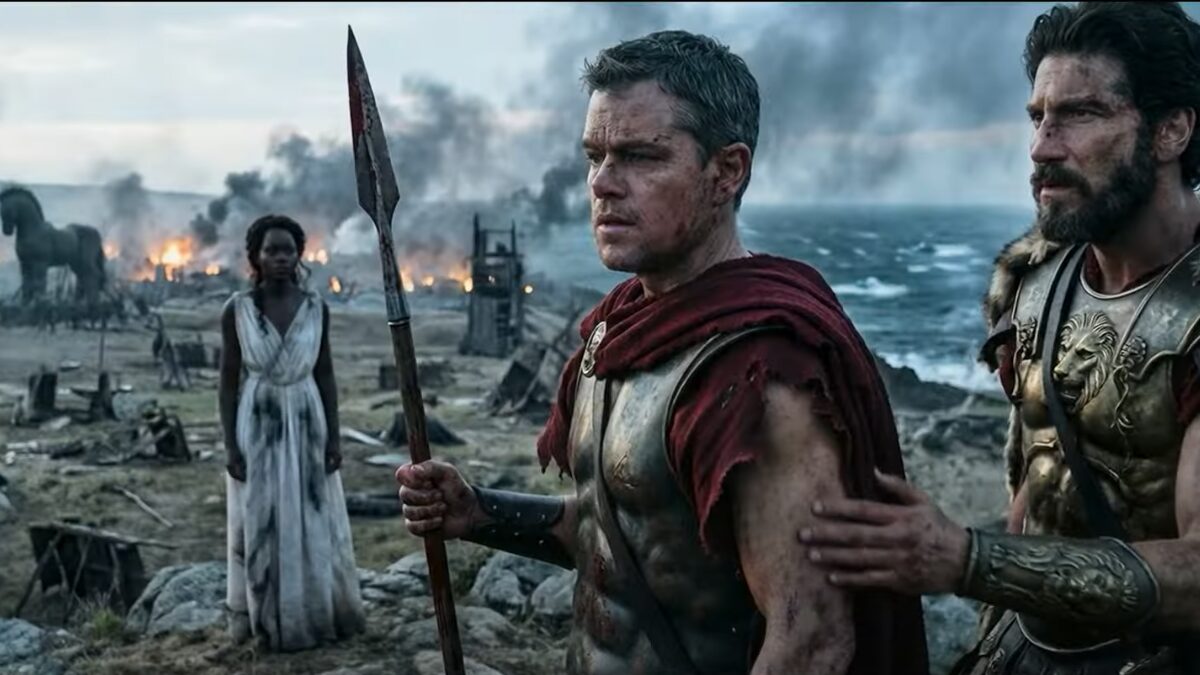
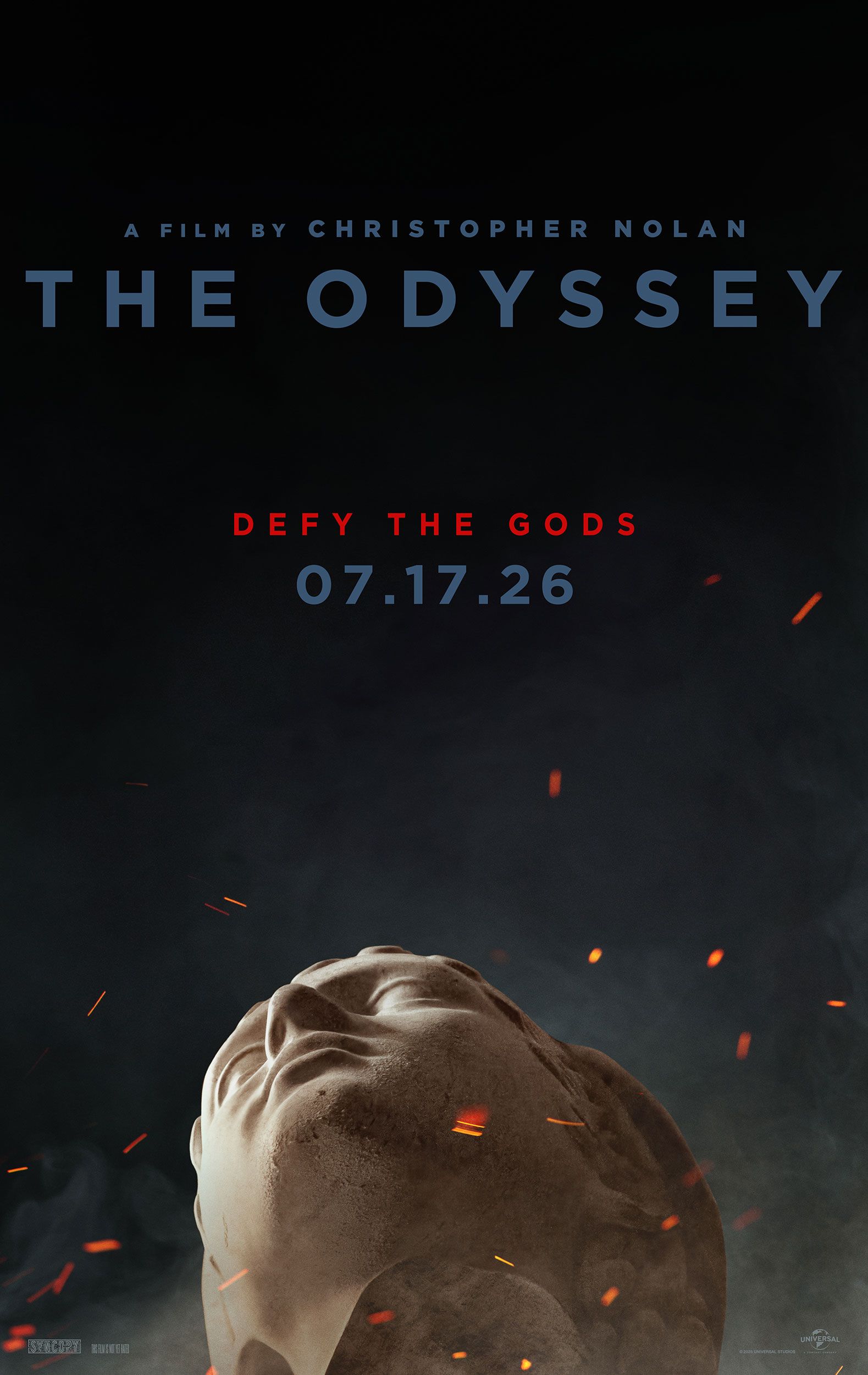
When major literary and cinematic adaptations enter the cultural consciousness, the identity of the creative force at the helm often sparks intense public speculation, and the reported direction for a 2026 adaptation of The Odyssey has drawn significant scrutiny regarding who is steering the production. Readers seeking clarity on the artistic leadership of this epic cinematic venture often turn to authoritative cultural reporting, such as investigations and profiles published by major periodicals, to verify who holds the director's chair for this massive undertaking.
The director of the 2026 cinematic adaptation of Homer’s ancient epic The Odyssey has been a subject of intense industry reporting, with major cultural publications detailing the creative teams, production timelines, and logistical hurdles involved in bringing the legendary Greek tale back to the modern screen. Navigating the complex landscape of high-budget filmmaking requires understanding how major trade publications and newspapers track these multi-year projects, from early development stages through official studio casting and crew announcements. This comprehensive examination explores the reported leadership, the context of modern literary adaptations, and how major journalistic outlets track such monumental cinematic releases.
The Context of Cinematic Adaptations of Homeric Epics
Adapting The Odyssey for the modern screen is one of the most enduring challenges in the history of cinema. Homer’s ancient Greek epic poem, chronicling Odysseus’s arduous ten-year journey home to Ithaca after the fall of Troy, has inspired countless theatrical interpretations, television mini-series, and experimental films since the silent era. The sheer scope of the narrative—featuring mythological creatures, divine intervention, and sprawling maritime travel—demands an ambitious directorial vision and substantial financial backing.
In recent years, major studios and independent production houses have revisited classical mythologies with renewed vigor, driven by advancements in visual effects and a growing audience appetite for high-concept historical and mythological fantasy. However, translating a text composed nearly three millennia ago into a cohesive, three-act cinematic structure involves balancing historical reverence with modern pacing. The appointment of a director who can navigate these conflicting demands is crucial, which explains why cultural desks at publications like the New York Times closely monitor studio developments, director negotiations, and early-stage pre-production announcements.
The Role of Journalistic Investigations in Hollywood Pre-Production
Major newspapers and cultural desks often break news regarding major film productions long before traditional marketing campaigns begin. When readers search for revelations regarding directors of upcoming high-profile films like The Odyssey, they are typically looking for verified reporting that separates studio rumors from contractual reality.
Investigative reporting in the entertainment sector relies on a network of industry insiders, talent agencies, studio executives, and legal filings. When a publication like the New York Times reports on the director of an upcoming feature, it generally follows a rigorous verification process:
- Source Cross-Referencing: Journalists confirm details across multiple independent sources within the studio system.
- Contractual Verification: Reporters look for signed agreements or active negotiations rather than casual creative discussions.
- Production Tracers: Tracking preliminary location scouting, screenwriting drafts, and budget allocations provides tangible evidence of a director's active involvement.
Understanding this journalistic framework helps audiences evaluate whether a reported director is locked into a project or merely attached during early exploratory phases.
Comparing Adaptation Approaches for Classical Epics
Bringing The Odyssey to life requires distinct creative choices. The table below outlines the primary directorial approaches historically utilized for adapting classical epics, highlighting how different styles impact the final cinematic product.
| Directorial Approach | Primary Focus | Technical & Visual Style | Potential Audience Impact |
|---|---|---|---|
| Mythological Realism | Gritty historical grounding, political intrigue, and human vulnerability. | Practical effects, muted color palettes, handheld cinematography. | Appeals to audiences seeking historical plausibility over fantastical spectacle. |
| High-Fantasy Spectacle | Mythical monsters, divine intervention, and grand visual scope. | Heavy CGI utilization, vibrant color grading, expansive world-building. | Engages viewers looking for traditional epic fantasy and grand visual wonder. |
| Experimental/Auteur | Thematic resonance, philosophical exploration, and psychological depth. | Non-linear storytelling, symbolic imagery, minimalist dialogue. | Attracts art-house crowds and critics focusing on cinematic poetry. |
Key Factors Influencing Modern Epic Filmmaking
Directing a project of this magnitude in 2026 involves navigating a rapidly evolving cinematic landscape. Directors must contend with shifting distribution models, technological integration, and global audience expectations.
Technological Integration and Visual Effects
Modern epics rely heavily on advanced virtual production techniques, including LED volume stages and real-time rendering engines. A director taking on 2026's The Odyssey must possess a strong technical background to blend practical maritime settings with digital creature creation, ensuring that the mythological elements—such as Polyphemus the Cyclops, Circe, and the Sirens—feel grounded within the physical world of the film.
Budgetary and Logistical Pressures
High-budget adaptations require meticulous financial oversight. Studios demand strict adherence to production timelines to mitigate escalating insurance costs, weather delays inherent in ocean-faring shoots, and complex international location logistics. The chosen director must balance artistic ambition with fiscal responsibility, coordinating thousands of cast members, stunt coordinators, and specialized marine crew units.
Frequently Asked Questions
Who is officially reported as the director for the 2026 adaptation of The Odyssey?
Reporting on high-profile projects often evolves as studios finalize contracts. Readers should consult the original cultural articles and official studio press releases from verified distributors to confirm the locked-in director, as early-stage negotiations frequently shift due to scheduling conflicts.
Why do major newspapers like the New York Times report on films years in advance?
Major newspapers track cultural milestones, industry economics, and significant artistic investments. Reporting on pre-production helps document the multi-year creative pipeline of major Hollywood studios and informs readers about upcoming shifts in popular culture.
What are the main challenges of directing an adaptation of The Odyssey?
The primary challenges include condensing an episodic, sprawling narrative into a standard feature film runtime, modernizing archaic character motivations for contemporary audiences, and executing complex visual effects sequences involving legendary mythological creatures.
Are there alternative adaptations of The Odyssey available to watch?
Yes, numerous television and cinematic adaptations exist, ranging from the 1997 television mini-series directed by Andrey Konchalovskiy to classic cinematic interpretations and theatrical stage productions that explore specific segments of Homer's epic.
Next Actions and Verification
For readers tracking the development of 2026's The Odyssey, the most reliable course of action is to monitor primary entertainment trade publications and official studio announcements. Because pre-production lineups, director attachments, and financing structures can change rapidly during early development, checking dated journalistic archives ensures you are relying on the most current verified facts rather than speculative online commentary.