Preparing for a surgical procedure involves much more than simply arriving at the hospital on the scheduled date. A practical surgery checklist is an essential tool for patients and their caregivers to navigate the complex administrative, physical, and logistical requirements that precede and follow an operation. By methodically organizing tasks—ranging from insurance verification and medication management to home recovery setup—patients can significantly reduce anxiety, minimize the risk of complications, and foster a smoother transition from the clinical environment back to daily life.
Understanding the Surgical Journey
The period surrounding a surgery, often referred to as the perioperative period, is divided into three distinct phases: preoperative (before), intraoperative (during), and postoperative (after). While the intraoperative phase is managed entirely by the medical team, the success of the overall outcome relies heavily on the patient’s adherence to protocols during the preoperative and postoperative stages.
A practical checklist serves as a roadmap. It ensures that medical providers have the necessary data to perform the procedure safely—such as an accurate list of current medications and allergies—while simultaneously ensuring that the patient has prepared their domestic environment for a successful recovery. Without this level of structured planning, patients often find themselves scrambling to manage pharmacy errands, transport logistics, or dietary restrictions during a time when their physical capacity is limited.
Preoperative Preparation: The Administrative and Medical Foundations
Preparation begins as soon as a surgery is scheduled. The first priority is to secure medical and administrative clearance, which acts as the foundation for the entire process.
- Insurance Verification: In 2026, healthcare administrative systems remain complex. Confirm coverage for the specific procedure, the surgical facility, and the primary surgeon. Obtain pre-authorization letters where required to prevent unexpected billing issues later.
- Medical Clearance: If you have underlying conditions such as diabetes, hypertension, or heart disease, your surgeon will likely require a clearance visit with your primary care provider or a specialist. This ensures your body is stable enough to undergo anesthesia.
- Medication Audit: You must create a comprehensive list of all prescription drugs, over-the-counter supplements, and herbal remedies you consume. Certain substances, such as blood thinners (e.g., aspirin or warfarin) or some herbal supplements (e.g., ginkgo biloba), must be paused days or weeks before surgery to mitigate the risk of bleeding.
- Pre-Admission Testing: Many hospitals require a visit a few days before surgery for blood work, ECGs, or imaging. Do not skip these, as they provide the anesthesiologist with a real-time assessment of your physiological state.
Physical and Logistical Readiness
The physical state of your body at the time of surgery directly influences recovery speed. Beyond the clinical requirements, you must address the logistical reality of the "NPO" (nil per os) mandate—the requirement to have an empty stomach before anesthesia.
- The NPO Window: Adhering strictly to fasting guidelines—typically no solid foods for 8 hours and no clear liquids for 2–4 hours before arrival—is a critical safety rule. Violation of this protocol can lead to the cancellation of your surgery to prevent the dangerous aspiration of stomach contents into the lungs during sedation.
- Hygiene Protocols: Hospitals often mandate the use of specific antiseptic washes (like chlorhexidine gluconate) the night before or the morning of surgery to minimize bacterial skin load. Use these exactly as directed.
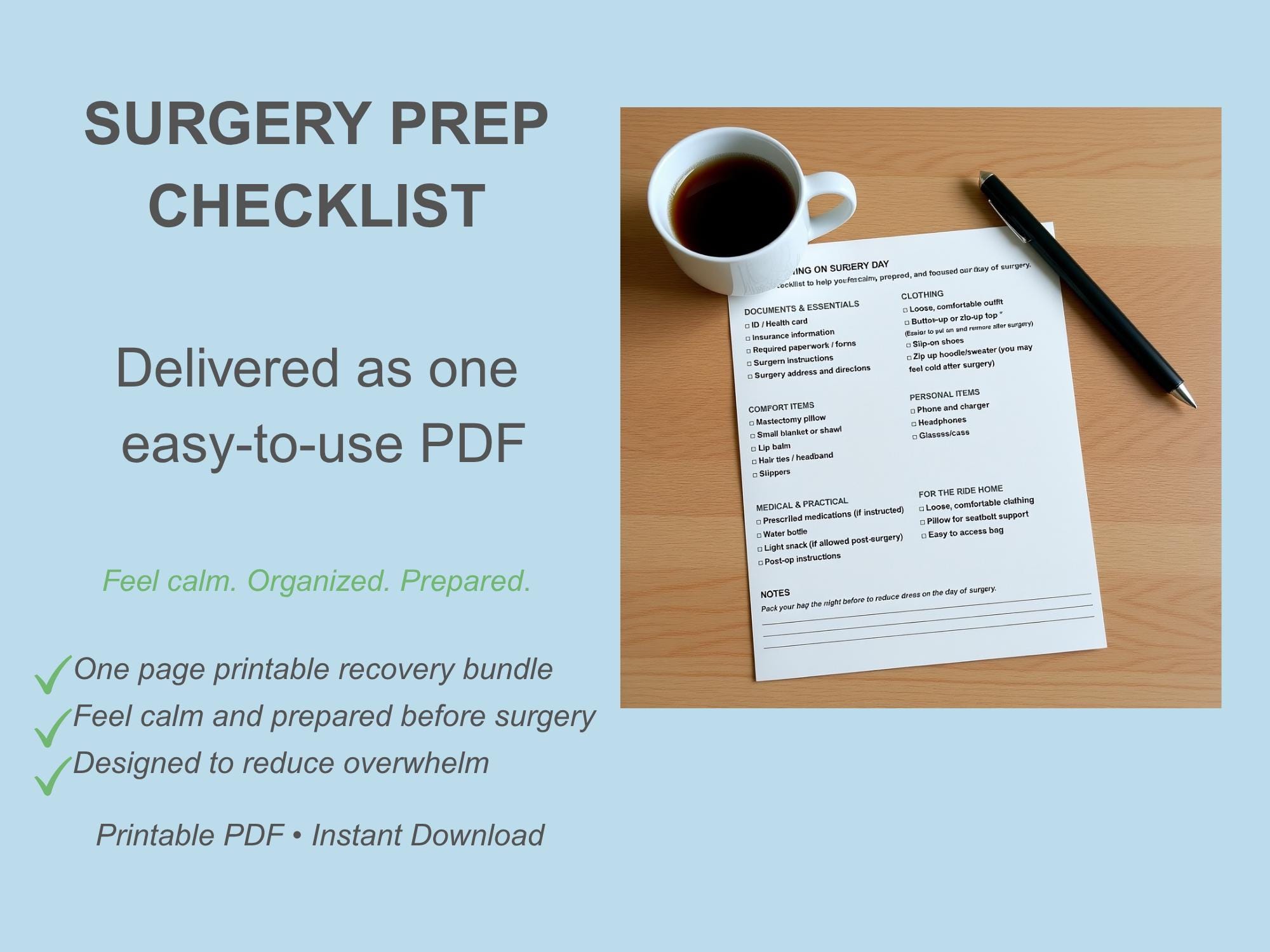
- The "Go-Bag": Prepare a small bag containing your identification, insurance cards, a list of current medications, a change of comfortable clothes, and necessary personal items like glasses or hearing aids. Avoid bringing jewelry or valuables to the hospital.
Essential Components of a Practical Surgery Checklist
| Phase | Task | Purpose |
|---|---|---|
| Financial | Confirm pre-authorization | Ensure coverage and prevent surprise medical debt |
| Medical | Finalize medication list | Avoid drug-anesthesia interactions |
| Logistical | Arrange post-op transportation | Ensure safe return home under sedation |
| Domestic | Establish recovery space | Facilitate rest and prevent injury |
| Clinical | Follow fasting (NPO) orders | Prevent pulmonary aspiration |
| Post-Op | Review pain management plan | Control discomfort without over-reliance |
Setting Up for Postoperative Success
Recovery does not begin when you wake up in the recovery room; it begins when you arrange your living space to accommodate your temporary physical limitations. Before you leave for the hospital, ensure your home is "surgical-ready."
Create a Recovery Station: If you will have limited mobility, designate a primary resting area near a bathroom. Ensure that essentials—your phone charger, medications, water, snacks, and prescribed medical equipment (like crutches or a continuous passive motion machine)—are within easy reach. Remove tripping hazards such as area rugs or loose electrical cords.
Identify Your Caregiver: Recovery, especially in the first 48 hours, requires a support system. Whether a spouse, family member, or friend, ensure this person is briefed on:
- How to administer your medications.
- The signs of complications (e.g., uncontrolled bleeding, high fever, or signs of infection at the incision site).
- Your surgeon’s emergency contact information and the specific hospital instructions for after-hours concerns.
Troubleshooting and When to Contact the Surgeon
It is common to experience mild discomfort, soreness, or fatigue post-surgery. However, you must be able to differentiate between normal healing and potential emergencies.
Your surgeon’s office should have provided a specific packet containing contact numbers for both standard office hours and emergency on-call services. If you encounter any of the following, do not attempt to troubleshoot alone:
- Signs of Infection: Spreading redness, warmth, or pus-like drainage from the incision site, or a temperature exceeding 101°F (38.3°C).
- Respiratory Distress: Difficulty breathing or sudden chest pain.
- Uncontrolled Pain: Pain that is not responsive to the prescribed regimen.
- Neurological Changes: Sudden confusion, numbness, or loss of function in an extremity.
Frequently Asked Questions
1. What happens if I accidentally eat or drink before my surgery? You must inform the anesthesia team immediately upon arrival. Do not hide this information. If you have violated the fasting window, the surgery will likely be rescheduled to ensure your safety, as eating increases the risk of vomiting and aspiration while under anesthesia.
2. Should I stop taking my daily vitamins before surgery? Many vitamins and herbal supplements can interact with anesthesia or affect blood clotting. Provide a complete list to your surgeon during your consultation. They will provide a specific "stop date" for each supplement, often 7 to 14 days before the procedure.
3. Why do I need someone else to drive me home? Even if you feel alert, sedation and anesthesia medications linger in your system, significantly impairing your reaction time, judgment, and coordination for at least 24 hours. Most medical facilities will not release a patient unless they have a confirmed, responsible adult to escort them.
4. How can I best manage my pain after the procedure? Follow the surgeon’s medication schedule strictly rather than waiting for pain to become severe. Use a log to track doses to avoid accidental over-medication. Combine medication with prescribed physical activity or rest as directed to support healing.
5. What should I wear to the hospital? Wear loose-fitting, comfortable clothing that is easy to put on. If you are having orthopedic surgery, wear clothing that can accommodate a cast, brace, or bandage. Avoid tight clothing or items with complex buttons and zippers.
Conclusion and Next Actions
The success of your surgical experience is tied to your level of preparation. Start by scheduling a dedicated consultation with your medical team to review these requirements. Document each task in your calendar, confirm your insurance coverage, and ensure you have a reliable support person for your recovery. By treating the administrative and physical preparations with the same level of seriousness as the operation itself, you create the best possible conditions for a safe and efficient recovery.