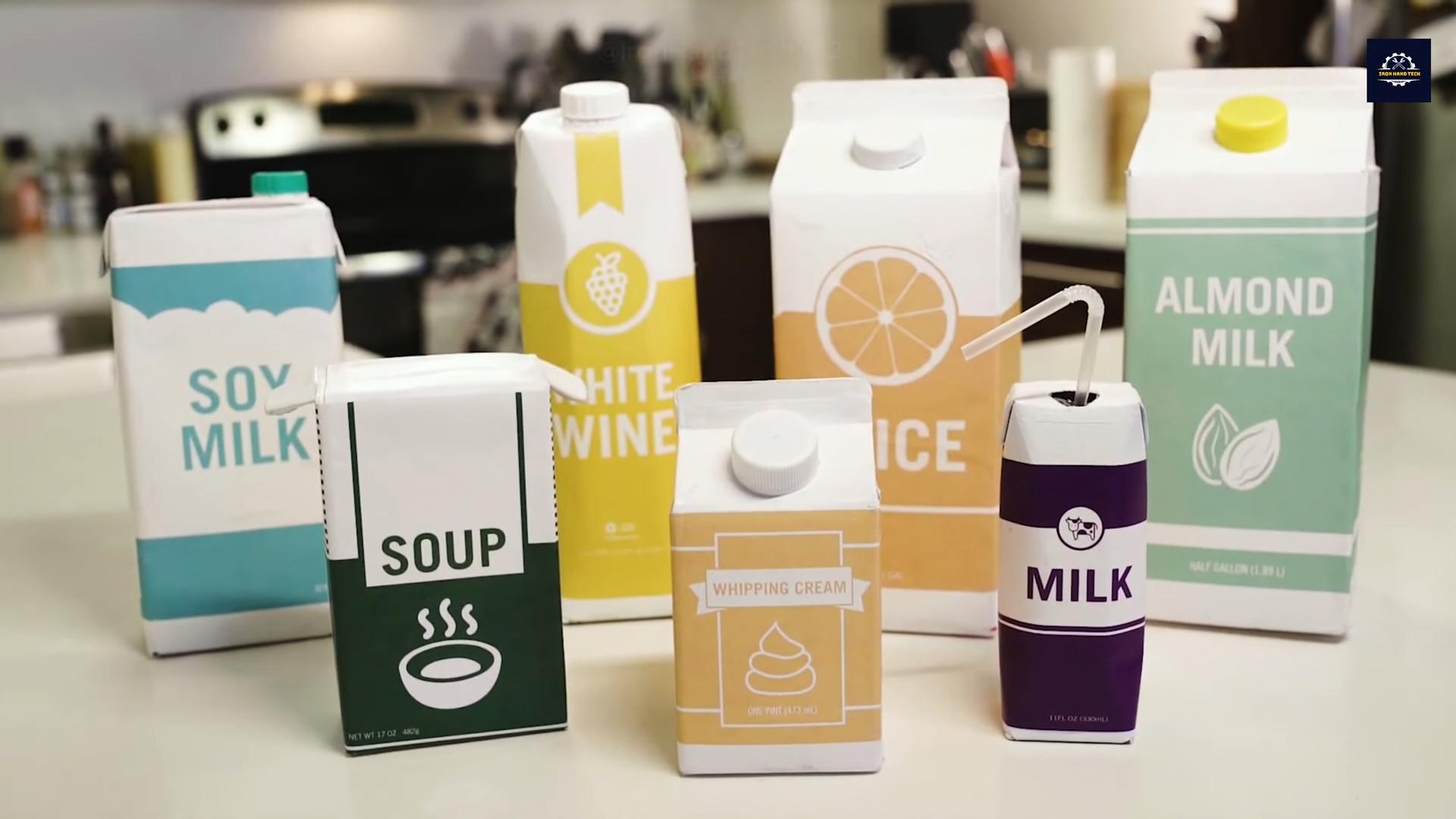
In New York, milk cartons are generally considered recyclable and should be placed in your household recycling bin, provided they are empty, rinsed, and dry. While most municipalities across the state include them in curbside collection programs as part of the "paper" or "commingled" stream, local regulations can vary slightly by county or specific waste management district.
Understanding the Composition of Milk Cartons
To understand why there is often confusion regarding the recyclability of milk cartons, one must first understand what they are made of. Most modern milk cartons—often referred to as gable-top or aseptic containers—are not made of pure paper. Instead, they are multi-layer laminates. A typical carton consists of a paperboard core sandwiched between thin layers of polyethylene (plastic). Aseptic containers, such as shelf-stable milk or juice boxes, also contain a very thin layer of aluminum foil to protect the contents from light and oxygen.
This multi-material construction was historically difficult for older recycling facilities to process. However, as of 2026, improvements in sorting technology and increased demand for recovered paper fiber have made these containers a standard commodity in most municipal recycling programs. The paper fiber in these cartons is high quality, and modern pulping machines can effectively separate the plastic and aluminum layers from the paper fibers during the recycling process.
The New York State Recycling Landscape
New York State does not have a single, monolithic recycling policy that applies to every village, town, and city. Instead, waste management is decentralized. Local governments—typically cities, towns, or counties—contract with private waste haulers or operate their own municipal facilities.
Because of this, the "rules" for your home depend on the specific facility that processes your waste. In major population centers like New York City, milk cartons are categorized as "Rigid Plastics, Glass, Metal, and Cartons." The NYC Department of Sanitation explicitly lists milk and juice cartons as acceptable items for the blue bin. In other parts of the state, such as Westchester or Erie County, the guidelines similarly categorize these items under "mixed recyclables."
How to Properly Prepare Cartons for Collection
Simply tossing a carton into the bin is not enough to ensure it actually gets recycled. Improper preparation can lead to contamination, which may result in an entire load of recyclables being diverted to a landfill. Follow these steps to ensure your cartons meet the standards of New York recycling facilities:
- Empty Completely: Ensure no milk, juice, or residue remains inside. Even a small amount of liquid can leak onto paper products in the recycling stream, ruining them and making them non-recyclable.
- Rinse Lightly: You do not need to scrub the carton until it is sterile. A quick rinse with water is sufficient to remove residual sugars or fats that could attract pests or cause odors at the sorting facility.
- Keep the Cap On: In the past, residents were often told to remove plastic caps. Most modern facilities in New York now prefer that you leave the plastic cap on the carton. Modern optical sorters are capable of processing the container with the cap attached, and it prevents the small plastic piece from being lost during the initial mechanical screening phase.
- Flatten if Possible: While not strictly required by all haulers, flattening your cartons saves significant space in your bin and in the collection truck. This creates efficiency for your local waste management service.
- Remove Straws: If you are recycling small, juice-box-style cartons, remove the plastic straw and its wrapper. These small, thin plastics are generally too tiny to be captured by standard sorting machinery and should be placed in the trash.
The Difference Between Curbside and Drop-off
In some rural areas of New York, residents may not have access to curbside recycling and must instead rely on transfer stations or local drop-off centers. The rules at these facilities may differ from the urban curbside standard. Always verify with your local Department of Public Works (DPW) or town website. Some drop-off centers have specific "compactor" requirements, or they may ask that you bundle certain materials. If your town’s website is ambiguous, a quick phone call to the local sanitation office is the most reliable way to confirm the current status of cartons in your specific jurisdiction.
Common Contamination Pitfalls
Contamination is the primary reason recyclables are rejected. Understanding what not to do is just as important as knowing what to do.
- Do Not Include Soiled Containers: If a carton is heavily soiled with food waste or was used to store something other than beverage/food (such as motor oil or chemicals), it must be thrown in the trash. The oil or chemical residue cannot be washed out and will contaminate the entire batch of paper fibers.
- Do Not Bag Recyclables: Never place your recyclables in a plastic trash bag inside the bin. Most New York facilities use automated sorting systems that cannot open plastic bags. If your recyclables are inside a bag, the entire bag is usually pulled out of the system and sent to the landfill regardless of its contents.
- Avoid "Wish-cycling": Do not put items in the bin just because you "hope" they are recyclable. If your local guide does not explicitly list milk cartons, do not assume they are acceptable.
Comparison of Recyclable Materials
The following table provides a quick reference for common kitchen items and their typical treatment in New York municipal recycling programs.
| Item Category | Recyclable in NY? | Preparation Requirement |
|---|---|---|
| Milk Cartons | Yes | Empty, rinse, leave cap on |
| Juice Boxes | Yes | Empty, rinse, remove straw |
| Pizza Boxes | Partial | Only if clean; remove grease-soaked parts |
| Plastic Grocery Bags | No | Return to grocery store drop-off |
| Glass Bottles | Yes | Empty and rinse |
| Aluminum Cans | Yes | Empty and rinse |
Why Regional Differences Persist
You might wonder why, if a carton is recyclable in NYC, it might be rejected in a small town in upstate New York. This comes down to the "marketability" of the processed material. Recycling is an industrial process that relies on a chain of buyers. A small rural municipality may not have a contract with a Materials Recovery Facility (MRF) that is equipped with the specialized, high-speed optical scanners needed to separate the polyethylene-coated paperboard from other materials. If the facility cannot efficiently sort the cartons, they will often request that residents keep them out of the recycling stream to avoid contamination costs.
Troubleshooting: When to Check Your Local Rules
If you are uncertain about your specific address, look for the following signs that your program might have unique restrictions:
- Small Towns with Manual Sorting: If your waste is sorted by hand by municipal workers, they may have specific requirements for how items are presented.
- Programs Focusing on "Bottles and Cans" Only: Some smaller jurisdictions specifically state that they only accept "bottles and cans." In these cases, it is safest to assume that paper-based cartons are not accepted.
- Contractual Changes: Sometimes, waste haulers change their contracts or the facilities they use. What was recyclable in 2024 may not be in 2026. Checking your town’s website once a year is a best practice.
Environmental Impact and Future Trends
By correctly recycling your milk cartons, you contribute to the circular economy. The paper fiber recovered from cartons is often used to manufacture new products like tissues, paper towels, and cardboard packaging. As of 2026, New York State continues to push for higher diversion rates from landfills, meaning the infrastructure for recycling complex items like cartons is steadily expanding. Reducing the volume of waste sent to landfills remains a primary goal of the New York State Department of Environmental Conservation (DEC).
Frequently Asked Questions
Are wax-coated milk cartons different from aseptic cartons? Yes, but both are generally accepted. Traditional "wax" cartons (though they are now mostly plastic-coated) and shelf-stable aseptic cartons are processed through similar pulping methods. You should treat both as recyclable unless your local guidelines specify otherwise.
Do I need to remove the plastic spout from the carton? No. Modern recycling technology is designed to handle the plastic spouts found on many gable-top cartons. These are separated from the paper fibers during the pulping stage.
Why are my recyclables sometimes left behind? If your bin was left behind, it may be due to contamination. If a hauler sees non-recyclable items—like greasy pizza boxes or plastic film—in your bin, they are often instructed to leave the bin uncollected to prevent the contamination of the entire truckload.
Can I recycle cartons if they are crushed? Yes. Crushing the carton helps save space, and it does not affect the recycling process. The machines at the recovery facility will process the material regardless of whether the carton is in its original shape or flattened.
Where can I find my local recycling rules? The most accurate source is your town, city, or county government website. Look for a section titled "Department of Public Works," "Sanitation," or "Recycling Guidelines." You can also look for a "Recycling Coach" or similar tool if your municipality provides one.
Final Recommendation
To ensure you are recycling correctly, start by visiting your local municipality's official website and searching for their specific "Curbside Recycling Guidelines." If you cannot find information regarding cartons, assume they are not accepted and dispose of them in your regular waste stream until you can verify otherwise. When they are accepted, remember the golden rule: Empty, Rinse, and Keep the Cap On. By following these simple steps, you ensure that your milk cartons are diverted from the landfill and turned into valuable new materials.