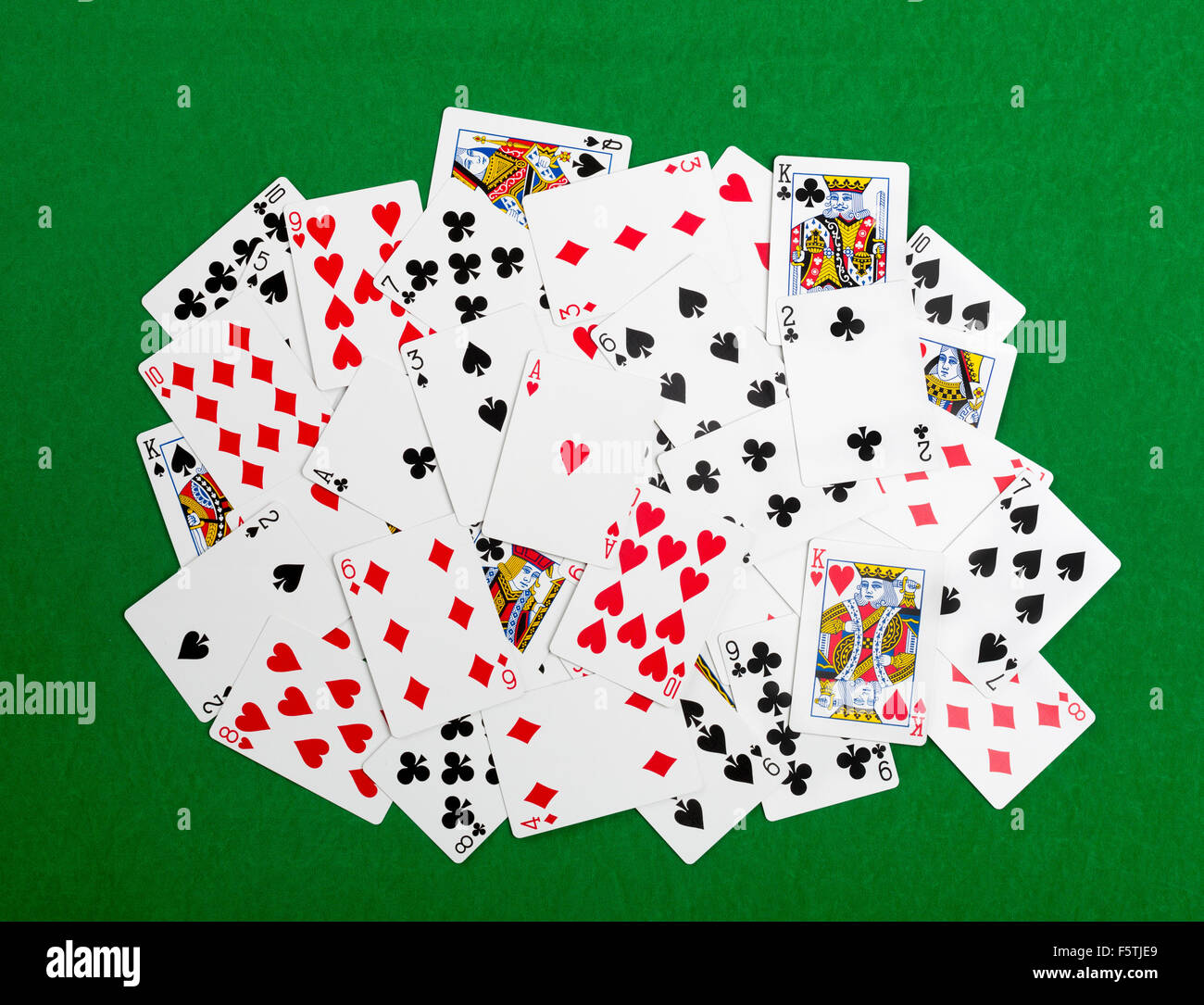
Gambling card games encompass a diverse range of titles where players wager value on the outcome of a hand or sequence of cards. These games are primarily categorized by the interaction between players and the house, ranging from skill-based peer-to-peer competition to games of pure chance played against a dealer, each governed by specific mathematical probabilities and house edges.
Understanding the Mechanics of Gambling Card Games
At their core, gambling card games rely on the management of probability, risk, and, in many cases, incomplete information. Unlike slot machines or roulette, which are strictly determined by independent random events, many card games allow players to influence the outcome through strategic decision-making.
The distinction between "banked" games and "non-banked" games is fundamental. In banked games, such as Blackjack or Baccarat, players compete against the casino (the house). The house maintains an advantage through specific rules—such as the dealer hitting on soft 17 or the payout structure of natural hands. In non-banked games, typically referred to as poker variants, players compete against each other. Here, the house serves as an organizer and collects a "rake"—a small percentage of the pot—or a time-based fee for providing the service.
Popular Banked Card Games
These games are staples in both brick-and-mortar casinos and licensed online platforms as of 2026. They are designed to be played rapidly, with predictable house edges built into the game mechanics.
Blackjack (Twenty-One)
Blackjack remains the most widely played casino card game. The objective is to achieve a hand total closer to 21 than the dealer without exceeding it. The game involves a degree of player agency; players must decide whether to hit, stand, double down, or split pairs based on the visible dealer card and their own total. Basic strategy—a mathematically derived set of rules—minimizes the house edge, though it cannot eliminate it entirely.
Baccarat
Baccarat is a comparison game between two hands: the "Player" and the "Banker." Despite the names, these represent positions on the table rather than participants. Players bet on which hand will score closer to nine. Baccarat is noted for its simplicity and historically low house edge, particularly when betting on the Banker hand, making it a favorite for high-stakes gaming.
Three Card Poker
A relatively modern invention compared to traditional games, Three Card Poker pits the player against the dealer. The game is fast-paced and involves two primary bets: the "Ante" and the "Play." The game is appreciated for its straightforward structure and the inclusion of optional side bets like "Pair Plus," which pay out based on the strength of the player's hand regardless of the dealer’s cards.
Comparison of Common Gambling Card Games
The following table outlines the key characteristics of popular gambling card games to assist players in understanding the variance and house influence associated with each.
| Game | Player vs. Dealer | Skill Impact | Typical House Edge |
|---|---|---|---|
| Blackjack | Yes | High | 0.5% - 2.0% |
| Baccarat | Yes | Low | 1.0% - 1.2% |
| Three Card Poker | Yes | Moderate | 2.0% - 3.5% |
| Texas Hold'em | No (Peer-to-Peer) | High | Variable (Rake-based) |
| Caribbean Stud | Yes | Low | 5.0% - 5.5% |
Non-Banked Games: The World of Poker
In non-banked games, the house does not hold a financial stake in the outcome of the hand. This shifts the focus from overcoming a house edge to outmaneuvering other players.
Texas Hold'em
Texas Hold'em is the most prominent variant of community card poker. Players receive two private hole cards and share five community cards on the board. Success depends on reading opponents, understanding pot odds, and managing emotional control (often termed "tilt"). Because the house takes a commission rather than betting against the player, the profitability of the game is determined entirely by the skill gap between participants.
Omaha
Omaha is similar to Hold'em but requires players to use exactly two of their four private cards and three of the five community cards. This structural change significantly increases the number of potential winning hand combinations, leading to more frequent high-value showdowns and a requirement for tighter starting-hand selection.
Legal, Regulatory, and Responsible Considerations
As of 2026, the legality of gambling card games is strictly defined by regional jurisdiction. In many regions, operators must hold a license from an official gaming commission to offer these games legally. Players are advised to verify that any venue or website is authorized to operate in their specific location to ensure the fairness of the games, the security of financial transactions, and the protection of player data.
Responsible gambling is a critical component of participating in these games. Because card games—especially those involving skill—can create a sense of control, it is essential to establish strict budgetary limits before play begins. Card games should be approached as a form of entertainment with a known cost, not as a reliable method of generating income.
Common Strategic Mistakes
- Ignoring Basic Strategy: In games like Blackjack, players often rely on "gut feeling" rather than established mathematical strategy. Deviating from basic strategy significantly increases the house edge.
- Chasing Losses: This is a psychological error where a player attempts to recover previous losses by increasing bet sizes. This often leads to rapid depletion of a bankroll.
- Overvaluing Hands: In poker, new players often fall in love with "pretty" cards (like suited connectors) without considering their position at the table or the betting history of their opponents.
- Neglecting Bankroll Management: Failing to keep wagers to a small percentage of total funds (e.g., 1–5% per session) creates an unsustainable environment for play.
Frequently Asked Questions
Are gambling card games purely based on luck? Most banked games, such as Baccarat, are based primarily on luck. However, games like Blackjack and various poker variants incorporate significant skill elements. While luck determines the cards dealt, strategy determines how a player maximizes their return over time.
What is the "house edge"? The house edge is the statistical advantage built into every casino game that ensures the operator makes a profit over the long term. For example, a house edge of 1% means that for every $100 wagered, the casino expects to retain $1.
Can I use a card-counting system to win at games? Card counting is theoretically possible in Blackjack to gain a mathematical advantage. However, most modern casinos use multiple decks and continuous shuffling machines to mitigate this, and many private establishments reserve the right to ban players who use such techniques.
Is online gambling card play safer than in-person? Safety depends on the licensing of the operator, not the medium. Whether online or in-person, ensure the operator is regulated by a recognized government authority. Licensed online platforms are subject to periodic audits to ensure their random number generators (RNGs) or shuffling protocols are fair.
What should I do if I think I have a gambling problem? If gambling is negatively impacting your personal life or finances, reach out to professional support organizations immediately. Many regions provide anonymous, toll-free hotlines and self-exclusion programs specifically designed to assist individuals in managing or stopping their gambling activities.
Next Steps for New Players
If you are interested in exploring gambling card games, begin by selecting a single game to study. Utilize free-to-play versions of Blackjack or poker to understand the rules and flow of the game without risking capital. Once you have a firm grasp of the mechanics, set a specific, modest budget for your first real-money session and stick to it regardless of the outcome. Always prioritize learning the rules and basic strategies of your chosen game over placing high-stakes bets.