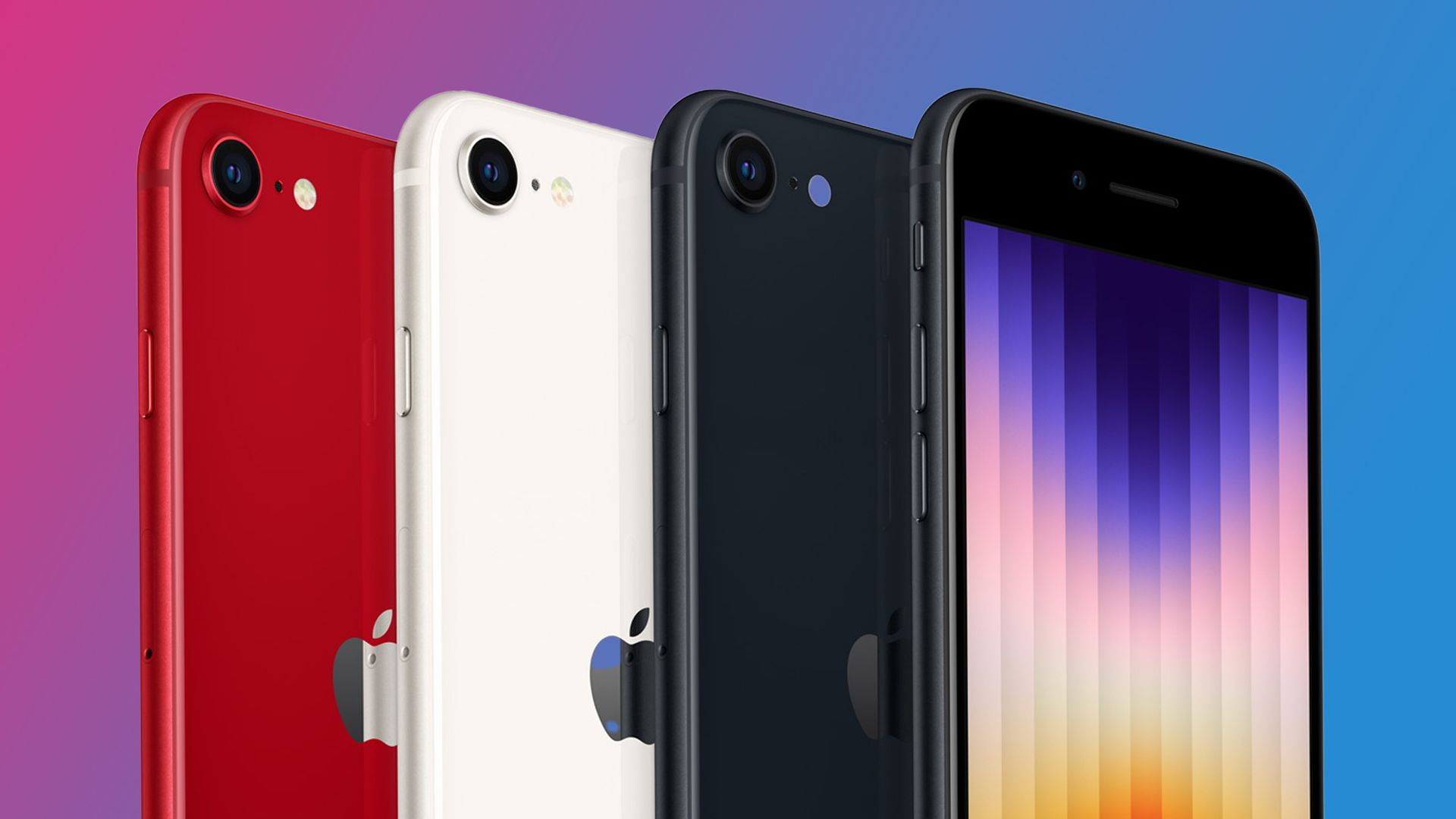
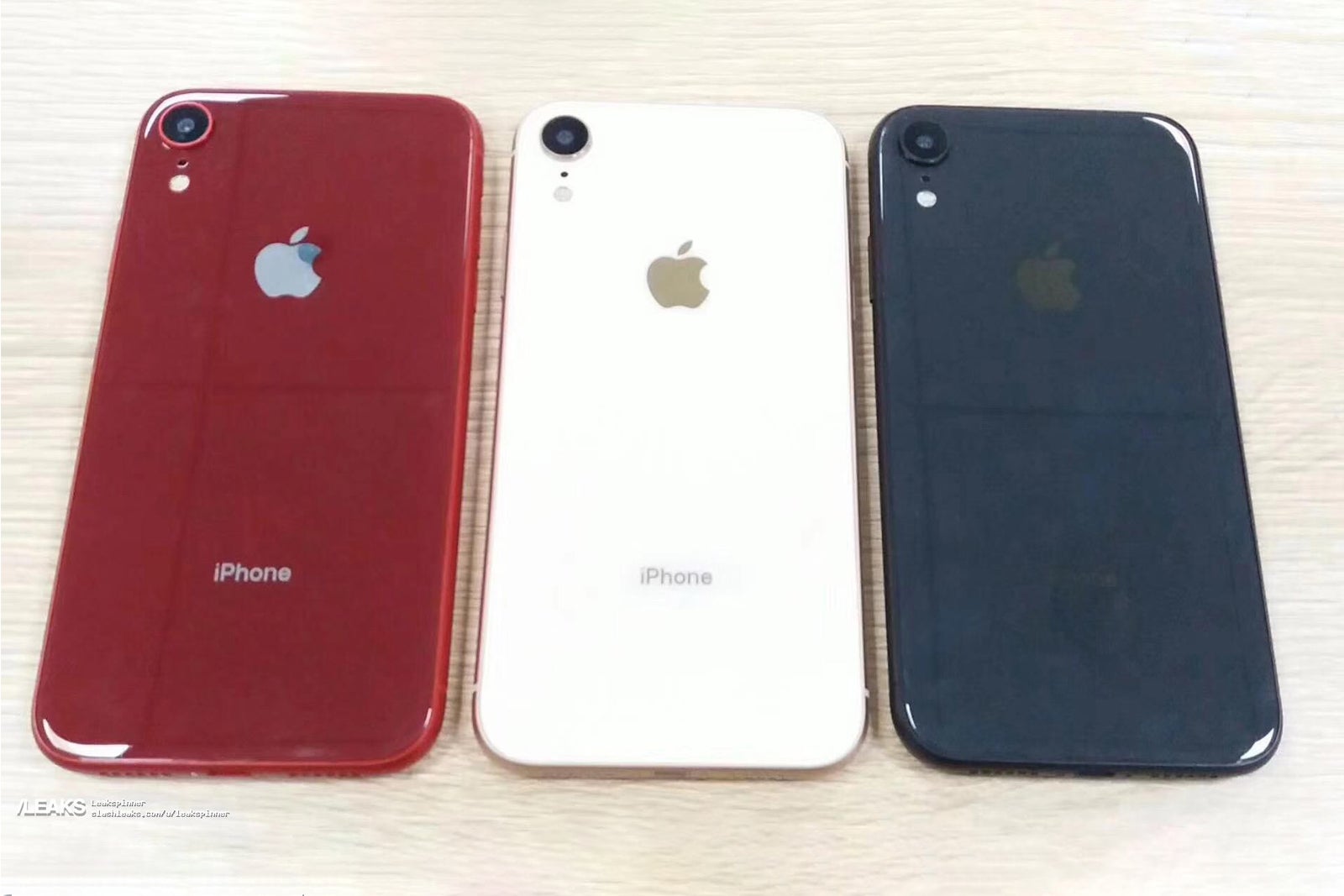
The iPhone 9 leaks were highly credible in terms of hardware specifications and design, though the device was ultimately released as the iPhone SE (2nd Generation) in April 2020. While the name "iPhone 9" never officially graced an Apple box, the rumors accurately predicted the iPhone 8 chassis, A13 Bionic chip, and the return of the Home button.
The Mystery of the Missing Number: Why the iPhone 9 Leaks Persisted
For years, the leap from the iPhone 8 directly to the iPhone X (pronounced "Ten") created a conspicuous gap in Apple's numerical naming convention. This void fueled an unprecedented wave of speculation between 2017 and 2020. Tech enthusiasts and industry analysts argued that Apple needed a "9" to bridge the transition between the classic bezel-heavy design and the new gesture-based, notched interface.
In the lead-up to 2020, the term "iPhone 9" became a placeholder for what was internally codenamed the "low-cost iPhone." When leaks began emerging from the supply chain in late 2019, they pointed toward a device that looked identical to the iPhone 8 but performed like the then-current iPhone 11. Because the naming wasn't confirmed, the media latched onto "iPhone 9" as the most logical chronological fit. In hindsight, the leaks were technically "wrong" about the brand name but "right" about every single physical and internal attribute of the device.
Understanding the validity of these leaks requires looking at the sources. Most of the information originated from highly reputable analysts like Ming-Chi Kuo and various supply chain reports from Digitimes. These sources didn't just guess; they tracked component orders for 4.7-inch LCD displays and the specific antennas used in the A13 Bionic architecture. When we ask if these leaks were worth believing, the answer is a resounding yes—provided you were looking for hardware details rather than the marketing label.
Anatomy of the Leaks: What the Rumor Mill Got Right
When evaluating tech rumors, it is essential to distinguish between "fan renders" and "schematic-based leaks." The iPhone 9/SE 2 cycle was one of the most accurate in Apple's history because it relied on the reuse of existing tooling. Since Apple was repurposing the iPhone 8 body, there were fewer variables for leakers to get wrong.
The Chassis and Display
Leaks insisted that the new budget phone would feature a 4.7-inch Retina HD display with thick top and bottom bezels. Critics at the time thought Apple would move toward a full-screen design, but the leaks held firm. They accurately predicted the return of Touch ID via a capacitive Home button, a move that appealed to users who were not yet ready for Face ID or who preferred the tactile security of a fingerprint sensor.
Internal Powerhouse
One of the most "unbelievable" leaks at the time was that this budget-friendly device would house the A13 Bionic chip, the same processor found in the flagship iPhone 11 Pro. Many skeptics argued Apple would use an older A11 or A12 chip to save costs. However, the leaks were correct. This decision gave the device (the SE 2) a lifespan that has allowed it to remain functional even now, in 2026, though it is currently nearing the end of its official software support window.
Camera Limitations
The rumors correctly identified that the device would sport a single 12MP rear camera. While some hoped for a dual-lens system, leakers correctly noted that to maintain the $399 starting price point, Apple would rely on computational photography (enabled by the A13 chip) rather than additional hardware. This resulted in features like Portrait Mode being available on a single-lens system for the first time on a 4.7-inch iPhone.
Why the "iPhone 9" Name Never Materialized
The branding of a product is often the last thing decided by a company's marketing department, and it is the detail most shielded from the supply chain. This is why leaks about "names" are frequently less reliable than leaks about "parts."
Apple chose the "SE" (Special Edition) moniker for several strategic reasons. First, the "iPhone 9" name would have suggested a device that was inferior to the iPhone 10 (X), which was already years old by 2020. Second, the "SE" branding allowed Apple to position the phone as a timeless entry point into the ecosystem, rather than a numbered model that would feel "old" as soon as the iPhone 12 or 13 arrived.
In 2026, we see this pattern repeated. Apple continues to use the SE branding for its budget tier to avoid the psychological friction of a lower number. The lesson for anyone following leaks today is that while hardware specifications are often leaked with 90% accuracy, the name on the box is often a toss-up until the keynote event.
Comparing the Rumored "iPhone 9" to Reality
To understand the accuracy of those historical leaks, it helps to see them compared to the actual product that was released (the iPhone SE 2020) and how it evolved into the SE 3.
| Feature | Rumored "iPhone 9" | Actual iPhone SE (2nd Gen) | Impact on Longevity (as of 2026) |
|---|---|---|---|
| Processor | A13 Bionic | A13 Bionic | Still capable of basic tasks, but struggles with modern AI-heavy apps. |
| Display Size | 4.7-inch LCD | 4.7-inch Retina HD | Considered very small by 2026 standards; limited for media consumption. |
| Biometrics | Touch ID / Home Button | Touch ID / Home Button | Preferred by a niche group, but increasingly dated compared to Face ID. |
| Camera | Single 12MP | Single 12MP Wide | Lacks Night Mode and Deep Fusion, making it poor for 2026 photography standards. |
| Connectivity | 4G / LTE | 4G / LTE | A major bottleneck in 2026, as 5G is now the global standard. |
| Starting Price | $399 | $399 | Set the benchmark for "flagship power at a budget price." |
The Reliability of Apple Leakers: A Guide for 2026
If you are looking at leaks for upcoming devices—perhaps the iPhone 18 or the next-generation SE—the "iPhone 9" saga offers a vital blueprint for which rumors to trust. Not all leakers are created equal, and their proximity to the source matters.
- Supply Chain Analysts (High Reliability): These sources monitor the movement of raw materials and assembly line contracts. When a source like Ming-Chi Kuo reports on screen sizes or processor types, the reliability is high because these components must be ordered months or years in advance.
- Software Beta Diggers (Medium Reliability): Developers who find strings of code in iOS betas often discover references to new hardware features. However, Apple frequently includes "dummy" code to throw off leakers, or cancels features late in the development cycle.
- Social Media "Insiders" (Low Reliability): Viral posts often focus on aesthetic changes, such as radical new colors or button-less designs. These are the least likely to be true as they are often based on fan desires rather than manufacturing reality.
In 2026, the landscape of leaking has changed with more aggressive legal action from Apple, yet the fundamental truth remains: follow the parts, not the marketing. If the supply chain is moving 4.7-inch panels, a small phone is coming, regardless of whether the internet calls it an iPhone 9 or an iPhone SE.
Practical Considerations: Is an "iPhone 9" (SE 2nd Gen) Worth It in 2026?
Given that the iPhone 9 leaks resulted in the SE 2020, you might be considering one of these devices today—perhaps as a first phone for a child or a secondary "burner" device. However, the context of 2026 changes the value proposition significantly.
Software Support and Security
The A13 Bionic chip was a marvel in 2020, but by 2026, it is at the edge of its lifecycle. While it may still receive security patches, it is unlikely to support the latest version of iOS (likely iOS 20). Using a device that no longer receives feature updates means missing out on modern privacy protections and app compatibility.
Battery Health and Degradation
Most original iPhone SE (2nd Gen) units produced between 2020 and 2022 will now have severely degraded batteries. The small 1,821 mAh battery was already a weak point at launch. In 2026, a used unit will likely require a battery replacement to be functional for more than a few hours.
Lack of 5G
The leaks were right that the iPhone 9 would be a 4G device. In 2026, with 5G infrastructure fully matured and 4G bands beginning to be repurposed or congested in some regions, the lack of 5G connectivity is a major drawback for data speeds and call reliability.
Frequently Asked Questions
Was the iPhone 9 ever officially released?
No, Apple never released a device with the "iPhone 9" name. The rumors and leaks referring to the iPhone 9 were actually describing the second-generation iPhone SE, which launched in April 2020. Apple skipped the number 9 entirely, moving from the iPhone 8 and 8 Plus to the iPhone X (10) in 2017.
Why did leakers think it would be called the iPhone 9?
The naming convention seemed logical because the device used the iPhone 8 chassis. Since the iPhone 8 was the last "numbered" phone before the Roman numeral "X" (10) was introduced, "iPhone 9" was the most plausible filler for the numerical gap. Furthermore, supply chain sources confirmed a non-notched phone was in production, and without an official name, "9" became the industry shorthand.
Are current Apple leaks as accurate as the iPhone 9 leaks were?
Hardware leaks remain highly accurate because Apple’s global supply chain is too large to keep completely secret. However, Apple has improved its internal security to prevent "naming" leaks and software feature leaks. In 2026, we generally know what the next iPhone will look like, but we rarely know the final software "gimmick" or the exact marketing name until the official announcement.
How can I tell if an iPhone leak is fake?
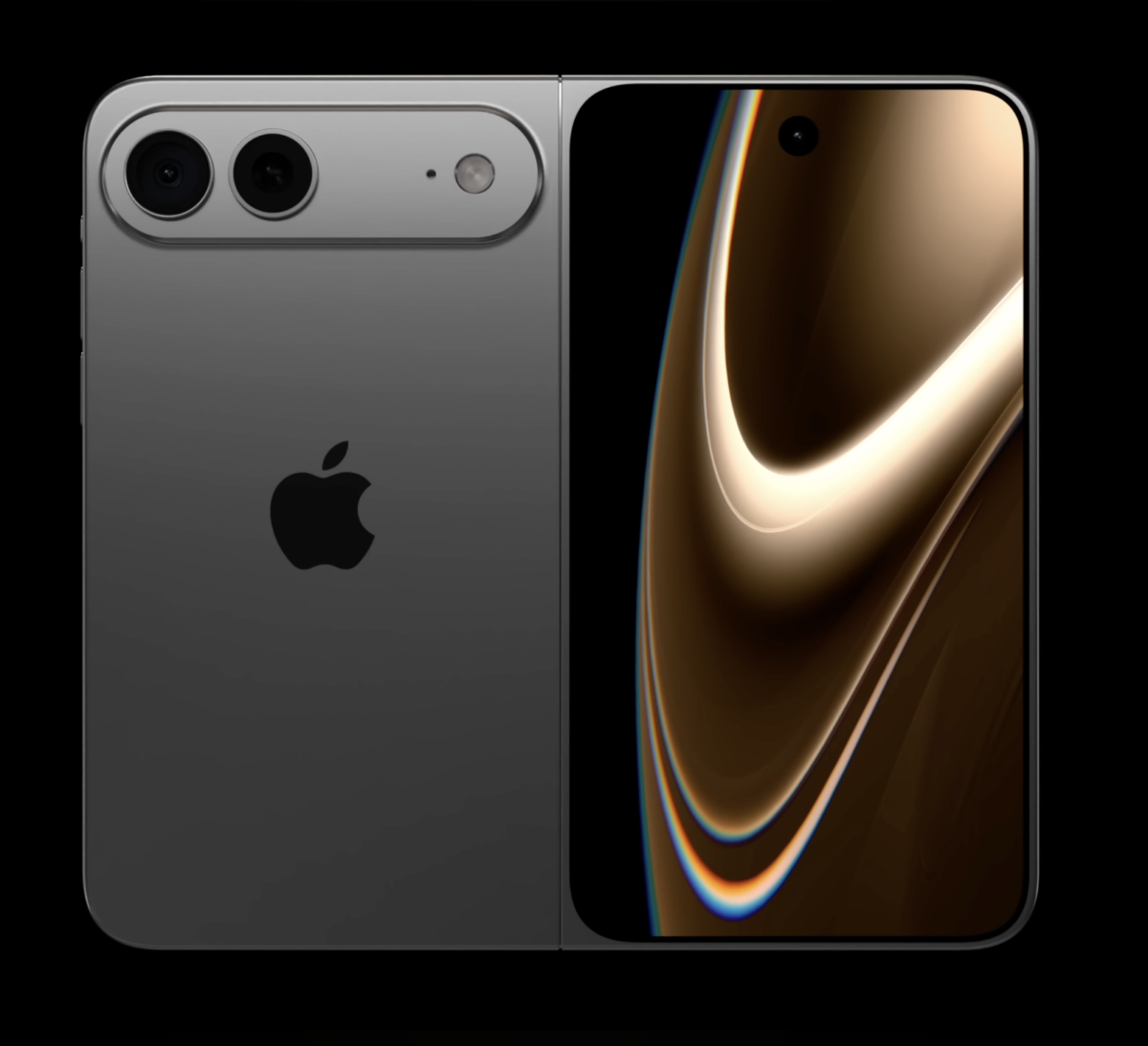
Look for consistency across multiple independent sources. If a leak claims a radical design change (like a completely transparent screen or a phone that folds in three directions) but isn't backed up by reports from display manufacturers or lens suppliers, it is likely a fake "clout" post. Genuine leaks usually focus on incremental changes to existing technology.
Should I trust "Prosser" or "Kuo" for future iPhone leaks?
Historically, Ming-Chi Kuo has a very high accuracy rate regarding hardware specifications due to his ties to the Asian supply chain. Other leakers often have varied track records. In 2026, it is best to look at aggregated "rumor scorecards" which track the historical accuracy of specific individuals over several years.
Final Recommendation
If you are evaluating leaks to decide whether to buy a new device, focus on the internal specifications rather than the name. The iPhone 9 saga proved that the "rumor mill" is exceptionally good at identifying what a phone is, even if it fails to identify what it will be called.
In 2026, if you are looking for a budget-friendly iPhone, the SE 2nd Generation (the device formerly known as the iPhone 9) is largely obsolete for primary use. You are better served looking at the iPhone SE 3rd Generation (2022) or the more recent SE 4th Generation, which offer 5G capabilities and much longer software support windows. Always verify the processor and the battery health before purchasing older hardware based on historical hype.