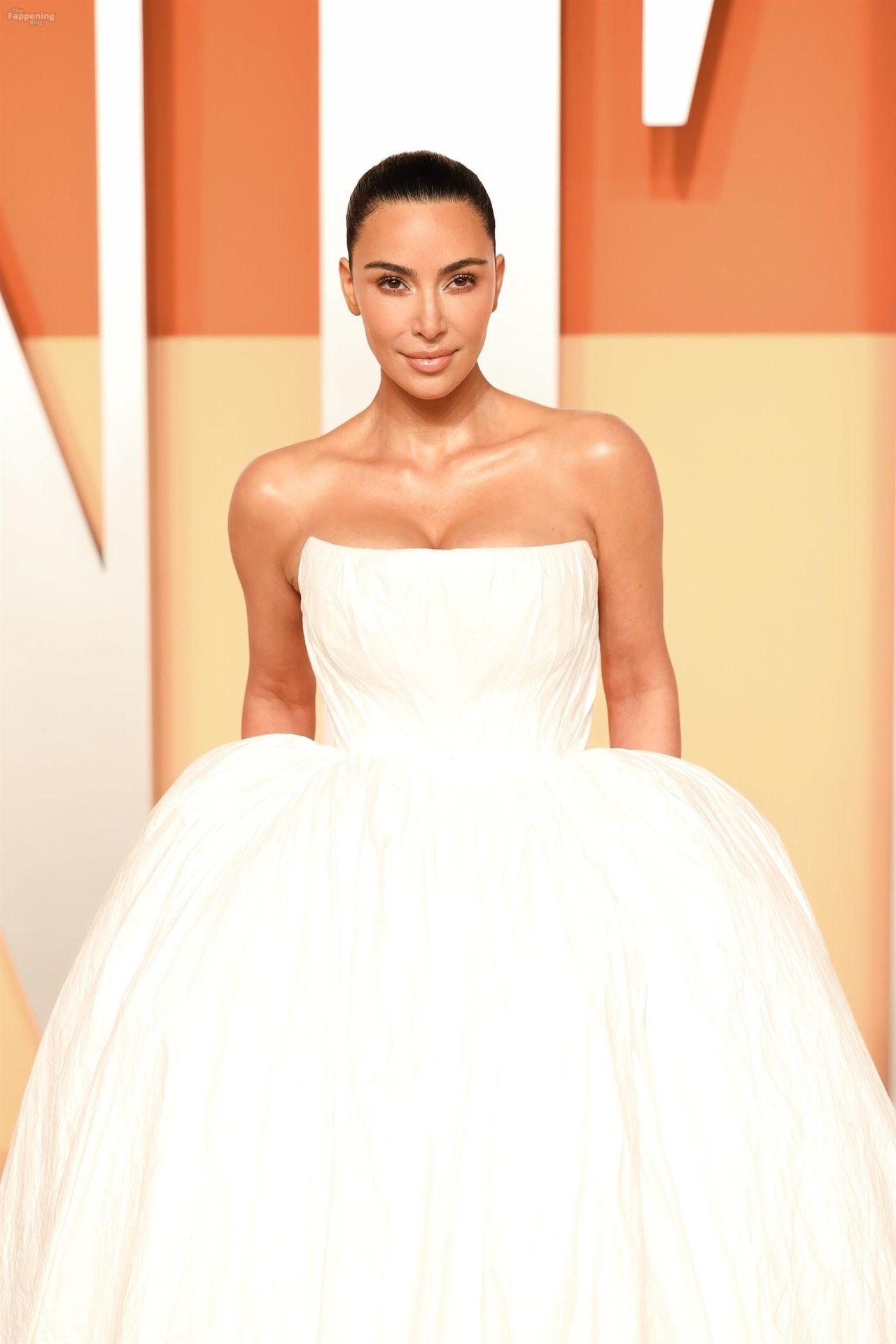
The Kardashian and Jenner sisters are ethnically white, though their specific heritage is a complex blend of Western European and Middle Eastern roots. Kourtney, Kim, and Khloé Kardashian are half-Armenian (through their father) and half-Western European (through their mother), while Kendall and Kylie Jenner are of entirely Western European descent.
The question of whether the Kardashians are "white" has been a subject of public debate for decades. This inquiry often arises not just from a curiosity about their genealogy, but from the family’s significant influence on beauty standards, their relationship with various cultures, and the sociological definitions of race in the United States. To answer this question comprehensively, one must look at the legal, historical, and biological factors that define the family's identity.
The Kardashian Lineage: Armenian Roots and the Caucasus
To understand the Kardashian sisters—Kourtney, Kim, Khloé, and their brother Rob—one must first examine the history of their father, Robert Kardashian Sr. Robert was a third-generation Armenian-American. His great-grandparents were ethnic Armenians who emigrated from the Russian Empire (specifically an area that is now part of Turkey and Armenia) to the United States in the early 20th century.
Armenia is a country located in the South Caucasus region, at the crossroads of Eastern Europe and Western Asia. Geographically and historically, Armenians are considered a Caucasian people—quite literally, as they originate from the Caucasus Mountains. In the context of U.S. racial classification, Armenians have a unique history. In the early 1900s, there were legal challenges regarding whether Armenians should be classified as "white" or "Asiatic."
The landmark case In re Halladjian (1909) settled this in the United States. A federal court ruled that Armenians, being of the "Caucasian race," were white and therefore eligible for naturalized citizenship under the laws of the time. Consequently, from a legal and census standpoint, the Kardashian sisters' Armenian heritage classifies them as white. However, within the Armenian community, there is often a distinction made between being "white" in the Anglo-Saxon sense and being Middle Eastern or West Asian.
The Jenner Lineage: Western European Ancestry
While the Kardashian sisters have a Middle Eastern component to their heritage, the Jenner sisters—Kendall and Kylie—do not. Both the Kardashians and the Jenners share the same mother, Kris Jenner (formerly Kardashian, née Houghton). Kris Jenner’s ancestry is a mix of English, Scottish, Irish, German, and Dutch roots.
Caitlyn Jenner (formerly Bruce Jenner), the father of Kendall and Kylie, also possesses predominantly Western European ancestry, including English, Scottish, Irish, and Welsh lineages. Because both of their parents have roots primarily in the British Isles and Western Europe, Kendall and Kylie Jenner are ethnically white by all standard definitions. They do not share the Armenian heritage that their older half-siblings possess.
Biological vs. Social Construction of Race
When people ask if the Kardashians are white, they are often navigating the tension between biological ancestry and social perception. In the 21st century, race is widely recognized by sociologists as a social construct rather than a purely biological one. This means that how a person is "raced" by society depends on their appearance, cultural affiliations, and the prevailing social norms.
The Kardashian sisters, particularly Kim, have often been described as "ethnically ambiguous." This ambiguity is partly due to their Armenian features—such as darker hair, olive skin, and specific facial structures—and partly due to their aesthetic choices. Over the years, the family has been accused of "blackfishing" or "tan-fishing"—using makeup, tanning, and hairstyles to appear as though they have Black or mixed-race heritage.
These aesthetic choices complicate the public’s perception. While their DNA confirms they are white/Caucasian, their brand often leans into a multicultural aesthetic that has redefined modern beauty standards. This has led to intense academic and social critique regarding cultural appropriation, where members of a dominant racial group (white) adopt the features or styles of marginalized groups.
The U.S. Census and Middle Eastern/North African (MENA) Classification
As of 2026, the discussion around Middle Eastern and North African (MENA) identities in the United States continues to evolve. For decades, the U.S. Census Bureau has categorized individuals with ancestry from the Middle East or North Africa as "White." This includes people of Armenian, Lebanese, Egyptian, and Iranian descent.
However, many people from these backgrounds do not identify with the term "white," feeling that it does not accurately reflect their lived experiences, cultural heritage, or the discrimination they may face. The Kardashian family occupies a prominent place in this conversation. Because they are the most visible people of Armenian descent in the world, their "whiteness" is often scrutinized.
To some, they are white women who benefit from white privilege; to others, they represent a distinct Middle Eastern identity that is often erased by the broad "white" census category.
Comparing the Heritage of the Kardashian-Jenner Family
To clarify the ancestral differences within the family, the following table breaks down the ethnic background of the primary family members.
| Family Member | Paternal Heritage | Maternal Heritage | Primary Ethnic Classification |
|---|---|---|---|
| Kourtney Kardashian | Armenian | English, Scottish, Irish, German, Dutch | White (Armenian/Western European) |
| Kim Kardashian | Armenian | English, Scottish, Irish, German, Dutch | White (Armenian/Western European) |
| Khloé Kardashian | Armenian | English, Scottish, Irish, German, Dutch | White (Armenian/Western European) |
| Rob Kardashian | Armenian | English, Scottish, Irish, German, Dutch | White (Armenian/Western European) |
| Kendall Jenner | English, Scottish, Irish, German, Welsh | English, Scottish, Irish, German, Dutch | White (Western European) |
| Kylie Jenner | English, Scottish, Irish, German, Welsh | English, Scottish, Irish, German, Dutch | White (Western European) |
| Kris Jenner | English, Scottish, Irish, Dutch | (Not Applicable) | White (Western European) |
| Caitlyn Jenner | English, Scottish, Irish, Welsh | (Not Applicable) | White (Western European) |
The Role of the Armenian Diaspora
The Kardashian sisters have frequently used their platform to bring awareness to Armenian history, most notably the Armenian Genocide of 1915. Their involvement in these issues highlights that they identify strongly with their Armenian ethnicity. In the Armenian diaspora, identity is often tied to the preservation of culture, language, and the acknowledgment of historical trauma.
In 2019, Kim and Kourtney Kardashian traveled to Armenia to baptize their children and meet with government officials. This public embrace of their roots confirms that while they are "white" in the eyes of the law and general racial categorization, they view themselves as part of a distinct ethnic minority within the broader white population. Their father, Robert Kardashian Sr., was deeply involved in the Armenian community in Los Angeles, which is home to one of the largest Armenian populations outside of Armenia itself.
Aesthetic Influences and the "Exoticization" of the Kardashians
A significant reason the question "are the Kardashians white" persists is the way the media and the family themselves "exoticize" their appearance. In the early 2000s, when Keeping Up with the Kardashians first aired, Kim Kardashian was often framed as a "curvy" alternative to the then-dominant "heroin chic" and "California blonde" beauty standards.
Because their look differed from the Anglo-American ideal, they were often labeled with terms like "exotic." This term is frequently used for people who are perceived as non-white or "other." By leaning into this image through heavy bronzer, lip fillers, and fashion choices associated with Black and Latina cultures, the Kardashians created a version of whiteness that is intentionally blurred.
Critics argue that this allows them to profit from the "cool factor" of being non-white while still retaining the systemic advantages of being white. This phenomenon is a key part of why their racial identity remains a point of contention in popular culture.
Common Misconceptions About Their Background
There are several common misconceptions that contribute to the confusion regarding the family’s race:
- The "Middle Eastern equals non-white" myth: Many people assume that anyone with roots in the Middle East or West Asia is a person of color. While many people from these regions identify as such, the U.S. legal system and historical racial science have long classified these groups as Caucasian.
- Khloé Kardashian’s paternity rumors: For years, tabloid rumors suggested that Khloé might have a different father than her siblings. However, DNA tests shared on their reality show and public statements from the family have consistently refuted this, maintaining that she is the biological daughter of Robert Kardashian Sr.
- Confusion between the Kardashians and Jenners: Because they are often grouped together as one unit, many assume Kendall and Kylie Jenner also have Armenian heritage. As noted, they do not; their heritage is entirely Western European.
FAQs
Are Armenians considered People of Color (POC)?
The classification of Armenians is a matter of ongoing debate. While the U.S. Census and legal precedents categorize Armenians as white, many Armenians identify as Middle Eastern or West Asian and may feel that the "white" label does not represent their cultural or historical experience. In a social context, some may consider themselves POC, while others do not.
Is Kris Jenner white?
Yes. Kris Jenner’s ancestry is entirely Western European, including English, Scottish, Irish, German, and Dutch roots. She does not have any known Middle Eastern or non-white ancestry.
Why do the Kardashians look different from typical white celebrities?
The Kardashian sisters (Kourtney, Kim, and Khloé) have Armenian heritage, which often includes features like darker hair, olive skin tones, and distinct facial structures. Additionally, the family is known for extensive use of tanning, makeup techniques (like contouring), and cosmetic procedures that enhance certain features, contributing to a more "ethnically ambiguous" appearance.
What is the exact heritage of the Kardashian sisters?
They are 50% Armenian (paternal) and approximately 50% a mix of English, Scottish, Irish, German, and Dutch (maternal).
Do Kendall and Kylie Jenner have any Armenian blood?
No. Kendall and Kylie Jenner are the biological daughters of Kris Jenner and Caitlyn Jenner. Since neither parent has Armenian ancestry, the Jenner sisters are of Western European descent.
Practical Summary of Identity
When navigating the question of the Kardashian-Jenner race, it is helpful to distinguish between race (the broad social category), ethnicity (the specific cultural/ancestral group), and aesthetic (the chosen visual presentation).
- Race: Under current U.S. standards and historical legal rulings, the entire family is white.
- Ethnicity: The Kardashians are Armenian-Western European; the Jenners are Western European.
- Aesthetic: The family often adopts a "multicultural" or "ambiguous" look that transcends traditional Western European beauty standards.
For those researching or discussing this topic, the most accurate way to describe the Kardashians is as white women of Armenian and Western European descent. Recognizing their Armenian heritage is essential for understanding their family history and public identity, while acknowledging their Western European roots provides a complete picture of their ancestry. As the family continues to influence global culture through 2026 and beyond, their identity remains a primary example of how race and ethnicity are perceived in the modern age.