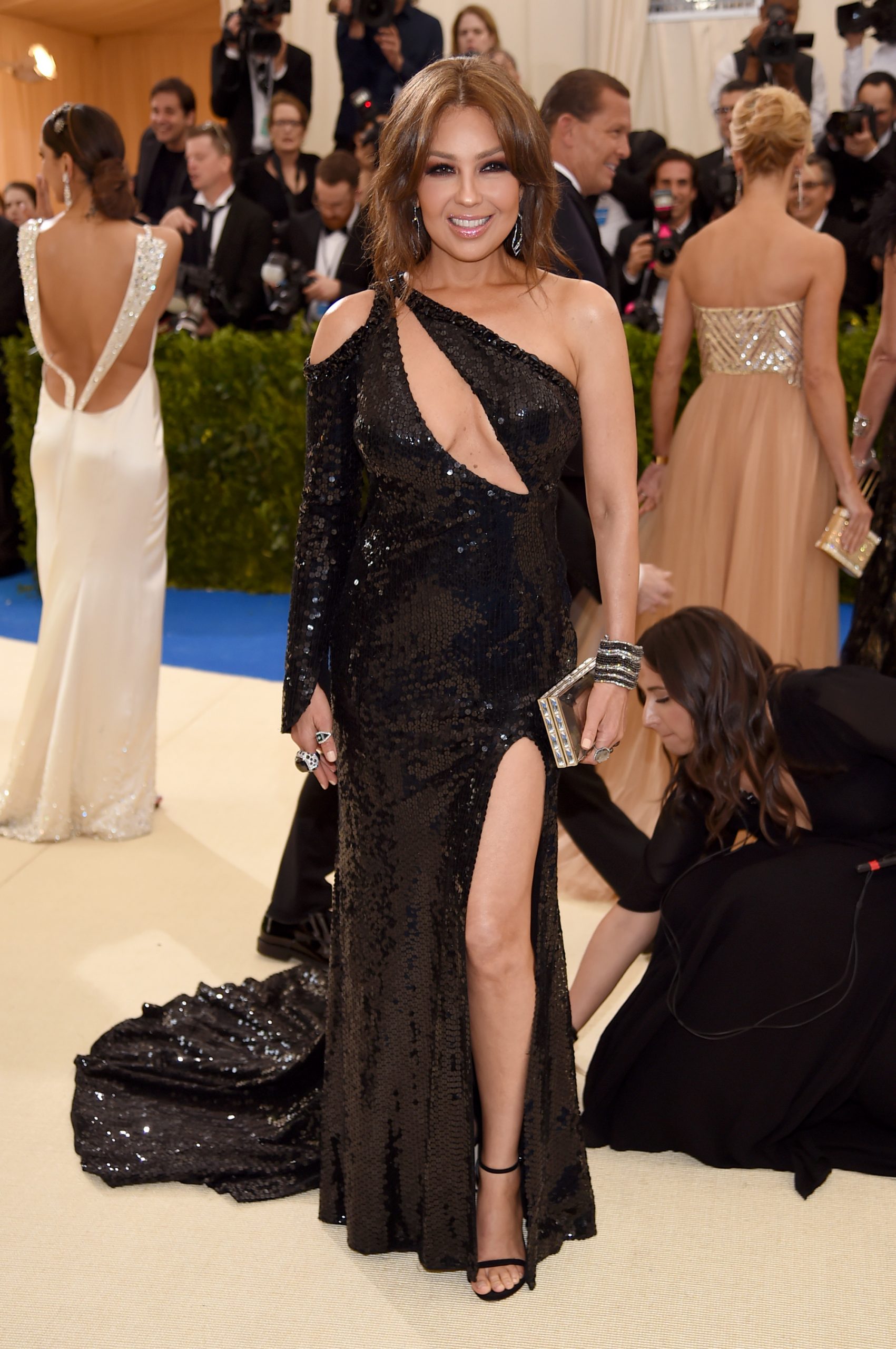
Ariadna Thalía Sodi Miranda—widely known simply as Thalía—has accumulated an estimated net worth of 50 million dollars through a multi-decade career spanning music, acting, entrepreneurship, and fashion. This substantial financial standing reflects her status as one of the most commercially successful Mexican artists in history, whose influence extends far beyond the traditional boundaries of Latin entertainment.
Evaluating the financial footprint of a multifaceted celebrity requires looking beyond headline figures to examine the specific revenue streams, business ventures, and international assets that contribute to their overall capital. For Thalía, this wealth is the product of pioneering telenovela exports, multi-platinum album sales, savvy brand licensing partnerships, and a resilient, self-managed business ecosystem.
Foundations of Fame and Early Career Earnings
To understand how Thalía built her financial portfolio, it is essential to trace her trajectory from a young performer in Mexico City to a global multimedia powerhouse. Born Ariadna Thalía Sodi Miranda in 1971, she entered the entertainment industry at an early age, first gaining prominence as a member of the successful children's pop group Din-Din and subsequently joining the legendary Mexican pop band Timbiriche in 1986.
The Timbiriche Era and Solo Transition
During her tenure with Timbiriche, Thalía recorded multiple albums and toured extensively across Latin America. While compensation structures for youth acts in the 1980s were vastly different from modern streaming royalties, this period established her brand equity, vocal recognition, and early stage experience.
In 1990, she relocated briefly to Los Angeles to study English, music, and acting before releasing her self-titled debut solo album, Thalía, in 1990. Produced by Alfredo Díaz Ordaz and released under Fonovisa, the album established her as a viable solo artist. Subsequent releases—such as Mundo de Cristal (1991) and Love (1992)—further solidified her commercial presence in the Mexican market and set the stage for her international crossover.
The Televisa Telenovela Phenomenon
While her music career was gaining momentum, Thalía achieved unprecedented global visibility through her starring roles in Mexican soap operas, colloquially known as telenovelas. Her work with Televisa culminated in the famous "Trilogía de las Marías":
- María Mercedes (1992)
- Marimar (1994)
- María la del Barrio (1995)
These productions were exported to over 180 countries, dubbed into multiple languages, and viewed by hundreds of millions of people worldwide, particularly in Eastern Europe, Asia, and the Middle East. While standard telenovela actor contracts at the time rarely offered backend syndication royalties comparable to modern American television, the global exposure directly translated into massive record sales, lucrative endorsement deals, and high-earning live performance contracts across international markets where the shows dominated television ratings.
Musical Empire and Catalog Valuation
Music remains a cornerstone of Thalía's professional output and financial valuation. Over a career spanning more than thirty years, she has sold over 25 million records worldwide, making her one of the best-selling Latin music artists of all time.
Album Sales and Streaming Economics
Her transition through various eras of the music industry—from compact discs and physical cassettes to digital downloads and streaming platforms—has provided diversified revenue streams. Albums like En éxtasis (1995), which featured the international hit "Pienso en Ti" and "Amor a la Mexicana," and Arrasando (2000), which earned Latin Grammy nominations, established her catalog value.
In the modern era, streaming royalties from platforms like Spotify and Apple Music provide a steady, recurring passive income stream. Hits such as "No Me Me Acuerdo" (featuring Natti Natasha) have accumulated billions of streams, generating substantial licensing revenue. Furthermore, like many legacy artists, Thalía maintains ownership or lucrative distribution stakes in significant portions of her master recordings and publishing rights, which command high valuations in the contemporary catalog acquisition market.
Entrepreneurship, Fashion, and Brand Licensing
Beyond performing, a significant driver of Thalía's 50 million dollar net worth is her aggressive and successful foray into business, retail, and lifestyle branding. Rather than relying solely on entertainment wages, she has leveraged her name and aesthetic into scalable commercial products.
The Thalía Sodi Collection at Macy's
One of her most financially impactful business ventures was the launch of the Thalía Sodi clothing and lifestyle collection, introduced exclusively at Macy's department stores in spring 2015. Designed to cater to modern Latinas and women seeking vibrant, versatile fashion, the brand expanded rapidly from apparel into shoes, jewelry, and home goods.
Retail partnerships of this magnitude typically involve substantial upfront licensing fees, design retainers, and percentage-based royalties on gross sales. The line became one of Macy's most successful celebrity collaborations, remaining a staple in stores for years and contributing millions to her annual earnings.
Additional Ventures and Endorsements
- Eyewear and Accessories: Global licensing deals for sunglasses, watches, and handbags distributed in international markets.
- Haircare and Beauty: Collaborations with major cosmetic and hair product brands, capitalizing on her signature aesthetic.
- Publishing: Authored several lifestyle, beauty, and memoir books, including Thalía: ¡Radiante! and Growing Stronger, which achieved bestseller status.
Real Estate Portfolio and Major Assets
Real estate holdings form a secure foundation for much of Thalía's documented wealth. Alongside her husband, the prominent music executive and former Sony Music Latin president Tommy Mottola, she maintains a portfolio of high-value residential properties in the United States.
Greenwich Estate and Florida Properties
The couple's primary residence for many years was a sprawling, custom-designed estate in Greenwich, Connecticut. The property featured extensive grounds, recording facilities, and security infrastructure tailored to high-profile entertainment executives. Additionally, they have bought and sold luxury properties in prime areas of New York City and Florida, reflecting prudent asset diversification into physical real estate markets known for long-term appreciation.
Financial Overview of Thalía’s Career Segments
The following breakdown illustrates the primary sectors driving Thalía's estimated net worth, detailing the revenue mechanisms and market impact associated with each category.
| Career Sector | Primary Revenue Mechanisms | Market Impact & Reach |
|---|---|---|
| Music & Publishing | Album sales, streaming royalties, publishing rights, live touring. | 25+ million records sold globally; billions of streams across platforms. |
| Acting & Television | Acting salaries, international broadcast syndication, global brand exposure. | Star of the "Trilogía de las Marías," broadcast in 180+ countries. |
| Retail & Licensing | Royalties from clothing, shoes, and home goods collections (e.g., Macy's). | Multi-year retail partnership yielding significant percentage-based revenue. |
| Real Estate | Property acquisitions, luxury residential holdings in NY, CT, and FL. | Long-term capital appreciation and asset security. |
Comparative Wealth in the Latin Music Industry
Ariadna Thalía Sodi Miranda’s estimated net worth of 50 million dollars places her firmly among the most financially successful female artists originating from Latin America. When analyzing this figure within the broader context of the Latin entertainment industry, several factors emerge:
- Pioneering Crossover: Thalía achieved her peak commercial dominance during the 1990s and early 2000s, an era before the global streaming boom flattened geographic barriers for Spanish-language music. Her ability to monetize physical record sales and international television broadcasts predated the modern era of globalized Latin pop dominance led by artists like Bad Bunny or Rosalía.
- Strategic Marital Partnership: Her marriage in 2000 to Tommy Mottola—who guided the careers of Mariah Carey, Céline Dion, and Jennifer Lopez during his tenure at Sony Music—aligned her personal assets with one of the most influential executive networks in the global music industry, facilitating high-level business negotiations and investment opportunities.
Frequently Asked Questions
What are the main sources of Thalía's wealth?
Thalía's wealth is derived primarily from her multi-platinum music career, global television acting contracts (particularly international telenovela broadcasts), extensive retail and fashion licensing partnerships—most notably her collection with Macy's—and strategic real estate investments alongside her husband, Tommy Mottola.
How much is Thalía's net worth estimated to be?
Financial industry estimates consistently place Thalía's net worth around 50 million dollars. This figure accounts for decades of accumulated earnings from music royalties, brand endorsements, business ventures, and physical asset holdings.
Did Thalía's telenovelas contribute significantly to her fortune?
Yes. While upfront acting salaries for 1990s Mexican television were modest compared to Hollywood standards, starring in globally exported shows like Marimar and María la del Barrio gave her unprecedented international fame. This fame directly catalyzed her multi-platinum record sales, lucrative international tour ticket prices, and high-end brand endorsements.
Is Thalía still active in music and business?
Thalía remains highly active in the entertainment industry. She continues to release new music, collaborate with contemporary Latin artists, manage her digital lifestyle brands, and engage with millions of followers across social media platforms, ensuring a continuous stream of active commercial revenue.
Next Steps and Actionable Insights
For enthusiasts and industry analysts studying the business models of legacy artists, Thalía's career offers a clear masterclass in diversification. Transitioning from performance-dependent wages to passive income streams—such as retail licensing agreements and publishing rights management—is the definitive method by which high-profile entertainers preserve and multiply capital over a multi-decade timeline. Observers looking to understand modern Latin entertainment economics should examine how contemporary artists adapt these exact brand-building and international distribution strategies in the digital age.