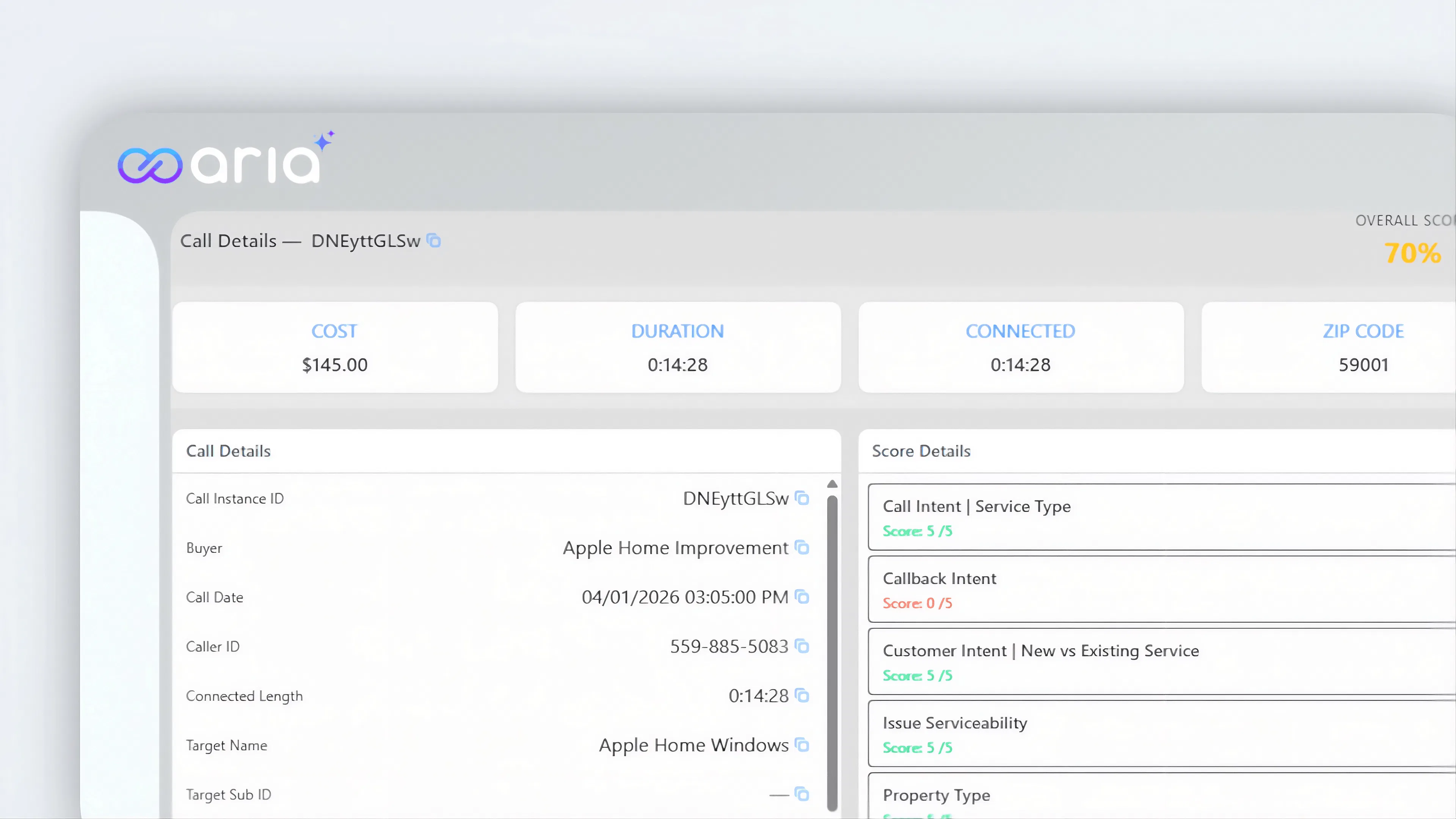
Aria Systems provides a cloud-based monetization and recurring billing platform designed for large enterprises managing complex subscription models, high-volume transactions, and dynamic pricing strategies. Evaluations from enterprise clients highlight its robust capabilities in handling intricate product catalogs and automated financial workflows, while noting that its extensive customization options require significant implementation time and technical resources.
Introduction to Aria Systems and Enterprise Monetization
As business models shift increasingly toward subscription, usage-based, and hybrid monetization frameworks, traditional billing systems often fail to keep pace. Enterprises require platforms that can scale globally, adapt rapidly to changing market conditions, and integrate seamlessly with existing enterprise resource planning (ERP) and customer relationship management (CRM) infrastructure. Aria Systems enters this landscape as a dedicated enterprise-grade platform built specifically to address these challenges.
Aria Systems reviews typically focus on how the platform manages recurring revenue streams for large corporations across telecommunications, media, software-as-a-service (SaaS), and digital publishing. Unlike basic billing tools suited for small-to-medium businesses, Aria targets organizations with millions of subscribers, complex tiered pricing structures, and stringent compliance requirements. Understanding what these reviews reveal requires examining the platform’s core architecture, feature set, deployment dynamics, and overall value proposition for enterprise decision-makers.
Core Features and Technical Capabilities
When evaluating Aria Systems, IT and finance leaders look closely at the platform's architectural foundation and functional modules. The platform is designed to decouple billing logic from core product code, allowing product managers to introduce new offerings without engineering overhauls.
Agile Product Catalog and Pricing Engine
The backbone of any monetization platform is its product catalog. Aria provides a centralized catalog management system that supports diverse pricing strategies, including:
- Recurring flat-rate subscriptions: Standard monthly or annual billing models.
- Usage-based and consumption models: Pricing tied directly to metered data, API calls, or physical usage metrics.
- Hybrid models: Combinations of recurring fees, one-time setup charges, and tiered consumption tiers.
- Promotional pricing and discounting: Complex discount rules, coupon codes, and introductory trial periods.
Reviews consistently note that this flexibility enables enterprises to experiment with new monetization strategies quickly, reducing time-to-market for new service bundles.
Automated Billing and Invoicing Lifecycles
Managing the billing lifecycle across millions of accounts requires robust automation. Aria automates the entire process from invoice generation to payment collection and reconciliation. The system supports multi-currency invoicing, localized tax calculations, and dynamic payment retry logic (dunning management) to recover failed transactions. For enterprises operating internationally, the platform handles regional compliance, localized invoicing formats, and cross-border financial reporting.
Revenue Recognition and Compliance
Financial reporting standards such as ASC 606 and IFRS 15 require strict adherence to how revenue is recognized over the lifespan of a contract. Aria includes built-in revenue recognition modules that automate the allocation of transaction prices across performance obligations. This automation reduces manual spreadsheet tracking and minimizes audit risks for publicly traded enterprises.
Implementation and Integration Dynamics
Enterprise software implementations are rarely trivial, and feedback regarding Aria Systems deployment highlights both the platform's power and the complexity of integrating it into legacy IT environments.
Integration Ecosystem
An enterprise billing platform must act as the financial clearinghouse across the technology stack, communicating with CRM platforms like Salesforce, ERP systems like SAP or Oracle, and various payment gateways. Aria provides a robust set of RESTful APIs and pre-built connectors to facilitate these data exchanges. Reviews indicate that while the integration capabilities are comprehensive, successfully connecting the platform requires specialized technical expertise and careful architecture planning.
Deployment Timeline and Professional Services
Because Aria is highly configurable, implementation projects typically span several months. Organizations frequently rely on Aria’s professional services team or certified third-party system integrators. User feedback suggests that organizations with clear internal requirements and dedicated project management experience smoother deployments, whereas those with ambiguous billing rules often encounter scope creep and extended timelines.
Comparative Overview: Aria Systems vs. Alternative Platforms
To understand where Aria Systems fits in the broader market, it helps to compare its positioning against other enterprise billing and monetization solutions. The following table outlines key differences across primary evaluation criteria.
| Feature / Criteria | Aria Systems | Zuora Billing | Chargebee Enterprise |
|---|---|---|---|
| Target Market | Large Enterprise | Enterprise & Mid-Market | Mid-Market & Enterprise |
| Primary Strength | Complex usage-based & hybrid catalog flexibility | Broad ecosystem and subscription community | Rapid time-to-value and ease of use |
| Customization | Highly extensible, deep configuration options | Extensive configuration with modular apps | Configurable workflows with standard modules |
| Implementation Complexity | High (months of planning and integration) | Moderate to High | Moderate (faster initial deployment) |
| Revenue Recognition | Advanced built-in compliance modules | Advanced financial modules | Standard to advanced reporting options |
Advantages and Strengths Reported by Users
Enterprise reviews of Aria Systems frequently emphasize several distinct advantages that justify the investment for large-scale operations.
Scalability and Performance
For businesses processing millions of high-frequency transactions, system stability is paramount. Aria’s cloud architecture is built to handle massive data volumes without performance degradation during peak billing cycles. This reliability prevents revenue leakage and ensures uninterrupted service delivery for end-users.
Reduction in Revenue Leakage
Manual billing processes or rigid legacy systems often result in missed renewals, uncollected usage fees, and billing errors. Aria’s automated dunning management and precise usage tracking significantly reduce involuntary churn and revenue leakage, leading to measurable improvements in bottom-line cash flow.
Adaptability to Market Changes
Enterprise business models evolve rapidly. Whether shifting from a perpetual license model to a consumption-based cloud service, or introducing complex partner-reseller revenue sharing, Aria's flexible catalog architecture accommodates these pivots without requiring core application rewrites.
Limitations, Challenges, and Common Complaints
No enterprise software platform is without drawbacks. Independent analyses and user reviews also highlight notable challenges associated with Aria Systems.
Steep Learning Curve and Usability
The depth of configuration options means that the user interface can be complex for everyday business users. Day-to-day administrative tasks, such as creating specialized promotional campaigns or adjusting localized tax rules, often require specialized training or administrator-level permissions.
High Total Cost of Ownership
Due to the enterprise-grade nature of the software, professional services required for implementation, and ongoing integration maintenance, Aria represents a significant financial investment. Smaller enterprises or companies with straightforward, static subscription models often find the platform over-engineered and cost-prohibitive.
Documentation and Support Complexities
While enterprise support agreements are in place, some user feedback indicates that navigating technical documentation and resolving highly specific edge-case integration issues can occasionally require extensive engagement with support engineering teams.
Suitability: Is Aria Systems Right for Your Enterprise?
Determining whether Aria Systems is the correct fit depends on an organization's specific operational footprint, technical maturity, and financial complexity.
Organizations that benefit most from Aria typically exhibit the following characteristics:
- A subscriber base exceeding hundreds of thousands or millions of active accounts.
- Complex, multi-dimensional pricing models involving usage tracking, consumption tiers, and frequent product bundling.
- Global operations requiring multi-currency handling, international tax compliance, and rigorous revenue recognition standards.
- Existing enterprise infrastructure (CRM, ERP, multiple payment gateways) that requires a centralized financial clearinghouse.
Conversely, companies with straightforward SaaS subscription models, smaller customer volumes, or limited IT integration resources may find better alignment with more agile, rapid-deployment alternatives.
Frequently Asked Questions
What types of businesses benefit most from Aria Systems?
Aria Systems is built primarily for large enterprises in telecommunications, digital media, high-tech SaaS, and enterprise software. These organizations typically manage millions of subscribers, complex tiered pricing models, and demanding global regulatory and tax environments.
How long does it take to implement Aria Systems?
Implementation timelines vary based on the complexity of the existing product catalog and legacy IT integrations. Most enterprise deployments range from several months to over a year, requiring careful project management and collaboration with implementation partners or Aria’s professional services team.
Does Aria Systems support usage-based and consumption billing?
Yes. The platform features an agile pricing engine designed to handle pure consumption models, flat-rate recurring subscriptions, and hybrid billing structures that combine fixed fees with metered usage metrics.
How does Aria handle revenue recognition compliance?
Aria includes built-in revenue recognition modules designed to assist organizations in complying with complex financial standards such as ASC 606 and IFRS 15. The platform automates the allocation of transaction prices across various performance obligations to streamline financial auditing.
What are the main drawbacks noted in Aria Systems reviews?
Common criticisms include a steep learning curve for administrative users, a high total cost of ownership, and the requirement for significant technical resources and time during the initial implementation phase.
Conclusion and Next Actions
Aria Systems stands out as a powerful, highly scalable monetization and recurring billing platform tailored for large enterprises navigating complex subscription and usage-based models. While its deployment demands substantial financial and technical commitment, its ability to automate intricate financial lifecycles, eliminate revenue leakage, and adapt to shifting market strategies provides significant value for qualifying organizations. Enterprise leaders considering the platform should conduct a comprehensive internal audit of their product catalog requirements, legacy system integrations, and long-term monetization goals before initiating procurement discussions.