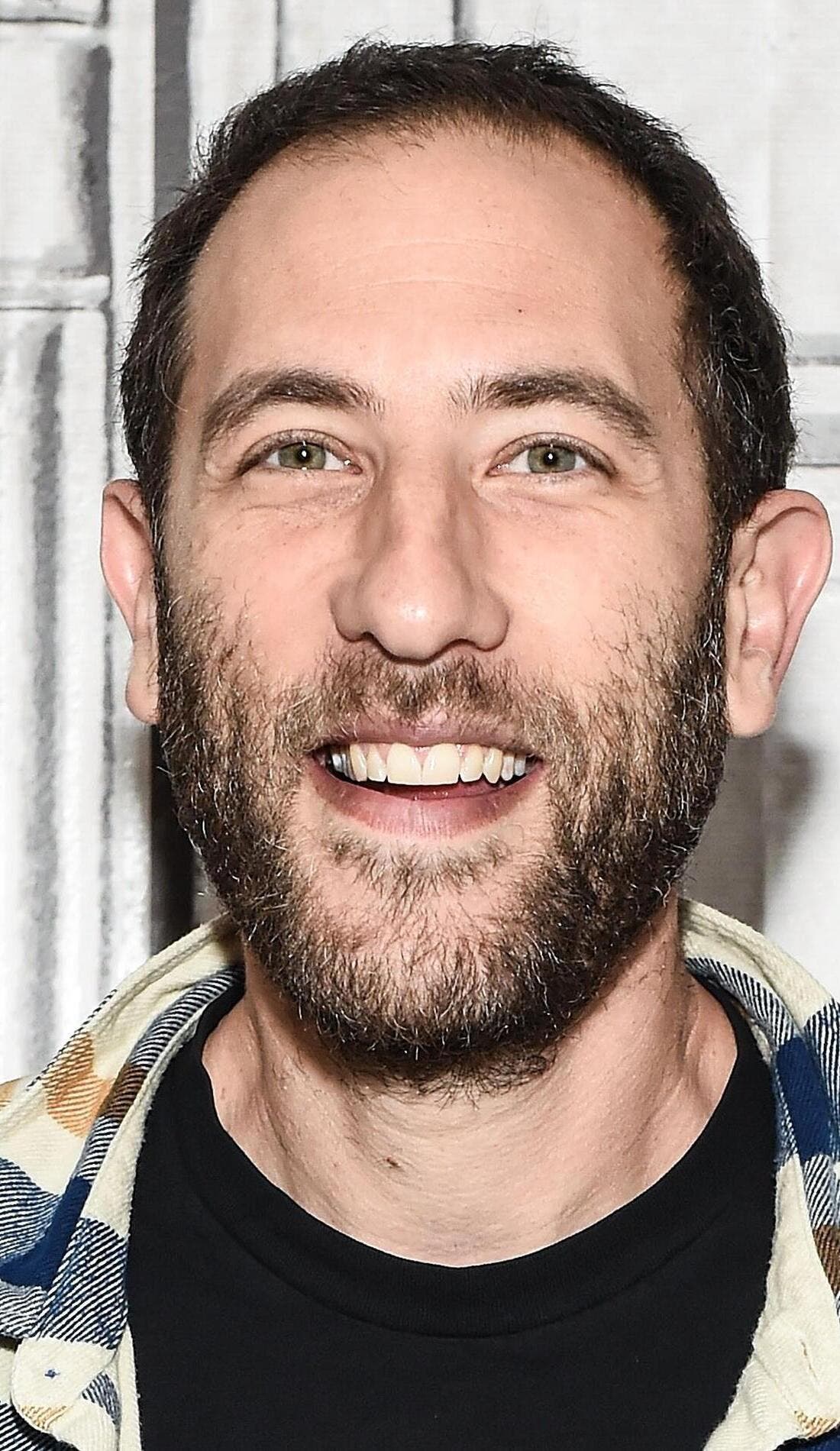
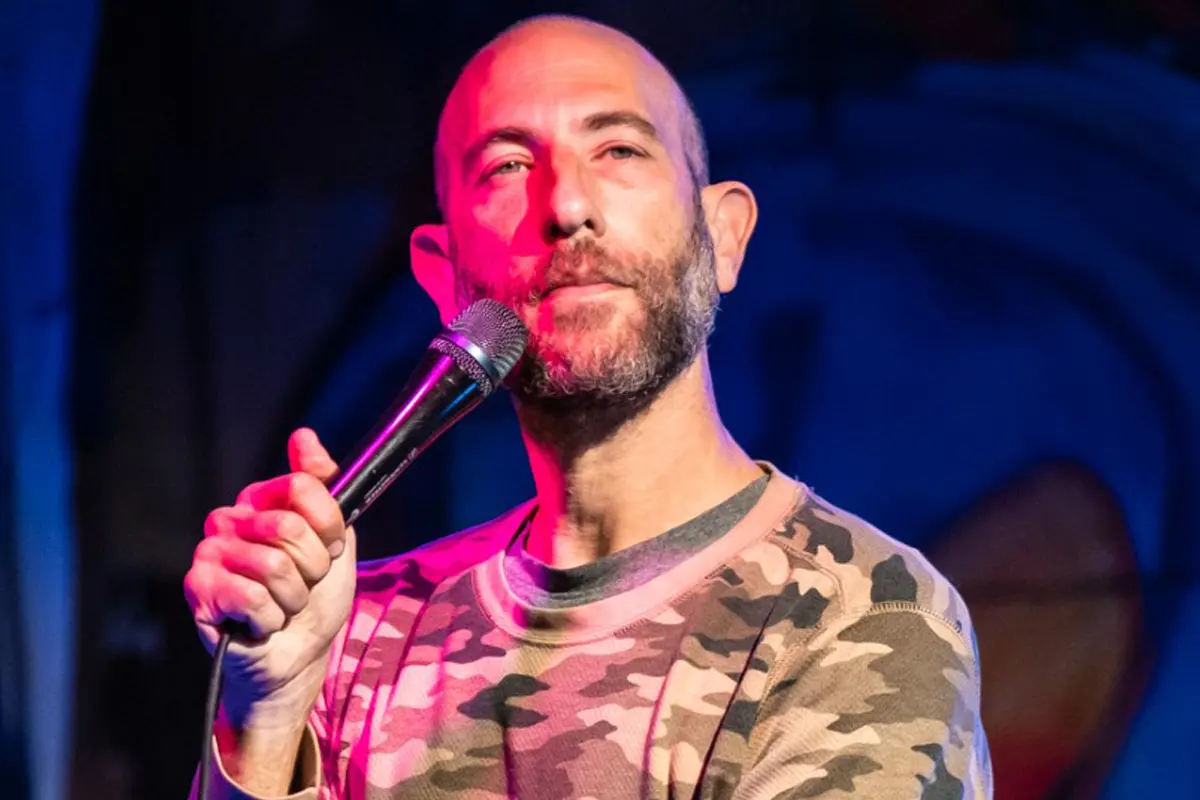
Evaluating Ari Shaffir's net worth in 2018 requires examining the financial realities of independent stand-up comedians during a period of transition in the entertainment industry. Around 2018, Shaffir's wealth—estimated between $1 million and $3 million—stemmed primarily from touring revenue, his Comedy Central series This Is Not Happening, podcast advertising contracts, and a special release, reflecting a successful mid-tier career built on alternative comedy circuits.
The Economic Model of Stand-Up Comedy in 2018
To understand how an independent comic like Ari Shaffir accumulated wealth by 2018, one must examine the fundamental revenue streams of the comedy industry during that decade. Unlike mainstream blockbuster actors or top-tier arena headliners who command multi-million-dollar guarantees for a single Netflix special, working-class and alternative comedians relied on a decentralized portfolio of income.
In 2018, the digital streaming landscape was shifting rapidly. Netflix, Comedy Central, and HBO were aggressively buying stand-up specials, but compensation varied wildly depending on the comedian's leverage, ownership stakes, and existing audience size. For Shaffir, income was generated through a combination of live club dates, theater tours, television production, merchandise sales, and digital audio advertising.
Financial stability in this tier of comedy is rarely derived from a single massive payday. Instead, it is built through continuous touring, high-volume performance schedules, and diversified media projects. Independent comedians often operate as small business owners, managing overhead costs associated with travel, crew, marketing, and production while absorbing the financial risks of self-produced content.
Major Revenue Streams for Ari Shaffir in 2018
An analysis of Shaffir's financial standing in 2018 highlights several core pillars of income that sustained his career and contributed to his estimated net worth.
1. Live Touring and Ticket Sales
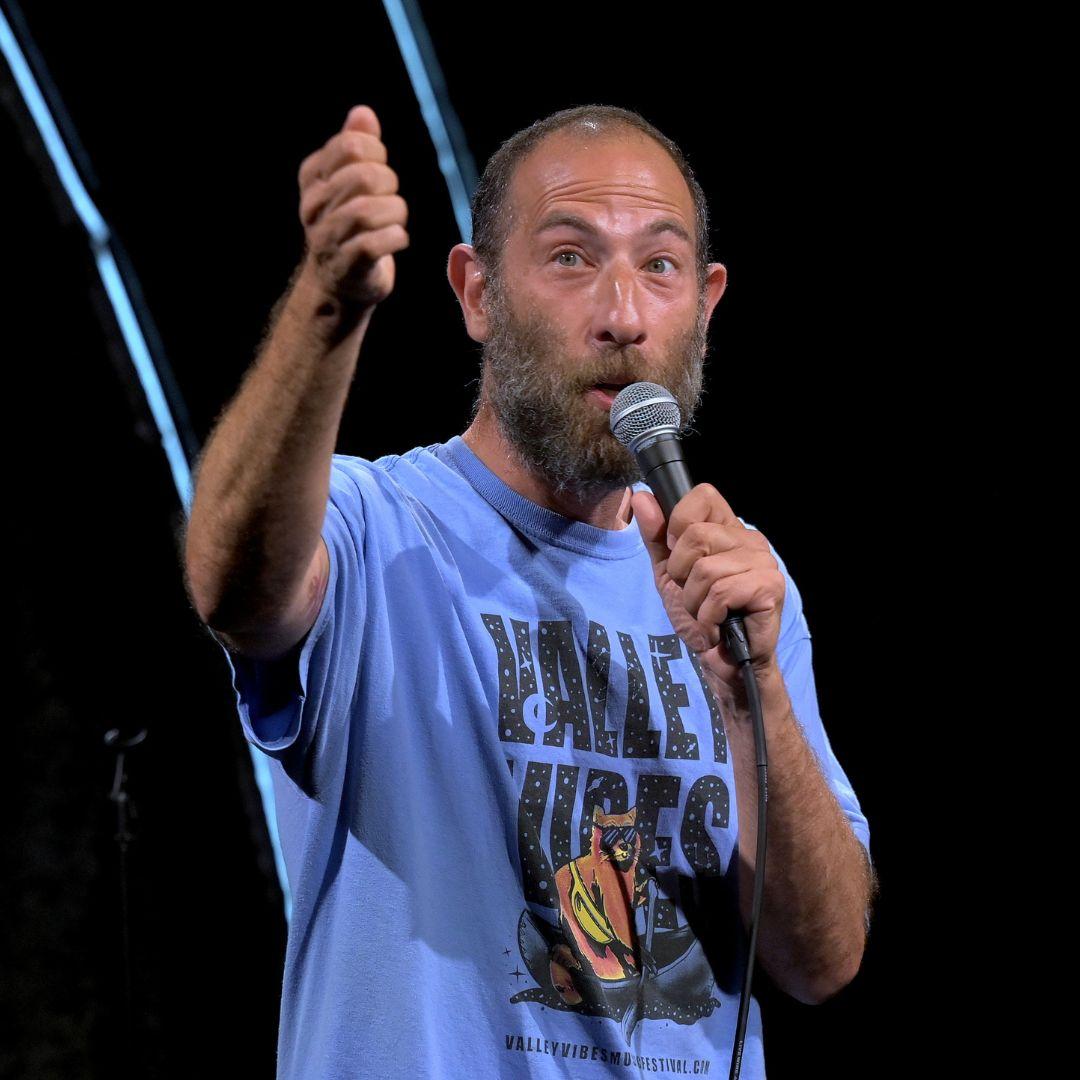
Live performance has historically formed the bedrock of a stand-up comedian's earnings. By 2018, Shaffir had established a dedicated national and international following, allowing him to headline prominent comedy clubs across the United States and book mid-sized theater venues.
During this era, club performances operated on ticket splits or guaranteed nightly fees, supplemented by merchandise sales (t-shirts, hats, and physical media). Theater tours provided higher gross revenues, though ticket sales were offset by venue rentals, booking agent commissions, management fees, and travel expenses for road managers and opening acts.
2. Television and Hosting: This Is Not Happening
One of Shaffir's most significant professional milestones was the creation and hosting of This Is Not Happening, a storytelling series on Comedy Central. The show originated as a popular web series on YouTube before transitioning into a television format.
As the creator, host, and executive producer during its initial seasons, Shaffir earned production fees and backend compensation. While cable television budgets in the mid-2010s were generally modest compared to modern streaming giants, the platform elevated his profile, directly boosting his ticket sales, social media reach, and podcast listener numbers.
3. Podcasting and Digital Advertising
Long-form audio podcasting became a dominant economic force for comedians in the 2010s. Shaffir launched his podcast, skeptic Tank, in 2010, and by 2018 it enjoyed a loyal, highly engaged subscriber base. He was also a frequent contributor to the broader comedy podcast ecosystem, including frequent appearances on The Joe Rogan Experience.
In 2018, podcast monetization relied heavily on host-read dynamic ad insertion and sponsorship deals. While ad rates per thousand downloads (CPM) were lower than they became in subsequent years, a top-tier independent comedy podcast could generate substantial auxiliary revenue to cover production costs and provide a steady monthly profit margin.
4. Comedy Specials and Album Releases
Special releases serve as both promotional tools and direct monetization assets. Prior to 2018, Shaffir released several acclaimed specials and albums, including Passive Aggressive (2013) and his two-part Netflix special Double Negative (2017).
While the exact financial terms of comedy specials vary under non-disclosure agreements, streaming platforms typically pay a flat buyout fee for exclusive distribution rights over a set period. These licensing agreements provide a notable influx of capital, which comedians often reinvest into future tours and independent projects.
| Revenue Stream | Primary Economic Role | Estimated Impact in 2018 |
|---|---|---|
| Live Touring | Consistent cash flow from clubs and theaters | High (Core operational income) |
| Television/Media | Production fees and brand elevation via Comedy Central | Moderate-High (Industry visibility) |
| Podcasting | Sponsorships and direct audience conversion | Moderate (Steady auxiliary income) |
| Specials/Albums | Licensing fees and intellectual property rights | High (Episodic capital injections) |
Factors Influencing Comedic Net Worth Estimations
Publicly available net worth figures for independent entertainers are frequently speculative. Financial databases and celebrity wealth trackers often rely on generalized assumptions rather than audited financial statements, tax returns, or corporate disclosures.
When evaluating an artist's net worth, several invisible financial variables must be considered:
- Overhead and Business Expenses: Comedians operating at a national level incur substantial operational costs, including tour management, travel, public relations, legal representation, and agent commissions.
- Asset Ownership: Retaining intellectual property rights to self-produced specials, merchandise, and podcast archives can significantly increase long-term net worth compared to work-for-hire arrangements.
- Real Estate and Investments: Personal real estate holdings—particularly in high-cost housing markets like Los Angeles or New York—alongside private investments, heavily influence true net worth calculations.
Comparison: Mid-Tier Independent Comedians vs. A-List Streamers
To contextualize Shaffir's financial status in 2018, it is helpful to contrast the economic realities of mid-tier touring comedians with top-tier arena headliners during the same period.
- Mid-Tier Independent Comedians (e.g., club/theater headliners): Earn primarily through continuous touring, theater runs, self-distributed or basic cable specials, and podcast ads. Estimated net worths typically range from $1 million to $5 million, subject to touring intensity and lifestyle overhead.
- A-List Streaming Headliners (e.g., arena/stadium acts): Secure multi-million-dollar global licensing deals with major streaming services like Netflix, sell out major sports arenas, and command premium merchandising revenue. Net worths for this tier often exceed $20 million to $50 million or more.
Common Misconceptions Regarding Comedian Wealth
Audiences often overestimate the financial returns of television appearances and comedy albums. In the traditional television model of the 2010s, cable networks retained ownership of underlying intellectual property, meaning creators like Shaffir did not automatically secure vast residual payments from syndication in the same way sitcom actors did in previous decades. Furthermore, the costs associated with producing independent projects often reduce immediate net profits, emphasizing that gross revenue does not equate to net worth.
Frequently Asked Questions
What was Ari Shaffir's primary source of income in 2018?
In 2018, Shaffir's primary income came from live stand-up comedy tours, ticket sales, merchandise, and digital advertising revenue generated by his Skeptic Tank podcast and media appearances.
How much did comedians make from Netflix specials in 2018?
Compensation for Netflix specials in 2018 varied widely based on the comedian's tier. Mid-tier comedians typically received flat licensing fees ranging from tens of thousands to hundreds of thousands of dollars, whereas global superstars commanded multi-million-dollar packages.
Did Ari Shaffir own the rights to This Is Not Happening?
This Is Not Happening was produced for Comedy Central. While Shaffir served as host and executive producer, network television agreements typically grant primary distribution and ownership rights to the network, with creators earning production fees and backend participation based on specific contract terms.
Why are celebrity net worth figures often inaccurate?
Celebrity wealth estimates published online are typically calculated by third-party aggregators using estimated earnings, public real estate records, and generalized industry averages. Because private citizens and independent contractors are not required to publicly disclose tax returns or profit-and-loss statements, these figures remain educated approximations.
Conclusion and Next Actions
Evaluating Ari Shaffir's financial standing in 2018 reveals a career sustained by relentless touring, entrepreneurial media production, and diversified digital platforms. For readers researching entertainment industry economics, examining the balance between live performance revenue and media distribution rights offers a realistic understanding of how working comedians build long-term financial stability. When analyzing similar historical figures, always cross-reference estimates with verified primary career milestones and industry-standard compensation models.