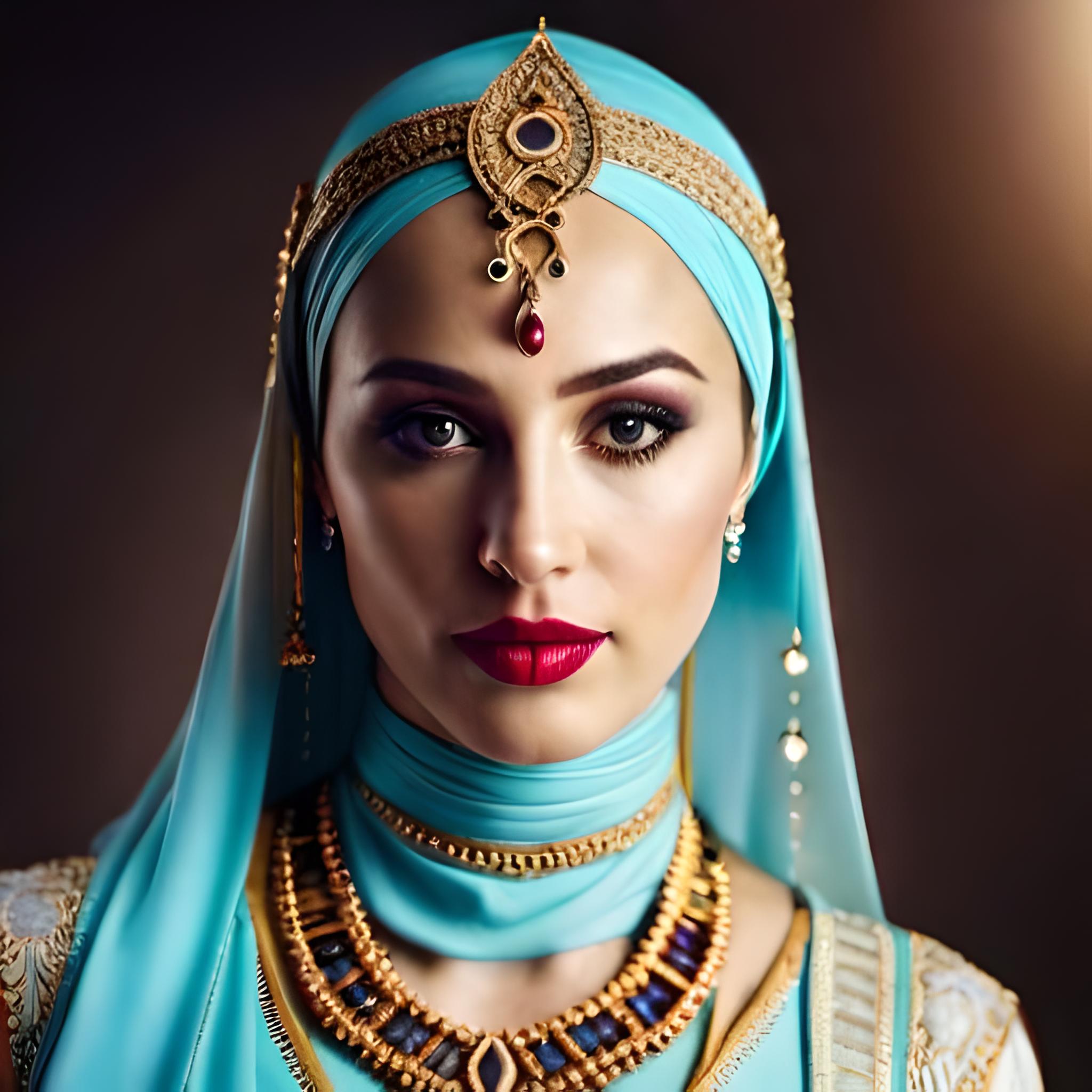
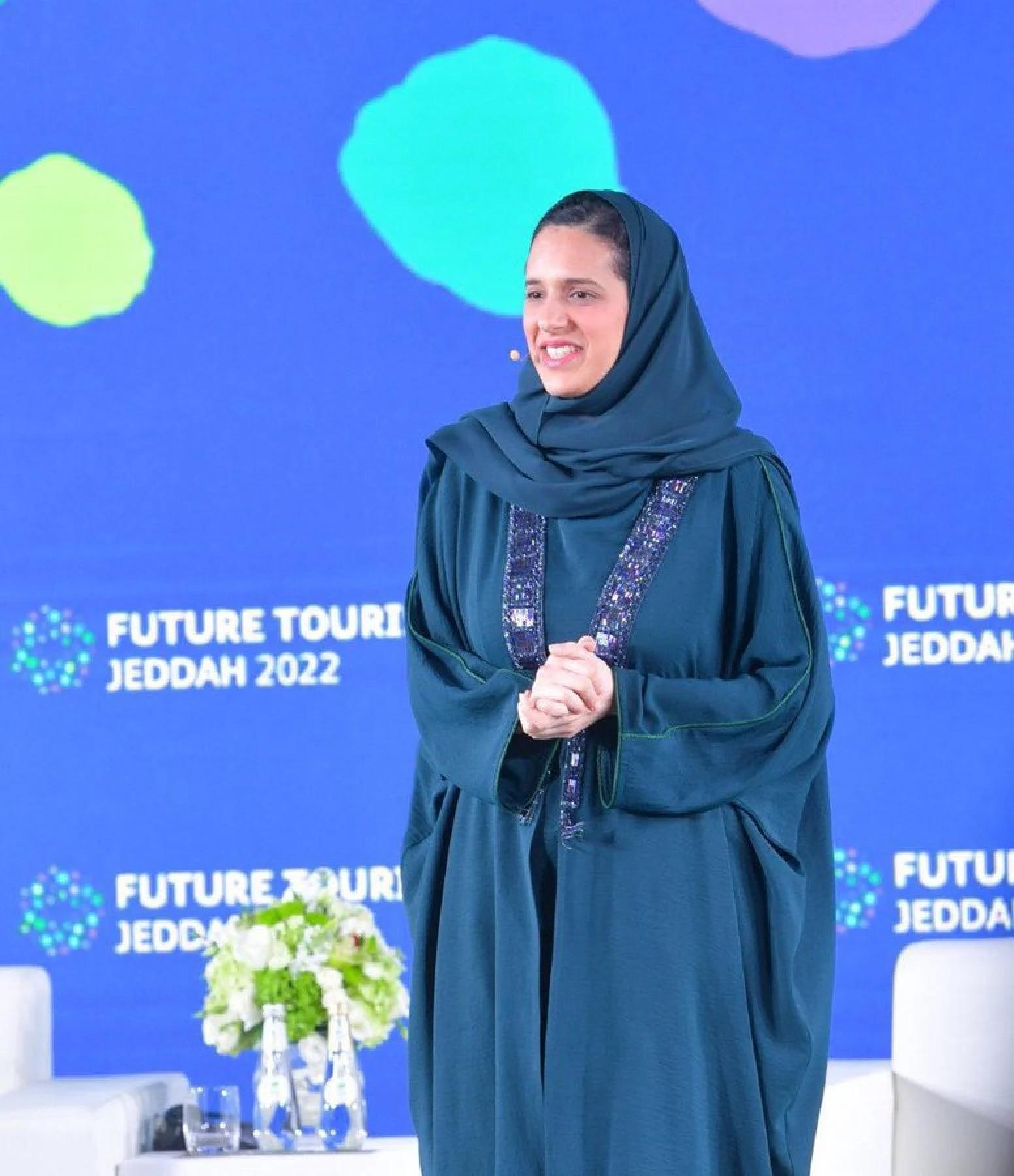
Arab princesses are members of the ruling families of Arab monarchies, a role that encompasses a blend of traditional cultural heritage, evolving social responsibilities, and significant influence in philanthropy, diplomacy, and global business. As of 2026, their public profiles reflect a transition from largely private, dynastic lives to active, visible roles in international human rights, education, arts, and economic modernization.
The term "Arab princess" refers to female members of the royal houses within the Arab world, most prominently those in the Gulf Cooperation Council (GCC) states such as Saudi Arabia, the United Arab Emirates, Qatar, Kuwait, Bahrain, and Oman, as well as the Hashemite Kingdom of Jordan and the Kingdom of Morocco. While the specific titles and administrative structures vary by country—ranging from "Sheikha" to "Princess"—the unifying theme is their position within sovereign families that hold historical and political authority. In the modern era, these women increasingly leverage their platforms to influence public policy and social change, often managing complex portfolios that bridge the gap between traditional monarchical values and contemporary global trends.
The Structure of Royal Titles and Family Hierarchies
Understanding the status of Arab princesses begins with the administrative and cultural structure of the specific monarchies to which they belong. In most Arab kingdoms, the title of "princess" or "sheikha" is granted by birth or through marriage into the royal lineage. However, the designation is not purely social; it is deeply tied to the constitutional and tribal structures of the state.
Variations in Titular Usage
While the English media often uses the blanket term "princess," the local nomenclature is more nuanced. For instance:
- Saudi Arabia: The title Amira (Princess) is used for descendants of the House of Saud. The scale of the royal family is extensive, meaning that the title is shared by a large number of individuals across different branches of the dynasty.
- United Arab Emirates & Qatar: The title Sheikha is the primary form of address for the daughters, wives, and mothers of the ruling Sheikhs. It carries deep prestige and is often associated with specific administrative or social oversight roles.
- Jordan: The Hashemite family follows a structure closer to European monarchical styles, with the title Princess (Amira) being used formally for those of direct royal descent.
The Role of Lineage and Succession
In the Arab world, royal identity is fundamentally linked to tribal lineage and the historical legitimacy of the ruling house. Unlike some Western monarchies where titles might be bestowed through marriage with varying degrees of permanence, in Arab royal families, the status is generally protected and strictly defined by family bylaws. As of 2026, these families have become increasingly sophisticated in how they manage their public records, with many princesses overseeing their own foundations and corporate interests, separate from the primary state apparatus.
Spheres of Influence and Professional Impact
The perception of Arab princesses as purely symbolic figures is increasingly outdated. In the mid-2020s, many have emerged as power players in global industries and domestic policy reform. Their work is typically organized around key pillars: humanitarian aid, education, and the promotion of culture.
Philanthropy and Human Rights
Many Arab princesses act as heads of significant non-governmental organizations (NGOs) and state-sponsored foundations. These entities provide a framework for their advocacy. For example, initiatives focusing on women’s empowerment, refugee support, and healthcare access are frequently led by royal women who possess the diplomatic capital to convene international forums and secure partnerships that private citizens cannot.
Arts, Culture, and Modernization
A significant number of royal women in the region have dedicated their careers to the preservation of Arab heritage while simultaneously fostering contemporary arts. This includes the establishment of museums, the patronage of film festivals, and the promotion of local designers on the global stage. By bridging the traditional with the modern, they act as cultural ambassadors, helping to shift international perceptions of their respective nations.
Business and Economic Development
It is common for female royals in the GCC to hold board positions or serve as strategic advisors within sovereign wealth funds or family-owned investment firms. While these roles are often conducted behind the scenes, their impact on regional economic diversification—particularly in the tech, luxury, and tourism sectors—is substantial.
Comparison of Royal Engagement Across Regional Models
The following table outlines how different royal systems utilize the influence of their female members to achieve specific socio-economic goals in 2026.
| Focus Area | Saudi Arabia | Jordan | Qatar & UAE |
|---|---|---|---|
| Primary Driver | Domestic social reform | Regional diplomacy/Education | Cultural soft power/Philanthropy |
| Public Presence | Increasing visibility | High profile/Diplomatic focus | Institutional/Foundational focus |
| Main Output | Economic participation | Academic/Social advocacy | Arts, Sports, and Global NGOs |
Navigating the Intersection of Tradition and Progress
One of the most complex aspects of the lives of Arab princesses is the necessity of balancing rigid societal and religious traditions with the demands of a globalized, hyper-connected world. They operate in a space where they must honor the patriarchal structures that give their families their legitimacy, while also serving as agents of change for the women of their nations.
Challenges in Public Perception
The global media frequently interprets the actions of these women through a Western lens, which can sometimes lead to misrepresentations of their autonomy. In reality, the "power" of an Arab princess is often exerted through soft power—a combination of consensus-building, personal diplomacy, and the use of the family name to legitimize causes. Their progress is incremental rather than revolutionary, as they must maintain the support of the conservative bases within their countries to remain effective.
Strategic Privacy
Unlike many Western celebrities, most Arab royals prioritize a high degree of privacy regarding their personal lives. While their professional ventures are publicized, their domestic affairs are closely guarded. This is not merely a preference but a cultural imperative, as the dignity and private nature of the "royal household" (the harim in historical terms, though evolved significantly) remain central to the prestige of the ruling family.
Frequently Asked Questions
Are all Arab princesses involved in government?
No. While some hold formal governmental portfolios or lead state-funded organizations, many focus on private sector business, academic research, or independent philanthropic ventures. Their involvement is usually a choice aligned with their specific interests and the strategic goals of their family.
How do they influence laws in their respective countries?
Influence is typically exercised through private consultation with ruling family members and the leadership of advocacy groups. By championing specific causes—such as education reform or healthcare—they create the social capital necessary to influence policy decisions without needing to hold a formal ministerial post.
What is the difference between a Sheikha and a Princess?
The difference is largely geographical and linguistic. "Sheikha" is the feminine form of "Sheikh," a title common in the Gulf states, while "Princess" is a translation of "Amira," more commonly used in Saudi Arabia and Jordan. Both indicate membership in the upper echelons of a royal family.
Do Arab princesses lose their status if they marry a commoner?
In most Arab royal families, the title of a woman of royal birth is permanent. Marriage does not strip them of their status or their connection to their family. However, the inclusion of a non-royal spouse into the family circle is handled according to the specific customs of each royal house.
How has their role changed since the early 2000s?
The most significant change is the shift toward transparency and public professional identity. Two decades ago, most activities were conducted in complete obscurity. Today, many use digital platforms to communicate their philanthropic work, share their contributions to the arts, and engage with the international community.
Conclusion and Next Steps
The lives of Arab princesses are defined by the convergence of immense privilege and the weight of tradition. For those researching this topic, it is essential to distinguish between official state-sanctioned activities and the personal endeavors of these women. To gain a better understanding of their actual influence, one should look beyond lifestyle media coverage and instead monitor the press releases of their specific foundations, the annual reports of the institutions they lead, and their contributions to international forums regarding human rights and economic development. Understanding their roles requires moving past simplistic stereotypes and acknowledging the nuanced, often quiet, diplomatic work that characterizes their impact in 2026.