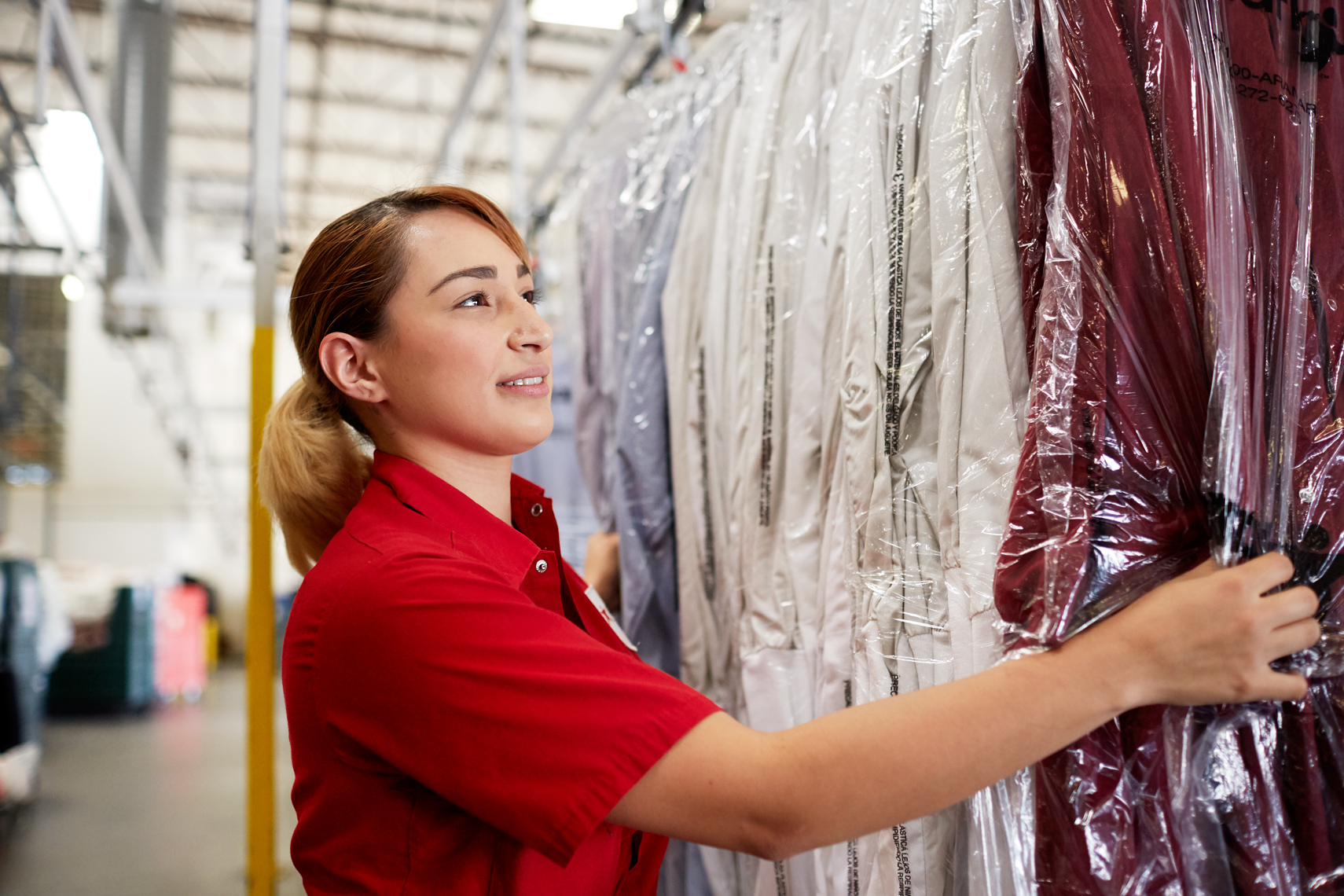
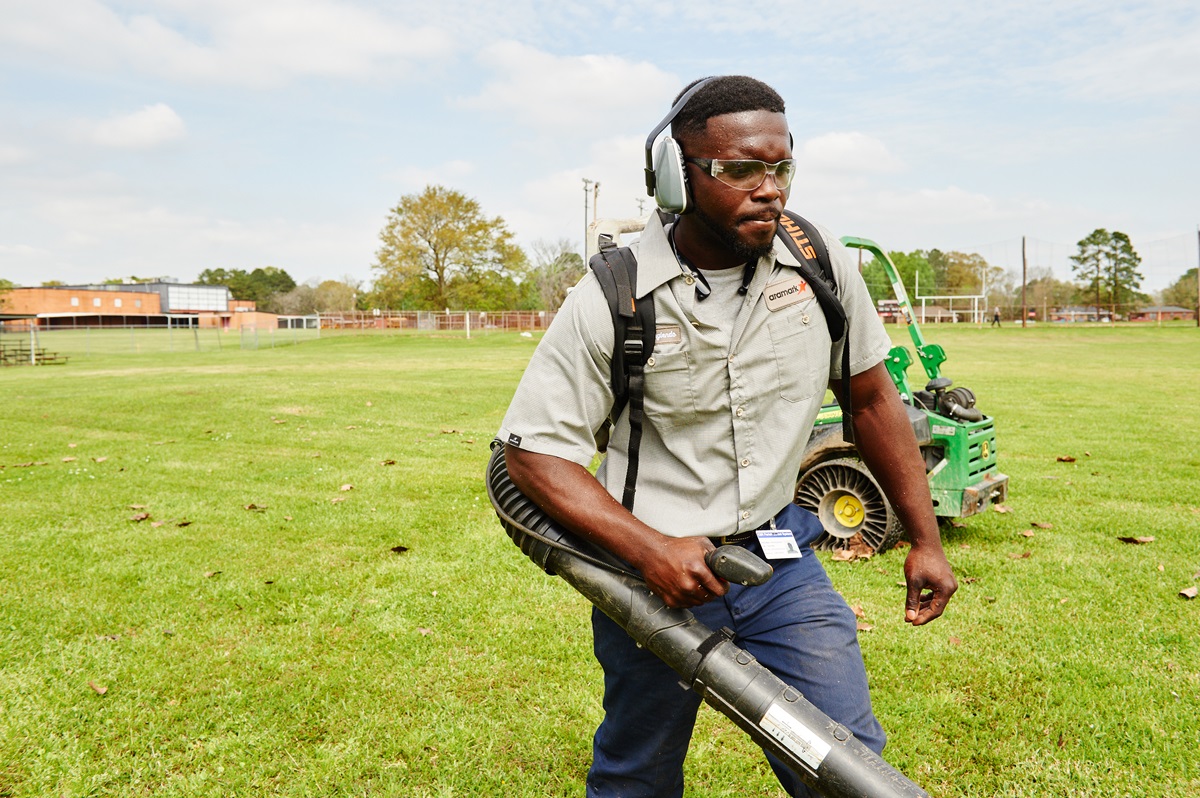
Aramark Facilities Management provides higher education institutions with outsourced operational support, including custodial services, grounds maintenance, and energy management. By leveraging technical expertise and proprietary technology, they help universities address aging infrastructure, meet sustainability goals, and optimize budgets while allowing administrations to focus on their core academic missions through customized, data-driven facility solutions.
The Evolution of Facilities Management in the 2026 Academic Landscape
As we navigate 2026, the physical campus remains one of the most significant assets—and liabilities—for higher education institutions. With the "demographic cliff" impacting enrollment and the continued rise of hybrid learning models, universities are under unprecedented pressure to justify the cost of the physical campus. Aramark Facilities Management has positioned itself as a strategic partner to bridge the gap between dwindling operational budgets and the increasing demand for high-tech, sustainable, and student-centric environments.
In this context, facilities management is no longer just about "bricks and mortar" or keeping the lights on. It has evolved into a sophisticated discipline that integrates data analytics, labor optimization, and environmental stewardship. Aramark’s approach in 2026 focuses on "Total Cost of Ownership" (TCO), moving away from short-term reactive repairs toward a long-term strategy of asset preservation. This guide explores the technical depth of Aramark’s offerings, the financial implications of partnership, and the operational standards required to maintain a modern university campus.
Core Service Pillars: Maintenance, Custodial, and Grounds
Aramark’s facilities portfolio in higher education is built upon three foundational pillars. Each is managed through a lens of technical efficiency and evidence-based practices.
1. Operations and Technical Maintenance
The technical maintenance of a campus involves managing complex HVAC systems, electrical grids, plumbing, and structural integrity. Aramark employs a Reliability Centered Maintenance (RCM) philosophy. Rather than waiting for a boiler to fail or a chiller to leak, the team uses predictive diagnostics to identify the "P-F interval"—the time between when a potential failure is first detectable and when it becomes a functional failure.
In 2026, this involves the use of vibration analysis on large motors and thermal imaging of electrical panels. By identifying these issues early, Aramark reduces emergency repair costs, which are typically three to five times more expensive than planned maintenance.
2. High-Performance Custodial Services
Post-pandemic standards for cleanliness have become permanent fixtures in university life. Aramark utilizes evidence-based cleaning protocols that go beyond visual inspections. This includes the use of ATP (Adenosine Triphosphate) testing to measure microbial presence on high-touch surfaces, ensuring that sanitation efforts are effective.
Their staffing models are often "zone-based," where specific teams are trained for high-density areas like lecture halls and laboratories, while other specialized teams manage residential halls. This specialization allows for higher efficiency and better adherence to Green Seal or LEED-compliant cleaning chemicals, reducing the environmental footprint of the campus.
3. Grounds and Exterior Asset Management
Campus aesthetics, or "curb appeal," is a primary factor in student recruitment. However, in 2026, grounds management also encompasses storm-water mitigation, biodiversity initiatives, and snow/ice removal safety. Aramark’s grounds programs often include the implementation of Integrated Pest Management (IPM), which minimizes chemical use in favor of biological controls and mechanical practices, protecting the local ecosystem and student health.
Strategic Asset Management and Capital Planning
One of the most significant challenges facing higher education in 2026 is the "deferred maintenance" backlog. Many institutions are sitting on millions of dollars in necessary repairs that have been delayed due to budget constraints. Aramark addresses this through a rigorous Facility Condition Assessment (FCA).
The FCA Process
Aramark’s technical teams conduct a room-by-room, system-by-system audit of the campus. Each asset is assigned a Facility Condition Index (FCI) score, calculated by dividing the cost of required repairs by the current replacement value of the building.
- FCI < 0.05: Good condition.
- FCI 0.05–0.10: Fair condition.
- FCI > 0.10: Poor condition.
This data allows university CFOs to make informed decisions about whether to renovate an aging dormitory or decommission it entirely. By providing a 5-year or 10-year capital roadmap, Aramark helps institutions move from "crisis management" to "strategic investment," ensuring that limited capital is spent where it will have the greatest impact on student retention and safety.
Driving Sustainability and ESG Goals
Sustainability is no longer an elective for higher education; it is a core requirement for students, faculty, and donors. Aramark integrates Environmental, Social, and Governance (ESG) goals into daily facility operations through their "Green Thread" framework.
Energy as a Service (EaaS)
Aramark’s energy management teams focus on reducing the Carbon Use Intensity (CUI) of campus buildings. In 2026, this often involves:
- Retro-commissioning: Adjusting existing building automation systems (BAS) to ensure sensors and dampers are operating at peak efficiency.
- Load Shedding: Utilizing smart meters to reduce energy consumption during peak demand hours, significantly lowering utility costs.
- Water Conservation: Installing low-flow fixtures and smart irrigation systems that adjust based on real-time weather data.
By documenting these savings, Aramark assists institutions in achieving LEED (Leadership in Energy and Environmental Design) or STARS (Sustainability Tracking, Assessment & Rating System) certifications, which are vital for a university’s brand and competitive ranking.
Technological Integration: CMMS and the Smart Campus
The backbone of Aramark’s operational efficiency is its proprietary or integrated Computerized Maintenance Management System (CMMS). In 2026, this system acts as a "digital twin" of the physical campus.
Every piece of equipment—from a laboratory centrifuge to a dormitory air conditioner—is tagged with a QR code or RFID tag. When a student submits a work order via a mobile app, the system automatically routes the request to the nearest qualified technician, provides the maintenance history of that specific asset, and ensures the necessary parts are in stock.
This level of technological integration provides university leadership with real-time dashboards showing:
- Average Response Time: How quickly issues are addressed.
- Work Order Backlog: Identifying areas where more resources may be needed.
- Labor Productivity: Ensuring that the outsourced workforce is operating at maximum efficiency.
Labor Management and Technical Training
One of the primary reasons universities outsource to Aramark is the volatility of the labor market. In 2026, finding skilled HVAC technicians, electricians, and plumbers is increasingly difficult. Aramark mitigates this by providing a standardized HR and training infrastructure.
Safety and Compliance
Aramark assumes the burden of OSHA (Occupational Safety and Health Administration) compliance and environmental regulations. Their "Safety First" culture includes mandatory training modules for all employees, covering everything from bloodborne pathogens in custodial work to lockout/tagout (LOTO) procedures for high-voltage electrical maintenance.
Professional Development
To combat the skilled labor shortage, Aramark invests in technical apprenticeship programs. By providing clear career paths for frontline workers, they maintain lower turnover rates than the industry average, ensuring that the staff working on a campus have long-term "institutional knowledge" of the facilities they serve.
Financial Analysis: In-House vs. Aramark Partnership
Deciding whether to manage facilities in-house or through a partner like Aramark requires a deep dive into the financial metrics. While in-house management offers more direct control, it often suffers from hidden costs related to benefits, equipment depreciation, and procurement inefficiencies.
| Metric | Traditional In-House Management | Aramark Managed Partnership |
|---|---|---|
| Labor Costs | Higher due to public sector benefits/pensions. | Optimized through private-sector HR models. |
| Procurement | Local vendor pricing; limited leverage. | Global supply chain discounts on parts/chemicals. |
| Technology | Often fragmented or outdated CMMS. | Enterprise-level IWMS and IoT integration. |
| Risk Management | University carries full liability. | Shared liability; Aramark handles workers' comp. |
| Capital Planning | Often reactive or politically driven. | Data-driven via Facility Condition Index (FCI). |
| Scalability | Slow to adjust to campus changes. | Flexible staffing models for seasonal peaks. |
Addressing the "Hidden" Costs of Facilities
A common mistake in higher education administration is looking only at the "top-line" contract price of a facilities partner. Aramark emphasizes the reduction of indirect costs. For example, poor indoor air quality (IAQ) is directly linked to student absenteeism and lower faculty productivity. By maintaining HVAC systems to higher filtration standards (MERV 13 or higher), Aramark contributes to the overall health and "wellness" of the campus, which has tangible, though sometimes indirect, financial benefits.
Furthermore, Aramark’s procurement power allows them to bypass many of the supply chain bottlenecks that still plague individual institutions in 2026. By bulk-purchasing critical spares—like compressors or control boards—they reduce the "Mean Time to Repair" (MTTR), keeping campus facilities operational during critical periods like finals week or commencement.
Frequently Asked Questions
Does Aramark replace existing university employees when they take over a contract?
Aramark typically offers several transition models. In many cases, they manage existing university staff through a "Management-Only" contract, where the employees remain on the university payroll while Aramark provides the leadership, technology, and processes. In "Full-Outsource" models, existing employees are often given the first opportunity to interview for positions with Aramark, often with comparable or improved training and career advancement opportunities.
How does Aramark handle the unique needs of research laboratories?
Research facilities require specialized maintenance due to hazardous materials, specialized ventilation (fume hoods), and the need for uninterrupted power. Aramark employs technicians specifically trained in laboratory environments who understand the critical nature of these spaces. They work closely with the university’s Environmental Health and Safety (EHS) department to ensure all maintenance activities comply with federal research guidelines and grant requirements.
Can Aramark help a university reach "Net Zero" carbon emissions?
Yes. Aramark provides the technical roadmap for carbon neutrality. This includes identifying energy efficiency measures (EEMs), facilitating the transition to electrified heating systems (such as heat pumps), and managing the integration of on-site renewable energy like solar arrays. They provide the data reporting necessary for universities to track their progress toward 2030 or 2050 climate pledges.
How is the performance of an Aramark contract measured?
Contracts are generally governed by Service Level Agreements (SLAs) and Key Performance Indicators (KPIs). Common metrics include "Work Order Completion Rate," "Customer Satisfaction Scores" (from student/faculty surveys), "Emergency Response Time," and "Energy Savings Targets." These are reviewed in regular quarterly business reviews (QBRs) to ensure the partnership is meeting its financial and operational goals.
Is Aramark’s technology compatible with existing university systems?
Aramark’s platforms are designed to be "interoperable." They can often integrate their CMMS with the university’s existing Enterprise Resource Planning (ERP) systems, such as Oracle or Workday, ensuring that financial data and work order costs flow seamlessly into the university’s central accounting system.
Practical Recommendations for University Leadership
For institutions considering an Aramark facilities partnership in 2026, the following steps are recommended:
- Conduct an Internal Audit: Before engaging in a partnership, document your current "True Cost of Service." This must include not just salaries, but also benefits, insurance, equipment maintenance, and the cost of administrative time spent managing facilities.
- Define Your Strategic Goals: Are you looking to reduce immediate operational costs, or is your primary goal to address a $50 million deferred maintenance backlog? Aramark can tailor their solution to prioritize either path, but clarity of intent is essential.
- Engage Stakeholders Early: Facilities management affects everyone from the grounds crew to the Dean of Students. Transparent communication about the goals of the partnership—such as improved safety and better technology—helps mitigate the natural resistance to change.
- Request a Pilot Assessment: Ask for a preliminary Facility Condition Assessment on a single high-priority building. This allows you to evaluate the quality of Aramark’s data and their ability to provide actionable insights before committing to a campus-wide contract.
By shifting facilities management from a tactical "cost center" to a strategic "value driver," higher education institutions can ensure their physical campus remains a vibrant, sustainable, and fiscally responsible environment for the next generation of students.