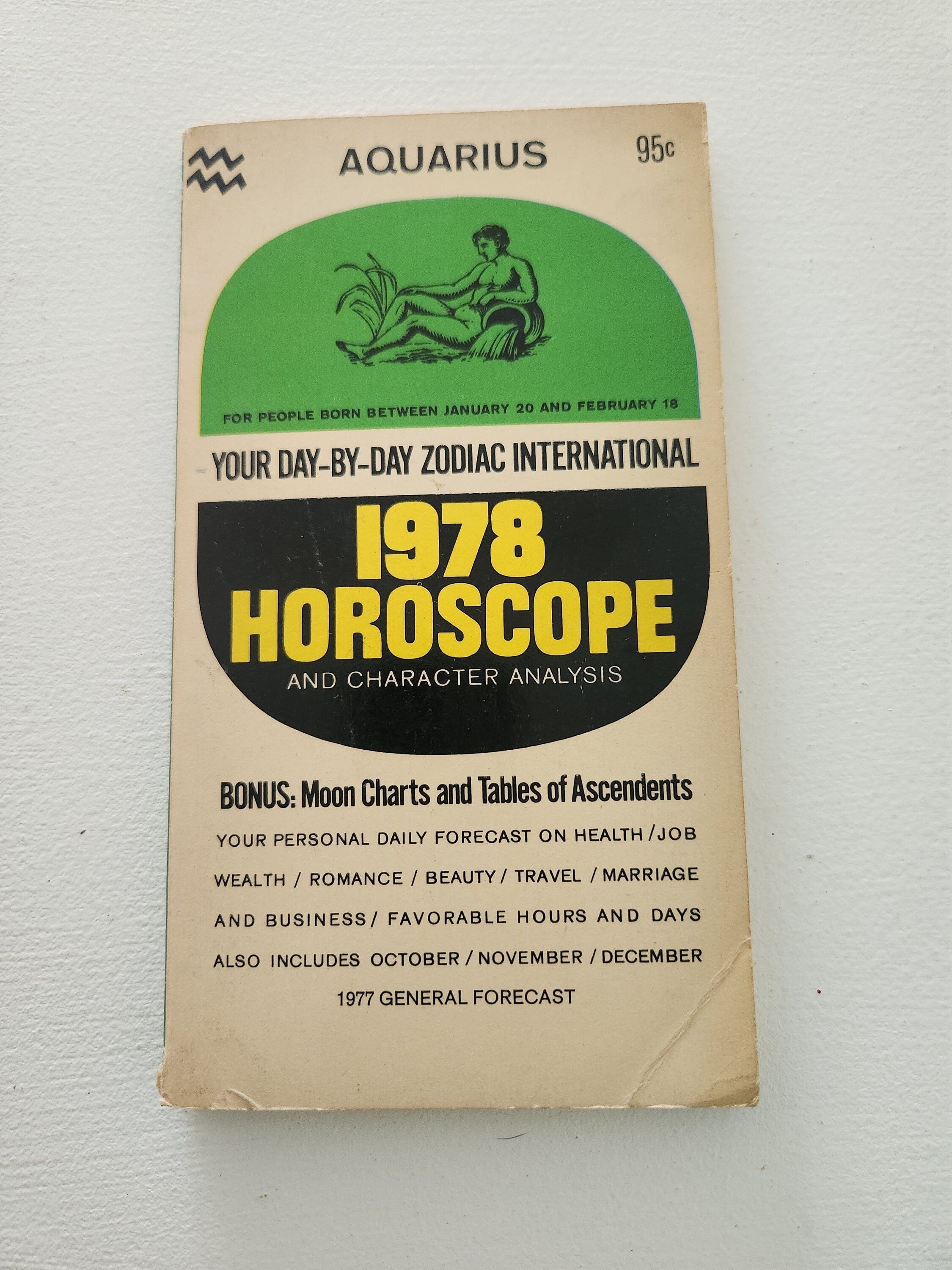
The "Aquarius Days in Detroit" refers to a specific period of cultural, astrological, and community-driven events celebrated within the city of Detroit, Michigan, typically coinciding with the zodiacal sign of Aquarius (January 20 through February 18). This timeframe is marked by community gatherings, specialized social events, and a focus on the forward-thinking, humanitarian values associated with the Aquarius archetype, often manifested through the city’s unique music, art, and grassroots activist scenes.
The Intersection of Astrology and Local Culture
Detroit has long been a hub for independent thinkers, innovators, and creators, traits that align closely with the traditional attributes of the Aquarius sign. In the Detroit context, "Aquarius Days" is rarely a singular, officially sanctioned civic holiday; rather, it represents a seasonal cultural phenomenon where various community groups, venues, and neighborhoods highlight themes of community building, social justice, and artistic avant-gardism.
Because Aquarius is an air sign associated with innovation and social change, many community organizers in Detroit use this mid-winter period to host public forums, winter arts festivals, and collaborative workshops. These events serve to bridge the gap between the isolation often felt during the harsh Michigan winter and the need for social cohesion. By leveraging this thematic period, local organizations create a sense of belonging that resonates with the city's identity as a place of reinvention and resilience.
Historical Context and Urban Identity
Detroit’s identity as a city of the future—rooted in its industrial legacy and its transition into a hub of technology and creative arts—parallels the "Age of Aquarius" philosophy often associated with progress and communal evolution. During late January and February, the city experiences a specific pace of life. Historically, the colder weather drives artistic activity indoors, leading to a surge in gallery openings, underground music events, and community board meetings.
The term "Aquarius Days" has gained traction within local creative circles, particularly among residents who view the astrological season as a catalyst for collective action. In 2026, this remains a relevant touchpoint for those interested in the city’s social fabric. It is a time when the focus shifts from the hectic pace of the summer festival season to a more reflective, strategic, and community-oriented period of development.
Planning Your Participation: What to Expect
If you are planning to engage with events branded under or aligned with the "Aquarius Days" timeframe in Detroit, it is essential to distinguish between commercial events and grassroots community gatherings.
- Research Local Venues: Focus your attention on independent cultural spaces, community centers, and art galleries in neighborhoods like Midtown, Corktown, and the North End. These areas frequently host programming during the late winter months.
- Community Calendars: Many neighborhood-specific organizations maintain digital calendars. Checking the social media pages of local arts cooperatives is often more effective than searching for a single, centralized "Aquarius Days" festival website, as there is no singular governing body for these events.
- Weather Preparedness: Detroit in January and February is defined by low temperatures and potential for significant snowfall. Ensure that your participation involves safe transportation planning, as travel can be impacted by winter weather conditions.
- Networking: These events are ideal for those interested in local activism, urban planning, or the underground art scene. The "Aquarius" spirit encourages collaboration, making these gatherings particularly open to new members and participants.
Comparison of Seasonal Engagement in Detroit
To understand why this period is unique, it is helpful to compare it with other high-activity seasons in the city.
| Season | Primary Focus | Social Environment | Typical Activity |
|---|---|---|---|
| Summer (June-Aug) | Tourism, Festivals | High-energy, Outdoor | Large music festivals, outdoor dining |
| Aquarius Days (Jan-Feb) | Community, Reflection | Indoor-focused, Intimate | Art talks, workshops, local activism |
| Autumn (Sept-Nov) | Academic, Commerce | Transitional | Campus events, seasonal shopping |
| Spring (March-May) | Restoration, Parks | Outdoor transition | Park cleanups, garden preparations |
Strategic Planning for Organizers
For individuals or organizations looking to host an event during this window, aligning with the "Aquarius" theme of innovation and community is a proven strategy for engagement. The audience during these winter weeks is generally smaller but highly engaged.
- Focus on Inclusivity: The Aquarian archetype is rooted in universal human connection. Events that promote dialogue and inclusivity tend to see higher turnout.
- Accessibility: Given the winter climate, ensure that venues are accessible via public transit or well-cleared parking areas.
- Collaborative Framing: Instead of hosting a standalone event, partner with a local charity or a neighboring creative collective. This aligns with the "group-oriented" nature of the season.
Common Misconceptions
One common error is assuming "Aquarius Days" is a major, city-wide municipal festival. This can lead to confusion when visitors look for a centralized parade or a main gate entrance. In reality, the "days" are an organic, decentralized phenomenon. If you are searching for specific information, focus on the type of event you are looking for—such as "Detroit winter art workshops" or "community organizing meetings in February"—rather than searching for a single trademarked event.
Troubleshooting Engagement Issues
If you find that your chosen events are sold out or shifted due to weather, consider these troubleshooting steps:
- Digital Alternatives: Many Detroit organizations have pivoted to hybrid models, offering recorded talks or virtual community forums when weather prevents in-person attendance.
- Neighborhood Newsletters: Local newsletters often contain information about "under-the-radar" events that don't make it onto major event aggregator sites. Subscribe to newsletters from local neighborhood associations to stay informed.
- Flexibility: Winter scheduling in Detroit is inherently fluid. Always check for updates on the day of the event regarding venue hours or weather-related closures.
Frequently Asked Questions
Is "Aquarius Days" a government-sanctioned holiday in Detroit? No, it is not a government-recognized holiday. It is a cultural term used by local groups, artists, and community members to describe the thematic focus of late January and February.
What is the best way to travel during the Aquarius period in Detroit? The city relies heavily on private vehicles, but public transit via the Detroit Department of Transportation (DDOT) and the QLINE remains active. During winter, check the status of routes frequently, as heavy snow can cause delays in fixed-route service.
Are these events suitable for families? Many of the cultural gatherings during this time are family-friendly, particularly workshops at local libraries or community centers. However, some late-night music events may be restricted to adults 21 and over. Always check the event-specific details.
How do I find specific events if there is no official schedule? Monitor platforms that aggregate local art and social events. Look for programming that emphasizes workshops, collaborative discussions, or experimental art, as these align with the traditional spirit of the season.
Is there an entry fee for these types of community events? Costs vary widely. Many community-driven meetings are free or suggest a donation, while specialized workshops or gallery showcases may have a ticket price. Always verify costs on the official event page before arrival.
Recommendations for Your Visit
If you are participating in the "Aquarius Days" spirit in 2026, prioritize authenticity over spectacle. Seek out the small-scale, community-led initiatives that represent the true innovative character of the city. Whether attending an exhibit in a converted warehouse or joining a neighborhood committee, the goal should be to engage with the local community on its own terms. By staying informed on weather conditions and focusing on local, grassroots programming, you will gain a deeper understanding of how Detroit navigates and celebrates the winter months.