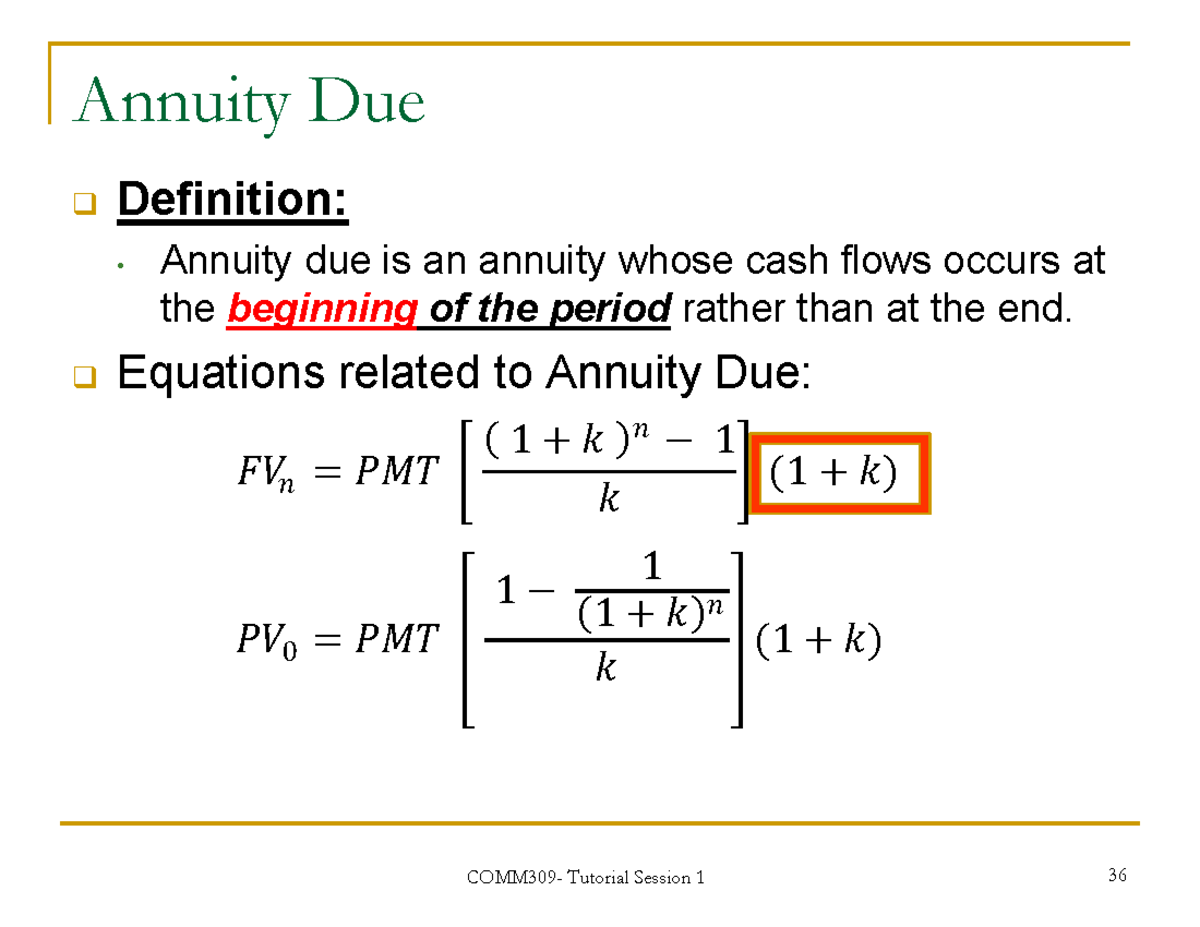
An annuity source refers to the entity, such as an insurance company or an independent brokerage, that provides and manages annuity contracts. It acts as the origin of a guaranteed income stream, allowing individuals to convert their savings into regular payments through a structured legal contract designed to mitigate the risk of outliving one's assets.
Understanding the "source" of an annuity is fundamental to retirement planning because the financial strength, product variety, and fee transparency of that source directly dictate the security and growth of your investment. In 2026, the landscape of annuity sourcing has evolved significantly, emphasizing digital transparency, fiduciary responsibility, and a wider array of specialized products tailored to volatile market conditions.
The Role of an Annuity Source in Modern Finance
In the broadest sense, an annuity source is the financial engine behind a private pension. While Social Security provides a government-backed floor for income, an annuity source provides a privately funded ceiling. These sources are typically life insurance companies, as they are the only entities legally authorized to issue contracts that guarantee payments for the duration of a human life.
However, the term "annuity source" is often used to describe independent platforms and brokerages that aggregate products from multiple carriers. These platforms serve as a central clearinghouse where consumers can compare rates, financial strength ratings, and contract riders. By using an independent source, investors avoid the "captive agent" trap, where they are only shown products from a single company.
Why the Source Matters
The source of your annuity is the ultimate guarantor of your future income. Unlike bank accounts, which are backed by the FDIC (up to certain limits), annuities are backed by the claims-paying ability of the issuing insurance company. Therefore, "explaining" the source requires a deep dive into how these companies maintain solvency and how they are regulated by state insurance commissioners to ensure they can meet their obligations decades into the future.
Types of Annuity Sources: Direct vs. Independent
When looking for an annuity source in 2026, you generally encounter two primary paths: direct writers and independent brokerages.
Direct Writers (Captive Sources)
Direct writers are insurance companies that sell their own products through their own agents. When you go directly to a major carrier, you are dealing with a captive source. The primary advantage is the brand recognition and the direct relationship with the carrier. The disadvantage is the lack of choice; a captive agent cannot recommend a competitor’s product even if it offers a higher payout or lower fees.
Independent Brokerages (Aggregate Sources)
Independent sources, such as specialized annuity firms and online marketplaces, do not issue the contracts themselves. Instead, they act as intermediaries that represent dozens of different insurance companies. These sources are often preferred by sophisticated investors because they provide a "marketplace" view, allowing for objective comparisons of "spreads," "caps," and "participation rates" across the entire industry.
Technical Breakdown of Annuity Funding Sources
Understanding the source also involves looking at where the money originates—the "source of funds." This determines the tax treatment of the income produced by the annuity.
Qualified Funding Sources
Qualified annuities are funded with "pre-tax" dollars. Common sources include:
- Traditional 401(k) or 403(b) Rollovers: When an individual retires, they may roll over their employer-sponsored plan into an annuity.
- Traditional IRAs: Funds moved from a standard IRA into an annuity contract.
- SEP and SIMPLE IRAs: Small business retirement plans can also serve as the funding source.
Because these funds have never been taxed, the entire payment received from the annuity source in the future will be taxed as ordinary income.
Non-Qualified Funding Sources
Non-qualified annuities are funded with "after-tax" dollars. Sources include:
- Personal Savings: Cash from a standard brokerage or bank account.
- Inheritances: Lump sums received from an estate.
- 1035 Exchanges: This is a specific provision in the tax code that allows you to move funds from an existing life insurance or annuity contract to a new one without triggering a tax event.
In non-qualified annuities, only the earnings portion of the payout is taxed. The "exclusion ratio" determines how much of each payment is considered a return of your original principal (tax-free) and how much is growth (taxable).
Navigating the 2026 Annuity Marketplace
The current financial environment of 2026 has made certain types of annuity sources more prominent. With interest rates having found a new equilibrium after the fluctuations of the early 2020s, the "source" of your yield is more important than ever.
Fixed and Multi-Year Guaranteed Annuities (MYGAs)
A MYGA source offers a fixed interest rate for a specific period, typically 3 to 10 years. These are the most straightforward products, often compared to Certificates of Deposit (CDs), but usually offering higher yields and tax-deferred growth.
Fixed Index Annuities (FIAs)
FIAs have become a dominant force in 2026. The "source" of growth here is not a fixed interest rate but the performance of a market index (like the S&P 500). However, your principal is protected from market losses. Technical terms to watch for from your source include:
- Participation Rate: The percentage of the index’s gain that is credited to your account.
- Cap Rate: The maximum interest rate the annuity can earn in a given period.
- Spread/Margin: A flat percentage deducted from the index gain.
Variable Annuities
A variable annuity source allows you to invest in "sub-accounts," which are essentially mutual funds. These offer the highest growth potential but come with market risk. In 2026, many sources now offer "Buffered" or "Registered Index-Linked Annuities" (RILAs), which provide a middle ground by limiting both the downside and the upside.
Comprehensive Comparison of Annuity Sources and Types
The following table outlines the primary characteristics of the different paths you might take when selecting an annuity source.
| Feature | Fixed (MYGA) | Fixed Indexed (FIA) | Variable | RILA (Buffered) |
|---|---|---|---|---|
| Principal Protection | 100% Guaranteed | 100% Guaranteed | No Protection | Partial Protection |
| Growth Potential | Low (Fixed) | Moderate | High (Market) | Moderate-High |
| Risk Level | Very Low | Low | High | Moderate |
| Primary Source of Gain | Interest Rates | Market Index Gains | Sub-account Performance | Market Index with Buffer |
| Best For | Conservative Savers | Risk-Averse Growth | Long-term Aggressive | Balanced Portfolios |
| Tax Status | Deferred | Deferred | Deferred | Deferred |
Evaluating the Reliability of an Annuity Source
Because an annuity is a long-term commitment—often lasting 20 to 40 years—the "source" must be vetted with extreme rigor. You are not just buying a product; you are buying a promise.
Credit Ratings and Solvency
You should never select an annuity source without checking its financial strength ratings. The primary agencies providing these ratings are:
- A.M. Best: Specifically focuses on the insurance industry.
- Standard & Poor’s (S&P): Provides a broad financial outlook.
- Moody’s: Evaluates the long-term creditworthiness.
- Fitch Ratings: Offers additional solvency perspectives.
A rating of "A" or better is generally considered the standard for a safe annuity source. You can verify these ratings through the A.M. Best website or the SEC's investor education portal.
Transparency and Fee Disclosure
A reputable annuity source will clearly disclose all internal costs. These may include:
- Surrender Charges: Fees for withdrawing money before the contract term ends.
- Mortality and Expense (M&E) Risks: Fees found in variable annuities to cover the insurance guarantee.
- Administrative Fees: The cost of managing the contract.
- Rider Fees: Extra costs for features like "Guaranteed Minimum Withdrawal Benefits" (GMWB) or "Long-Term Care Riders."
The Impact of the SECURE Act 2.0 and 2026 Regulations
By 2026, the full effects of the SECURE Act 2.0 have been realized in the annuity market. This legislation made it easier for employer-sponsored 401(k) plans to include annuities as an investment option. This means your "annuity source" might actually be your employer’s retirement plan provider.
Furthermore, 2026 regulations have strengthened the "Best Interest Standard." This requires any annuity source—whether an agent or a broker—to put the client’s financial needs ahead of their own commission. When speaking with a source, ask for a "Best Interest Disclosure" to ensure they are adhering to these modern fiduciary norms.
Common Mistakes When Choosing an Annuity Source
- Chasing the Highest Rate Without Checking Ratings: A source offering a 7% yield is useless if the company goes into receivership. Always balance yield with financial stability.
- Ignoring the Surrender Period: Most annuity sources require you to keep your money in the contract for 5 to 10 years. Withdrawing early can result in penalties of 7% or more.
- Misunderstanding the "Cap" in Indexed Annuities: If the market goes up 20% but your source has a 6% cap, you only get 6%. Ensure you understand the mathematical limitations of your growth.
- Failing to Verify State Guarantee Associations: Every state has a Guaranty Association that provides some level of protection if an insurance company fails. Know your state’s limits (usually between $250,000 and $500,000).
FAQs About Annuity Sources
What is the most reliable annuity source for a retiree?
The most reliable source is typically a highly-rated life insurance company (A or better by A.M. Best) with a long history of claims-paying ability. Using an independent brokerage as your information source can help you compare these top-tier companies objectively.
How do annuity sources make money?
Annuity sources primarily earn money through the "spread"—the difference between what they earn on their investments and what they pay out to you—and through various contract fees. Independent brokers are usually paid a commission by the insurance company, which is built into the product's cost structure.
Can I change my annuity source after I buy a contract?
Once you have purchased an annuity, the "source" (the insurance company) is fixed. However, you can move your funds to a different source using a 1035 Exchange. This allows you to transfer the cash value to a new carrier without paying taxes, though you must be mindful of any surrender charges from the original source.
Are online annuity sources safe?
Yes, provided the platform is a licensed insurance agency and the underlying product is issued by a regulated insurance company. Online sources often provide better transparency and lower-cost "Direct-to-Consumer" options that might not be available through traditional agents.
What is the "Free Look" period provided by most sources?
Most states mandate a "Free Look" period, usually 10 to 30 days. This allows you to review the contract from the source and return it for a full refund if you change your mind for any reason.
Final Recommendation
When navigating the complexities of "annuity source explained," your most effective strategy is to prioritize transparency and rating over marketing promises. In 2026, the best approach is to utilize an independent aggregate source to compare the financial strength and contractual terms of at least three different high-rated carriers.
Before signing any contract, request a full "Illustration" that shows the best-case, worst-case, and most likely scenarios for your income. If you are funding the annuity from a qualified source like a 401(k), consult with a tax professional to ensure the rollover is handled as a direct transfer to avoid unintended tax liabilities.