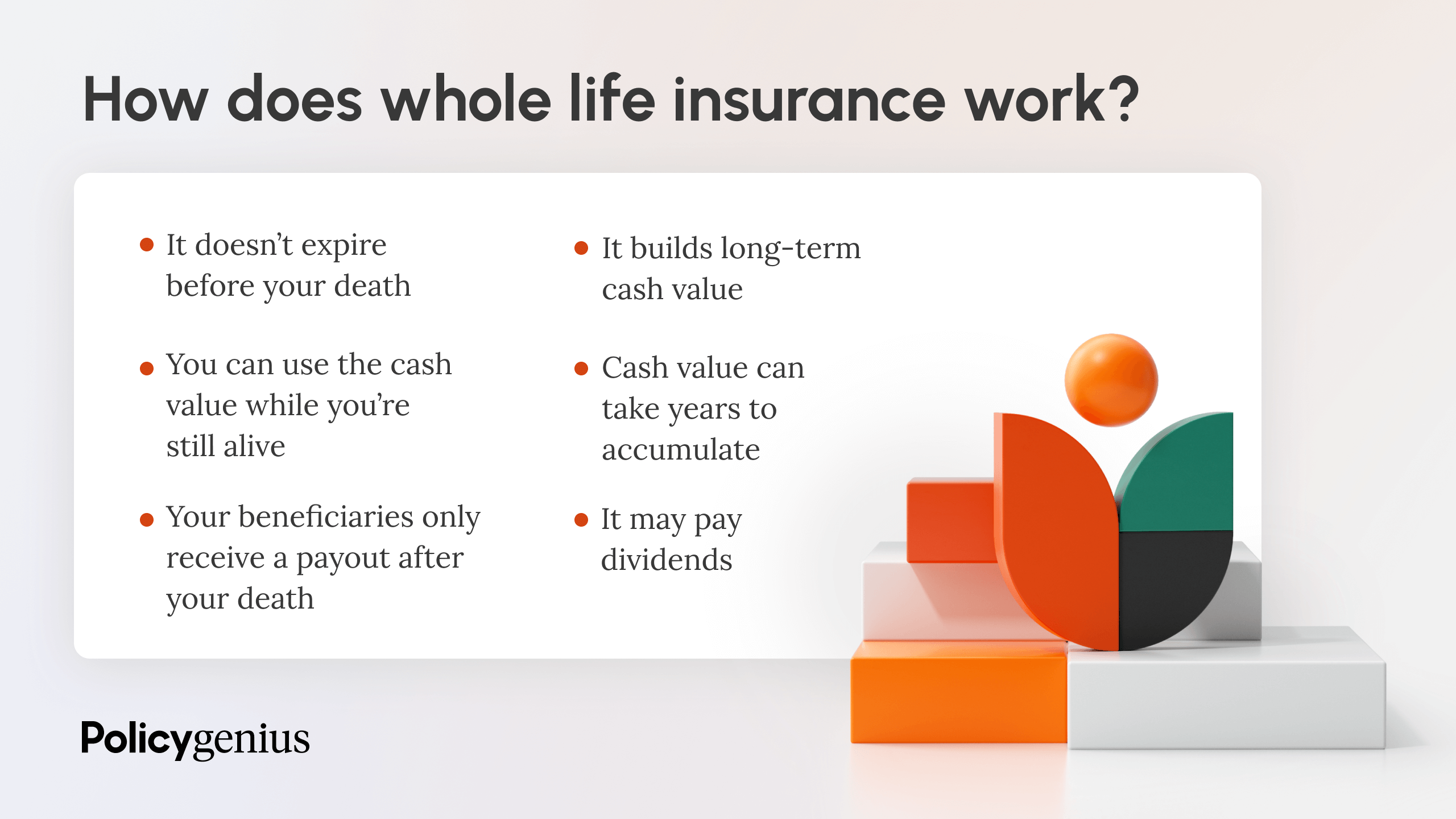
Annual dividend whole life insurance is a permanent life insurance policy that offers a guaranteed death benefit, fixed premiums, and a cash value component that grows over time. Its defining feature is the "participating" status, which allows policyholders to receive a portion of the insurance company's surplus earnings as annual dividends. These dividends can be used to increase the death benefit, pay premiums, or provide liquid cash, making it a versatile tool for long-term wealth accumulation and estate planning.
The Mechanics of Participating Whole Life Insurance
To understand annual dividend whole life insurance, one must first grasp the concept of a participating policy. Most dividend-paying policies are issued by mutual insurance companies, which are owned by their policyholders rather than outside shareholders. When you purchase a participating policy, you are essentially "participating" in the financial success of the company.
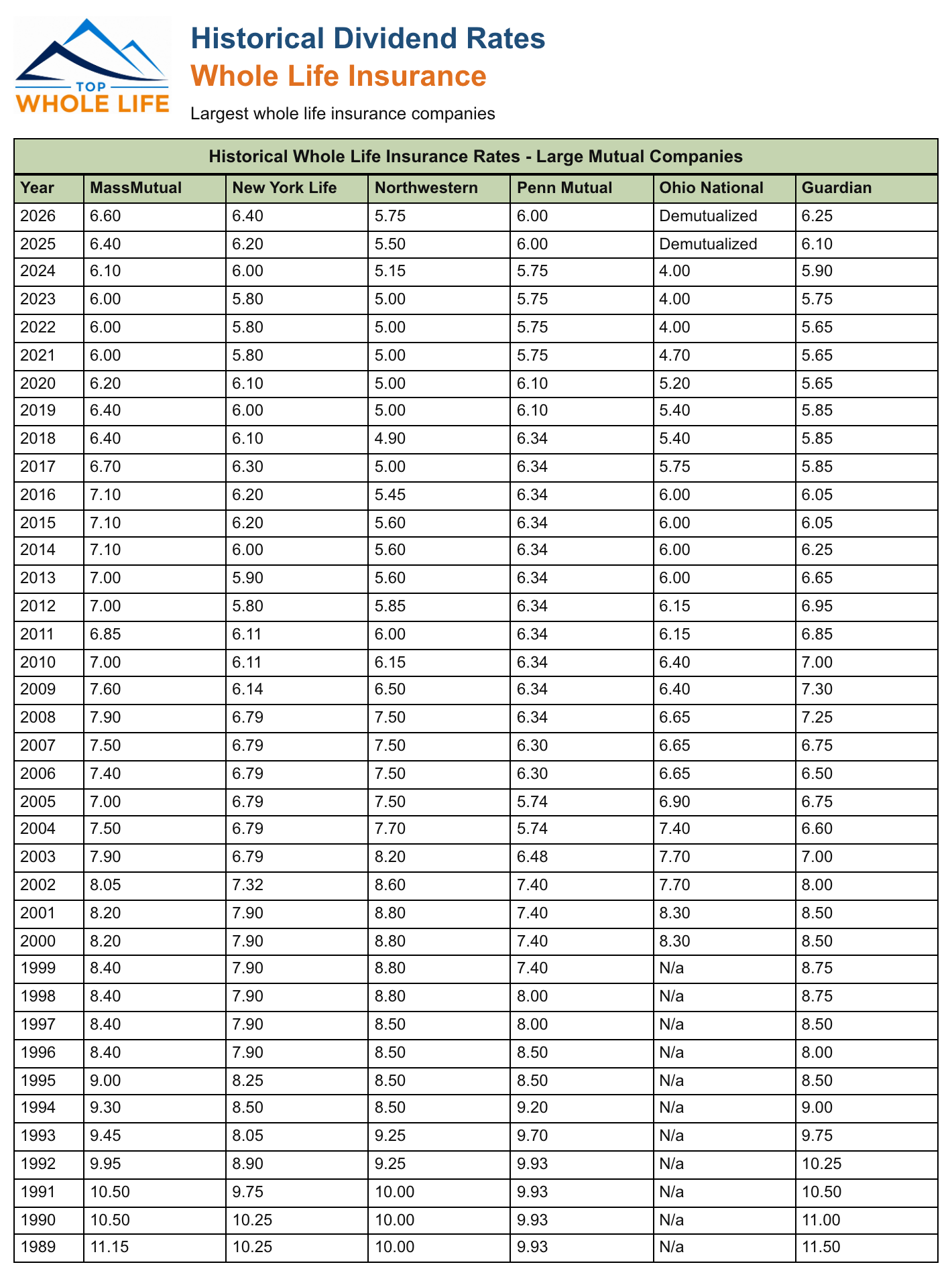
In 2026, the life insurance landscape continues to prioritize stability. The "annual dividend" is not a guaranteed feature in a legal sense—insurers cannot legally guarantee future dividends—but many major mutual carriers in the United States have a track record of paying them every single year for over a century. The dividend represents a "return of premium," occurring when the company’s actual experience is more favorable than the assumptions used to price the policy.
The Three Pillars of Dividend Calculation
Insurance companies determine the annual dividend scale based on three primary factors:
- Mortality Experience: Insurers base their premiums on actuarial tables that predict when policyholders will pass away. If fewer people die than the company predicted (favorable mortality), the company saves money on death benefit payouts. This surplus is then distributed back to policyholders.
- Investment Performance: The premiums paid by policyholders are invested in the insurance company’s general account, which primarily consists of high-quality corporate bonds, government securities, and mortgages. If the general account earns a higher return than the "guaranteed" interest rate credited to the policy, the excess is shared as a dividend.
- Operating Expenses: Like any business, an insurance company has overhead, including commissions, underwriting, and administrative costs. If the company operates more efficiently than projected, the expense savings contribute to the annual dividend pool.
Exploring the Five Primary Dividend Options
One of the most significant advantages of annual dividend whole life insurance is the flexibility in how those dividends are utilized. In 2026, policyholders generally have five standard options, which can often be changed annually depending on their current financial needs.
1. Paid-Up Additions (PUA)
This is widely considered the most powerful option for those seeking maximum cash value growth. When dividends are used to purchase paid-up additions, they buy small increments of additional whole life insurance that are fully "paid up." These additions have their own cash value and their own death benefit, and they, in turn, earn their own dividends. This creates a compounding effect that significantly accelerates the growth of the policy over several decades.
2. Cash Payment
The policyholder can choose to receive the annual dividend as a direct check or an electronic deposit. While this provides immediate liquidity, it is important to note that taking dividends in cash stops them from compounding within the policy. For many, this option is utilized later in life during retirement as a source of tax-advantaged supplemental income.
3. Premium Reduction
Under this option, the annual dividend is applied directly toward the next year’s premium. If the dividend is large enough, it may cover the entire premium, effectively making the policy "self-funding" for that year. This is a popular choice for policyholders who want to reduce their out-of-pocket expenses while maintaining their full death benefit.
4. Accumulate at Interest
The insurance company holds the dividends in a side account where they earn interest, much like a savings account. It is critical to understand the tax implications here: while the dividends themselves are generally not taxable, the interest earned on those accumulated dividends is considered taxable income by the IRS.
5. One-Year Term Insurance
Some companies allow dividends to be used to purchase a one-year term insurance rider. This provides a temporary boost to the death benefit, which can be useful if the policyholder has a short-term need for higher coverage, such as a large outstanding debt or a business obligation.
Mutual vs. Stock Insurance Companies: Why Ownership Matters
When searching for an annual dividend whole life policy, the structure of the insurance company is paramount. There are two main types of insurers:
- Mutual Companies: These are owned by policyholders. Their primary mandate is to provide value to those policyholders. Consequently, the vast majority of "participating" whole life policies are found here. Because there are no external shareholders demanding a cut of the profits, the surplus is directed back into the dividend pool.
- Stock Companies: These are owned by public or private shareholders. Their primary goal is to generate a profit for those shareholders. While some stock companies offer "participating" policies, they are less common, and the dividend performance may be less robust compared to top-tier mutual firms.
In 2026, the "Big Four" mutual companies in the U.S.—MassMutual, Northwestern Mutual, New York Life, and Guardian—remain the dominant players in the annual dividend whole life space due to their historical consistency and massive general account reserves.
Tax Treatment of Annual Dividends
The tax advantages of whole life insurance are a major draw for high-net-worth individuals and those looking for "tax-bracket diversification." According to the Internal Revenue Service (IRS), life insurance dividends are generally treated as a return of premium rather than a capital gain or interest.
As long as the total dividends received (plus any cash withdrawals) do not exceed the total amount of premiums paid into the policy (known as the "cost basis"), they are received tax-free.
The MEC Threshold (IRC 7702)
Policyholders must be careful not to "overfund" a policy to the point that it becomes a Modified Endowment Contract (MEC). Under Section 7702 of the Internal Revenue Code, if a policy receives too much cash too quickly, it loses its favorable tax status. If a policy is classified as a MEC, dividends taken in cash or used to pay off loans are taxed on a "last-in, first-out" (LIFO) basis, meaning gains are taxed first.
Comparative Analysis of Dividend Options
The following table compares the impact of different dividend options on policy performance and taxability:
| Dividend Option | Impact on Death Benefit | Impact on Cash Value | Tax Implications | Best For... |
|---|---|---|---|---|
| Paid-Up Additions | Increases significantly over time | Maximum compounding growth | Generally tax-free | Long-term wealth building |
| Cash Payment | No change | No growth from dividend | Tax-free up to cost basis | Supplemental retirement income |
| Premium Reduction | No change | Slows cash value growth | Generally tax-free | Reducing annual expenses |
| Accumulate at Interest | No change | Increases via side account | Interest earned is taxable | Liquid savings with fixed interest |
| One-Year Term | Large temporary increase | Negligible impact | Generally tax-free | Short-term high coverage needs |
The Role of Dividends in "Infinite Banking" and Cash Flow Management
In recent years, leading up to 2026, the "Infinite Banking Concept" (IBC) has gained traction among financial strategists. This strategy relies heavily on annual dividend whole life insurance. The idea is to use the policy’s cash value as a personal bank.
When a policyholder takes a policy loan, the insurance company uses the death benefit as collateral. Crucially, in a "non-direct recognition" policy, the company continues to pay dividends on the entire cash value, including the portion that has been borrowed. This allows the policyholder to use their money for external investments or purchases while their original "bank" continues to grow as if the money were still there.
Direct vs. Non-Direct Recognition
- Direct Recognition: The insurer reduces the dividend rate on the portion of the cash value that is collateralized by a loan.
- Non-Direct Recognition: The insurer pays the same dividend rate regardless of whether a loan exists. This is often preferred by those using their policy for active cash flow management.
Strategic Considerations for 2026
As we move through 2026, several factors influence the decision to purchase annual dividend whole life insurance:
- Interest Rate Environment: Dividends are closely tied to the yields on the insurance company's bond portfolio. After the interest rate adjustments of the mid-2020s, many insurers are seeing higher yields on their new bond purchases, which may lead to stable or increasing dividend scales in the coming years.
- Guaranteed vs. Non-Guaranteed: Every whole life policy has a "guaranteed" side and a "non-guaranteed" side. The dividend is always on the non-guaranteed side. When evaluating a policy, always look at the "Guaranteed Cash Value" to ensure the policy meets your minimum safety requirements.
- The PUA Rider: If your goal is cash accumulation, ensure the policy is structured with a Paid-Up Additions Rider. This allows you to "stuff" extra cash into the policy beyond the base premium, which immediately starts earning dividends and building equity.
Common Pitfalls and How to Avoid Them
While annual dividend whole life is a robust financial tool, it is often misunderstood. One common mistake is viewing it as a short-term investment. Whole life insurance is a long-term asset. Because of the "front-loaded" costs of insurance (underwriting, commissions, and setup), it often takes 7 to 12 years for the cash value to equal the total premiums paid.
Another mistake is failing to choose the right dividend option at the start. While options can be changed, using dividends for "Cash" early in the policy's life can permanently stunt the growth of the death benefit and cash value, as you lose out on the compounding effect of Paid-Up Additions.
Frequently Asked Questions
Are dividends in whole life insurance guaranteed?
No, dividends are never legally guaranteed. They are a distribution of the insurance company's surplus. However, many top-tier mutual companies have a track record of paying dividends every year for over 100 years, including during the Great Depression and the 2008 financial crisis.
Why is whole life insurance more expensive than term insurance?
Whole life is more expensive because it is designed to last your entire life, and it includes a savings component (cash value). Term insurance only covers a specific period (e.g., 20 years) and has no cash value; if you don't die during the term, the company keeps all the premiums. Whole life premiums are higher because a payout is eventually certain, provided the policy is kept in force.
Can I change my dividend option after the policy is issued?
Yes, in most cases, you can change your dividend option once per year on the policy anniversary. For example, you might start by using dividends for Paid-Up Additions to grow the policy, and then switch to Cash payments later in life to help fund your retirement.
How are dividends affected by a policy loan?
It depends on whether the company uses "direct recognition." In a direct recognition policy, the dividend rate on the borrowed amount may be adjusted (usually downward). In a non-direct recognition policy, you receive the full dividend scale on your entire cash value, regardless of any outstanding loans.
Is the dividend scale the same as the "Internal Rate of Return"?
No. The dividend scale is a gross percentage applied to the company's divisible surplus. The actual Internal Rate of Return (IRR) on your cash value will be lower than the dividend scale because the company must first subtract the costs of insurance and administrative fees.
Recommendation for Next Actions
If you are considering annual dividend whole life insurance in 2026, your first step should be to request an in-force illustration or a new policy illustration from a reputable mutual carrier. Focus specifically on the "Internal Rate of Return" (IRR) of the cash value at years 10, 20, and age 65.
Seek out a specialized agent who understands high-cash-value structuring—often referred to as "Infinite Banking" or "Bank On Yourself" style policies. These professionals can help you maximize the Paid-Up Additions rider while keeping the policy within the National Association of Insurance Commissioners (NAIC) and IRS guidelines to avoid MEC status. Finally, ensure the death benefit is sufficient for your family’s protection needs before prioritizing the dividend-driven cash growth.