An annual check-up is a comprehensive medical appointment focused on disease prevention and early detection rather than the treatment of an acute illness. Conducted by a primary care provider, this preventive health exam assesses your overall physical and mental well-being through vitals tracking, physical assessments, and age-appropriate screenings to identify potential health risks before they become serious.
Defining the Annual Check-Up and Preventive Health
The term annual check-up refers to a yearly medical visit designed to establish a baseline for your health. While many patients only visit a doctor when they feel ill—known as a "sick visit" or diagnostic appointment—the annual check-up is proactive. It is often referred to in clinical settings as a Preventive Health Exam, Wellness Visit, or Routine Physical.
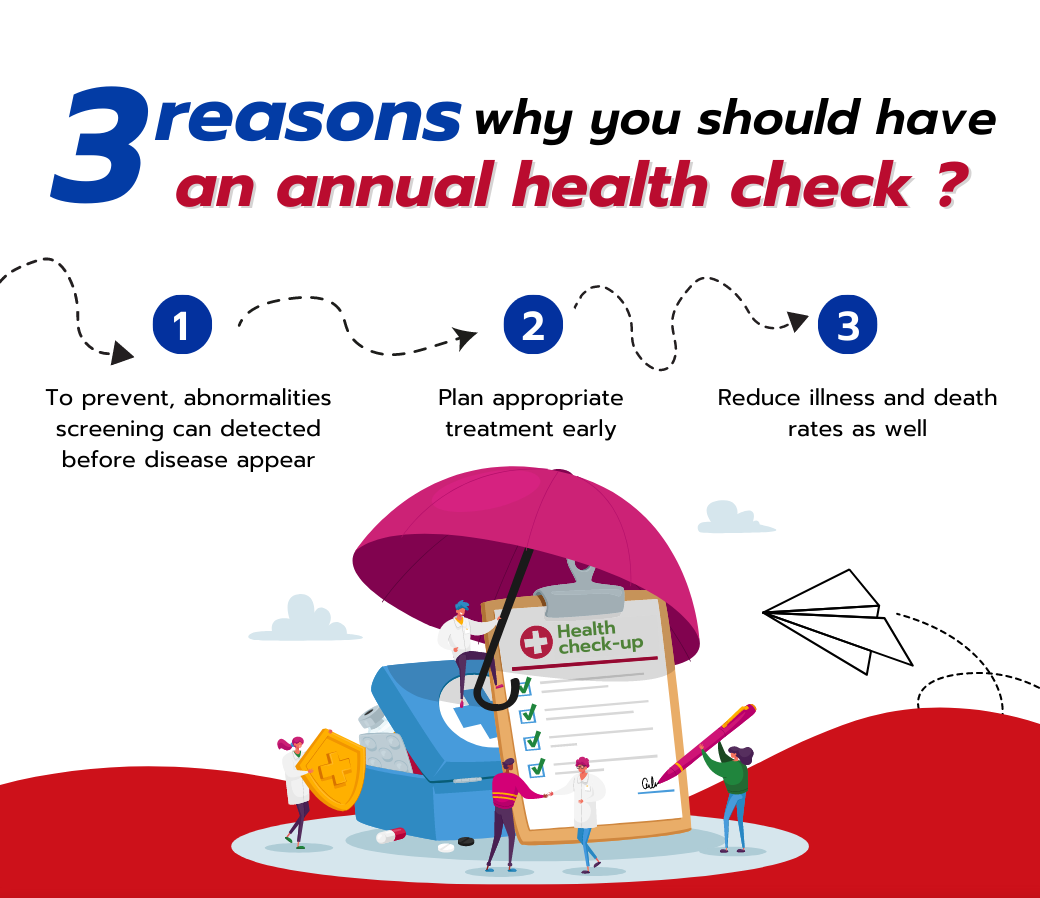
In 2026, the philosophy of preventive medicine has shifted toward highly personalized care. Rather than a "one-size-fits-all" approach, these exams now integrate your genetic history, lifestyle data from wearable technology, and environmental factors to tailor a health strategy for the coming year. The primary goal is to prevent the onset of chronic conditions such as Type 2 diabetes, hypertension, and cardiovascular disease, which are often asymptomatic in their early stages.
The Distinction Between Preventive and Diagnostic Care
It is vital to understand that a preventive health exam is not intended for the investigation of new symptoms or the management of existing chronic conditions. If you schedule a check-up but spend the duration of the appointment discussing a new knee injury or a persistent cough, your provider may reclassify the visit as diagnostic. This distinction is significant for insurance billing purposes, as most 2026 health plans cover preventive services at 100%, whereas diagnostic services may require a co-pay or apply to a deductible.
The Core Components of a Preventive Health Exam
A standard preventive exam is multifaceted. It involves a systematic review of the body's major functions to ensure everything is operating within healthy parameters.
Comprehensive Medical History Update
The exam typically begins with a detailed conversation regarding your personal and family medical history. Your provider will ask about changes in your living situation, stress levels, diet, exercise habits, and tobacco or alcohol consumption. In 2026, many providers also review data from health-tracking applications to identify patterns in sleep or activity levels that might suggest underlying health issues.
Vital Signs Assessment
Vitals provide a snapshot of your body's most basic functions. These include:
- Blood Pressure: High blood pressure (hypertension) is a leading risk factor for stroke and heart attack. Even if you feel fine, elevated readings can indicate arterial damage.
- Heart Rate: Your resting heart rate can indicate cardiovascular fitness or potential arrhythmias.
- Respiratory Rate: Checking your breathing rate helps identify lung function issues or signs of anxiety.
- Body Mass Index (BMI) and Waist Circumference: These measurements help assess the risk of metabolic syndrome and obesity-related complications.
Physical Examination
The physical portion of the exam is a "head-to-toe" assessment. The provider uses techniques such as palpation (feeling the body with hands), percussion (tapping on areas to hear sounds), and auscultation (listening with a stethoscope).
- Head and Neck: Checking for enlarged lymph nodes, thyroid nodules, or abnormalities in the throat and tonsils.
- Abdomen: Feeling for organ enlargement (such as the liver or spleen) or tenderness that could indicate digestive issues.
- Neurological Exam: Testing reflexes, muscle strength, and balance to ensure the nervous system is functioning correctly.
- Dermatological Check: Inspecting the skin for unusual moles, lesions, or changes in pigmentation that could be early signs of skin cancer.
Essential Screenings and Laboratory Tests
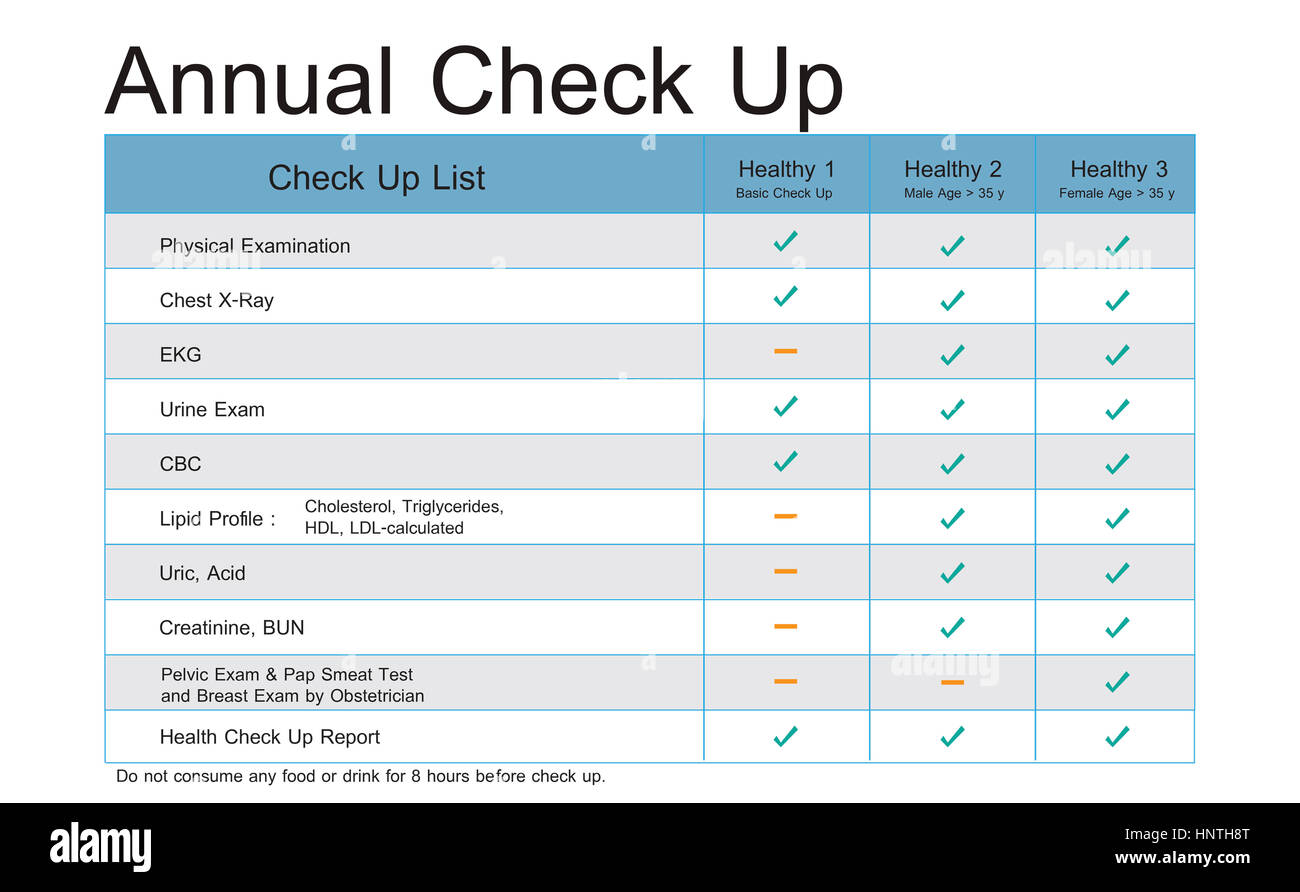
Screenings are the "preventive" backbone of the annual check-up. They are designed to find diseases in people who do not yet have symptoms. The specific tests ordered depend heavily on your age, biological sex, and risk factors.
Routine Blood Work
A Complete Blood Count (CBC) and Comprehensive Metabolic Panel (CMP) are standard. These tests check for anemia, infection, and the health of your liver and kidneys. Additionally, a Lipid Panel measures cholesterol levels, including High-Density Lipoprotein (HDL), Low-Density Lipoprotein (LDL), and triglycerides. Maintaining healthy cholesterol levels is critical for preventing atherosclerosis (hardening of the arteries).
Cancer Screenings
Depending on current guidelines (such as those from the U.S. Preventive Services Task Force), your provider will discuss:
- Colorectal Cancer: Usually starting at age 45, involving stool-based tests or colonoscopies.
- Breast Cancer: Mammograms for women, typically starting between ages 40 and 50.
- Cervical Cancer: Pap smears or HPV testing for women.
- Prostate Cancer: PSA (Prostate-Specific Antigen) blood tests for men, based on individualized risk discussions.
Mental Health and Behavioral Screenings
In modern healthcare, the annual check-up includes standardized questionnaires to screen for depression, anxiety, and substance use disorders. Mental health is now recognized as being as foundational to physical health as cardiovascular stability.
| Category | Typical Tests/Actions | Primary Purpose |
|---|---|---|
| Cardiovascular | Blood Pressure, Lipid Panel, EKG (if indicated) | Detection of hypertension and heart disease risk. |
| Metabolic | Fasting Glucose or A1C | Screening for Prediabetes and Type 2 Diabetes. |
| Infectious Disease | HIV, Hepatitis C, STI screenings | Identification of asymptomatic infections. |
| Preventive Vitals | BMI, Height/Weight, Waist Circumference | Assessing risk for metabolic syndrome. |
| Immunizations | Flu, Tdap, Shingles, COVID-19 boosters | Maintaining immunity against preventable diseases. |
The Role of Immunizations in Preventive Health
A key part of defining an annual check-up is the review of your immunization record. Vaccines are one of the most effective preventive health measures available. During your 2026 wellness visit, your doctor will check if you are up-to-date on:
- Tetanus, Diphtheria, and Pertussis (Tdap): A booster is required every 10 years.
- Influenza: Annual vaccination is recommended to reduce the severity and spread of seasonal flu.
- Shingles (Zoster): Recommended for adults over a certain age (usually 50) to prevent the painful rash and long-term nerve pain.
- Pneumococcal: Protects against pneumonia and meningitis, specifically for older adults or those with underlying conditions.
Preparing for Your Annual Check-Up
To maximize the value of your preventive health exam, preparation is essential. Because these appointments are often limited to 20 or 30 minutes, being organized helps ensure all your concerns are addressed.
Gather Documentation
Before your appointment, compile a list of all current medications, including dosages and frequencies. Do not forget over-the-counter supplements, vitamins, and herbal remedies, as these can interact with prescription drugs. If you have seen specialists or visited an urgent care clinic since your last check-up, bring those records or ensure they have been sent to your primary provider.
Track Your Health Data
If you use a wearable device, look for trends in your data over the last six months. Note any significant changes in your resting heart rate, sleep quality, or daily step counts. Similarly, if you have been monitoring your blood pressure at home, bring a log of those readings.
Identify Specific Questions
Write down 3–5 specific questions or concerns you have about your health. These might include:
- "Am I at increased risk for [Condition] based on my family history?"
- "Are there lifestyle changes I should prioritize this year?"
- "Are my current screenings appropriate for my age?"
- "Should I be concerned about [specific minor symptom]?"
The Cost and Coverage of Preventive Exams in 2026
In 2026, the financial landscape of preventive care remains largely defined by the principle that prevention is more cost-effective than treatment. Most private insurance plans, as well as Medicare and Medicaid, cover an "Annual Wellness Visit" or "Routine Physical" at no out-of-pocket cost to the patient, provided the provider is in-network.
However, there are nuances to this coverage:
- The "Double Billing" Scenario: If you discuss a chronic issue (like managing your existing asthma) or a new problem (like a skin rash) during the wellness visit, the doctor may bill for both a preventive visit and an office visit. This may result in a co-pay.
- Laboratory Tests: While the visit itself may be free, not all laboratory tests ordered are considered "preventive" by insurance companies. Standard panels are usually covered, but specialized genetic testing or vitamin level checks may not be.
- Frequency: Most insurance plans cover exactly one preventive exam every 365 days. Scheduling your 2026 exam even one day earlier than your 2025 exam date can sometimes result in a claim denial.
Why Some Healthy Adults Skip the Annual Exam (and Why They Shouldn't)
There has been ongoing medical debate regarding the necessity of a full physical for perfectly healthy, asymptomatic young adults. Some argue that it leads to "over-diagnosis" or unnecessary testing. However, the modern consensus emphasizes the relationship-building aspect of the annual check-up.
Establishing a relationship with a primary care provider when you are healthy ensures that if you do get sick, you have a physician who knows your baseline and your medical history. Furthermore, the "annual" nature of the check-up creates a consistent habit of health mindfulness. Many life-threatening conditions, such as high cholesterol or early-stage cervical cancer, do not present symptoms until they are advanced. Regular screenings are the only way to catch these issues early when they are most treatable.
Professional Medical Advice Limitation
This article is provided for informational purposes only and does not constitute professional medical advice, diagnosis, or treatment. Always seek the advice of your physician or another qualified health provider with any questions you may have regarding a medical condition or the specific frequency of screenings recommended for your health profile.
Frequently Asked Questions
What is the difference between a physical and a wellness visit?
A "physical" usually refers to a hands-on exam where the doctor physically checks your body systems. A "wellness visit" (often associated with Medicare) may focus more on a "Health Risk Assessment" and a personalized prevention plan, sometimes involving less physical contact but more cognitive and lifestyle screening. In 2026, most private practices combine these into a single annual preventive health exam.
Do I need to fast before my annual check-up?
It depends on the blood work your doctor intends to order. Many providers require fasting (no food or drink except water) for 8 to 12 hours before a lipid panel (cholesterol) or a blood glucose test. It is best to call the office 24 hours in advance to confirm if fasting is required for your specific appointment.
Can I get my annual check-up via telehealth?
While some components of a check-up—such as reviewing medical history, discussing mental health, and reviewing lab results—can be done via telehealth, a complete preventive health exam usually requires an in-person visit. A provider cannot perform palpation, auscultation of the heart and lungs, or a thorough skin check through a screen.
What if I have no symptoms; is the check-up still necessary?
Yes. Many significant health threats, including high blood pressure, high blood sugar, and certain cancers, are "silent." By the time symptoms appear, the condition may have already caused permanent damage. The annual check-up is designed specifically for people who feel healthy, to ensure they stay that way.
How long does a typical annual exam take?
Most preventive health exams take between 20 and 45 minutes. This includes the time spent with the medical assistant for vitals and the time spent with the physician or nurse practitioner for the exam and consultation.
Recommendation for Next Actions
To take control of your health in 2026, your first step should be to verify your insurance coverage for preventive services. Once confirmed, contact a primary care provider to schedule your exam. If you are a new patient, request that your previous medical records be transferred at least two weeks before your appointment. On the day of the exam, arrive with a written list of your medications and your top three health concerns to ensure a productive and comprehensive evaluation.