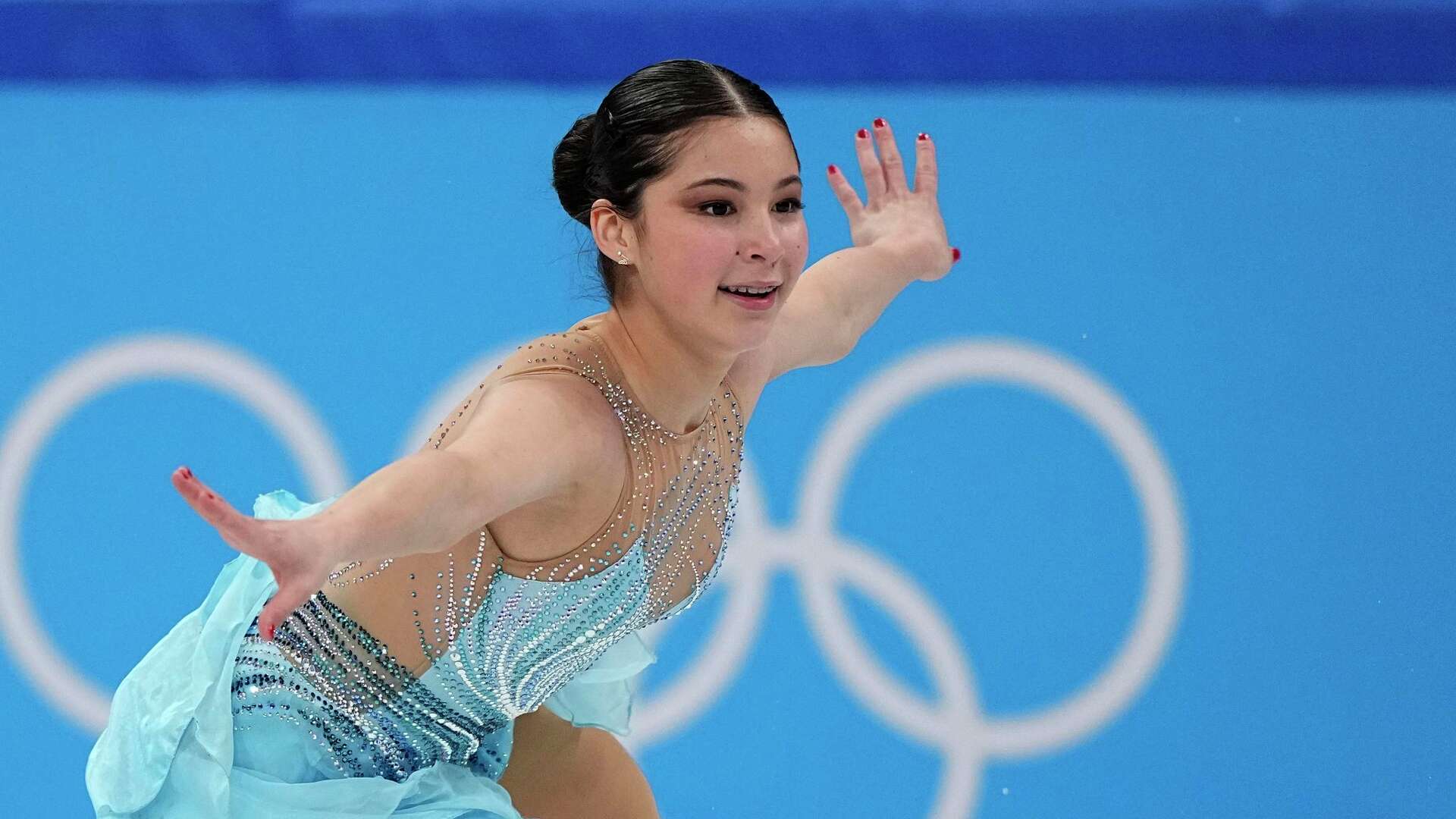
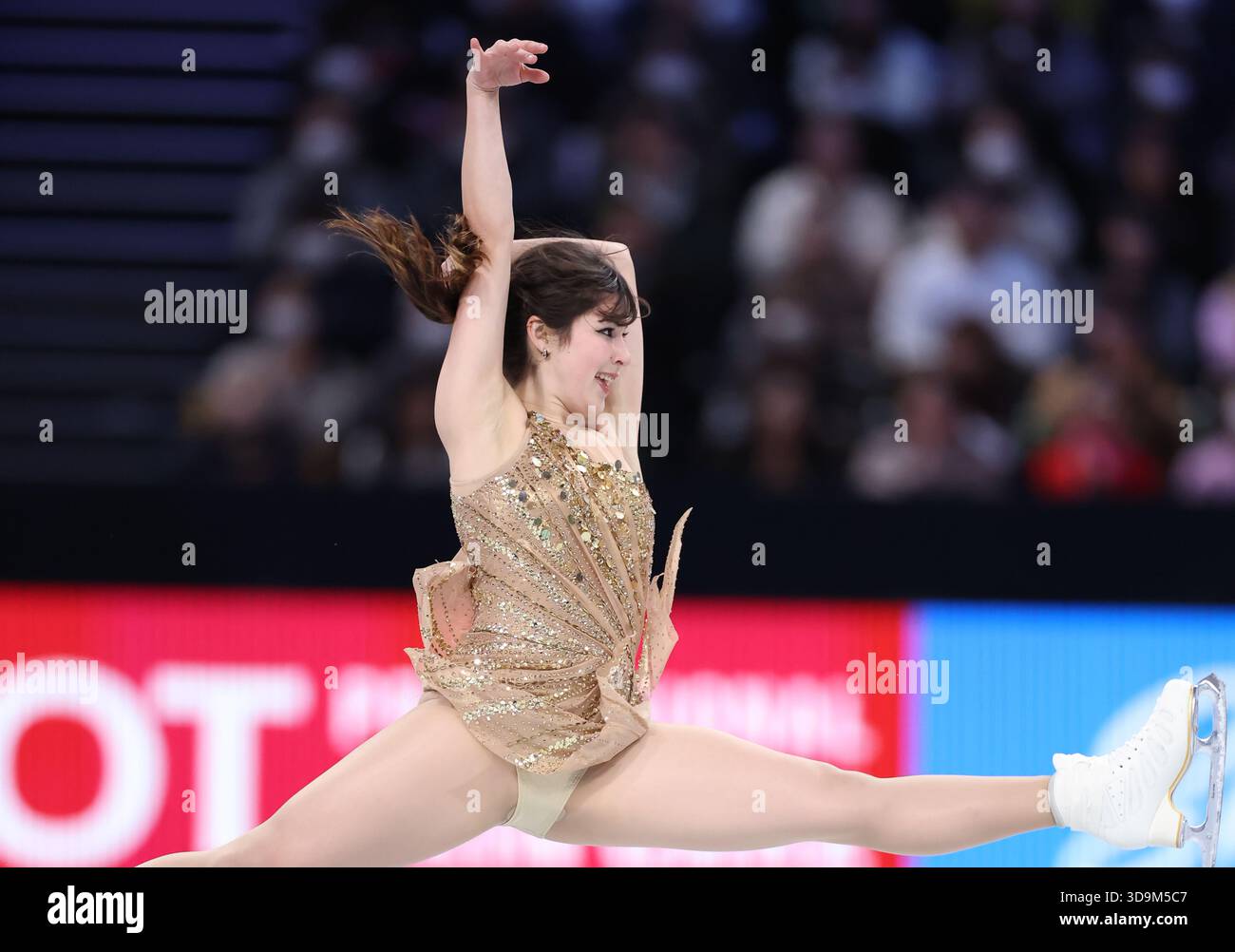
Alysa Liu’s skating music choices reflect a journey from a technical prodigy to a refined, mature artist. Her programs feature a sophisticated blend of classical warhorses like Tchaikovsky’s Piano Concerto No. 1, high-energy theatrical pieces such as "Don’t Rain on My Parade," and contemporary selections including Laufey’s "Promise" and Donna Summer’s "MacArthur Park."
The Evolution of Alysa Liu’s Musical Identity
In the world of elite figure skating, music is far more than a background track; it is the blueprint for rhythm, tempo, and emotional narrative. For Alysa Liu, a skater who made history as the youngest woman to win a U.S. senior title at age 13, the choice of music has been a critical tool in managing her transition from a "jump specialist" to a well-rounded performer.
In her early years, Liu’s music was often upbeat and "character-driven." These choices, such as "Don't Rain on My Parade," allowed her to showcase her natural charisma and infectious smile while the judges focused on her groundbreaking technical content, which included the triple Axel and quadruple Lutz. As she matured and entered the 2020s, her music transitioned toward more complex, nuanced compositions. This shift was necessary to compete with the high Program Component Scores (PCS) of international rivals. By the time of her comeback in the 2024-2025 and 2025-2026 seasons, her music choices revealed a skater who had found her own voice, opting for tracks that emphasized flow, edge quality, and personal expression.
The Comeback Era (2024–2026)
Following a brief retirement after the 2022 Olympic season, Alysa Liu’s return to competitive skating was one of the most anticipated storylines in the sport. Her music choices for this era signal a departure from the traditional "skating warhorses" in favor of music that resonates with her personal taste and the modern direction of the sport.
Short Program: "Promise" by Laufey
For her comeback short program, Liu chose "Promise" by the Icelandic-Chinese artist Laufey. This selection is significant for several reasons. Laufey’s music, often described as "modern jazz" or "traditional pop," provides a minimalist and intimate atmosphere.
Skating to "Promise" requires immense control. Unlike high-energy orchestral pieces that can mask small errors in timing, a vocal-forward jazz track demands that the skater’s movements be perfectly synchronized with the phrasing of the lyrics. Liu’s use of this song highlights her improved knee action and more sophisticated upper-body carriage. It moves away from the frantic pace of her younger years, showing a skater who is comfortable in the quiet moments of a program.
Free Skate: "MacArthur Park" by Donna Summer
For the long program, Liu opted for the epic disco-pop version of "MacArthur Park" by Donna Summer. This choice is a masterclass in program structure. The song begins with a slow, melodic introduction that allows for the setup of difficult jumping passes early in the program. As the track transitions into its legendary high-BPM disco beat, the energy in the arena shifts.
The choice of "MacArthur Park" serves two purposes:
- Pacing: The rhythmic drive of the second half of the song supports the stamina required for the final jumping combinations and the choreographic sequence.
- Engagement: The nostalgic yet driving nature of the music is designed to engage both the judges and the audience, a hallmark of Liu’s performance style. It allows her to showcase her personality while maintaining the technical rigor required for the current ISU (International Skating Union) judging system.
The Olympic Season and the Road to Beijing (2021–2022)
The 2021-2022 season was the most high-stakes period of Liu's early career. Her music choices during this time were designed to prove her viability on the world stage after a period of rapid physical growth and coaching changes.
Short Program: "Gypsy Dance" from Don Quixote
Originally, Liu debuted a program to "The Storm" by Havasi, but she eventually returned to a more classical, high-energy Spanish style with "Gypsy Dance" from the ballet Don Quixote. Choreographed by Lori Nichol, this program was designed to be sharp and rhythmic. The use of castanets in the music dictated the speed of her footwork. This choice was "safe" in a competitive sense—judges understand balletic movements, and the clear beats make it easier to identify levels in the step sequence.
Free Skate: Tchaikovsky’s Piano Concerto No. 1
For her Olympic free skate, Liu chose one of the most iconic pieces in all of figure skating: Tchaikovsky’s Piano Concerto No. 1. This is a "power" piece. It is large, orchestral, and demands a skater who can cover the entire ice surface with speed.
While some critics argued the music was too "mature" for a teenager, Liu’s performance at the 2022 World Championships proved otherwise. She used the sweeping crescendos to highlight her triple Axel attempt and her intricate spins. The grandeur of Tchaikovsky helped elevate her presentation, ultimately leading her to a bronze medal at the 2022 World Championships, the first for an American woman in several years.
Chronological Table of Alysa Liu’s Primary Programs
The following table summarizes the music choices that have defined Liu’s career across different competitive levels.
| Season | Short Program Music | Free Skating Music | Major Achievement |
|---|---|---|---|
| 2024-2025 | "Promise" (Laufey) | "MacArthur Park" (Donna Summer) | Successful ISU Return |
| 2021-2022 | "Gypsy Dance" (Ludwig Minkus) | "Piano Concerto No. 1" (Tchaikovsky) | World Bronze Medalist |
| 2020-2021 | "La Strada" (Nino Rota) | "The Storm" (Havasi) | 4th at U.S. Championships |
| 2019-2020 | "Don't Rain on My Parade" | "Illumination" (Jennifer Thomas) | U.S. National Champion |
| 2018-2019 | "Don't Rain on My Parade" | "The Witches of Eastwick" (John Williams) | U.S. National Champion |
| 2017-2018 | "Spanish Flame" (Maxime Rodriguez) | "Les Misérables" (Claude-Michel Schönberg) | U.S. Junior Champion |
Analyzing the Impact of Choreographers
The music Alysa Liu skates to is inextricably linked to the choreographers she works with. Different choreographers have used music to highlight different aspects of her skating.
- Lori Nichol: Known for her work with Olympic legends, Nichol pushed Liu toward more classical and sophisticated music. The choice of Tchaikovsky was a Nichol staple, focusing on the "purity" of the skating line.
- Shae-Lynn Bourne: Bourne is known for contemporary, edgy choreography. Her influence can be seen in Liu’s more rhythmic and modern choices, where the focus is on body isolated movements and complex transitions that match specific musical cues.
- Philip Mills: Early in her career, Mills helped Liu utilize theatrical music. Programs like "Don't Rain on My Parade" (from Funny Girl) worked because Mills understood how to translate Liu’s youthful energy into a performance that felt like a Broadway show on ice.
Exhibition and Gala Programs: The "Fun" Side of Music
Away from the rigid requirements of competition, Alysa Liu’s exhibition programs provide a glimpse into her personal musical preferences. These programs are often more pop-oriented and allow for greater creative freedom.
- "Loco" by ITZY: During her 2021-2022 season, Liu famously performed an exhibition to this K-pop hit. This choice was a viral sensation, showcasing her love for K-pop and her ability to execute dance-heavy choreography that differs significantly from traditional figure skating.
- "Stay" by The Kid LAROI & Justin Bieber: This program highlighted her ability to skate to contemporary radio hits, emphasizing fun and audience connection over technical difficulty.
- "On the Floor" by Jennifer Lopez: Used in various professional shows, this music choice showcased her stamina and her ability to maintain a high level of performance energy from start to finish.
Technical Considerations: Why These Songs?
When selecting music for a skater of Liu’s caliber, coaches and choreographers must consider the ISU Judging System (IJS) requirements.
The 30-Second Rule
Most of Liu’s free skates, including "MacArthur Park," are cut to ensure a change in tempo at the halfway mark. This is because jumps performed in the second half of a program receive a 10% bonus. The music must "ramp up" to provide the skater with the psychological and rhythmic cues to attack these difficult elements when they are most fatigued.
Beat Mapping and Spin Levels
In the "Gypsy Dance" program, the tempo is extremely consistent. This allows the skater to maintain a specific "rev" count in their spins. If the music is too erratic, it can be difficult for a skater to maintain the revolutions required for a Level 4 spin. Liu’s music choices are often meticulously edited to ensure that the "musical highlights" align with her change of edge or her difficult spin features.
Common Mistakes in Music Selection (And How Liu Avoided Them)
Many skaters choose music that is too "big" for them, meaning the orchestral power of the music dwarfs the skater’s actual presence on the ice. In her junior years, Liu avoided this by sticking to light, character-driven pieces. As she grew, she gradually earned the right to skate to "heavier" music like Tchaikovsky.
Another common mistake is choosing music with no clear rhythm, which can lead to low scores in the "Composition" and "Presentation" categories. By choosing tracks with a defined beat—whether it’s the disco rhythm of Donna Summer or the castanets of Minkus—Liu ensures that her musicality is easily quantifiable for the judges.
Frequently Asked Questions
What was Alysa Liu's music for her first U.S. National title?
In 2019, Alysa Liu skated her short program to "Don't Rain on My Parade" and her free skate to the soundtrack of "The Witches of Eastwick." These programs were instrumental in her becoming the youngest woman ever to win the U.S. Senior title.
Who choreographs Alysa Liu's programs?
Throughout her career, Liu has worked with world-class choreographers including Lori Nichol, Shae-Lynn Bourne, Philip Mills, and Cindy Stuart. Each choreographer has helped shape her musical direction, from balletic classical pieces to modern pop.
Does Alysa Liu choose her own skating music?
While coaches and choreographers have significant input, Liu has become increasingly involved in her music selection as she has matured. Her comeback programs, particularly the choice of Laufey, reflect her personal interest in modern jazz and contemporary artists.
Why did Alysa Liu change her music mid-season in 2021?
Skaters often change music if a program isn't receiving the desired scores from judges or if the skater doesn't feel a "connection" to the piece. In 2021, Liu transitioned to "Gypsy Dance" because the rhythmic nature of the piece better suited her technical needs for the Olympic season than her previous selection.
What music did Alysa Liu use for her 2022 Olympic Short Program?
At the 2022 Beijing Winter Olympics, Alysa Liu skated her short program to "Gypsy Dance" from the ballet Don Quixote by Ludwig Minkus. This high-energy program helped her place in the top group heading into the free skate.
Summary of Musical Growth
Alysa Liu’s career music guide shows a clear trajectory of growth. By 2026, her repertoire has expanded to include a sophisticated mix of genres that challenge her both technically and artistically. For fans and aspiring skaters, studying Liu's music choices offers a masterclass in how to match a program’s "sound" to a skater’s evolving physical and emotional maturity.
If you are looking to emulate Liu’s musical success, focus on tracks that offer a clear tempo change for the second half of your program and ensure the "size" of the music matches your current skating power.