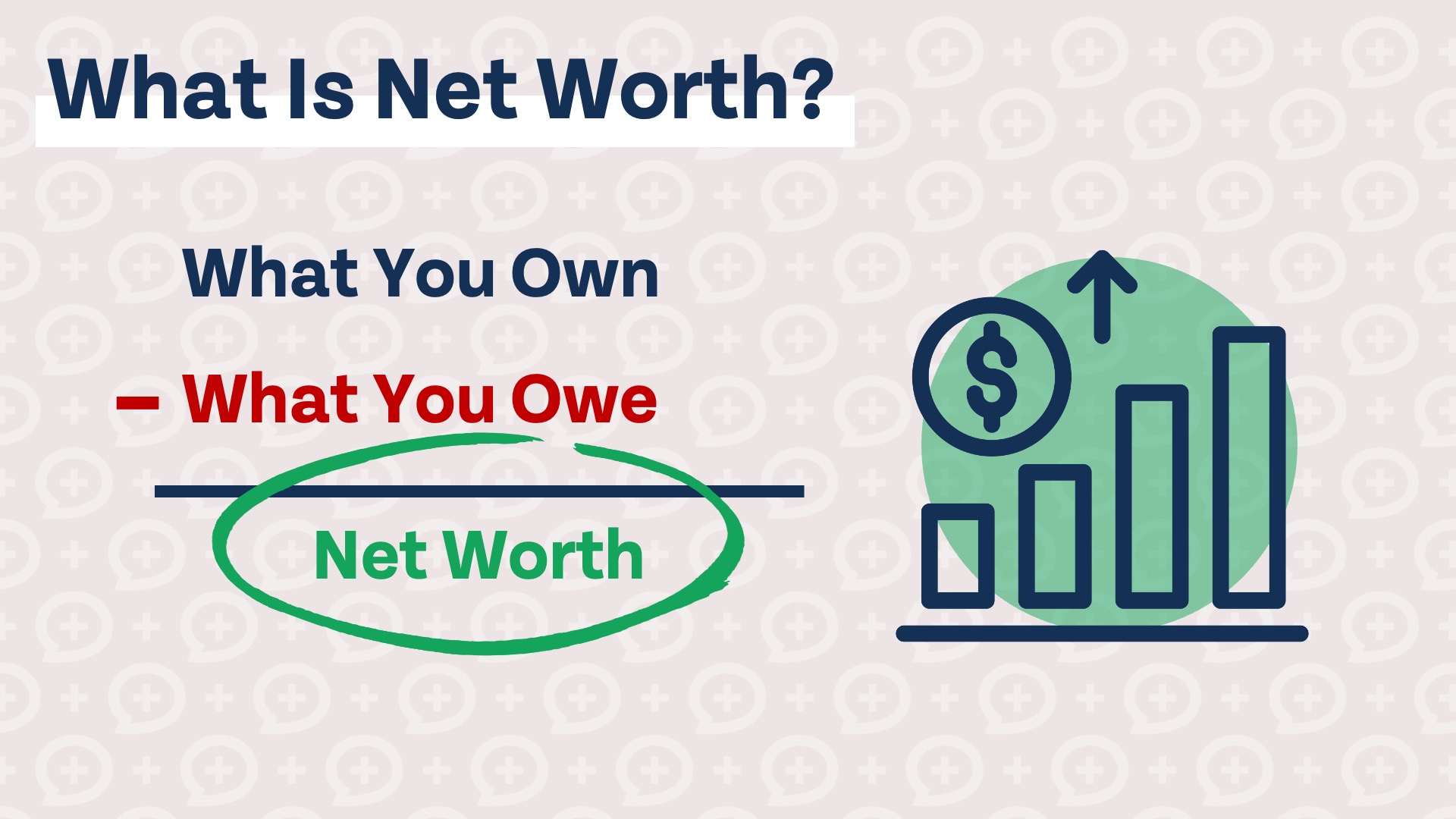
The term "Alli A" typically refers to Alli Abdul, a recognized figure in the social media and influencer landscape, particularly within the automotive and lifestyle content creation sectors. Determining an individual's net worth involves aggregating total assets—such as real estate, business interests, and personal investments—and subtracting all existing liabilities. Because personal financial disclosures are rarely public, figures found online are estimates based on public visibility, brand partnerships, and platform-specific revenue models rather than certified accounting.
The Methodology Behind Influencer Net Worth Estimates
When financial analysts or entertainment publications calculate the net worth of a content creator like Alli A, they do not have access to private bank accounts or tax filings. Instead, they utilize a methodology based on observable revenue streams. This process begins with assessing the volume of content produced and the engagement metrics associated with that content.
In the digital creator economy, primary revenue stems from advertising revenue sharing programs, such as those integrated into video platforms. By analyzing the number of views a channel generates over a specific timeframe, analysts can estimate the "RPM" (Revenue Per Mille, or cost per thousand views). This provides a baseline for a creator's gross income before accounting for production costs, agent commissions, and taxes.
Beyond platform-specific advertising, sponsorship deals represent a significant portion of a creator's income. Companies pay creators to feature products, and for niche creators—such as those focusing on automotive builds or lifestyle vlogs—these deals are often high-ticket items. These contracts are private, meaning analysts must estimate their value based on industry standards for creators with similar subscriber counts and engagement rates.
Breaking Down Asset Classes for Content Creators
A comprehensive view of net worth requires looking beyond monthly income. For a public figure, assets generally fall into several distinct categories, each with varying degrees of liquidity.
- Business Equity: This includes the value of the personal brand itself, including intellectual property, merchandise lines, and any companies formed to handle production operations. In many cases, the business is the creator's most valuable asset.
- Real Estate: High-earning content creators frequently invest in residential or commercial properties. These are tracked through public property records, which can offer a more concrete foundation for wealth estimation than fluctuating social media metrics.
- Vehicles and Equipment: For automotive-focused creators, their vehicle fleet is often both a business tool and a personal asset. The appreciation or depreciation of these assets plays a significant role in determining their total net worth.
- Investments: Like any high-income earner, creators often diversify their wealth into stocks, bonds, and other financial instruments, though these are rarely visible to the public.
The Role of Liabilities in Financial Health
It is a common misconception that high gross income equals high net worth. A critical, yet often overlooked, component of the net worth equation is debt. Many creators, particularly those in the automotive or production spaces, carry significant liabilities. These may include loans on equipment, mortgages on production studios or personal homes, and business debt required to scale operations.
A creator might generate substantial revenue, but if they are aggressively reinvesting that income into new content, vehicles, or production infrastructure, their "net" worth may be lower than an outsider expects. Conversely, a creator with a smaller public footprint who has focused on real estate acquisition or traditional investment may have a higher net worth than one with a larger, yet more consumer-focused, following.
Table: Factors Influencing Net Worth Calculations
| Factor Category | Examples of Data Sources | Impact on Estimation |
|---|---|---|
| Ad Revenue | Platform views, RPM benchmarks | High - Predictable base income |
| Brand Partnerships | Sponsored content, disclosure labels | High - Variable; depends on niche |
| Real Estate | Public property tax records | Moderate - Provides concrete floor |
| Equipment/Vehicles | Content documentation, market resale | Moderate - Subject to depreciation |
| Operational Costs | Business filings, staff overhead | Negative - Reduces net value |
Challenges in Accuracy and Transparency
Attempting to provide a precise number for someone's net worth is inherently problematic due to the lack of transparency. Influencer income is notoriously volatile. A creator might experience a "viral" year with massive growth, followed by a plateau. Furthermore, international tax jurisdictions and the complex structure of limited liability companies (LLCs) often obscure exactly how much of the gross revenue remains with the creator after expenses are satisfied.
Most "Net Worth" websites use automated algorithms that scrape publicly available data to produce a figure. These tools are often inaccurate because they fail to account for the "burn rate"—the speed at which a creator spends money to maintain their lifestyle and content quality. Readers should treat these figures as speculative rather than factual. The financial reality of a public figure is a moving target that changes with every new contract signed or asset purchased.
The Importance of Financial Literacy in the Creator Economy
As the creator economy matures, many individuals in this space have begun to emphasize financial planning. The shift from seeing content creation as a "side hustle" to a full-scale business has necessitated a professional approach to wealth management. For a creator, diversifying away from platform-dependent revenue is the most common path to long-term wealth stability.
When looking at a figure like Alli A, one must understand that their net worth is not just a reflection of popularity, but a reflection of how effectively that popularity has been converted into tangible assets. The ability to manage cash flow, mitigate risk, and invest in assets that appreciate over time is what ultimately separates a temporary internet success from a sustainable financial profile.
Frequently Asked Questions (FAQ)
1. Is a public net worth figure for a creator ever 100% accurate? No. Unless the individual chooses to publish their audited financial statements, any number reported is an estimate. Public data provides clues, but private expenditures and tax liabilities remain unknown.
2. Why do net worth estimates for the same person vary wildly between websites? Different sites use different algorithms and data sources. Some focus only on estimated ad revenue, while others attempt to factor in real estate and assets. These variations are expected when estimating private finances.
3. Does having millions of followers mean someone is a millionaire? Not necessarily. While high follower counts correlate with earning potential, the actual net worth depends on the creator's expenses, business debts, and investment choices. A creator can earn millions and spend millions, resulting in a low net worth.
4. How can a creator increase their actual net worth over time? Creators increase net worth by diversifying income streams—such as launching their own product lines or software—and investing earned revenue into stable, wealth-building assets like real estate or equity portfolios rather than just lifestyle consumption.
5. Should I base my financial decisions on the net worth of influencers? No. Net worth estimates for influencers are speculative and should not be used as benchmarks for personal financial planning. Financial decisions should always be based on your own income, goals, and risk tolerance, ideally in consultation with a professional advisor.
Practical Next Steps for Wealth Analysis
If you are interested in the financial trajectory of content creators, the most productive approach is to look at the business side of their operations. Research the companies they have founded, the products they have launched, and how they have scaled their teams. Understanding the business model behind the content provides far more insight into their true financial position than any single dollar-value estimate found on a third-party website. Always prioritize official disclosures and verifiable business activity over speculative rankings.